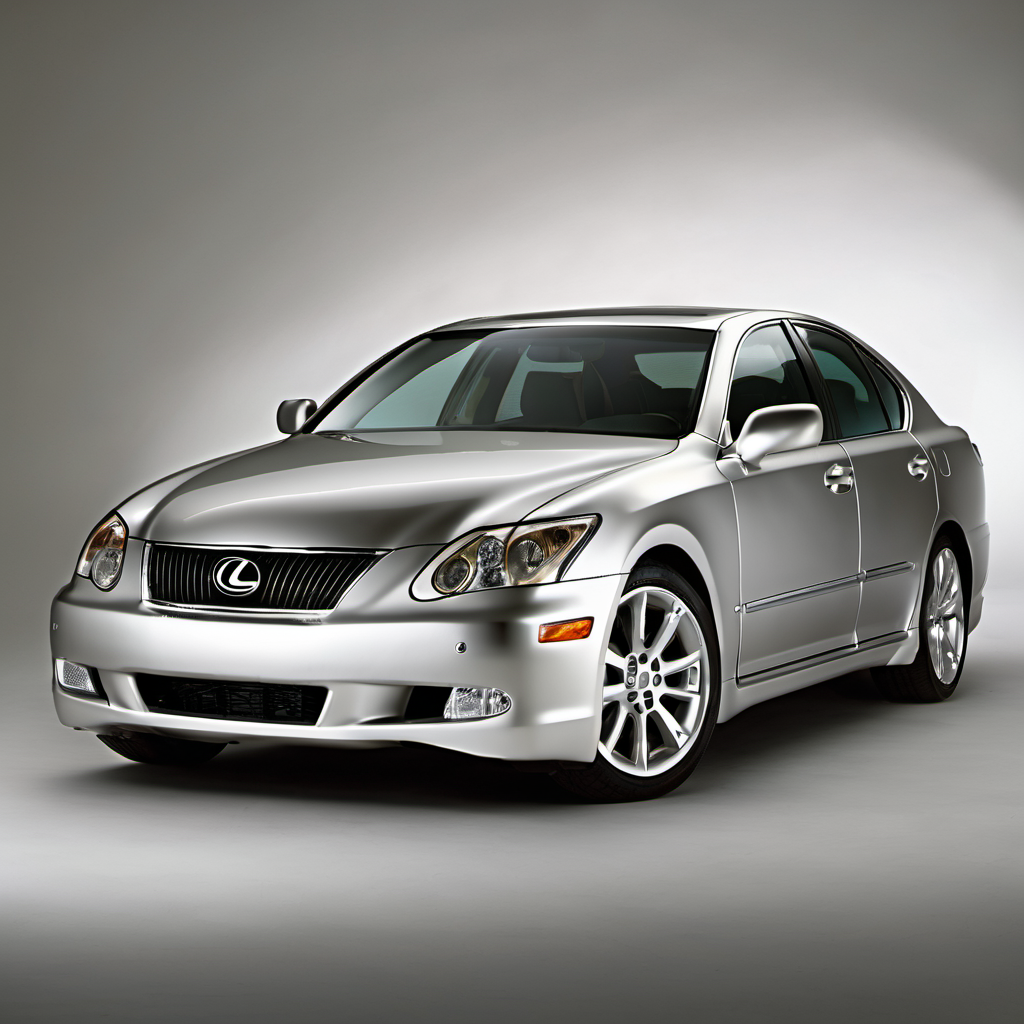
2006 Lexus GS Sedan

2006 Lexus

GSSedan

Sedan

The 2006 Lexus GS 300 AWD is the third generation of Lexus's sport-luxury sedan, riding on Toyota's rear-wheel-drive platform shared with the IS and later IS F. It blends genuine performance intent — rear-biased AWD, a slick 6-speed automatic, and a rev-happy 3.0L inline-six — with the hushed, high-quality interior Lexus is known for. At this vintage it sits squarely in the upper-midsize luxury sport segment alongside the BMW 5 Series and Mercedes E-Class, but typically undercuts both on used-market pricing while offering similar or better long-term reliability. The Gen 3 GS (2006–2007) was a significant improvement over the outgoing model in handling, interior quality, and technology. The AWD version added meaningful all-weather traction without the handling penalty of many torque-biased systems — rear-drive character is preserved in normal conditions. Pre-collision, lane-keep assist, and adaptive cruise were available on upper trims, which was ahead of its time for the segment. As a used buy in 2024, the GS 300 AWD is genuinely compelling: Toyota-engineered mechanicals, readily available parts, and a strong independent-shop service base keep running costs manageable for a luxury sedan. Age-related issues (VVT oil sludge, suspension bushings, electronics) are the main concerns, not fundamental powertrain weakness.

Reliability
4/5
Verified data
Specs shown for GS 300 4WD — the most common configuration. Other trims may vary in engine, drivetrain, or fuel economy. Sign in to see your vehicle's exact specs.
Engine
[object Object]
Drivetrain
AWD
Fuel
Premium gasoline
MPG
19 city / 25 hwy / 21 combined
Seats
Doors
Body
Midsize Cars

Overview

AI-curated

The 2006 Lexus GS 300 AWD is the third generation of Lexus's sport-luxury sedan, riding on Toyota's rear-wheel-drive platform shared with the IS and later IS F. It blends genuine performance intent — rear-biased AWD, a slick 6-speed automatic, and a rev-happy 3.0L inline-six — with the hushed, high-quality interior Lexus is known for. At this vintage it sits squarely in the upper-midsize luxury sport segment alongside the BMW 5 Series and Mercedes E-Class, but typically undercuts both on used-market pricing while offering similar or better long-term reliability. The Gen 3 GS (2006–2007) was a significant improvement over the outgoing model in handling, interior quality, and technology. The AWD version added meaningful all-weather traction without the handling penalty of many torque-biased systems — rear-drive character is preserved in normal conditions. Pre-collision, lane-keep assist, and adaptive cruise were available on upper trims, which was ahead of its time for the segment. As a used buy in 2024, the GS 300 AWD is genuinely compelling: Toyota-engineered mechanicals, readily available parts, and a strong independent-shop service base keep running costs manageable for a luxury sedan. Age-related issues (VVT oil sludge, suspension bushings, electronics) are the main concerns, not fundamental powertrain weakness.

Known for
  • Refined, near-silent cabin with high-quality materials
  • Rev-happy 3GR-FSE 3.0L inline-six with strong mid-range pull
  • Rear-biased AWD that preserves sport-sedan character
  • Toyota/Lexus long-term powertrain durability
  • Competitive handling for the era — notably better than the Gen 2 GS
Best for
  • Drivers who want near-luxury refinement without European repair bills
  • Wisconsin winters — AWD + heated everything standard on most trims
  • Highway commuters who value a quiet, comfortable sport sedan
  • Buyers who prioritize reliability over cutting-edge tech
  • Used luxury buyers who want a well-depreciated, solid platform
Watch for
  • VVT system sensitivity to oil change intervals — sludge causes camshaft timing codes
  • Air suspension (if equipped) is expensive to rebuild at this age
  • Navigation/multimedia system is obsolete and not easily updated
  • High-pressure fuel injectors (D-4 direct injection) can carbon-foul over time
  • Premium fuel required — budget accordingly

Common issues by mileage

6 known

D-4 direct injection carbon buildup on intake valves

medium
Typically appears
80–150k mi
Estimated repair
$400 – $800

Oxygen/air-fuel ratio sensor heater circuit failure

medium
Typically appears
80–130k mi
Estimated repair
$200 – $500

Rear suspension bushing and lateral link wear

high
Typically appears
100–150k mi
Estimated repair
$600 – $1,400

Adaptive Variable Suspension (AVS) actuator failure (if equipped)

medium
Typically appears
100–160k mi
Estimated repair
$800 – $2,000

Maintenance schedule

  1. 1
    Every 5,000 mi or 6 months (do NOT stretch to 10k on this engine) Engine oil and filter change — use 5W-30 full synthetic, Toyota-spec or equivalent

    The 3GR-FSE VVT system is oil-cleanliness dependent. Extended intervals are the #1 cause of OCV sludge and expensive camshaft timing faults on this engine.

  2. 2
    Inspect at 60k mi; replace screens if any sludge is found VVT oil control valve screen cleaning or replacement

    Screens clog before the valves themselves fail — cleaning them proactively prevents the P0012/P0015/P0022/P0025 family of codes.

  3. 3
    Every 80–100k mi Intake valve walnut-blast carbon cleaning

    Direct injection bypasses detergent fuel wash of the intake valves. Carbon buildup reduces airflow and can cause rough idle and misfires.

  4. 4
    Every 60k mi with Toyota WS or compatible full synthetic ATF Transmission fluid change (6-speed automatic)

    Lexus originally called this fluid lifetime; independent data shows shift quality and longevity benefit significantly from fresh fluid at 60k intervals, especially in temperature-extreme climates.

  5. 5
    Every 5 years / 100k mi Coolant flush

    Toyota long-life coolant degrades and loses corrosion inhibitors over time. Old coolant accelerates water pump and radiator wear.

  6. 6
    Every 2–3 years Brake fluid flush

    Hygroscopic fluid absorbs moisture over Wisconsin winters; degraded fluid lowers boiling point and accelerates ABS/VSC actuator corrosion.

  7. 7
    Every 25–30k mi or annually Cabin and engine air filter replacement

    Dirty cabin filters stress the blower motor; a clogged engine air filter can push false MAF readings on this engine.

  8. 8
    Every 2 years / 30k mi Inspect and lubricate rear suspension bushings and lateral links

    Rear suspension geometry is precise on the GS; worn bushings cause tire wear and handling vagueness before they become obviously noisy.

Always defer to the manufacturer's service manual for warranty-mandated intervals.

Cost of ownership

Annual maintenance
$900 – $1,800
Fuel
Premium (91+ octane) required. At 21 mpg combined and ~15,000 mi/yr, expect $2,400–$3,000/yr depending on pump prices.
Insurance
Typically $1,200–$1,800/yr in the Lake Geneva, WI area for a driver with a clean record — slightly above a mainstream sedan due to luxury parts cost, but below European competitors.

Day-to-day ownership costs are moderate for the luxury segment. Routine maintenance runs $900–$1,800/yr at an independent shop. The real exposure is deferred maintenance catch-up on a used example: VVT repairs, suspension refresh, and brake work on a neglected car can easily run $3,000–$5,000 in year one. A car with full service history keeps you in the lower range. Premium fuel is a permanent budget line.
Seasonal care

Lake Geneva, WI
Winter
  • Switch to a dedicated winter tire set — the AWD system improves traction but does nothing for cornering or stopping on ice; winter tires are non-negotiable in Lake Geneva.
  • Test the battery before first freeze. Cold-cranking amps drop sharply below 0°F; the GS's electronics load (heated seats, defrosters, nav) accelerates battery drain on weak cells.
  • Use a full-synthetic 5W-30 oil year-round — the low-temperature viscosity matters for cold VVT actuation on first start.
  • Fill washer fluid reservoir with a -25°F or colder rated fluid; the GS has a large windshield and heated washer nozzles but a diluted reservoir will freeze solid.
  • Inspect and treat underbody and wheel wells for road salt after significant snow events — pay special attention to rear subframe, brake lines, and AWD transfer case hardware.
  • Keep the fuel tank above half in extended cold snaps to reduce condensation in the fuel system and maintain fuel pump cooling.
Summer
  • Check tire pressure monthly — pressure rises roughly 1 PSI per 10°F of temperature increase; overinflated tires reduce contact patch and increase wear on hot pavement.
  • Inspect the A/C system for refrigerant charge and condenser cleanliness before the first hot week; the GS uses a cabin-forward condenser that picks up road debris.
  • Watch coolant temperature on highway pulls in heavy traffic — if the temp gauge climbs higher than usual, check the radiator for clogging (insects, debris from Wisconsin summer driving).
  • Check that the cooling fan operation is correct — at 18+ years old, fan relay and motor failures are age-appropriate and will show up first as slow warm-up or elevated temps in stop-and-go.

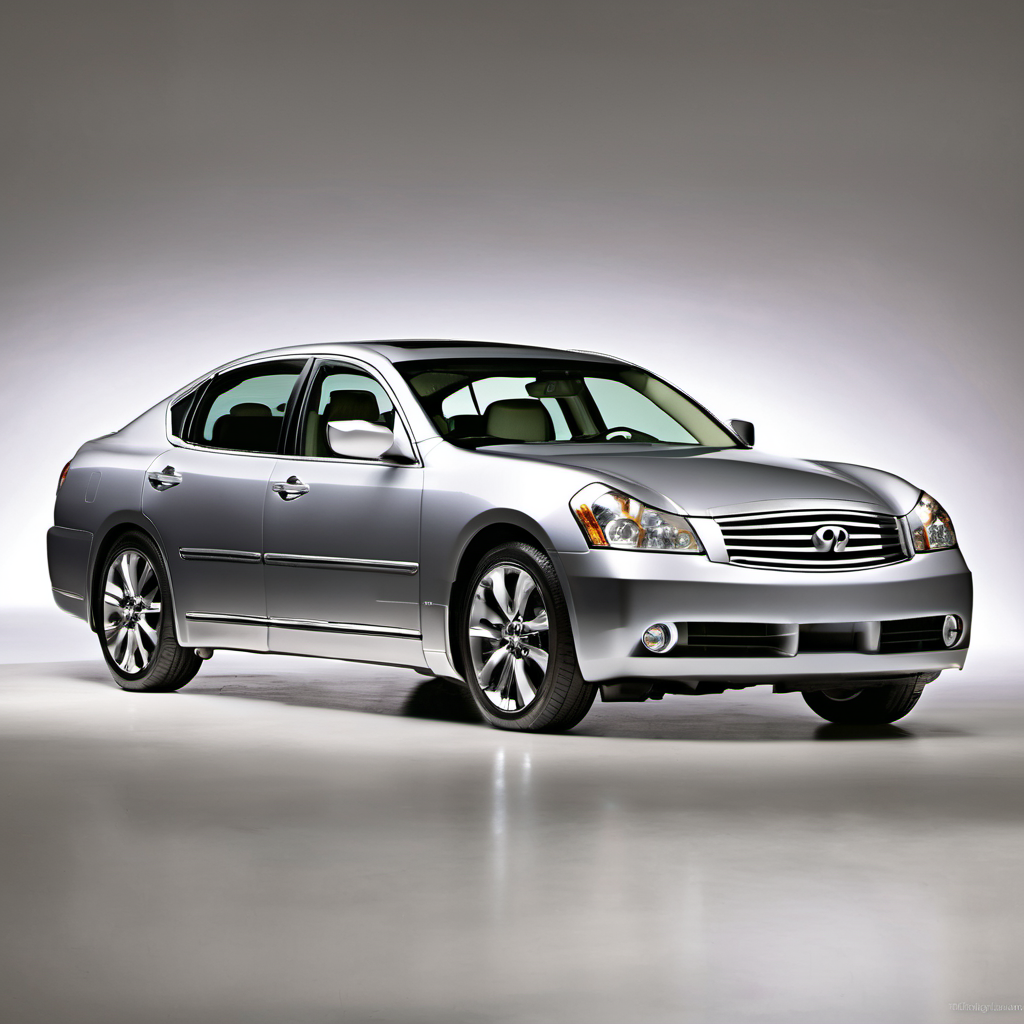
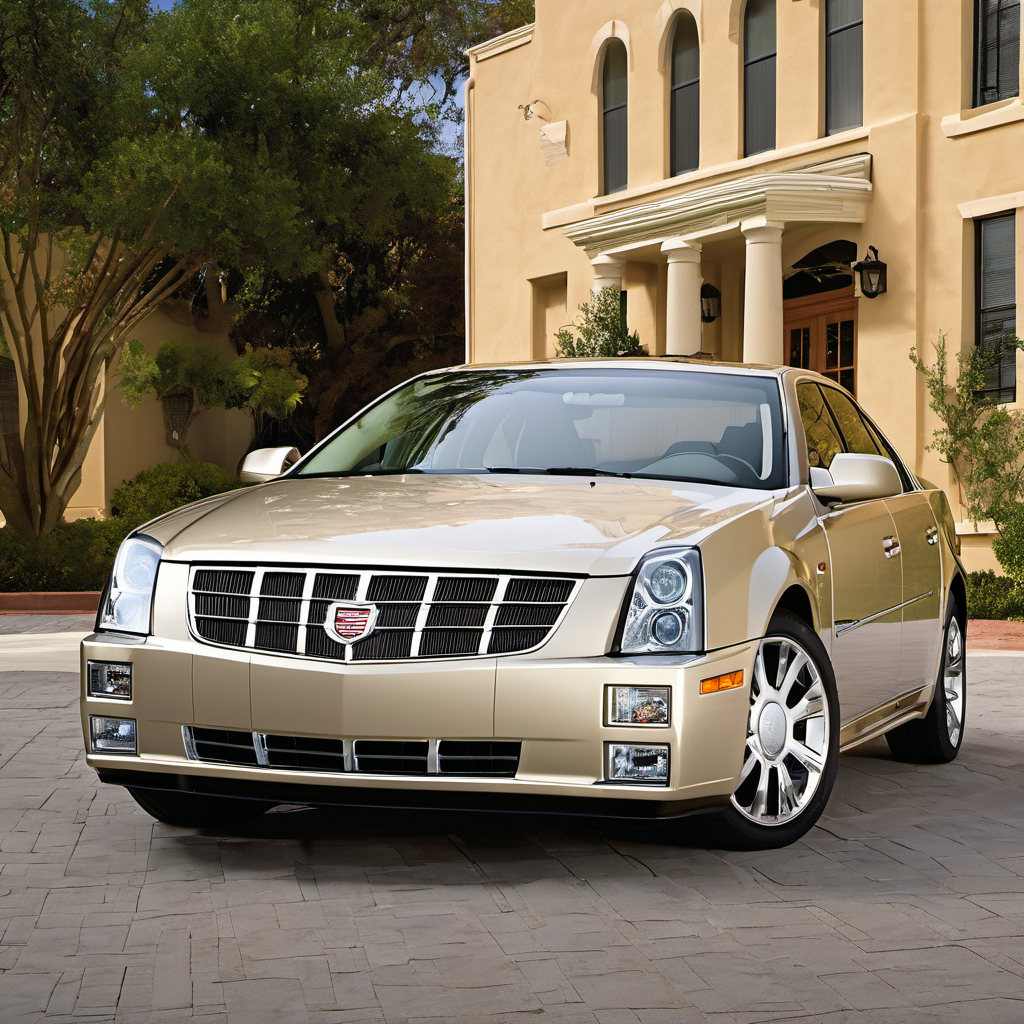
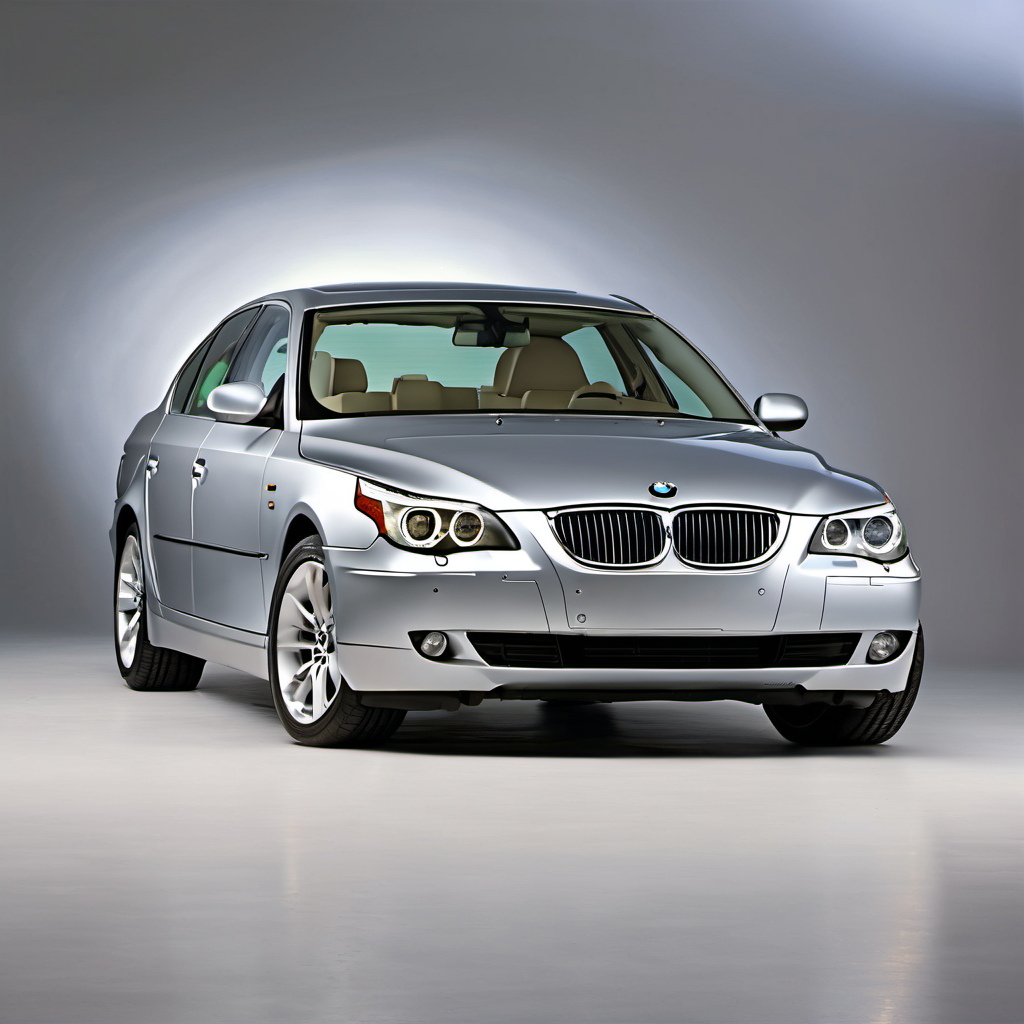
Comparable vehicles

If you're shopping for one

Red flags
  • No oil change records or long intervals between changes — walk away or budget $1,500+ for a VVT system flush/repair up front.
  • Any active check-engine light, especially with P0012, P0015, P0022, or P0025 present — these indicate oil neglect damage already done.
  • Heavy rust on underbody brake lines or subframe — structural or safety-critical corrosion on a Wisconsin car is a deal-breaker.
  • Milky oil on the dipstick or oil cap — head gasket or water intrusion; expensive on this engine.
  • Clunking or loose feel in the rear suspension — likely worn lateral links or bushings, which on a fully worn car can run $1,000+ to properly restore.
  • Smoke on cold start that doesn't clear — valve stem seals or piston rings on a high-mileage engine with deferred maintenance.
What to inspect
  • Pull full service history and verify oil change intervals — this is the single most important item on the GS 300. Look for stamps or receipts every 5,000–6,000 mi.
  • Warm the engine fully, then check for rough idle, hesitation, or check-engine light; VVT codes often emerge only at operating temperature.
  • Test all adaptive systems if equipped: pre-collision, adaptive cruise, lane keep — sensors and radar units are expensive at this age.
  • Check the Adaptive Variable Suspension (AVS) if equipped: drive over rough pavement and listen for clunking or check for warning lights. Actuator replacements run $800–$2,000.
  • Inspect underneath for rust on the rear subframe, brake lines, and fuel lines — Wisconsin-titled cars can have significant corrosion by 2024.
  • Test the navigation/multimedia system; the original Mark Levinson audio and nav units develop faults. Budget for this being non-functional or degraded.
  • Verify AWD engagement is smooth; feel for any binding or vibration during low-speed tight turns in a parking lot (differential/transfer case wear indicator).
AI profile generated 2 hr ago · claude-sonnet-4-6 · v2.