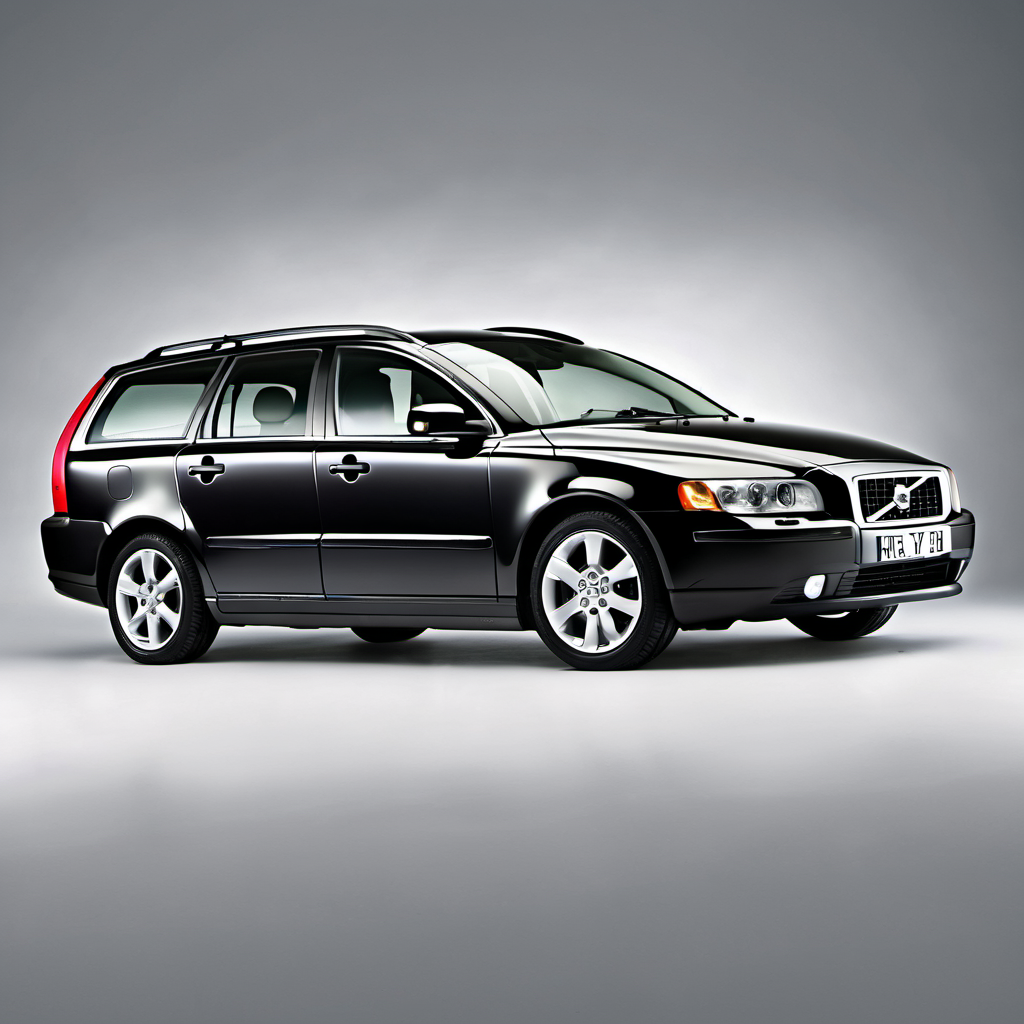
2005 Volvo V50 Wagon

2005 Volvo

V50Wagon

Wagon

The 2005 Volvo V50 is a compact European sport wagon built on the Ford C1 platform shared with the Mazda 3 and Ford Focus of the era. It slots below the V70 in Volvo's lineup and was aimed at buyers wanting Scandinavian practicality and safety in a smaller, more nimble package. The T5 AWD variant — the most common configuration — pairs a turbocharged 2.5L inline-five with an all-wheel-drive system, making it a genuinely capable year-round car that suits Wisconsin winters well. Inside, the V50 punches above its size with quality materials and Volvo's then-signature safety suite. Cargo space is reasonable for the class, and the driving dynamics are more engaging than most wagons of the period. However, this is a Euro-derived vehicle with real ownership complexity: parts are pricier than Japanese or domestic alternatives, and several known mechanical issues make maintenance discipline non-negotiable. At nearly 20 years old, a well-maintained V50 T5 AWD can still be a rewarding daily driver. A neglected one can become a money pit quickly. Buyer awareness and a pre-purchase inspection by a Volvo-familiar shop are essential.

Reliability
2/5
Verified data
Specs shown for V50 AWD — the most common configuration. Other trims may vary in engine, drivetrain, or fuel economy. Sign in to see your vehicle's exact specs.
Engine
[object Object]
Drivetrain
AWD
Fuel
Premium gasoline
MPG
17 city / 25 hwy / 20 combined
Seats
Doors
Body
Small Station Wagons

Overview

AI-curated

The 2005 Volvo V50 is a compact European sport wagon built on the Ford C1 platform shared with the Mazda 3 and Ford Focus of the era. It slots below the V70 in Volvo's lineup and was aimed at buyers wanting Scandinavian practicality and safety in a smaller, more nimble package. The T5 AWD variant — the most common configuration — pairs a turbocharged 2.5L inline-five with an all-wheel-drive system, making it a genuinely capable year-round car that suits Wisconsin winters well. Inside, the V50 punches above its size with quality materials and Volvo's then-signature safety suite. Cargo space is reasonable for the class, and the driving dynamics are more engaging than most wagons of the period. However, this is a Euro-derived vehicle with real ownership complexity: parts are pricier than Japanese or domestic alternatives, and several known mechanical issues make maintenance discipline non-negotiable. At nearly 20 years old, a well-maintained V50 T5 AWD can still be a rewarding daily driver. A neglected one can become a money pit quickly. Buyer awareness and a pre-purchase inspection by a Volvo-familiar shop are essential.

Known for
  • Scandinavian build quality and safety engineering
  • Turbocharged 5-cylinder engine with strong mid-range pull
  • Practical wagon body with a smaller footprint than V70
  • AWD system well-suited to snowy Midwest winters
  • Premium interior materials for the class
Best for
  • Drivers who want a practical European wagon for year-round Wisconsin use
  • Small families needing cargo flexibility without a large SUV
  • Enthusiasts who appreciate European driving dynamics on a budget
  • Commuters who prioritize safety ratings and AWD traction
Watch for
  • Expensive European parts and limited independent shop familiarity
  • PCV/oil separator system failures causing oil consumption and sludge
  • Turbo oil feed line leaks leading to premature turbo failure
  • Electrical gremlins from aging modules and connectors
  • Sunroof drains clogging and flooding the interior

Common issues by mileage

6 known

PCV / Oil Trap Failure

high
Typically appears
60–120k mi
Estimated repair
$300 – $700

Variable Valve Timing (VVT) Solenoid / Oil Flow Issue

medium
Typically appears
70–130k mi
Estimated repair
$200 – $600

Turbocharger Failure (oil starvation or bypass valve)

medium
Typically appears
80–150k mi
Estimated repair
$1,200 – $2,800

Oxygen Sensor / Heater Circuit Failure

medium
Typically appears
80–140k mi
Estimated repair
$150 – $450

Sunroof Drain Clog / Interior Water Intrusion

high
Typically appears
50–120k mi
Estimated repair
$100 – $800

Maintenance schedule

  1. 1
    Every 5,000 miles or 6 months — do NOT stretch to OEM 7,500-mi interval on a used, aging example Engine oil change with full-synthetic 5W-30 (meeting Volvo VCC-RBS2AE spec)

    Clean oil is the single best defense against PCV sludge buildup and VVT solenoid clogging. Short intervals are cheap insurance on a turbocharged engine this age.

  2. 2
    Every 60,000 miles or at first sign of oil consumption or rough idle PCV / oil separator inspection and replacement

    The PCV system on the B5254T engine is a known failure point. A clogged separator pressurizes the crankcase, forces oil past seals, and can cause catastrophic turbo oil starvation.

  3. 3
    Every 30,000 miles or at each oil change Turbo oil feed and return line inspection

    Heat-cracked or oil-soaked lines restrict flow to the turbo bearing. Catching a seeping line early is a $100–$300 fix; catching it after bearing failure is $1,500+.

  4. 4
    Every 30,000 miles Spark plug replacement (use OEM-spec iridium plugs)

    The 5-cylinder turbo engine is sensitive to plug condition. Worn plugs cause misfires that are easily mistaken for more expensive problems.

  5. 5
    Every 50,000 miles or 5 years Coolant flush (use Volvo-spec OAT coolant only)

    Mixing coolant types or using universal fluid causes corrosion in the aluminum engine and heater core. Wisconsin winters make a healthy cooling system critical.

  6. 6
    Every 2 years regardless of mileage Brake fluid flush

    Hygroscopic DOT 4 fluid absorbs moisture over time, lowering boiling point. This is especially important with AWD weight and Wisconsin's hilly terrain.

  7. 7
    Every spring and fall Sunroof drain channel cleaning

    Clogged drains send water into the cabin, soaking carpets and subfloor. This leads to mold, ECU damage, and expensive interior repairs.

  8. 8
    Every 30,000 miles AWD Haldex coupling fluid and filter service

    Neglected Haldex fluid causes the rear clutch pack to slip under load, eventually failing to engage AWD. Fluid is cheap; a Haldex rebuild is not.

Always defer to the manufacturer's service manual for warranty-mandated intervals.

Cost of ownership

Annual maintenance
$900 – $2,200
Fuel
Premium fuel recommended; at 20 MPG combined, expect roughly $2,200–$2,800/year at Wisconsin pump prices assuming 12,000 miles annually.
Insurance
Typically moderate — comparable to other compact wagons of the era. The vehicle's age keeps premiums reasonable, but comprehensive coverage may cost more than the car's value at high mileage.

The V50 is not a cheap car to own. Parts carry a European import premium, and some repairs require Volvo-specific scan tools to diagnose properly. Budget on the higher end of the maintenance range if the vehicle has deferred service history or high mileage. A well-documented, regularly serviced example can be kept running affordably by a good independent Volvo shop, but surprise repairs in the $1,000–$3,000 range are realistic as the car ages past 100k miles.
Seasonal care

Lake Geneva, WI
Winter
  • Switch to a dedicated winter tire set — the Haldex AWD system improves traction but doesn't replace proper winter tires on ice-covered Lake Geneva roads.
  • Test and if needed replace the battery before first hard freeze. Cold-cranking a turbocharged 5-cylinder in sub-zero temps demands a strong battery.
  • Use a quality winter-grade washer fluid rated to at least -20°F; the V50's long hood means the washer nozzles freeze first.
  • Rinse the undercarriage frequently — road salt attacks the V50's brake lines, suspension components, and subframe. Weekly rinses during heavy salt season are worthwhile.
  • Warm the car gently for 60–90 seconds before driving hard; turbo bearings depend on oil pressure that builds slower in extreme cold.
  • Check and clear sunroof drains before freeze-thaw cycles begin — standing water in clogged drains freezes and can crack the drain tubing.
Summer
  • Inspect the A/C system for refrigerant leaks — the V50's condenser sits low and is vulnerable to road debris impacts.
  • Check tire pressure monthly; summer heat causes pressure to rise, and the V50's handling is sensitive to pressure variance across all four corners.
  • Inspect coolant level and condition before peak heat — an aging V50 with a marginal thermostat or low coolant can heat-soak in slow traffic.
  • Check the turbo intercooler for debris buildup or fin damage that reduces cooling efficiency in hot weather.
  • Inspect rubber hoses (turbo inlet, coolant, PCV) for heat-related cracking — summer heat accelerates deterioration on a 20-year-old car.

Comparable vehicles

If you're shopping for one

Red flags
  • Any sign of oil sludge in the valve cover or dipstick tube — indicates chronic oil neglect or PCV failure.
  • Smoke from the exhaust on startup or under load — points to turbo seal failure or engine wear.
  • Multiple deferred service items with no documentation — on this car, deferred maintenance compounds fast.
  • Excessive rust on subframe, suspension pickups, or brake lines — structural rust is a deal-breaker at any price.
  • A check engine light the seller attributes to 'just a sensor' — on a V50, that sensor may be masking a more expensive underlying fault.
  • Any evidence of water damage to the interior electronics — flooded modules on a Volvo are disproportionately expensive to replace.
What to inspect
  • Pull the oil cap and look for creamy sludge — a sure sign of PCV failure or coolant intrusion.
  • Check all four carpet corners and the spare tire well for moisture or mold (sunroof and seal leaks).
  • Look for oil residue around the turbo inlet pipe and oil feed/return lines.
  • Request a full Volvo VIDA/DICE or equivalent scan — generic OBD-II tools miss many Volvo-specific fault codes.
  • Test the AWD Haldex engagement by doing a slow, tight turn on dry pavement and feeling for binding — a worn Haldex clutch pack will slip silently until it fails completely.
  • Check for smooth VVT/CVVT operation by listening for rattling or hesitation during cold startup (first 30 seconds).
  • Inspect the brake lines and fuel lines under the car for rust-through — Wisconsin salt is brutal on this generation of Volvos.
AI profile generated 11 days ago · claude-sonnet-4-6 · v2.