Head Gasket Failure (EJ25 External Oil/Coolant Leak)
high- Typically appears
- 90–150k mi
- Estimated repair
- $1,400 – $2,200
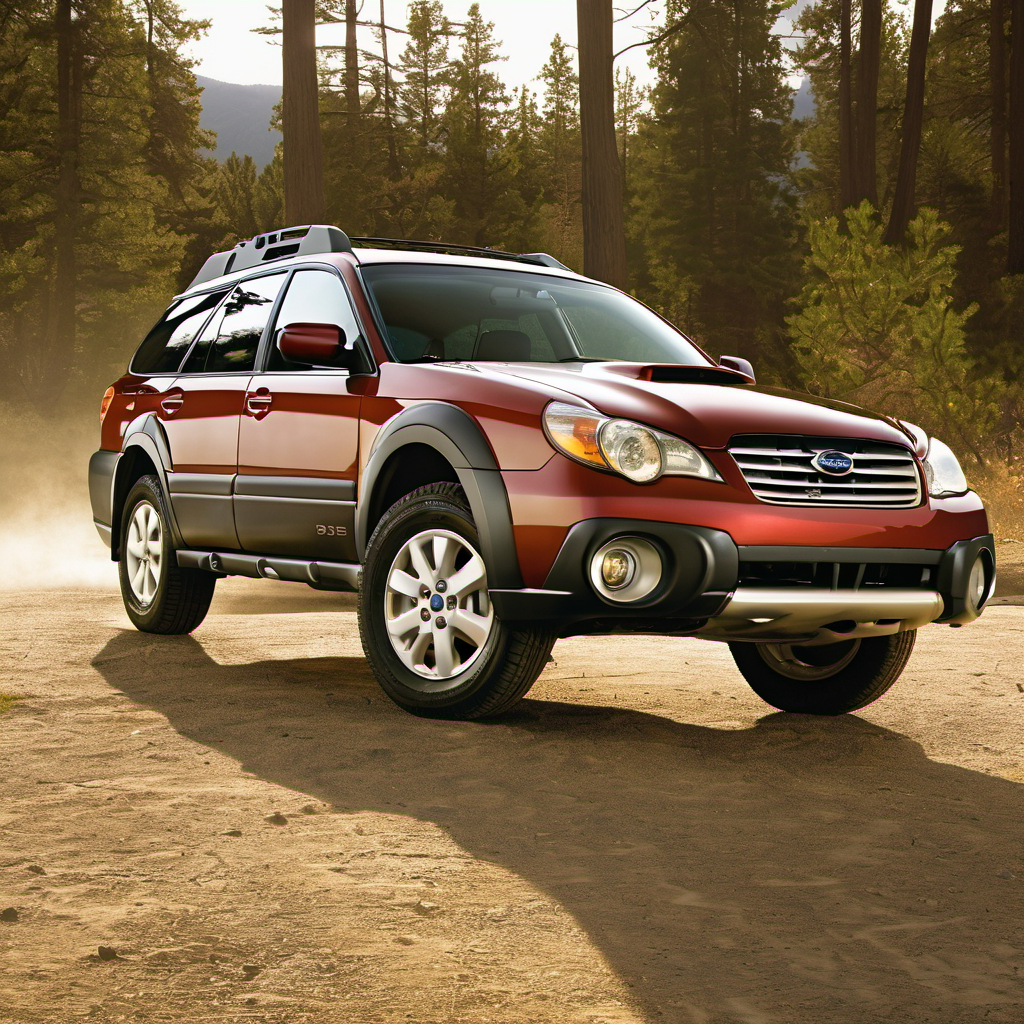
2005 Subaru
2.5L H4 (Boxer) · Wagon
The 2005 Subaru Outback Wagon is the third generation of Subaru's signature lifted-wagon crossover, built on the Legacy platform. It strikes a genuine balance between all-weather capability and daily-driver practicality — symmetrical AWD is standard across all trims, and the wagon body delivers real cargo room without the bulk of a truck-based SUV. For 2005, the Outback was available with either a 2.5L naturally aspirated flat-four or the 2.5L turbocharged XT version. The base engine is smooth and adequate; the XT is genuinely quick but adds mechanical complexity. The 4-speed automatic and 5-speed manual transmissions are both straightforward to service. At 20 years old, these wagons are well into the range where head gasket history is everything. A well-documented, properly maintained example can run well past 200k miles; a neglected one can nickle-and-dime you into the ground. Know what you're buying.
The 2005 Subaru Outback Wagon is the third generation of Subaru's signature lifted-wagon crossover, built on the Legacy platform. It strikes a genuine balance between all-weather capability and daily-driver practicality — symmetrical AWD is standard across all trims, and the wagon body delivers real cargo room without the bulk of a truck-based SUV. For 2005, the Outback was available with either a 2.5L naturally aspirated flat-four or the 2.5L turbocharged XT version. The base engine is smooth and adequate; the XT is genuinely quick but adds mechanical complexity. The 4-speed automatic and 5-speed manual transmissions are both straightforward to service. At 20 years old, these wagons are well into the range where head gasket history is everything. A well-documented, properly maintained example can run well past 200k miles; a neglected one can nickle-and-dime you into the ground. Know what you're buying.
This is an interference engine. If the timing belt snaps, the engine is destroyed. At 20 years old, assume it's due unless you have paperwork proving otherwise. Replace the water pump and tensioner at the same time — labor is already open.
The EJ25 head gaskets are the #1 failure point on this generation. Look for milky oil, sweet-smelling exhaust, coolant loss without visible leaks, or oil seeping at the block-to-head seam. Catching it early (external seep) is much cheaper than a full failure.
Older EJ engines are prone to oil sludging under extended intervals, which accelerates head gasket and VVT solenoid wear. Use the correct viscosity (5W-30 for this engine) and check level monthly — these engines can consume oil between changes.
Subaru specifies longer intervals, but on a used vehicle with unknown history, fresh fluid at 30k mi protects the 4-speed against heat-related wear. Use Subaru-spec ATF or a compatible substitute — do not use generic Dexron.
The EJ25 cooling system is sensitive. Old coolant accelerates gasket wear. Use Subaru Super Coolant or equivalent silicate-free formula and keep the system full and at correct concentration year-round.
Front and rear differential fluids and the transfer case fluid degrade with use. Neglected fluids accelerate wear in the AWD coupling — an expensive repair. Fresh fluid is cheap insurance.
Brake fluid is hygroscopic and absorbs moisture over time, lowering boiling point. In Wisconsin winters with heavy brake use on slippery roads, degraded fluid is a safety risk.
The Outback's rear subframe, rocker panels, and strut towers are known rust points in the upper Midwest. Catch early surface rust before it becomes structural. Consider an annual undercoating treatment to extend life.
Always defer to the manufacturer's service manual for warranty-mandated intervals.
Day-to-day ownership costs are manageable for a 20-year-old AWD wagon. The wildcard is deferred maintenance — if head gaskets, timing belt, or AWD fluids haven't been serviced, you could be looking at $2,000–$4,000 in catch-up work in the first year. A well-maintained example runs closer to $700–$1,100/year in routine upkeep. Budget a rust inspection and treatment every fall — it's the cheapest way to extend the car's life in Lake Geneva's salt environment.
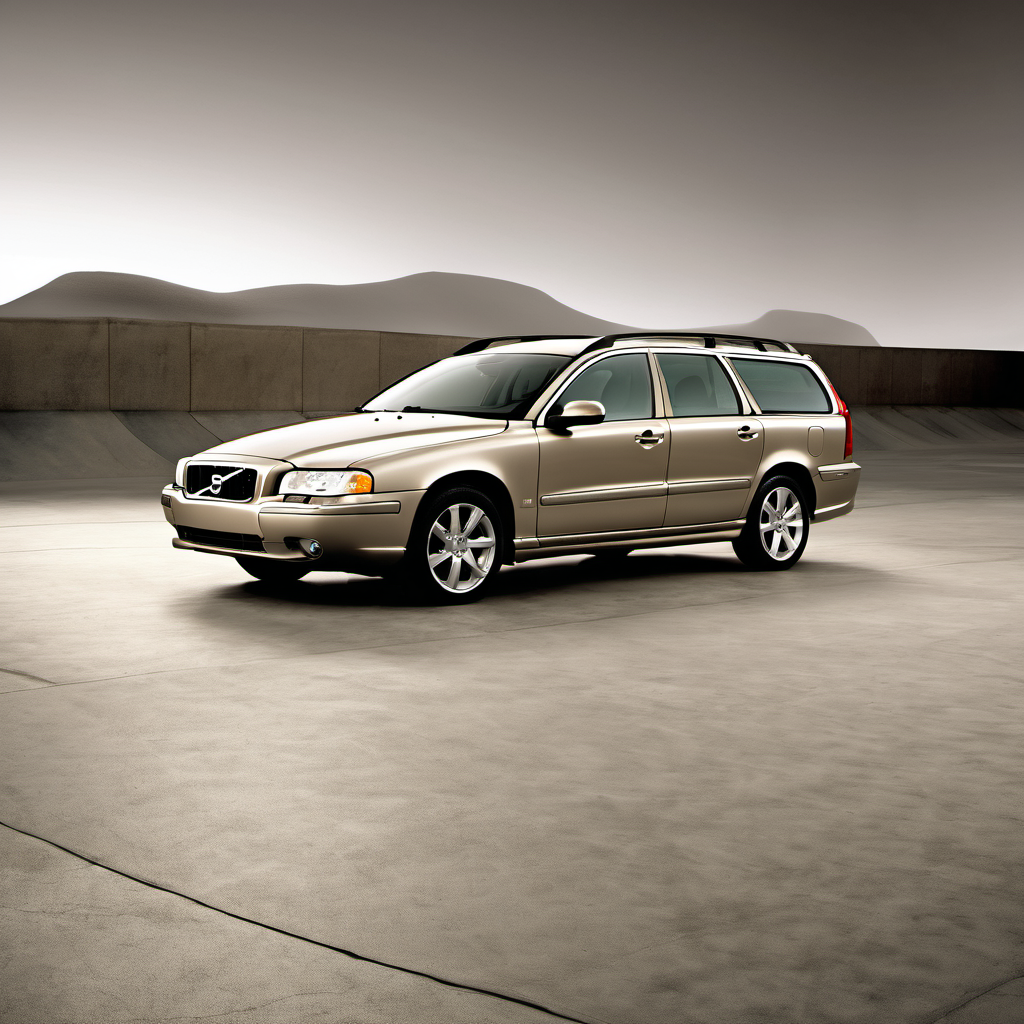
Lifted AWD wagon in the same price band, similar mission and cargo capability. More European character; higher parts cost but comparable all-weather intent.
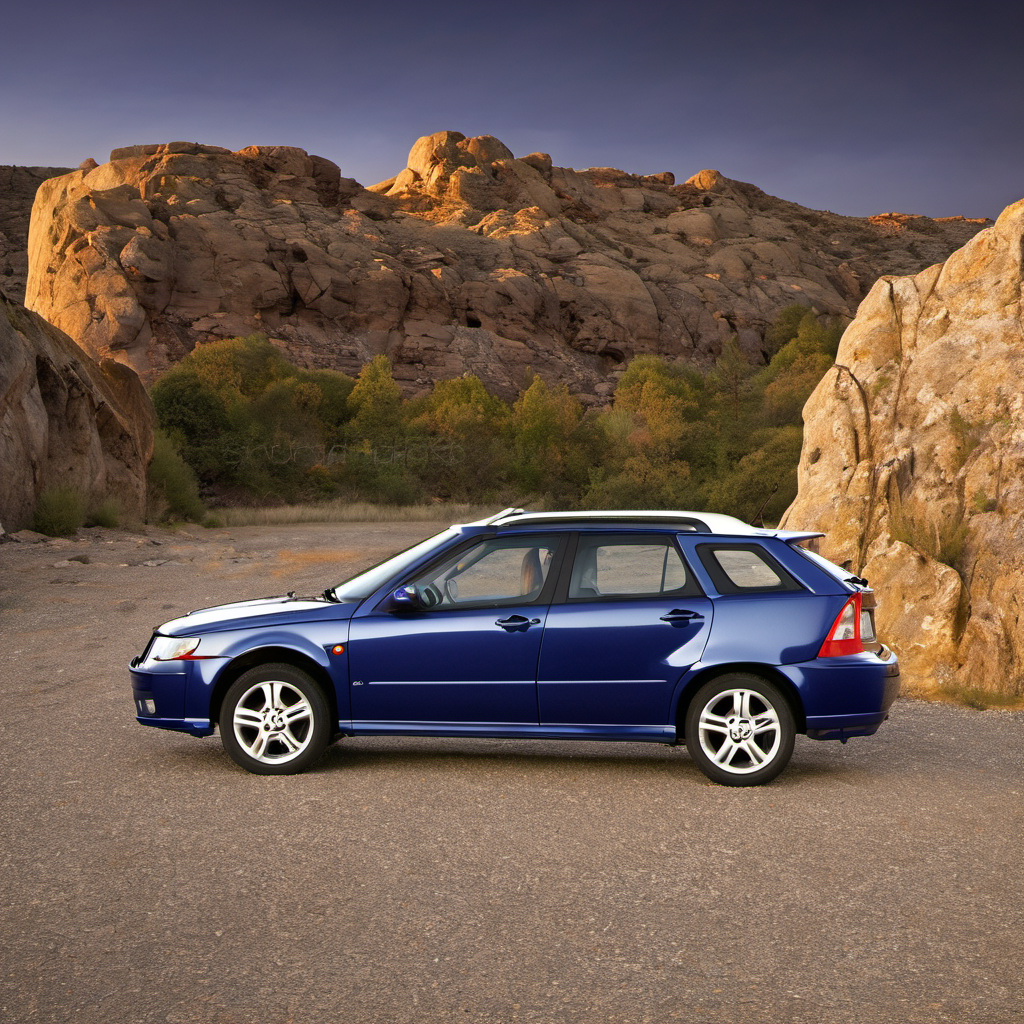
Literally based on the same Subaru Impreza platform with AWD. Rarer, but shares many mechanical components. Worth a look if you want something slightly different.
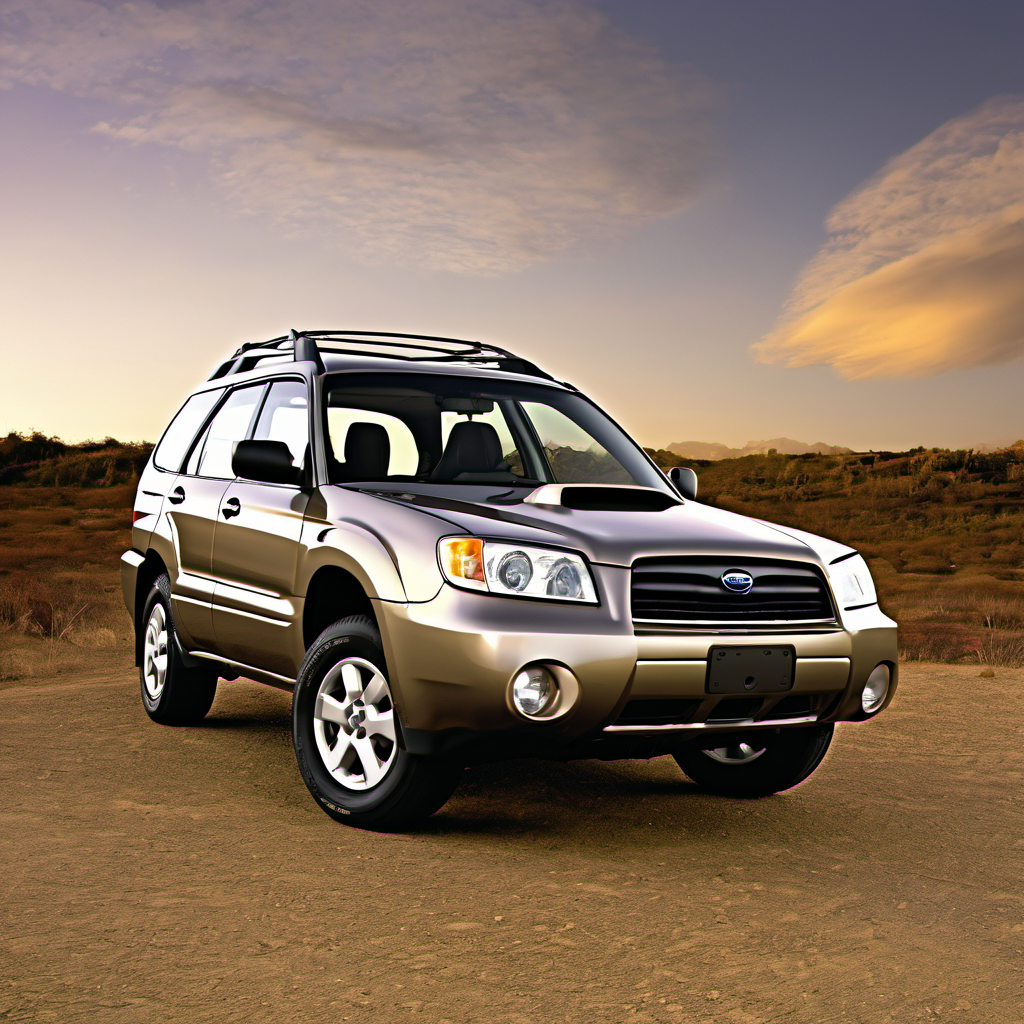
Same EJ25 engine and AWD system, taller SUV-like packaging. Shares the head gasket concern but slightly more ground clearance and a more upright seating position.
Real-time AWD, similar cargo space, significantly more reliable engine. Gives up the Outback's ground clearance and flat-four character but wins on long-term reliability.