Engine oil sludge buildup
high- Typically appears
- 60–120k mi
- Estimated repair
- $800 – $3,500
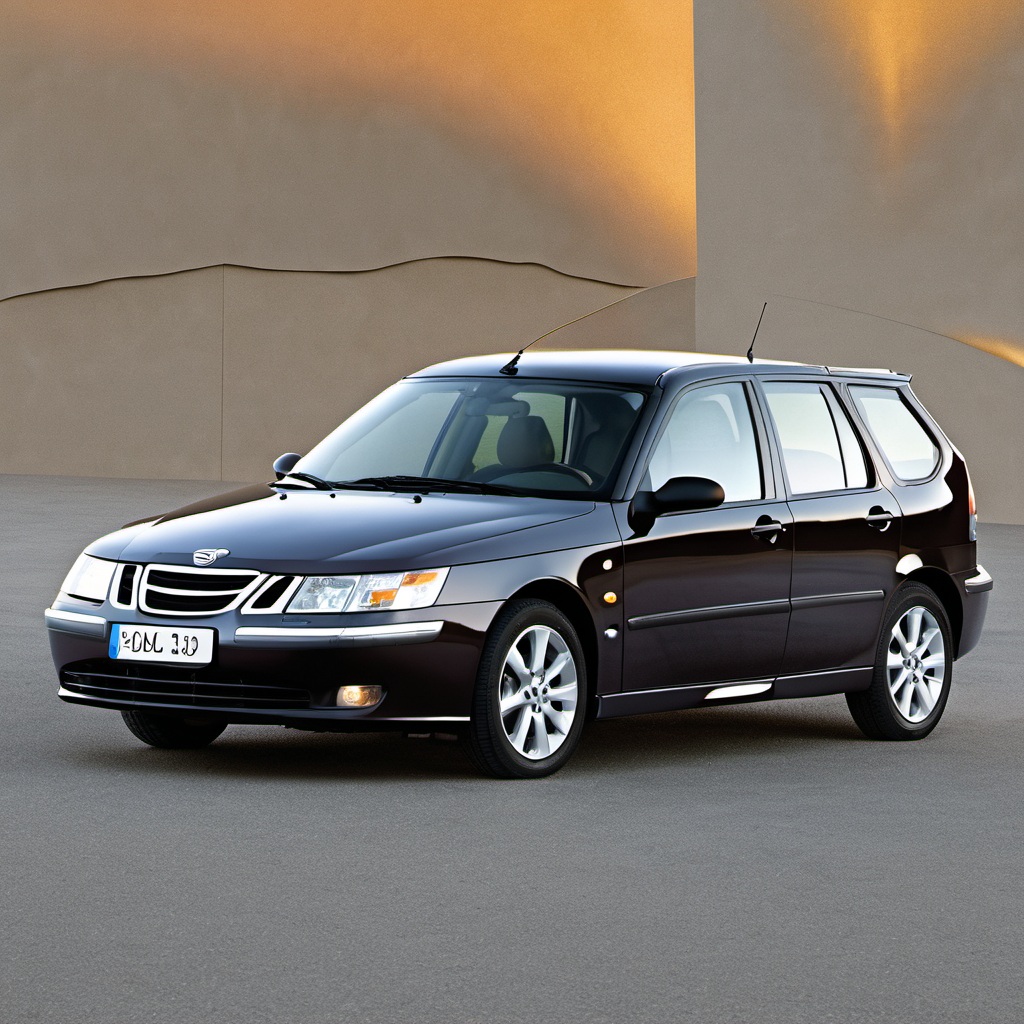
2005 Saab
Convertible
The 2005 Saab 9-3 Convertible is a front-wheel-drive, turbocharged European drop-top that blends Scandinavian quirk with genuine driving enjoyment. Built on GM's Epsilon platform, it offered a more grown-up alternative to the Volkswagen Cabriolet and BMW 3 Series Convertible at a lower price point. The folding soft top, available in sport or arc trim levels, seats four and offers a surprisingly livable cabin for a convertible. Saab's turbocharged 2.0L four-cylinder punches well above its displacement, delivering brisk acceleration and a distinctive power delivery that Saab loyalists love. The car rewards drivers who use premium fuel and keep up with oil changes religiously — turbocharged engines are unforgiving when maintenance slides. By 2005, GM ownership had already been a mixed blessing for Saab: some shared parts reduced costs and improved parts availability, but the brand's uniqueness was diluting. These cars have a dedicated owner community but are increasingly orphaned — Saab ceased production in 2011, and dealer support is gone. Plan on finding a good independent Saab specialist.
The 2005 Saab 9-3 Convertible is a front-wheel-drive, turbocharged European drop-top that blends Scandinavian quirk with genuine driving enjoyment. Built on GM's Epsilon platform, it offered a more grown-up alternative to the Volkswagen Cabriolet and BMW 3 Series Convertible at a lower price point. The folding soft top, available in sport or arc trim levels, seats four and offers a surprisingly livable cabin for a convertible. Saab's turbocharged 2.0L four-cylinder punches well above its displacement, delivering brisk acceleration and a distinctive power delivery that Saab loyalists love. The car rewards drivers who use premium fuel and keep up with oil changes religiously — turbocharged engines are unforgiving when maintenance slides. By 2005, GM ownership had already been a mixed blessing for Saab: some shared parts reduced costs and improved parts availability, but the brand's uniqueness was diluting. These cars have a dedicated owner community but are increasingly orphaned — Saab ceased production in 2011, and dealer support is gone. Plan on finding a good independent Saab specialist.
The 2.0T is highly prone to oil sludge if oil is left in too long or the wrong viscosity is used. This is the single most important maintenance item on this car.
Turbocharged engines run hotter and wear plugs faster. Degraded plugs cause misfires and can damage the turbo.
Belt failure leaves you stranded and can cause secondary damage; tensioners on these engines wear at similar intervals.
Degraded coolant causes internal corrosion and accelerates water pump and thermostat failure — common on aging 9-3s.
Wisconsin winters are brutal on convertible tops. Cracked seals let in water; low hydraulic fluid strains the pump motor.
Moisture absorption in brake fluid lowers boiling point and corrodes ABS components — particularly important given Wisconsin's road salt environment.
A restricted air filter hurts turbo response and fuel economy on the 2.0T.
Lake Geneva roads are heavily salted. Saab's underbody coating holds up reasonably well but brake lines and suspension components need annual eyes-on inspection.
Always defer to the manufacturer's service manual for warranty-mandated intervals.
This car is cheap to buy and moderately expensive to own. Routine maintenance is manageable, but when things go wrong — turbo, top mechanism, electrical — repairs are pricier than average because of parts availability and the specialist knowledge required. Budget toward the higher end if buying a neglected example or one with deferred maintenance. A pre-purchase inspection by a Saab-literate shop is not optional.
Swedish turbocharged convertible at a similar price point; shares the European premium feel and the orphaned-brand maintenance challenge but with slightly better parts availability.
No catalog match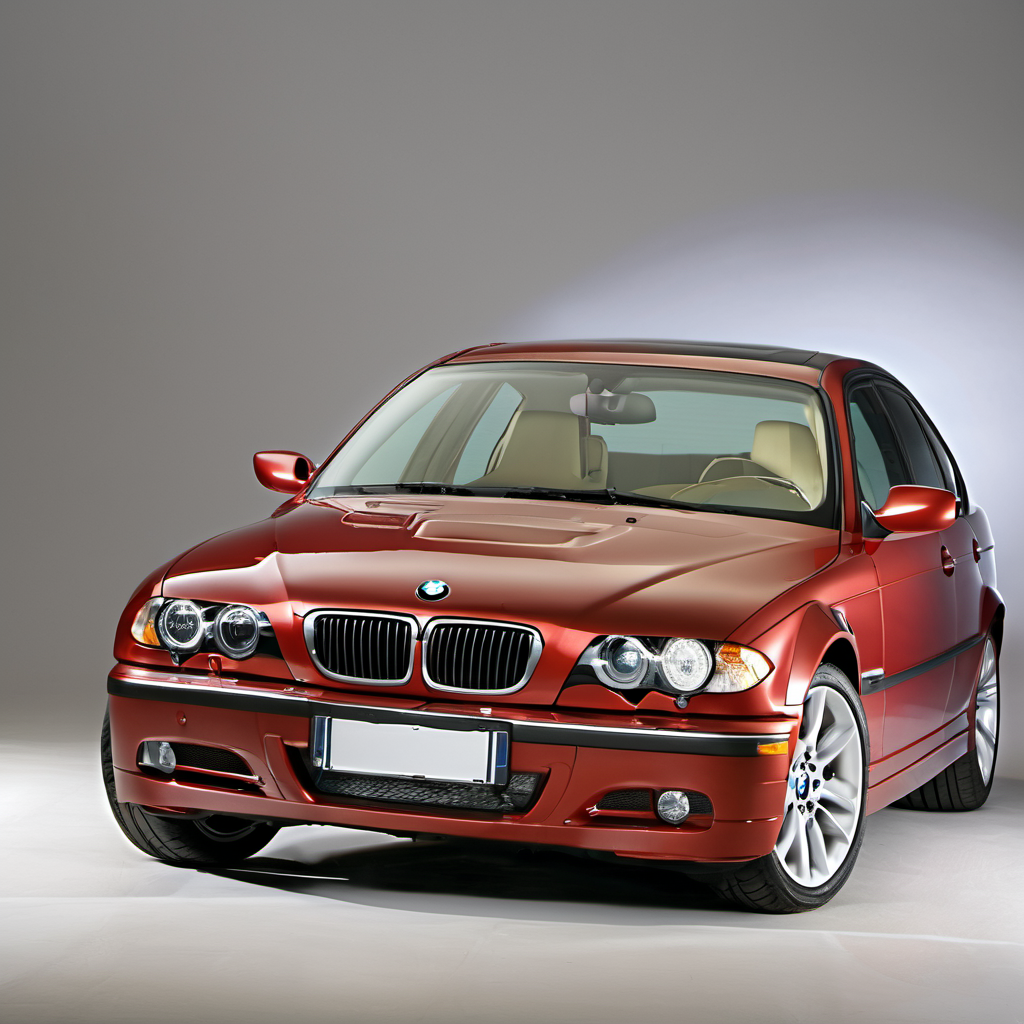
Direct competitor in the compact European convertible segment; better dealer/parts support but higher purchase and maintenance cost.
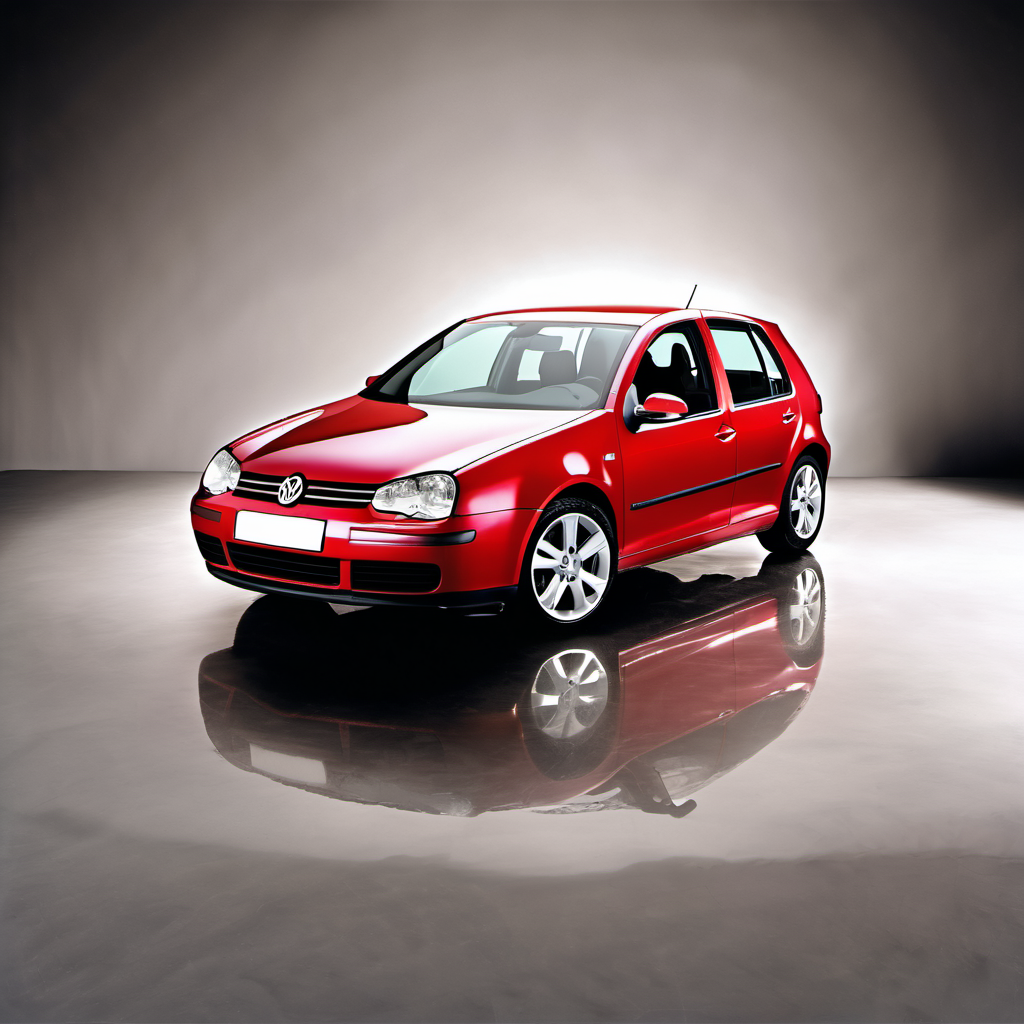
Smaller and less powerful but similarly European in character; better parts availability and a simpler drivetrain.
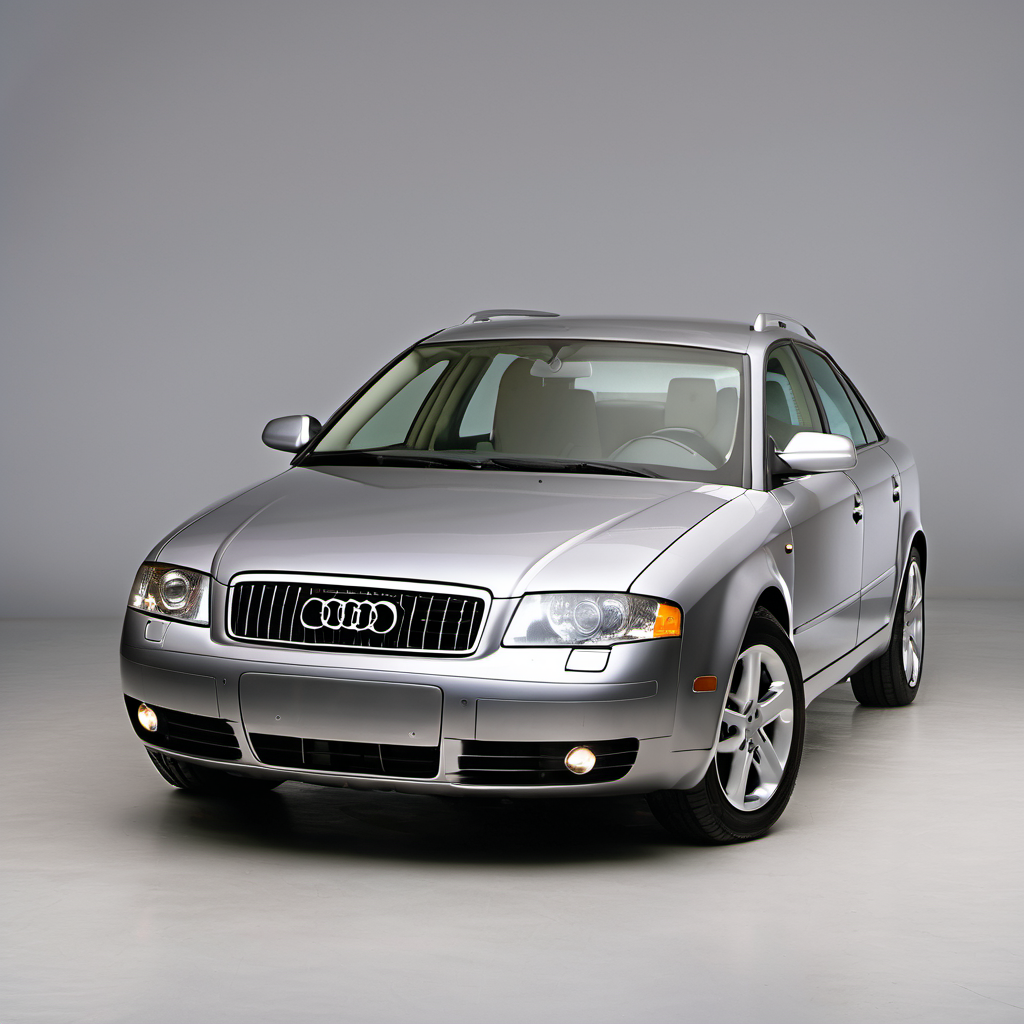
Similar turbo-four European convertible with AWD available; more brand cachet but higher repair costs and complexity.