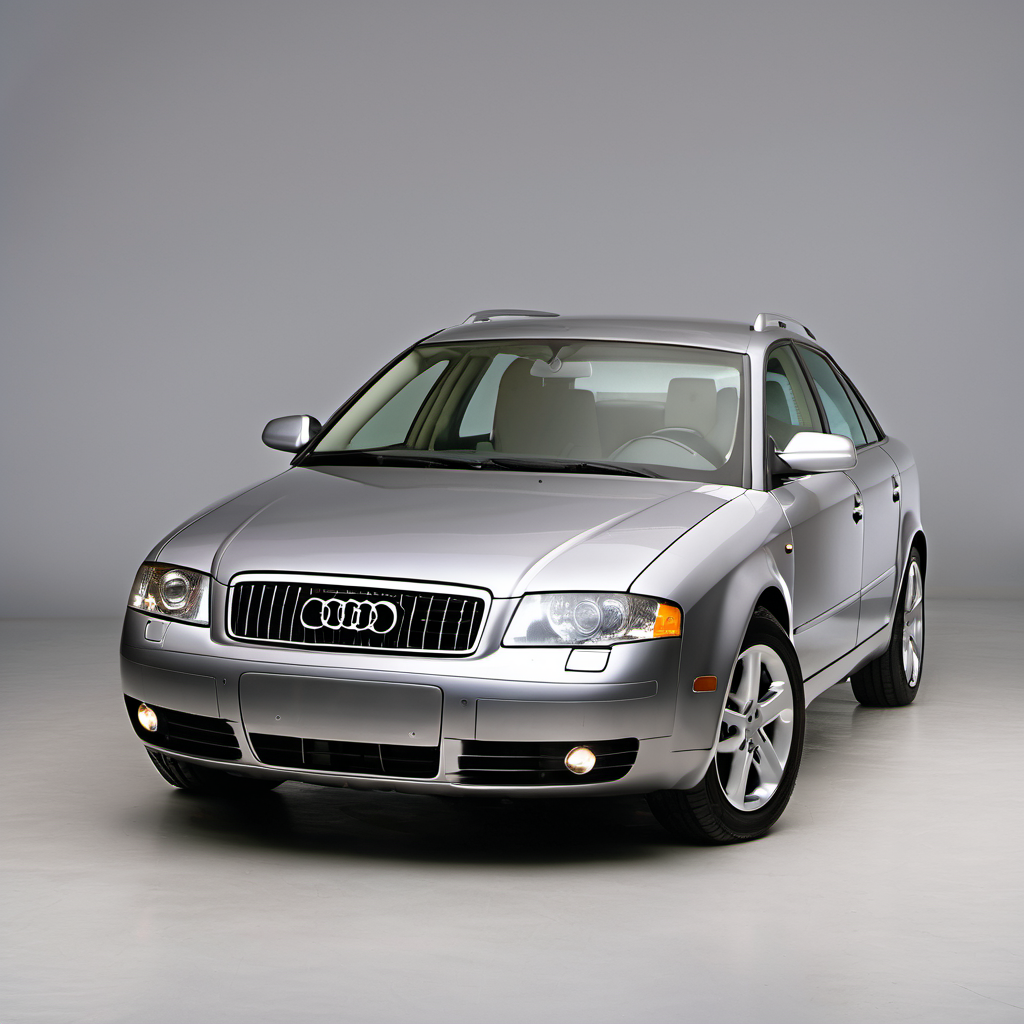
2005 Audi A4 Convertible

2005 Audi

A4Convertible

Convertible

The 2005 Audi A4 Cabriolet is a four-seat, front-wheel-drive convertible built on Audi's B6 platform. It pairs a turbocharged 1.8-liter four-cylinder with a fully automatic soft-top that opens and closes in about 30 seconds. The interior is genuinely premium for the era — good leather, solid switchgear, and a composed highway ride — and it wears its age better than most competitors from the same period. At 20 years old, this car is firmly in enthusiast-owner territory. Parts availability is still reasonable through OEM and European specialty suppliers, but labor costs are higher than a domestic convertible because Audi's engine bay is compact and access to common service items requires more teardown. Expect the unexpected on any example that hasn't been meticulously maintained. The 1.8T engine is both this car's best asset and its biggest liability. With fresh oil on schedule and a timing belt that's never overdue, it can rack up high miles. Let either slip and you're looking at a costly engine repair on a car whose resale value doesn't justify it.

Reliability
2/5
Verified data
Specs shown for A4 Cabriolet — the most common configuration. Other trims may vary in engine, drivetrain, or fuel economy. Sign in to see your vehicle's exact specs.
Engine
[object Object]
Drivetrain
FWD
Fuel
Premium gasoline
MPG
20 city / 28 hwy / 23 combined
Seats
Doors
Body
Subcompact Cars

Overview

AI-curated

The 2005 Audi A4 Cabriolet is a four-seat, front-wheel-drive convertible built on Audi's B6 platform. It pairs a turbocharged 1.8-liter four-cylinder with a fully automatic soft-top that opens and closes in about 30 seconds. The interior is genuinely premium for the era — good leather, solid switchgear, and a composed highway ride — and it wears its age better than most competitors from the same period. At 20 years old, this car is firmly in enthusiast-owner territory. Parts availability is still reasonable through OEM and European specialty suppliers, but labor costs are higher than a domestic convertible because Audi's engine bay is compact and access to common service items requires more teardown. Expect the unexpected on any example that hasn't been meticulously maintained. The 1.8T engine is both this car's best asset and its biggest liability. With fresh oil on schedule and a timing belt that's never overdue, it can rack up high miles. Let either slip and you're looking at a costly engine repair on a car whose resale value doesn't justify it.

Known for
  • Smooth-operating, fully automatic fabric soft-top
  • Punchy 1.8T turbo engine with tuning potential
  • Upscale interior materials and build quality for the price
  • Composed, European-tuned handling and ride balance
  • Strong highway fuel economy for a turbocharged convertible
Best for
  • Drivers who want a premium open-air experience on a modest budget
  • Weekend drivers and fair-weather commuters
  • Enthusiasts who enjoy DIY maintenance and want a tuner-friendly platform
  • Someone who can afford higher maintenance costs and won't deferred service
Watch for
  • Timing belt service history — skipped intervals can mean catastrophic engine failure
  • Secondary air injection pump failure (common on 1.8T; already noted in service data)
  • Soft-top hydraulic system leaks and motor wear on high-mileage examples
  • Oil sludge buildup from extended drain intervals — a known 1.8T killer
  • Cooling system component failures (plastic coolant flanges, water pump, thermostat)

Common issues by mileage

6 known

Timing Belt & Water Pump Failure

high
Typically appears
60–90k mi
Estimated repair
$800 – $1,400

Secondary Air Injection (SAI) Pump Failure

high
Typically appears
60–120k mi
Estimated repair
$400 – $900

Oil Sludge Buildup (1.8T Engine)

high
Typically appears
50–150k mi
Estimated repair
$500 – $3,000

Cooling System Failures (Plastic Coolant Flange, Thermostat, Water Pump)

high
Typically appears
70–130k mi
Estimated repair
$300 – $900

Convertible Top Hydraulic Leaks / Motor Failure

medium
Typically appears
80–150k mi
Estimated repair
$600 – $2,000

Turbocharger Bypass / Diverter Valve Failure

medium
Typically appears
60–100k mi
Estimated repair
$150 – $450

Maintenance schedule

  1. 1
    Every 5,000 miles or 6 months — do NOT stretch to OEM long-life intervals on this engine Engine oil & filter change

    The 1.8T is highly prone to oil sludge when oil is left in too long. Extended drain intervals have destroyed many of these engines. Use full synthetic 5W-40 VW 502.00-spec oil.

  2. 2
    Every 75,000 miles or 6 years, whichever comes first Timing belt, water pump, tensioner, and idler replacement

    This is an interference engine — a snapped timing belt means bent valves and likely a destroyed engine. If you can't verify the last replacement date, do it now.

  3. 3
    Every 30,000 miles or 2 years Coolant system inspection and flush

    Plastic coolant flanges and the thermostat housing are notorious failure points. Catching a small seep early is far cheaper than a roadside overheat.

  4. 4
    Every 40,000 miles Spark plug replacement

    Worn plugs on the 1.8T cause misfires that can foul the catalytic converter and stress the ignition coils — a common cascade failure on these engines.

  5. 5
    Every season; lubricate pivot points annually Inspect and exercise convertible top

    Hydraulic seals dry out with age. Checking fluid level and lubricating mechanical pivot points extends top motor life significantly.

  6. 6
    Every 2 years regardless of mileage Brake fluid flush

    Audi specifies this interval because brake fluid absorbs moisture over time, lowering the boiling point — a real concern on spirited driving or mountain grades.

  7. 7
    Every 20,000 miles or 1 year Cabin air filter replacement

    A clogged cabin filter reduces A/C and heat efficiency and can allow musty odors into the interior — especially important with a soft-top that can let in debris.

  8. 8
    Every spring and fall Inspect soft-top fabric and seals

    Cracked seals allow water intrusion that ruins interior trim and promotes mold. Wisconsin winters are especially hard on rubber seals; treat them with a silicone protectant each fall.

Always defer to the manufacturer's service manual for warranty-mandated intervals.

Cost of ownership

Annual maintenance
$1,200 – $3,000
Fuel
Premium (91+ octane) required. At 23 MPG combined and ~15,000 mi/yr, expect roughly $2,200–$2,600/yr at current upper Midwest pump prices for premium.
Insurance
Typically moderate — expect $900–$1,500/yr for a 20-year-old Audi convertible in Wisconsin for a driver with a clean record, though rates vary widely.

This car is inexpensive to buy but not inexpensive to own. Budget $1,200–$3,000 per year for routine maintenance alone on an older high-mileage example, and keep a separate reserve of $1,500–$2,500 for the unplanned repairs that are common on 20-year-old German vehicles. The convertible top mechanism, cooling system, and timing belt are the three areas most likely to generate unexpected bills.
Seasonal care

Lake Geneva, WI
Winter
  • Store or limit use during heavy-salt months — Wisconsin road salt attacks the A4's underbody, subframe, and brake lines aggressively. Rinse the undercarriage after every salt exposure.
  • Switch to a full synthetic 5W-40 oil if not already using one; cold starts in sub-zero temps are particularly hard on the 1.8T's turbo bearings.
  • Test the battery before first hard freeze. Cold cranking amps drop sharply below 0°F and this car's accessories draw is high. Replace any battery over 4 years old.
  • Use winter-rated washer fluid rated to at least -30°F — summer fluid will freeze solid in Lake Geneva winters.
  • Do NOT operate the convertible top below 40°F — hydraulic fluid thickens and the fabric becomes brittle; forcing the top in the cold cracks seals and damages the mechanism.
  • If storing the car for winter, use a breathable indoor cover, keep a battery tender connected, and place a desiccant inside to prevent interior mildew under the soft top.
Summer
  • Check tire pressure monthly — heat causes pressure to rise 4–6 PSI, which affects handling on a car already tuned for a specific tire contact patch.
  • Run the A/C system at least once a week even if you're driving topless — keeps seals lubricated and prevents refrigerant loss from dried-out compressor seals.
  • Inspect and clean the soft-top drain tubes (front corners and rear) before summer rain season — clogged drains flood the interior and destroy carpets.
  • Monitor coolant temperature closely during hot highway drives; the plastic cooling system components on this car are most likely to fail under sustained heat load.
  • Condition the convertible top fabric with an appropriate soft-top protectant to prevent UV cracking and fading — Wisconsin summers can be surprisingly intense on fabric.

Comparable vehicles

If you're shopping for one

Red flags
  • No timing belt records — walk away or demand the service be done before purchase and deduct the full cost from the offer price.
  • Convertible top that hesitates, stops mid-cycle, or has visible rips or water stains in the headliner.
  • Any visible oil sludge inside the valve cover or oil filler cap.
  • Rust perforation on the rear wheel arches or subframe — structurally significant and extremely expensive to repair properly.
  • Cracked coolant expansion tank or evidence of recent coolant top-offs without a proper flush (indicates ongoing leak).
  • Check engine light that the seller claims is 'just the oxygen sensor' — on this car it's often a symptom of a deeper issue.
What to inspect
  • Request documentation for every timing belt replacement — this is a non-negotiable dealbreaker item if records don't exist.
  • Check oil cap and dipstick tube for thick, mayonnaise-like sludge; any sign of it indicates neglected oil changes and potentially serious internal engine damage.
  • Cycle the convertible top at least 3 full open-and-close cycles during inspection; listen for hesitation, motor strain, or hydraulic whining.
  • Inspect all four top seals (front header, rear quarters, and trunk seal) for cracking or separation — replacements are expensive and water intrusion causes hidden rot.
  • Check the drain tubes at the base of the A-pillars — pop the carpet back if possible and look for water staining or mildew on the floor.
  • Inspect the undercarriage for rust on the subframe, brake lines, and fuel lines — Wisconsin/upper Midwest cars are particularly suspect.
  • Look at the coolant expansion tank for discoloration or oil contamination, which can indicate head gasket seepage.
  • Verify the secondary air injection pump has been serviced or replaced — the OEM part numbers are already documented in this car's service records.
AI profile generated 11 days ago · claude-sonnet-4-6 · v2.