Timing belt and tensioner failure
high- Typically appears
- 60–105k mi (and every 75–80k thereafter)
- Estimated repair
- $700 – $1,100
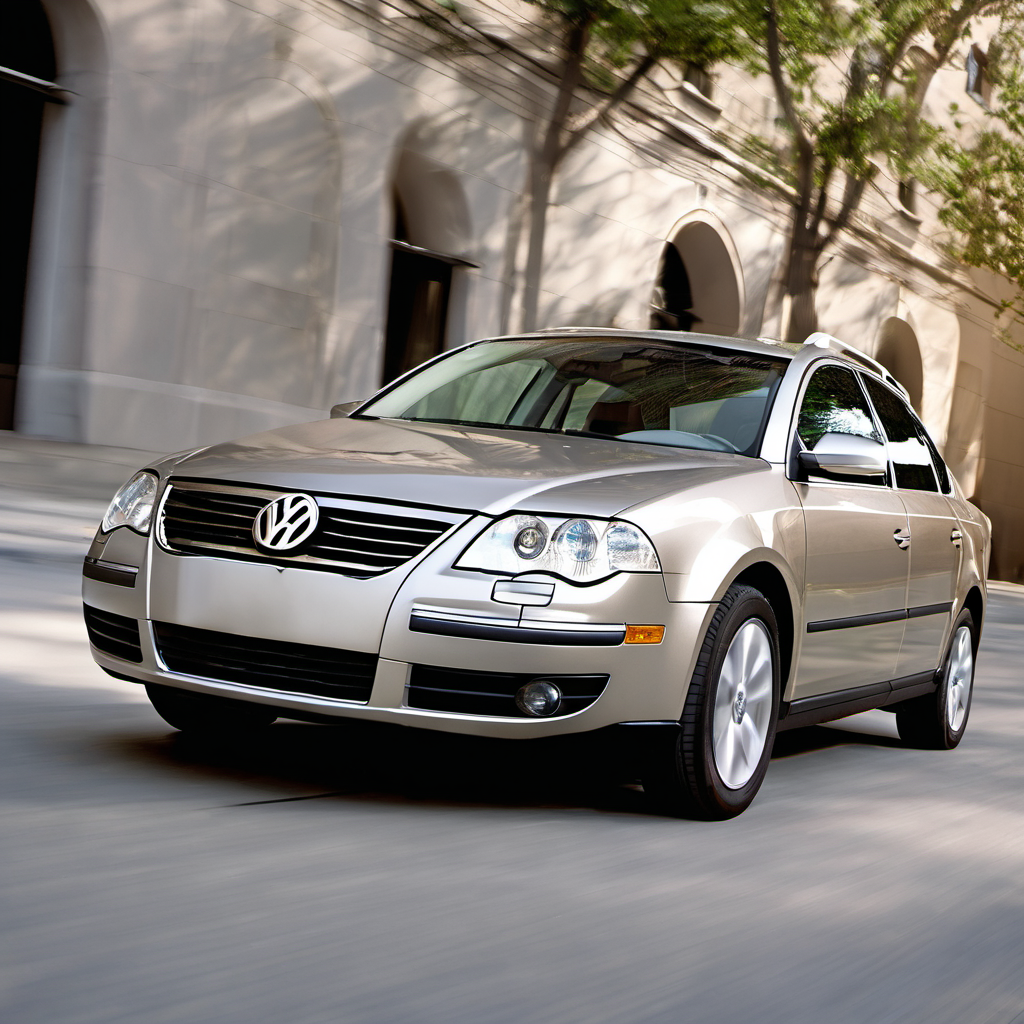
2005 Volkswagen
Sedan
The 2005 Volkswagen Passat Sedan is a mid-size European-influenced family car that earned a loyal following for its composed ride, upscale interior, and available all-wheel drive (4MOTION) — rare at this price point in 2005. The B5.5 generation (2001–2005) brought refined styling and a well-rounded feature set, but it also came with a reputation for above-average repair costs and electronics complexity that outpaces most domestic competitors. The 1.8T engine paired with AWD is arguably the most capable everyday combination in the lineup — the turbocharged four provides brisk acceleration and the 4MOTION system makes it genuinely competent in Wisconsin winters. However, both the turbo engine and the AWD system add maintenance complexity that owners need to budget for honestly. At 20 years old, this Passat lives or dies by its maintenance history. Well-kept examples are satisfying, practical sedans. Neglected ones can become money pits quickly. Before buying or budgeting major repairs, a full pre-purchase inspection is money well spent.
The 2005 Volkswagen Passat Sedan is a mid-size European-influenced family car that earned a loyal following for its composed ride, upscale interior, and available all-wheel drive (4MOTION) — rare at this price point in 2005. The B5.5 generation (2001–2005) brought refined styling and a well-rounded feature set, but it also came with a reputation for above-average repair costs and electronics complexity that outpaces most domestic competitors. The 1.8T engine paired with AWD is arguably the most capable everyday combination in the lineup — the turbocharged four provides brisk acceleration and the 4MOTION system makes it genuinely competent in Wisconsin winters. However, both the turbo engine and the AWD system add maintenance complexity that owners need to budget for honestly. At 20 years old, this Passat lives or dies by its maintenance history. Well-kept examples are satisfying, practical sedans. Neglected ones can become money pits quickly. Before buying or budgeting major repairs, a full pre-purchase inspection is money well spent.
The 1.8T's sludge problem is directly tied to long oil change intervals. Using the correct full-synthetic oil spec (VW 502.00) and keeping intervals short is the single most effective thing you can do to extend engine life.
This is an interference engine. A broken belt equals a destroyed engine. At 20 years old, if you cannot verify the last replacement date with a receipt, replace it now regardless of mileage.
The Haldex coupling uses its own dedicated fluid. Skipping this service causes the clutch pack inside to burn out, leading to AWD failure. This is the most commonly skipped service on 4MOTION Passats.
Worn plugs increase misfire risk and add combustion stress to the turbo system. Use only the OEM-specified plug — incorrect heat range on a turbo engine causes knock and damage.
The 1.8T runs hot and the cooling system is a known wear point on this generation. Inspect the plastic thermostat housing for cracks — it is a common failure point on aged examples.
Wisconsin's winter salt and spring pollen clog filters faster than in dry climates. A clogged engine air filter reduces turbo efficiency and increases fuel consumption.
VW specifies brake fluid replacement on a time basis regardless of mileage. Moisture-laden brake fluid lowers boiling point — a safety concern especially in Wisconsin's freeze-thaw cycles.
Lake Geneva roads are heavily salted. Multi-link rear suspension components, subframe mounting points, and brake lines are all corrosion-prone. Catching rust early is far cheaper than replacing failed suspension arms or brake lines.
Always defer to the manufacturer's service manual for warranty-mandated intervals.
This Passat costs more to maintain than a comparable Toyota Camry or Honda Accord of the same age. The 1.8T turbo, AWD system, and European parts pricing all contribute. A year with only routine maintenance (oil changes, filters, fluids) lands at the low end. A year that catches up on deferred work — timing belt, Haldex service, sensors — can easily exceed $2,000. Budget generously; surprises on a 20-year-old VW are common.
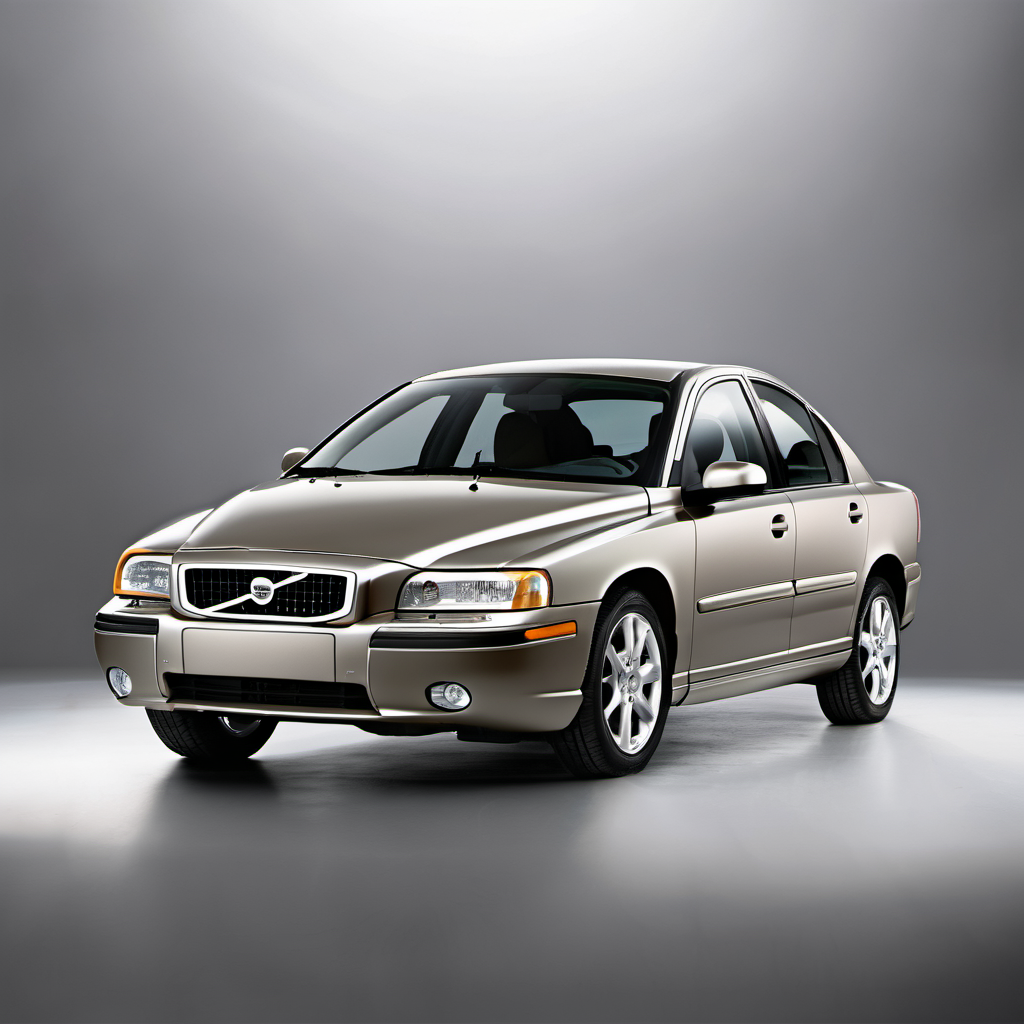
AWD European sedan at a similar original price point. Also turbocharged and known for higher maintenance costs, but with a stronger safety reputation and similar real-world ownership experience.
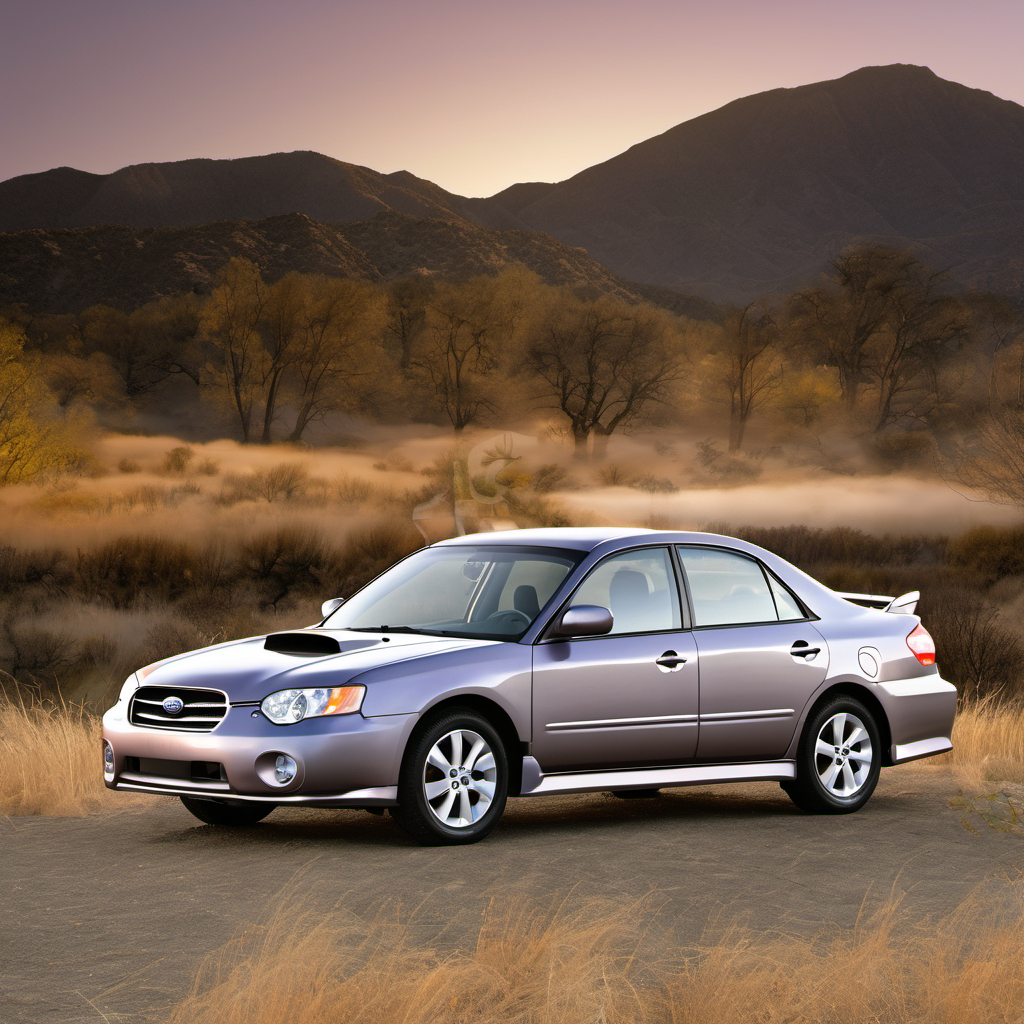
AWD family sedan at the same price tier, considerably simpler to maintain, better parts availability, and a stronger reliability track record — the practical alternative to the Passat AWD.
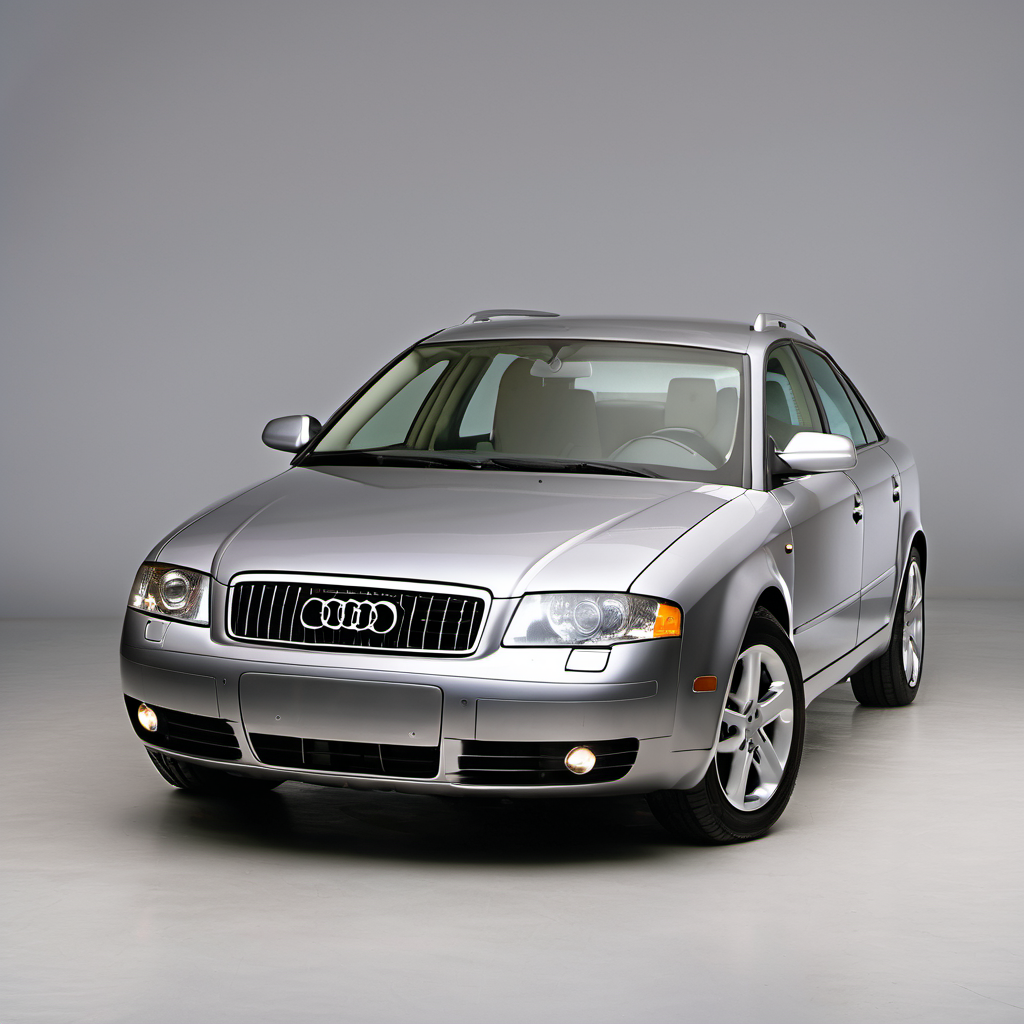
Shares the same VW Group platform, 1.8T engine, and Haldex AWD. Very similar ownership experience and cost profile — choose based on body style preference, not expecting one to be cheaper than the other.
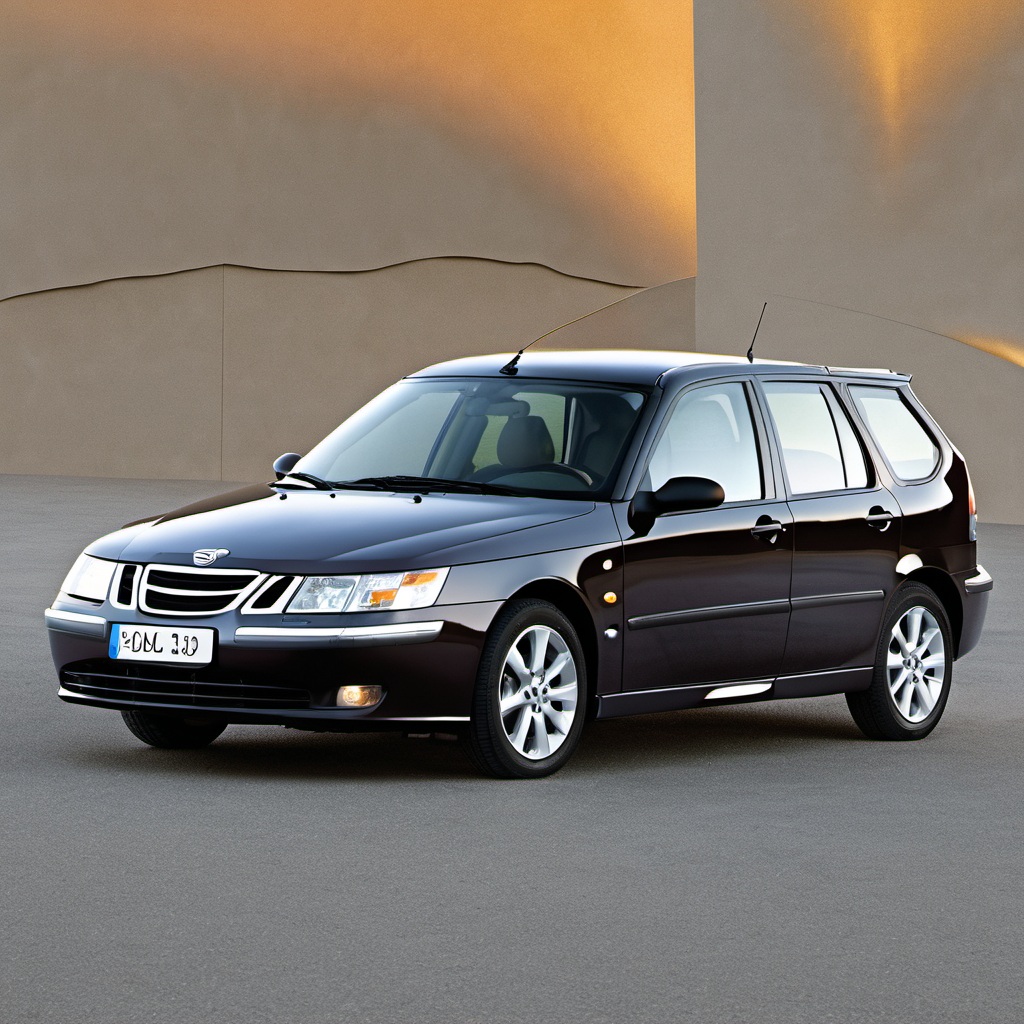
European turbocharged sedan in the same segment and price range. Also has above-average repair costs but offers similar driving refinement for buyers drawn to the Passat's character.