Engine Oil Sludge (1.8T)
high- Typically appears
- 60–150k mi
- Estimated repair
- $800 – $4,500
/2005_Volkswagen_Jetta_(New)_91052e72_00001_.png)
2005 Volkswagen
Sedan
The 2005 Volkswagen Jetta is a fourth-generation (MkIV) compact sedan that earned a loyal following for its solid, upscale-feeling interior and composed European driving dynamics. Powered here by the turbocharged 1.8T four-cylinder, it delivers more punch than most competitors in its class while still returning reasonable fuel economy. By 2005 the MkIV platform had been on sale long enough that its known trouble spots were well documented, and the 1.8T in particular has a reputation for being either very rewarding or very expensive depending on how well the previous owner maintained it — specifically oil changes. This generation Jetta sits in an interesting spot for a used buy: the bones are good, the driving feel is genuinely enjoyable, and parts are widely available. But deferred maintenance on the 1.8T engine — particularly infrequent oil changes — leads to sludge buildup that can destroy the engine from the inside. A used example demands a thorough pre-purchase inspection and full maintenance history review before any money changes hands. In Lake Geneva winters, FWD and decent ground clearance handle most conditions, but the 1.8T can be temperamental in sub-zero cold starts if the oil is old or the battery is weak. Budget for above-average maintenance costs compared to Japanese compact sedans of the same era.
The 2005 Volkswagen Jetta is a fourth-generation (MkIV) compact sedan that earned a loyal following for its solid, upscale-feeling interior and composed European driving dynamics. Powered here by the turbocharged 1.8T four-cylinder, it delivers more punch than most competitors in its class while still returning reasonable fuel economy. By 2005 the MkIV platform had been on sale long enough that its known trouble spots were well documented, and the 1.8T in particular has a reputation for being either very rewarding or very expensive depending on how well the previous owner maintained it — specifically oil changes. This generation Jetta sits in an interesting spot for a used buy: the bones are good, the driving feel is genuinely enjoyable, and parts are widely available. But deferred maintenance on the 1.8T engine — particularly infrequent oil changes — leads to sludge buildup that can destroy the engine from the inside. A used example demands a thorough pre-purchase inspection and full maintenance history review before any money changes hands. In Lake Geneva winters, FWD and decent ground clearance handle most conditions, but the 1.8T can be temperamental in sub-zero cold starts if the oil is old or the battery is weak. Budget for above-average maintenance costs compared to Japanese compact sedans of the same era.
The 1.8T's oil sludge problem is almost entirely driven by infrequent oil changes. Use a VW-approved full synthetic meeting VW 502.00 spec. This is the single most important thing you can do for this engine.
An interference engine means belt failure equals engine destruction. At this vehicle's age, bundling the water pump and thermostat saves significant labor costs since the system is already disassembled.
VW G12/G13 coolant degrades and becomes acidic, accelerating plastic and rubber component wear — exactly what causes the water pump and thermostat failures this engine is known for.
Worn plugs put added stress on the coil packs, which are already a high-failure item on this engine. Fresh plugs and coils together eliminate most misfire causes.
VW specifies a 2-year brake fluid interval. Moisture-contaminated fluid lowers boiling point and accelerates corrosion in ABS components — a real concern in Wisconsin's road salt environment.
Blocked drains route water into the cabin. In Wisconsin, this water can freeze inside door seals and floor channels, damaging wiring and causing persistent rust from the inside out.
Often skipped but important for blower motor longevity and defrost effectiveness — both critical for Wisconsin winter driving.
Wisconsin road salt accelerates boot cracking and ball joint/tie rod wear. Catching a torn CV boot early avoids a full axle replacement.
Always defer to the manufacturer's service manual for warranty-mandated intervals.
The 2005 Jetta 1.8T costs more to maintain annually than a comparable Toyota Corolla or Honda Civic from the same era. Parts are not exotic but labor is higher because VW uses specialty fasteners and requires specific fluids. A well-maintained car stays in the $800–$1,200/year range; a neglected one can easily hit $3,000+ in a single year catching up on deferred work. Budget a timing belt service ($500–$1,100) if it cannot be documented as recently done.
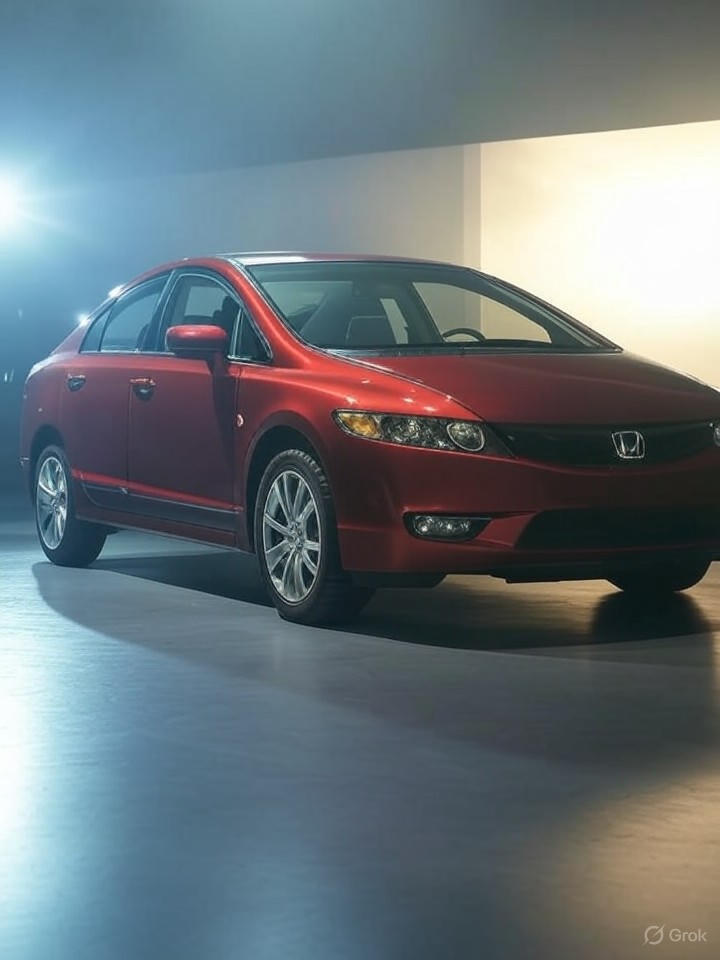
Same compact sedan segment, lower ownership cost, more reliable powertrain, and easier to find well-maintained used examples. Lacks the VW's premium feel but wins on long-term dependability.
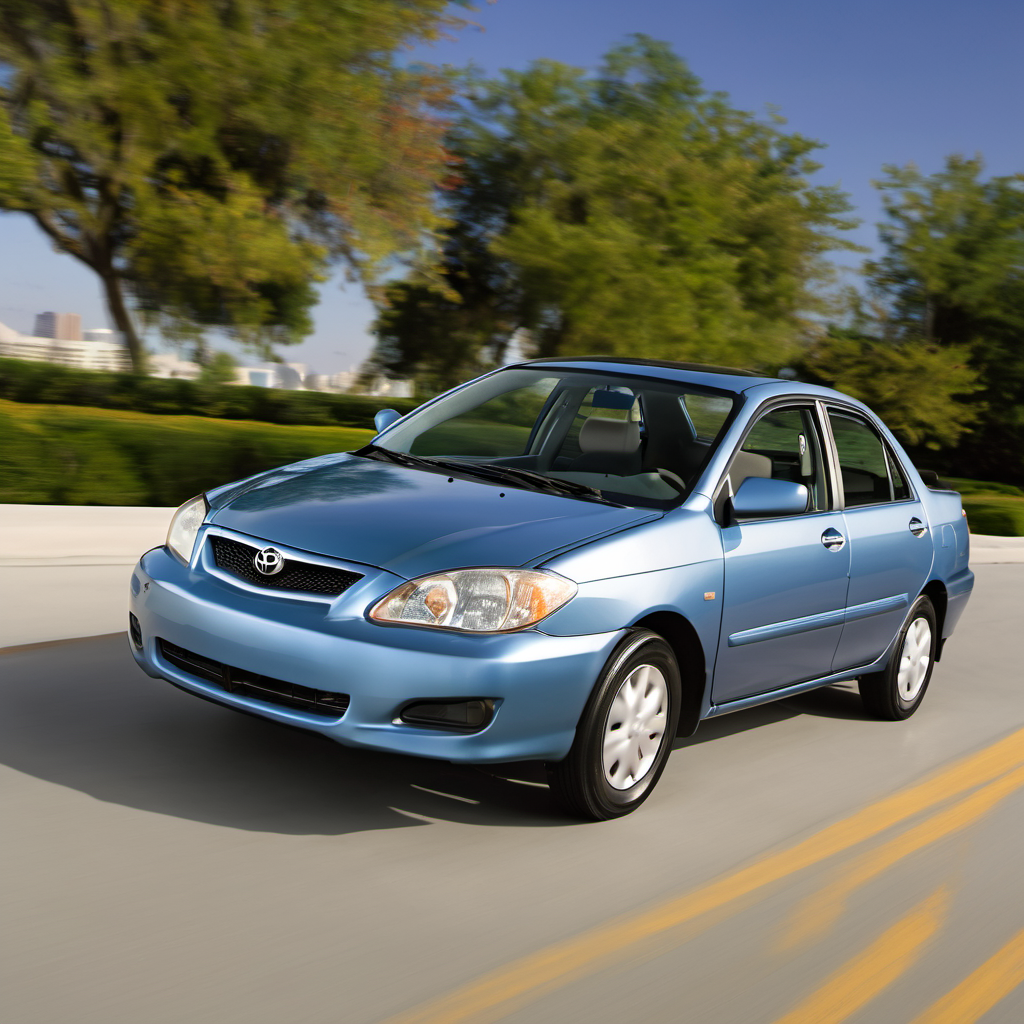
Benchmark for compact sedan reliability. More basic interior than the Jetta but significantly lower maintenance costs and fewer known failure points at high mileage.
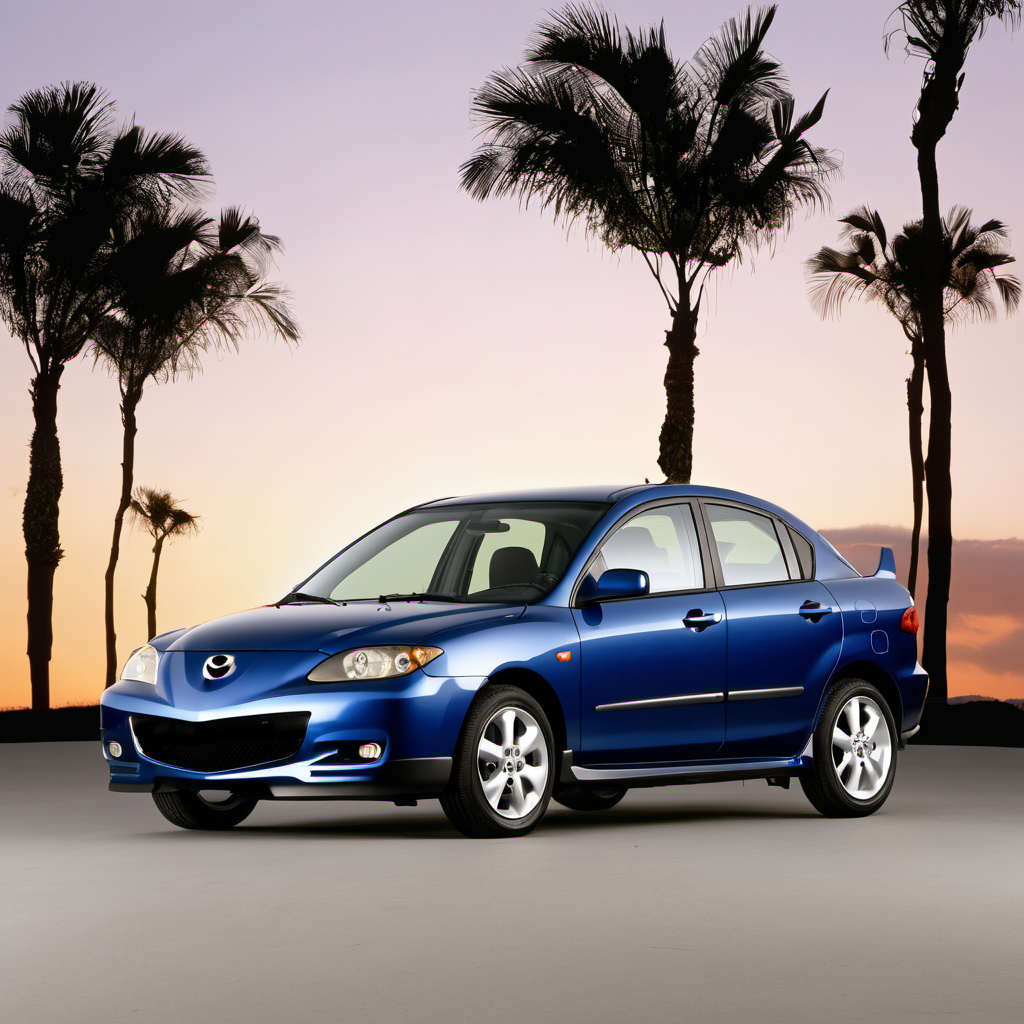
Closest match to the Jetta's fun-to-drive character with better reliability. The 2.3L engine is far less finicky than the 1.8T and handles Wisconsin winters well.
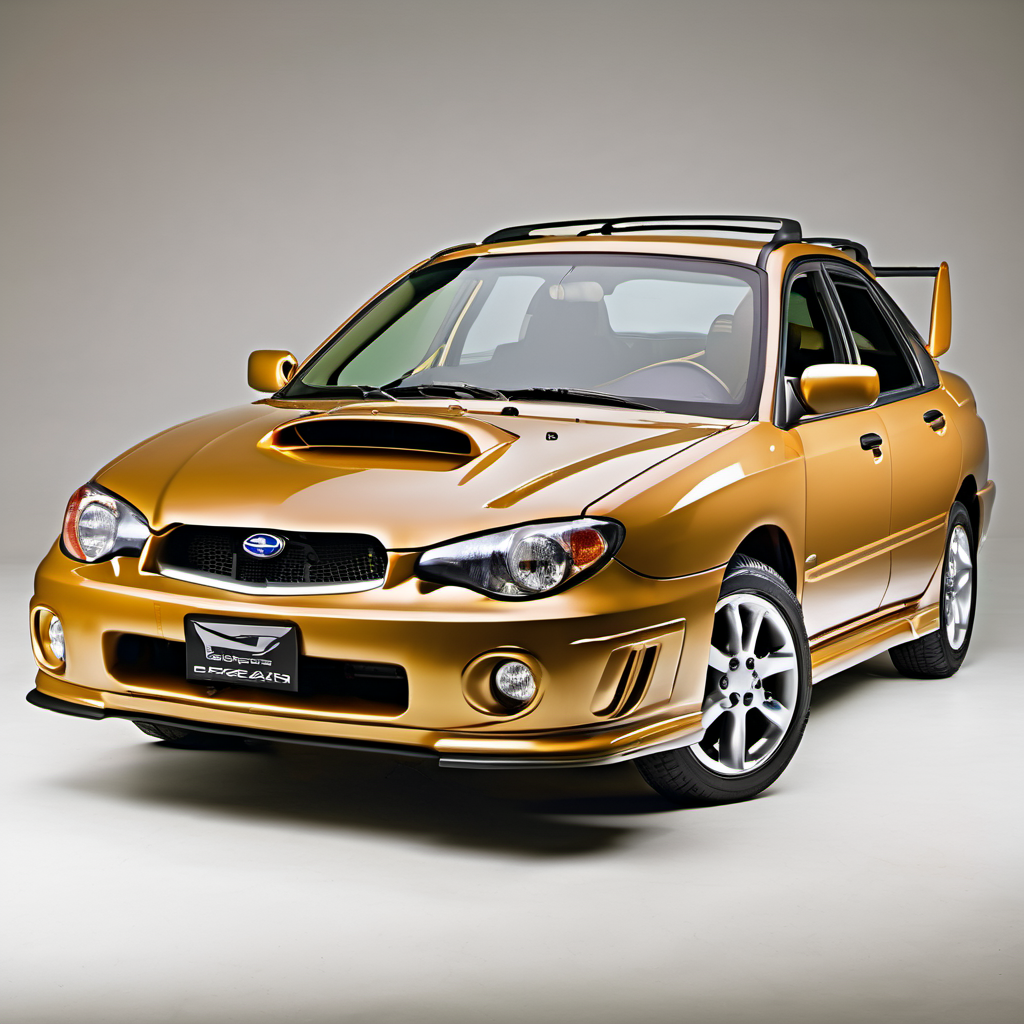
AWD makes it a stronger choice for Lake Geneva winters. Similar size and price bracket, though head gasket issues on the EJ engine require similar scrutiny to the Jetta's sludge problem.