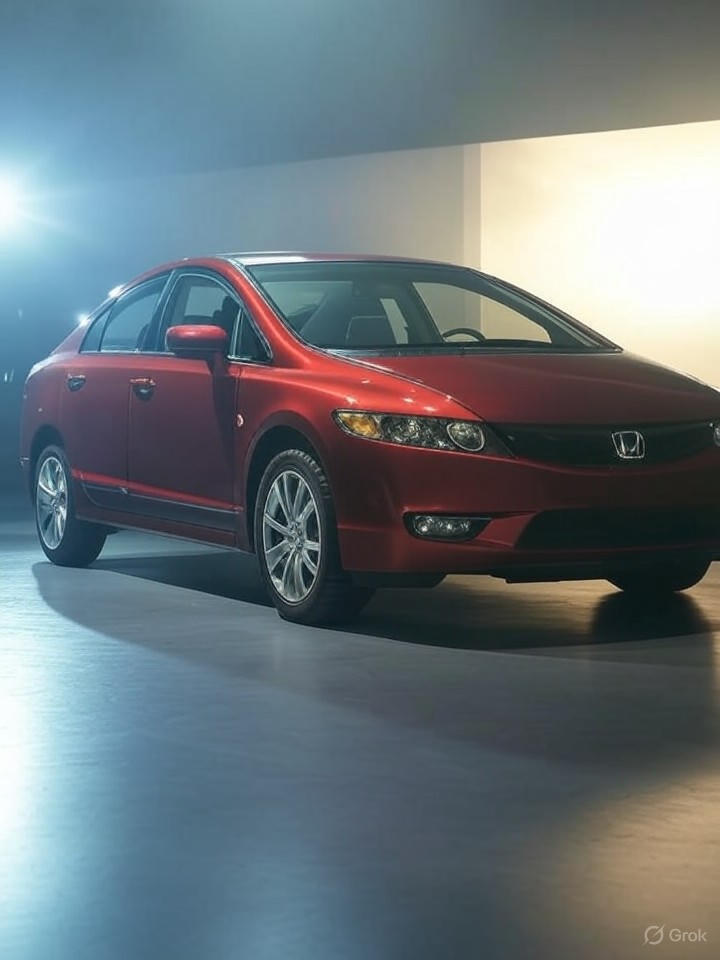
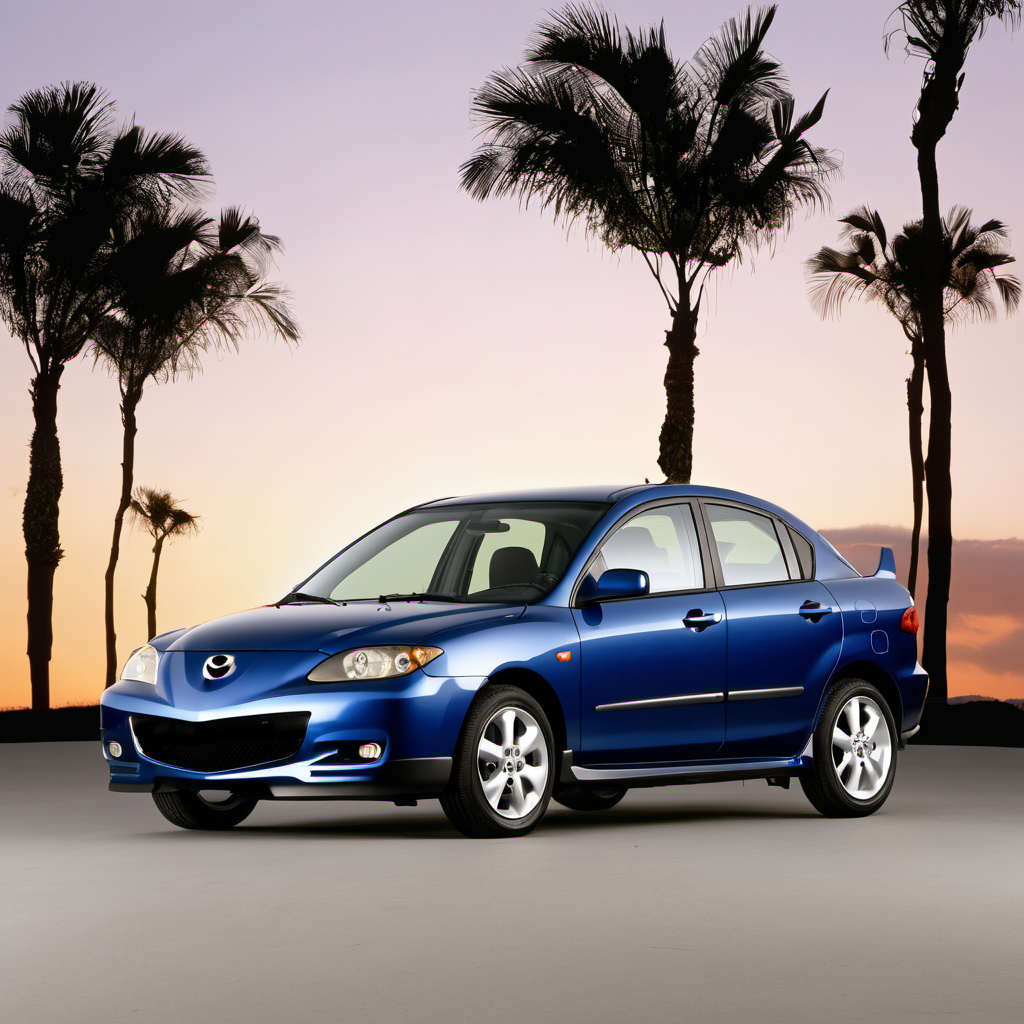
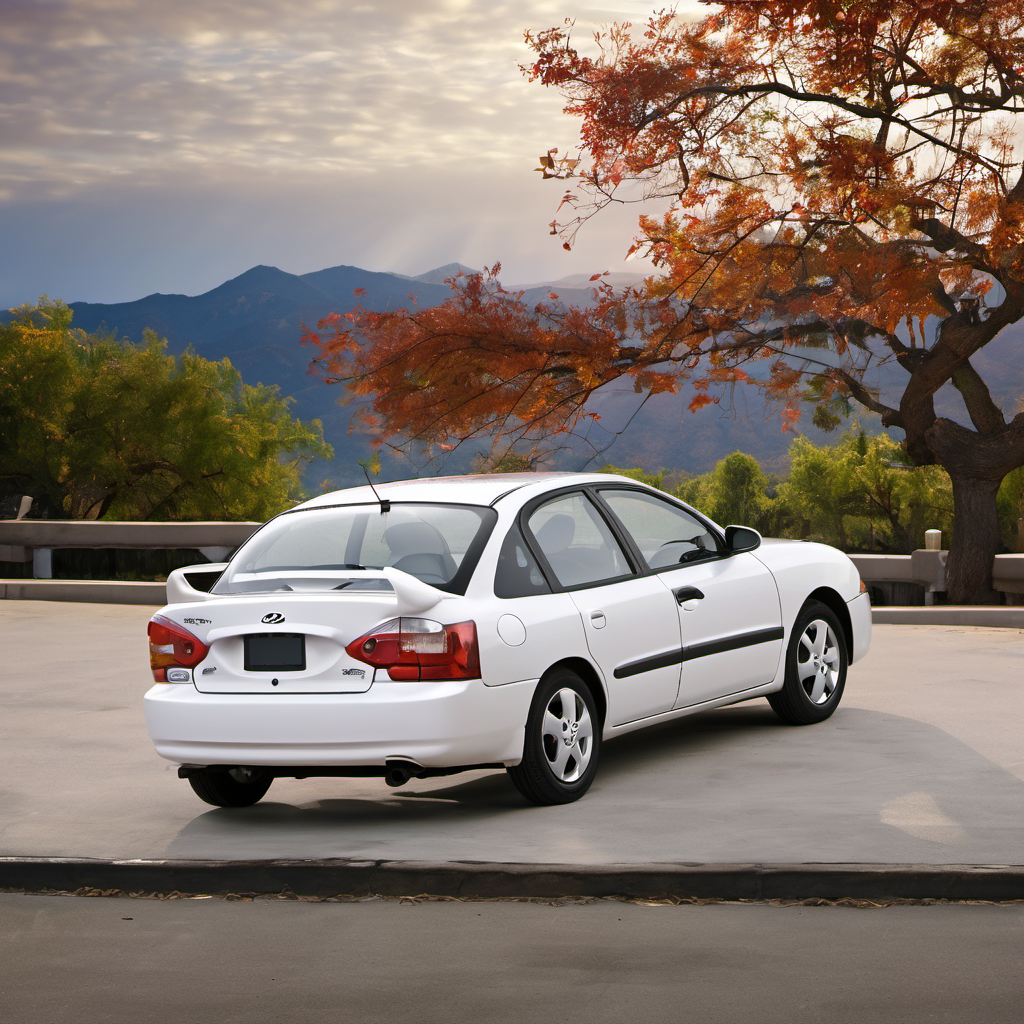
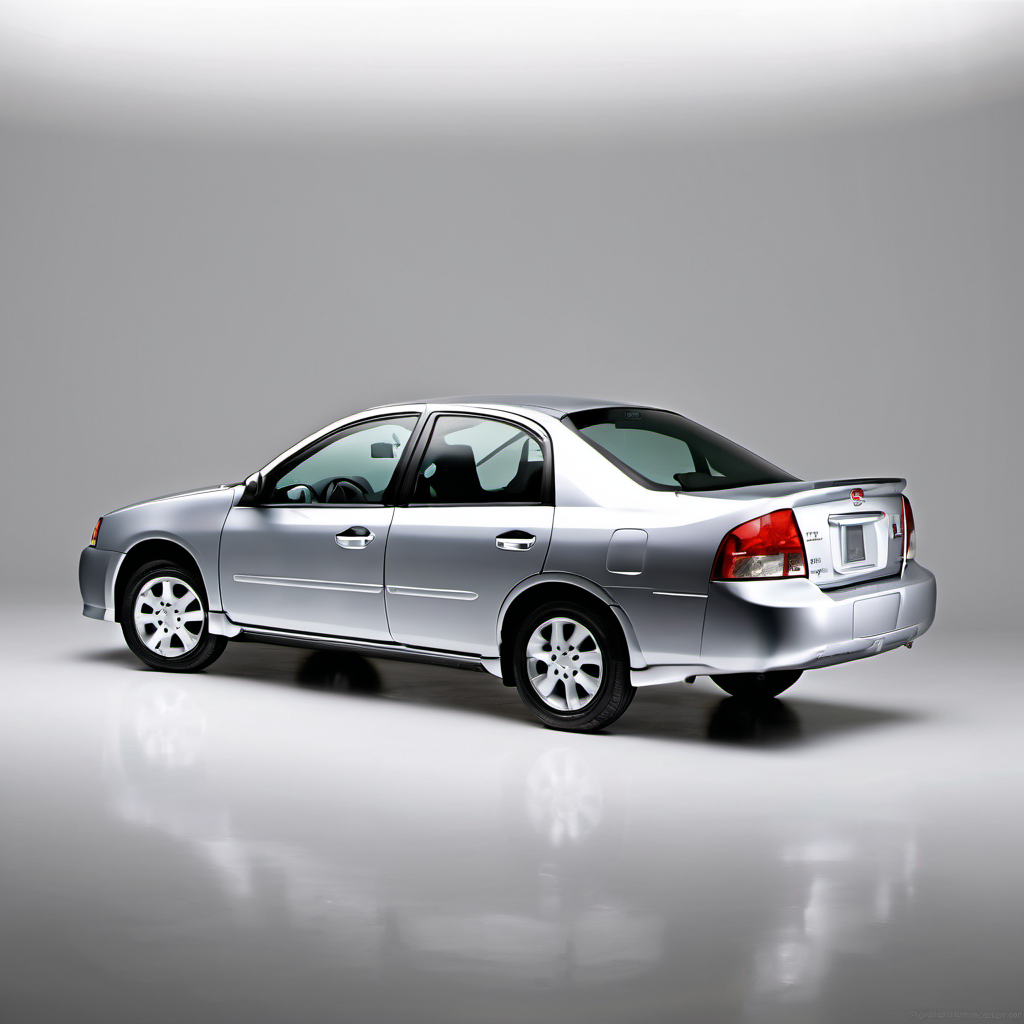
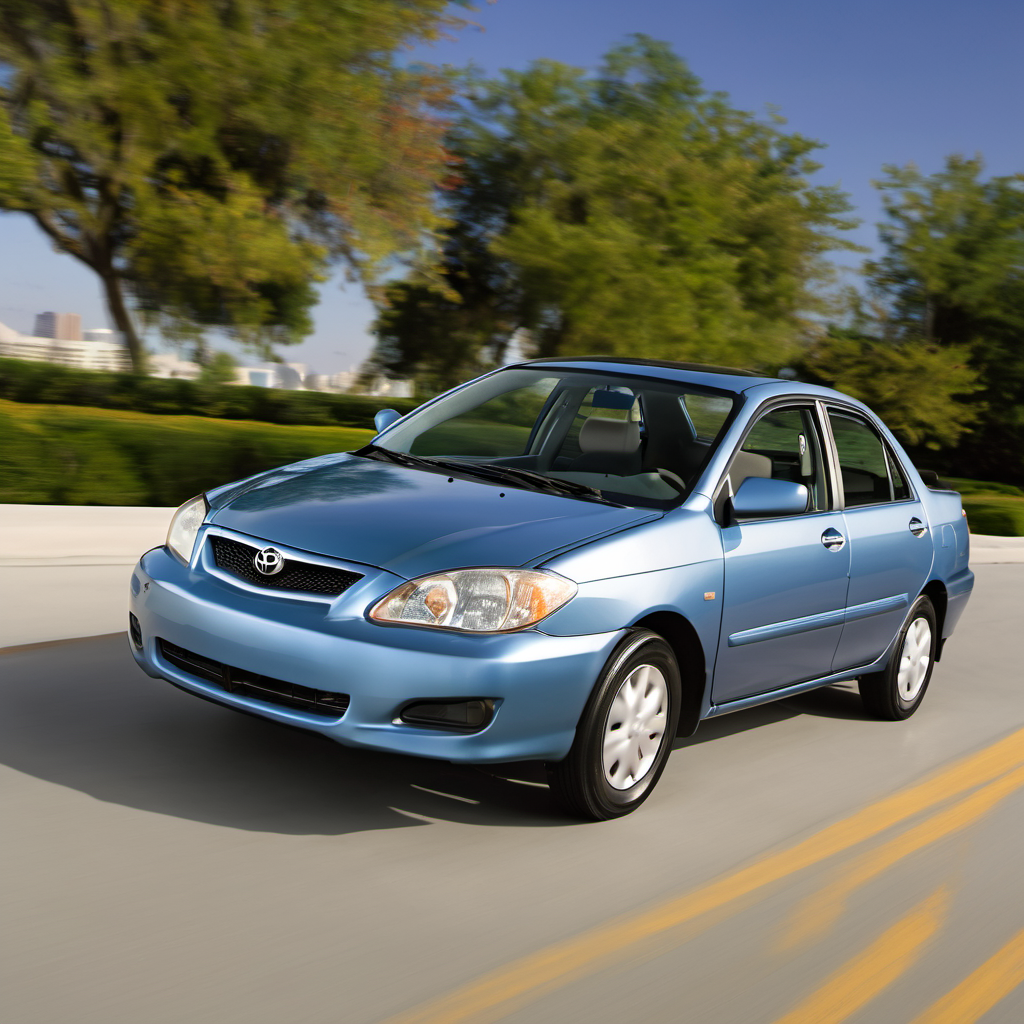
2005 Honda Civic Coupe

2005 Honda

CivicCoupe

Coupe

The 2005 Honda Civic Coupe is part of the seventh-generation Civic (2001–2005), one of Honda's most trusted and longest-running compact lineups. It's a two-door, front-wheel-drive coupe powered by a 1.7L four-cylinder engine, offered in several trims from the value-focused DX to the sportier EX with a sunroof and ABS. At 20 years old, well-maintained examples are still common and can easily push past 200,000 miles with routine care. This generation is praised for its simplicity — no turbochargers, no complex dual-clutch, no variable valve timing headaches on most trims. The D17 engine family is durable and straightforward to service at an independent shop. Fuel economy remains competitive even by today's standards. Buyers in the Lake Geneva area should be aware that Wisconsin road salt is the biggest long-term threat to these cars. Underbody rust on brake lines, fuel lines, and subframe mounting points is the primary concern on any 7th-gen Civic with Midwest history. That said, a clean, rust-free example is still a genuinely reliable daily driver.

Reliability
4/5
Verified data
Specs shown for Civic — the most common configuration. Other trims may vary in engine, drivetrain, or fuel economy. Sign in to see your vehicle's exact specs.
Engine
[object Object]
Drivetrain
FWD
Fuel
Gasoline
MPG
29 city / 36 hwy / 32 combined
Seats
Doors
Body
Compact Cars

Overview

AI-curated

The 2005 Honda Civic Coupe is part of the seventh-generation Civic (2001–2005), one of Honda's most trusted and longest-running compact lineups. It's a two-door, front-wheel-drive coupe powered by a 1.7L four-cylinder engine, offered in several trims from the value-focused DX to the sportier EX with a sunroof and ABS. At 20 years old, well-maintained examples are still common and can easily push past 200,000 miles with routine care. This generation is praised for its simplicity — no turbochargers, no complex dual-clutch, no variable valve timing headaches on most trims. The D17 engine family is durable and straightforward to service at an independent shop. Fuel economy remains competitive even by today's standards. Buyers in the Lake Geneva area should be aware that Wisconsin road salt is the biggest long-term threat to these cars. Underbody rust on brake lines, fuel lines, and subframe mounting points is the primary concern on any 7th-gen Civic with Midwest history. That said, a clean, rust-free example is still a genuinely reliable daily driver.

Known for
  • Exceptional long-term reliability and low running costs
  • Simple, durable D17 four-cylinder engine easy to maintain
  • Outstanding fuel economy for its era
  • Wide availability of affordable parts
  • Strong resale retention compared to competitors
Best for
  • Budget-conscious daily commuters
  • First-time car owners or young drivers
  • High-mileage commuters who want low fuel costs
  • DIY mechanics who want an approachable platform
Watch for
  • Underbody rust on brake and fuel lines from Midwest road salt
  • Automatic transmission hesitation and premature failure on high-mileage examples
  • Worn engine mounts causing excessive vibration
  • Oxygen sensor failures triggering check engine lights
  • Age-related cooling system degradation (radiator cracks, hose brittleness)

Common issues by mileage

6 known

Automatic Transmission Slipping / Shudder

high
Typically appears
100k–160k mi
Estimated repair
$1,800 – $3,500

Oxygen Sensor Failure (upstream or downstream)

high
Typically appears
80k–150k mi
Estimated repair
$150 – $350

Engine Mount Wear / Excessive Vibration

high
Typically appears
80k–140k mi
Estimated repair
$200 – $500

Brake and Fuel Line Rust (Midwest / Salt Belt)

high
Typically appears
Any mileage on salted-road cars
Estimated repair
$400 – $1,400

Radiator Cracking / Coolant Leak

medium
Typically appears
100k–180k mi
Estimated repair
$250 – $550

Power Window Regulator Failure

medium
Typically appears
80k–150k mi
Estimated repair
$150 – $300

Maintenance schedule

  1. 1
    Every 5,000 miles or 6 months Engine oil and filter change

    The D17 engine is oil-sensitive. Stretching changes beyond 5k on a 20-year-old engine accelerates sludge buildup and seal wear. Use 5W-20 as Honda specifies.

  2. 2
    Every 30,000 miles Automatic transmission fluid change

    Honda's 4-speed automatic is the weakest point on this car. Fresh Honda ATF (use Honda-genuine or compatible spec) at regular intervals is the single best way to extend transmission life. Never skip this.

  3. 3
    Every 5 years or 60,000 miles Coolant flush and refill

    The original Honda Blue coolant has a long service life, but on a 20-year-old car the cooling system should be inspected and flushed. Old coolant becomes acidic and attacks the aluminum head and plastic radiator tanks.

  4. 4
    Every 90,000 miles or 7 years — confirm if already done Timing belt and water pump replacement

    The D17 is an interference engine. A broken timing belt causes severe engine damage. At 20 years old, verify the last replacement date. If unknown, replace it now regardless of mileage.

  5. 5
    Every 30,000 miles (copper) or 60,000 miles (iridium) Spark plugs

    Worn plugs reduce fuel economy and cause rough idle. Honda specified NGK or Denso plugs — stick to OEM spec type.

  6. 6
    Every 2–3 years Brake fluid flush

    Brake fluid is hygroscopic and absorbs moisture over time, lowering boiling point and corroding caliper internals. Especially important in Wisconsin where moisture and temperature swings are severe.

  7. 7
    Every spring after winter Underbody rust inspection

    Lake Geneva road salt is aggressive. Inspect brake lines, fuel lines, subframe mounting points, and rocker panels every spring. Catch soft lines early before they become a safety failure.

  8. 8
    Every fall before winter Battery test

    The stock battery is only asked to start a 1.7L four-cylinder, but cold Wisconsin winters (-10°F is not unusual) cut battery capacity dramatically. Any battery over 4 years old should be load-tested before November.

Always defer to the manufacturer's service manual for warranty-mandated intervals.

Cost of ownership

Annual maintenance
$400 – $900
Fuel
At 32 MPG combined and ~15,000 miles/year, expect roughly $1,500–$1,800/year at $3.20–$3.80/gallon. One of the most fuel-efficient options in its class.
Insurance
Typically low — compact coupes with no sport or turbo trim flag well with insurers. Expect $900–$1,400/year for a typical adult driver in the Lake Geneva area, varying by driving record.

This is one of the cheapest cars to own in its class, full stop. Parts are abundant and inexpensive, independent shops know the platform well, and fuel costs are low. The main budget risk on a 20-year-old example is deferred maintenance catching up — especially timing belt, transmission fluid, and rust remediation. Budget $600–$900/year for routine upkeep on a well-maintained car; more if you're catching up on neglected items.
Seasonal care

Lake Geneva, WI
Winter
  • Load-test the battery every October — cold starts at sub-zero temps will expose any weak battery immediately
  • Switch to a winter washer fluid rated for -30°F or lower; Lake Geneva temps regularly drop well below -20°F wind chill
  • Inspect brake lines and fuel lines each fall for rust-through from salt exposure — a critical safety check on any 20-year-old Midwest car
  • Use 5W-20 full synthetic oil in winter for easier cold starts and faster oil pressure buildup at startup
  • Install proper winter tires — the Civic's FWD helps in snow but all-seasons on ice are a liability; good winter tires transform this car's cold-weather safety
  • Keep the gas tank at least half full through winter to reduce condensation in the fuel system and add weight over the front axle
Summer
  • Check tire pressure monthly — ambient temps rising 30°F from winter can add 4–6 PSI, pushing tires over spec
  • Inspect the A/C system for refrigerant level and compressor clutch operation; these systems lose charge gradually over 20 years
  • Check coolant level and condition before summer heat — a marginal radiator that gets by in winter can overheat in stop-and-go summer traffic
  • Inspect serpentine belt and tensioner for cracking — heat accelerates rubber degradation on aging belts
  • Check transmission fluid level and condition — heat is as hard on the automatic transmission as cold, and summer stop-and-go driving is the worst case scenario for a slipping transmission

Comparable vehicles

If you're shopping for one

Red flags
  • Any visible rust perforation on the rocker panels, floor pans, or underbody frame rails — walk away
  • Brown, burnt, or low automatic transmission fluid — likely signals years of neglect or pending transmission failure
  • No record of timing belt replacement on a car over 90,000 miles or 7+ years since last change
  • Overheating history or white exhaust smoke — could indicate head gasket damage on the D17
  • A check engine light that the seller claims 'just came on' with no documentation — scan it before buying
  • Mismatched paint panels or uneven body gaps suggesting prior accident repair
What to inspect
  • Underbody: brake lines, fuel lines, and subframe mounting points for rust perforation — this is the #1 killer of Midwest Civics
  • Timing belt replacement history — interference engine, so a missing or overdue belt is a deal-breaker unless priced accordingly
  • Automatic transmission: test for slipping, shuddering, or hesitation between shifts; check fluid color (should be pink/red, not brown or burnt-smelling)
  • Engine mounts: with engine running, note any excessive vibration through the steering wheel or shifter
  • Cooling system: look for coolant staining around the radiator end tanks, upper and lower hoses, and thermostat housing
  • All four windows: cycle each power window up and down to check regulator function
  • Check engine light history: ask for any stored or pending codes before purchase
AI profile generated 17 days ago · claude-sonnet-4-6 · v2.