Head Gasket Failure (EJ253 Naturally Aspirated Engine)
high- Typically appears
- 70–130k mi
- Estimated repair
- $1,200 – $2,200
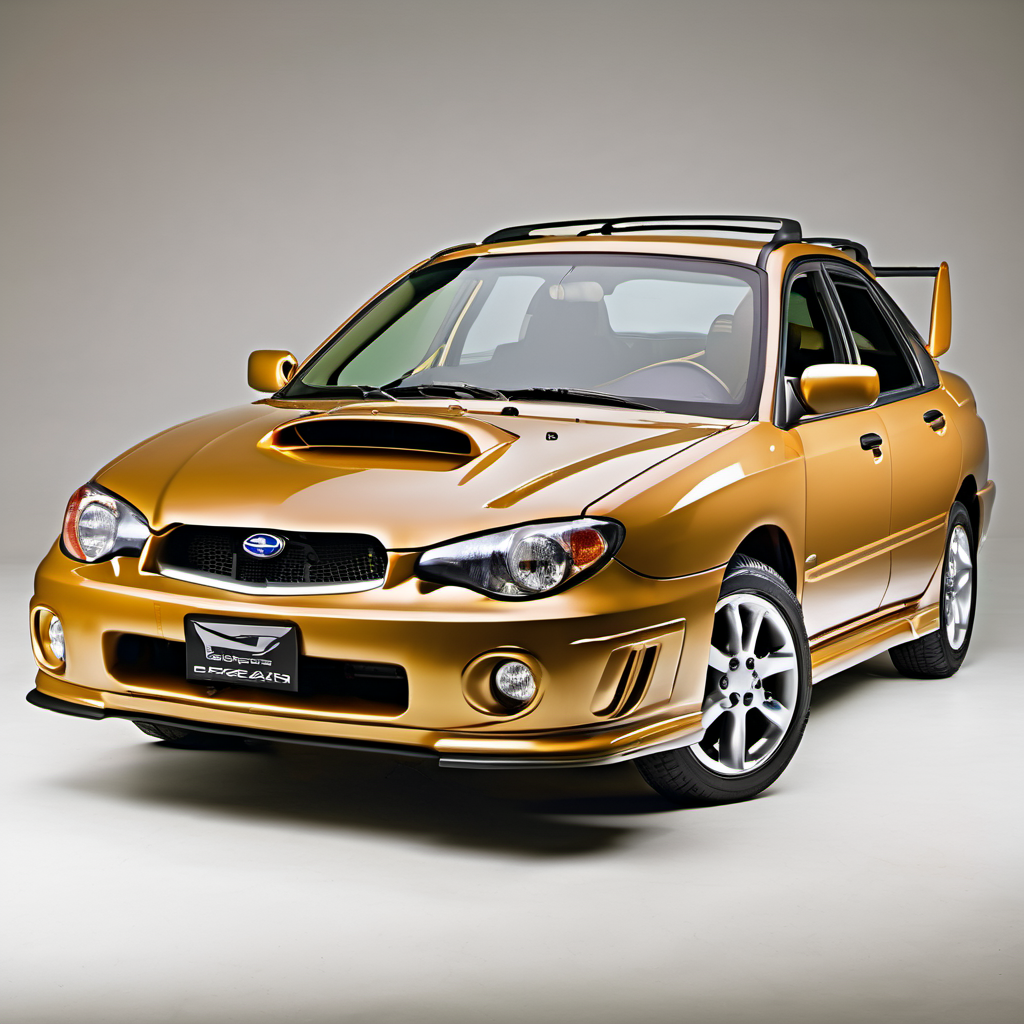
2005 Subaru
2.5L H4 (Boxer) · Sedan
The 2005 Subaru Impreza is a compact sedan riding on Subaru's GD-generation platform, which ran from 2002 through 2007. It came in several trim levels — from the base 2.5i to the performance-oriented WRX and WRX STI — all sharing the same body but very different mechanicals underneath. The symmetrical all-wheel-drive system is standard across the lineup, making even the base model a genuinely capable car in Wisconsin winters. The 2.5i base sedan uses a naturally aspirated 2.5L flat-four, while the WRX adds a turbocharged 2.0L and the STI steps up to a high-output 2.5L turbo. Regardless of trim, the Impreza's low center of gravity and AWD give it excellent handling balance. These are driver's cars that also happen to be practical daily drivers. By 2025, a 2005 Impreza is 20 years old, so condition and maintenance history matter enormously. Well-kept examples still make solid used buys; neglected ones — especially turbocharged variants — can be money pits. Know what you're getting before you buy.
The 2005 Subaru Impreza is a compact sedan riding on Subaru's GD-generation platform, which ran from 2002 through 2007. It came in several trim levels — from the base 2.5i to the performance-oriented WRX and WRX STI — all sharing the same body but very different mechanicals underneath. The symmetrical all-wheel-drive system is standard across the lineup, making even the base model a genuinely capable car in Wisconsin winters. The 2.5i base sedan uses a naturally aspirated 2.5L flat-four, while the WRX adds a turbocharged 2.0L and the STI steps up to a high-output 2.5L turbo. Regardless of trim, the Impreza's low center of gravity and AWD give it excellent handling balance. These are driver's cars that also happen to be practical daily drivers. By 2025, a 2005 Impreza is 20 years old, so condition and maintenance history matter enormously. Well-kept examples still make solid used buys; neglected ones — especially turbocharged variants — can be money pits. Know what you're getting before you buy.
This is an interference engine — a snapped belt destroys the engine. Always replace the water pump, tensioner, and idler at the same time. Verify this has been done before buying used.
The EJ253 is notorious for external head gasket seepage. Check for coolant smell, milky oil, and wet residue at the back of the block. Catching a seep early costs far less than a full failure.
Subaru flat-fours run slightly oil-rich for lubrication reasons; don't stretch intervals. Turbocharged models (WRX) should use full synthetic and not exceed 5,000-mile intervals.
The AWD transfer clutch and rear diff depend on clean fluid. Neglected fluid accelerates wear and leads to expensive drivetrain repairs. Always use Subaru-spec fluid in the differential.
The rear two plugs on the boxer engine are awkward to access but must not be skipped. Worn plugs increase misfire risk and can mask head gasket symptoms.
Wisconsin salt and humidity accelerate brake fluid moisture absorption. Fresh fluid protects ABS components and prevents brake fade.
Brake lines, subframe, and wheel arch seams are known rust points on this generation in the Midwest. Catching rust early saves hundreds; missing it can make a car undrivable.
Wisconsin roads kick up road grit year-round. A clean air filter protects the engine and keeps the heater/A/C working efficiently.
Always defer to the manufacturer's service manual for warranty-mandated intervals.
A clean 2005 Impreza 2.5i can be a budget-friendly daily driver if the head gaskets have been done and rust is minimal. Budget $600–$1,400/year for routine maintenance in normal years. Set aside $1,200–$2,200 if head gaskets are still due — that's the single biggest pending expense on an unaddressed car. WRX owners should budget at the higher end for oil, premium fuel, and turbo-related wear items.
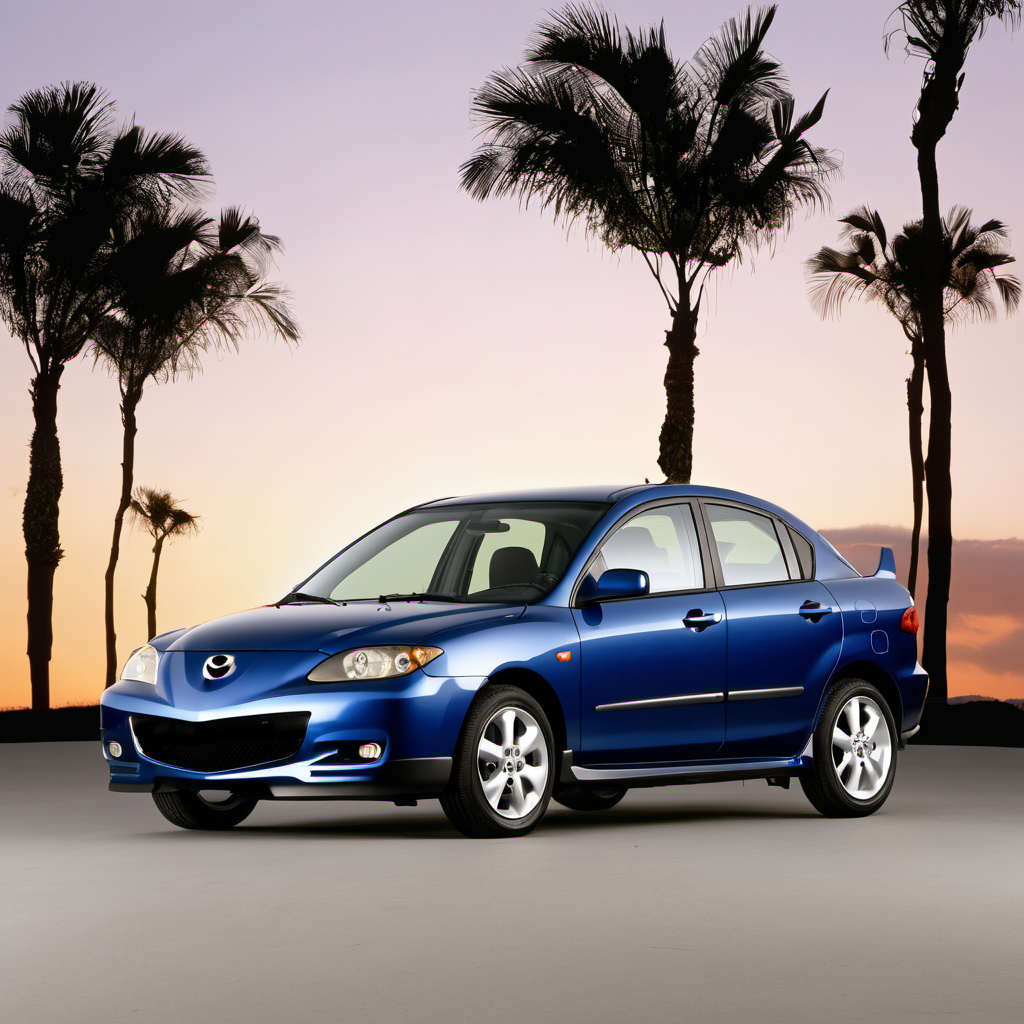
Similar compact size and sporty character; more reliable powertrain in this generation, though FWD only — loses the AWD winter advantage.
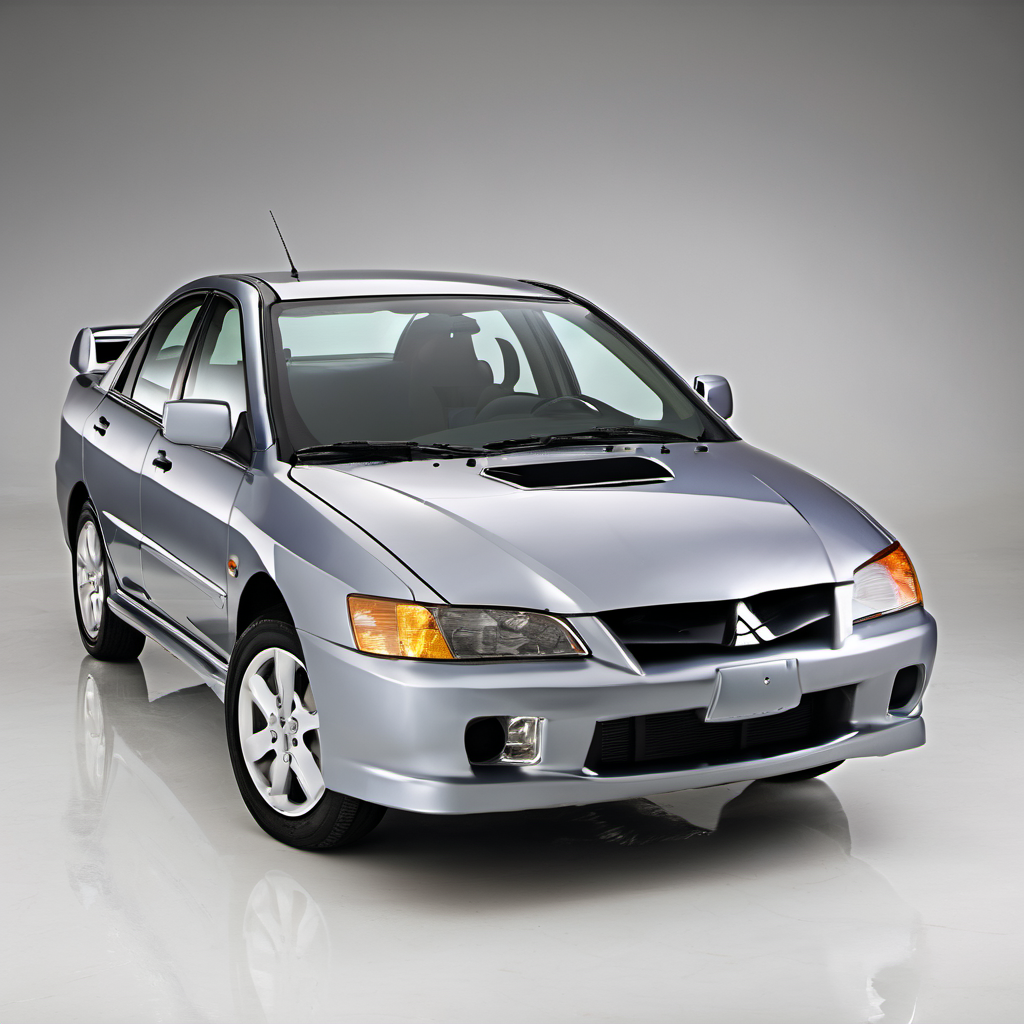
Close competitor in the compact sedan space; AWD available on Ralliart/EVO trims. Reliability and parts availability are concerns at this age.
/2005_Volkswagen_Jetta_(New)_91052e72_00001_.png)
Similar price bracket and driving feel; available in AWD (4Motion) on some trims. Higher ownership costs and more electrical complexity than the Impreza.
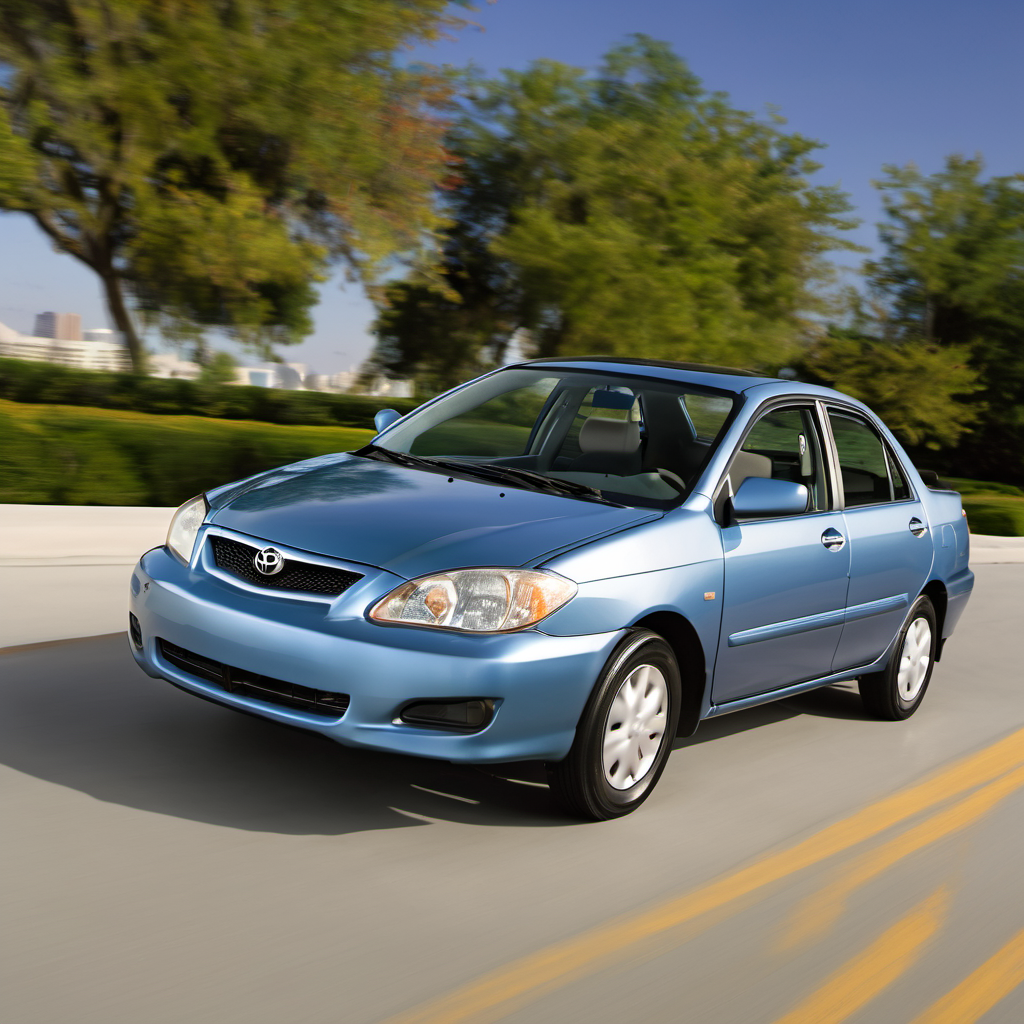
More reliable powertrain and lower ownership costs at this age, but FWD only and less engaging to drive. A better pick if winter traction needs are met with good tires.