VVT / Camshaft timing system wear (2.3L)
medium- Typically appears
- 80–150k mi
- Estimated repair
- $400 – $1,200
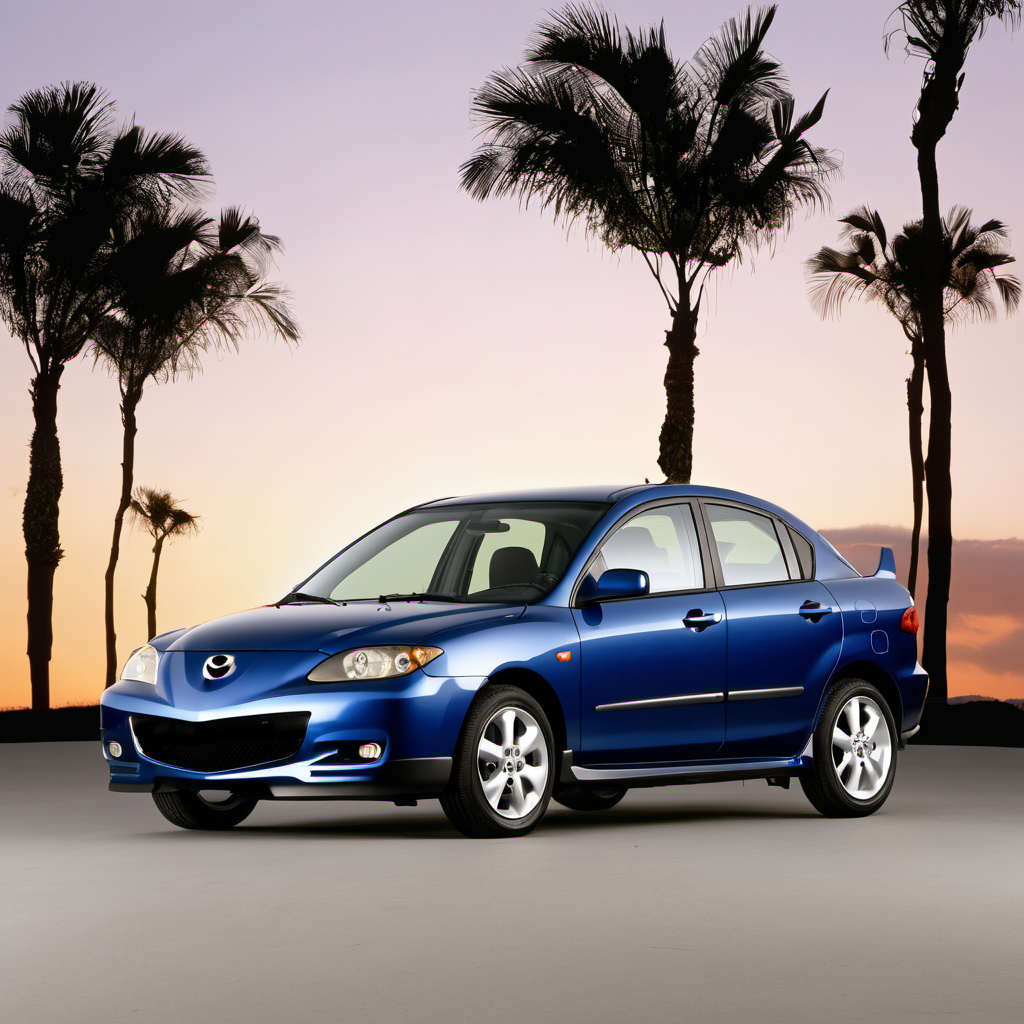
2005 MAZDA
2.0L I4 · Sedan
The 2005 Mazda3 sedan is the first-generation (BK platform) Mazda3, a compact car that replaced the aging Protegé and quickly earned a reputation as one of the most driver-focused cars in its class. Built on a platform shared with the Ford Focus, it brought sharp handling, a practical interior, and a fun-to-drive character that competitors like the Civic and Corolla couldn't quite match at the price. At 20 years old, surviving 2005 Mazda3s are well into high-mileage territory. The bones are solid, but age-related wear — rubber bushings, engine mounts, oxygen sensors, and rust on the undercarriage — is the real story now. Wisconsin salt exposure is a serious concern on any 2005 example you're looking at today. The 2.0L and 2.3L four-cylinder engines are generally durable when oil is changed on schedule, but the 2.3L in particular is sensitive to oil quality and change intervals. Neglected oil changes can cause timing chain and VVT-related problems that are expensive to fix. Overall this remains a smart used buy if the service history is clean and the body is rust-free.
The 2005 Mazda3 sedan is the first-generation (BK platform) Mazda3, a compact car that replaced the aging Protegé and quickly earned a reputation as one of the most driver-focused cars in its class. Built on a platform shared with the Ford Focus, it brought sharp handling, a practical interior, and a fun-to-drive character that competitors like the Civic and Corolla couldn't quite match at the price. At 20 years old, surviving 2005 Mazda3s are well into high-mileage territory. The bones are solid, but age-related wear — rubber bushings, engine mounts, oxygen sensors, and rust on the undercarriage — is the real story now. Wisconsin salt exposure is a serious concern on any 2005 example you're looking at today. The 2.0L and 2.3L four-cylinder engines are generally durable when oil is changed on schedule, but the 2.3L in particular is sensitive to oil quality and change intervals. Neglected oil changes can cause timing chain and VVT-related problems that are expensive to fix. Overall this remains a smart used buy if the service history is clean and the body is rust-free.
The 2.3L's VVT system is highly sensitive to oil cleanliness. Extending oil changes beyond 5k on a high-mileage or older engine is the single fastest way to create expensive timing system problems.
Aging coolant loses its corrosion inhibitors and can attack the aluminum head and water pump internals. A 20-year-old car is well overdue if this hasn't been done recently.
Worn plugs cause misfires and force the engine to work harder. On a high-mileage example, fresh plugs are one of the best-value performance restores available.
Brake fluid absorbs moisture over time, lowering its boiling point. In Wisconsin winters, moisture-contaminated fluid can also contribute to internal caliper and ABS modulator corrosion.
Salt on Wisconsin roads attacks steel brake lines and caliper hardware aggressively. Annual inspection and lubrication of caliper slide pins can prevent seized brakes and expensive line replacements.
At 20 years old these are almost certainly worn. A full front-end inspection is money well spent before winter, when a failed ball joint on an icy road is especially dangerous.
The stock battery is long gone on a 2005 model. Cold-cranking amps drop sharply in sub-zero temps. A battery showing marginal capacity in October will likely fail in January in Lake Geneva.
Standard wiper blades stiffen and streak in freezing temps. Use winter-rated blades and a washer fluid rated to at least -20°F to handle road salt spray on Wisconsin highways.
Always defer to the manufacturer's service manual for warranty-mandated intervals.
The Mazda3 is an economical car to own day-to-day — fuel economy is decent, parts are affordable, and independent shops can work on it easily. The wildcard at this age is deferred maintenance catching up: a timing system job, rust repair, or front suspension refresh can push one year's costs to $2,000+. A pre-purchase inspection is essential to avoid buying someone else's neglected car.
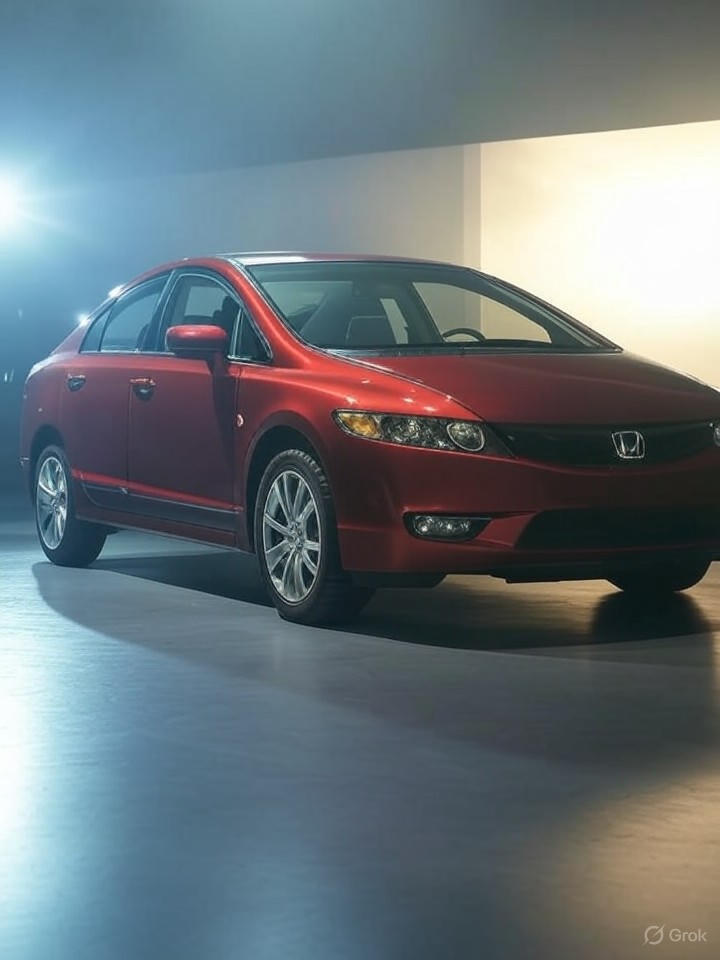
Same segment, similar price, slightly higher reliability ceiling but less engaging to drive. Both are solid used buys at this age.
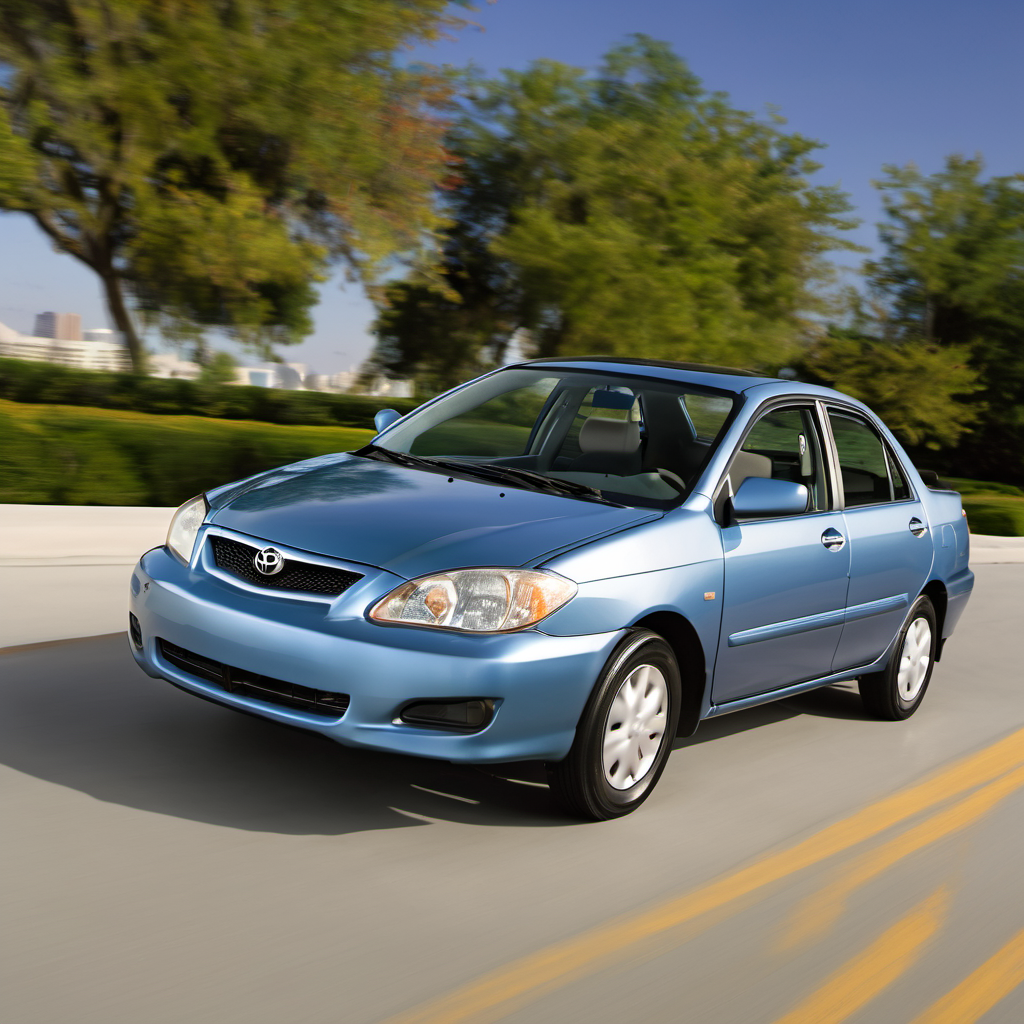
More conservative but arguably even more bulletproof long-term. Trades the Mazda3's driving fun for maximum reliability and lower maintenance cost.
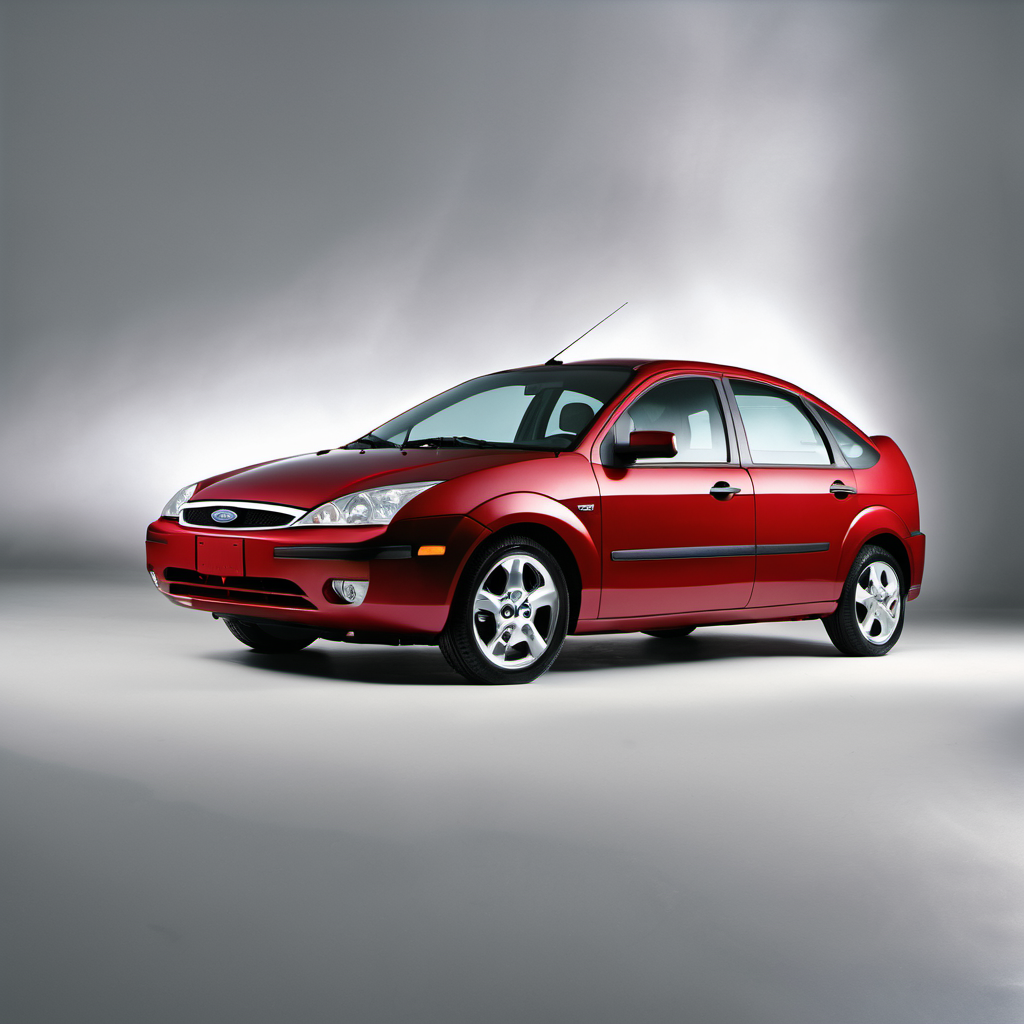
Shares the BK Mazda3's platform. Parts are widely available and cheap, but build quality and reliability trail the Mazda3 noticeably.
/2005_Volkswagen_Jetta_(New)_91052e72_00001_.png)
Comparable sport-compact feel and similar price used, but significantly higher maintenance costs and more frequent repairs. Only consider with a strong service history.