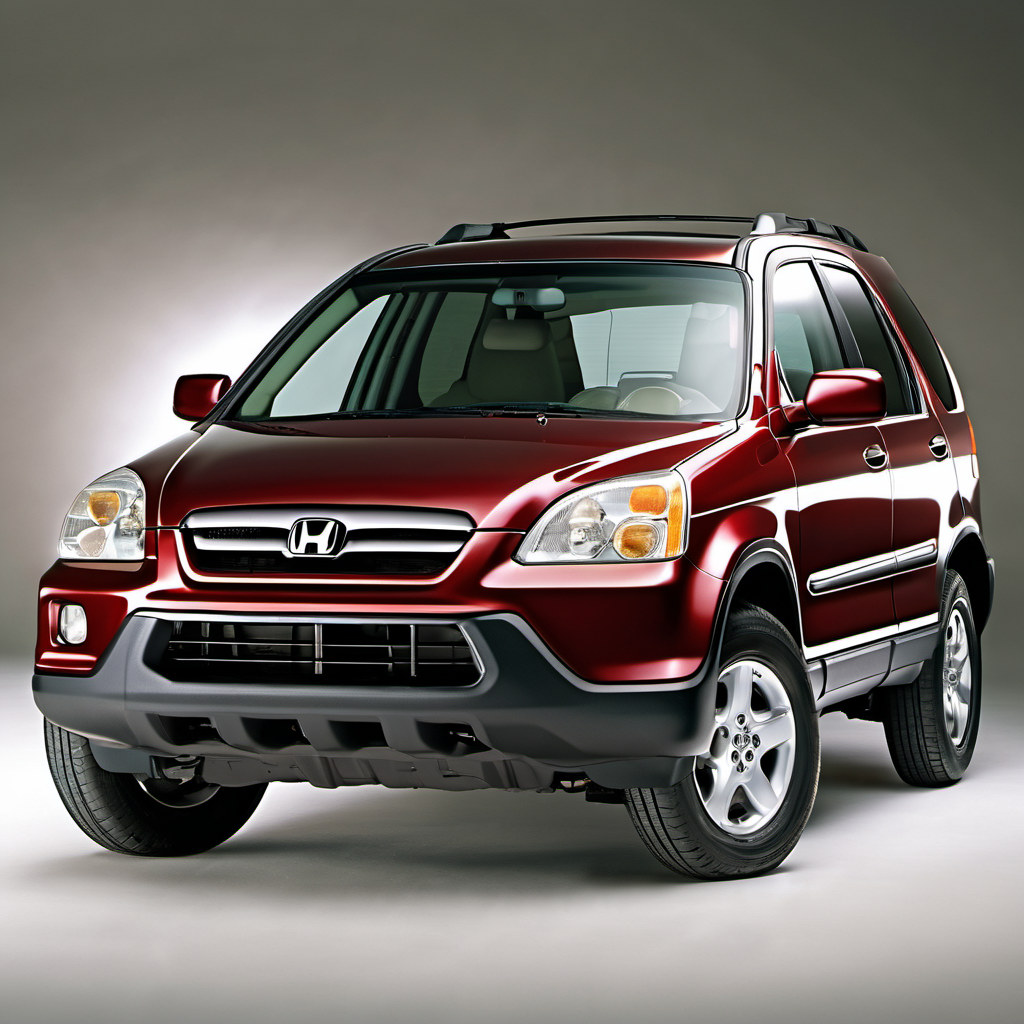
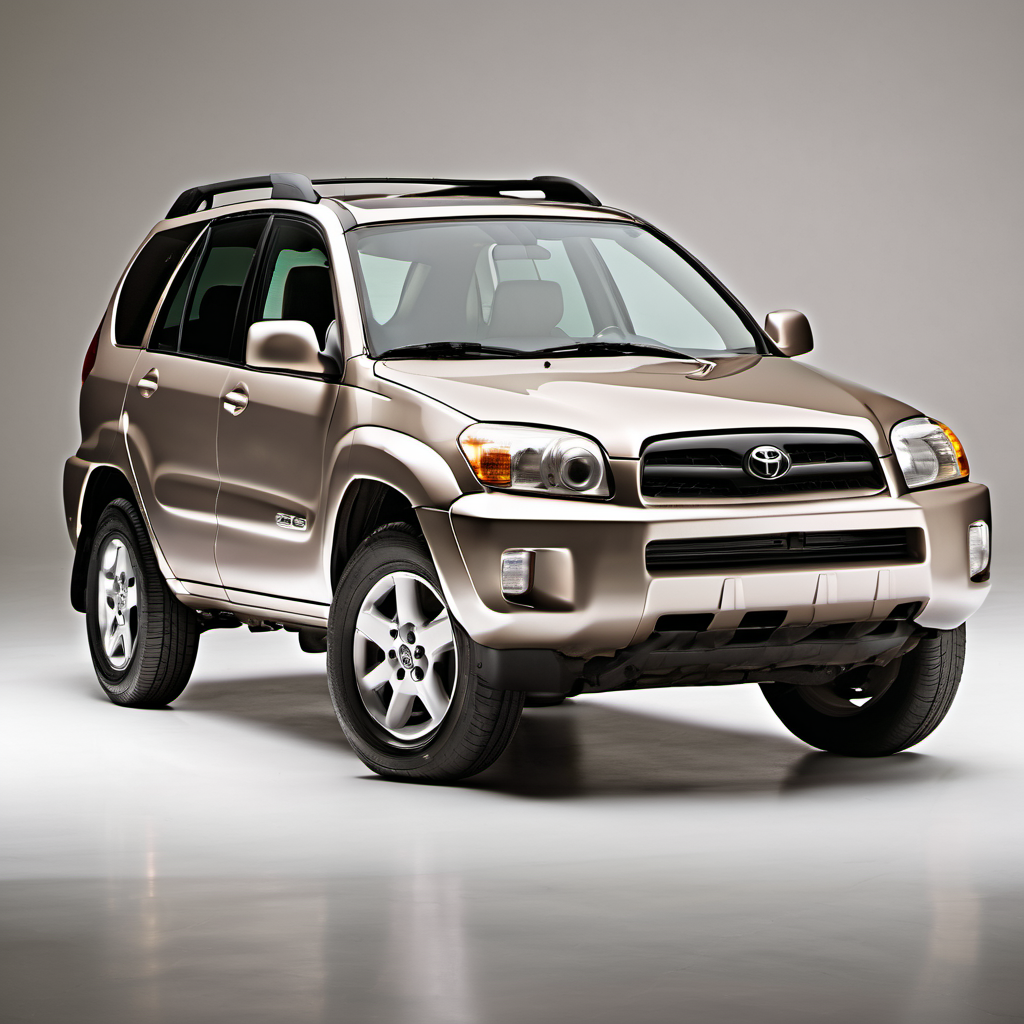
2005 Honda CR-V SUV

2005 Honda

CR-VSUV

SUV

The 2005 Honda CR-V is the second-generation model (2002–2006), a compact crossover SUV that helped define the segment. It sits on a car-based platform shared with the Civic/Element, which gives it a comfortable, car-like ride while still offering enough cargo space and versatility for everyday family use. At 20 years old, most examples on the road today have well over 100,000 miles on them — the good news is this generation is known for lasting well past that with basic maintenance. The 2.4L K24 four-cylinder is one of Honda's most proven engines. It's responsive, gets reasonable fuel economy for an SUV of its era, and has an excellent long-term track record. The five-speed automatic is generally robust, though it does require genuine Honda ATF to behave properly. Real-world owners regularly report 200,000+ miles on these trucks when oil changes and ATF services are kept current. The second-gen CR-V is not a hardcore off-roader — its Real Time AWD system is designed for light snow and rain, not trail duty. For Lake Geneva winters, that AWD system combined with a good set of winter tires gives solid traction. By now, any surviving example needs to be scrutinized for rust, especially underneath — Wisconsin road salt is merciless on this generation's frame rails, floor pans, and brake lines.

Reliability
4/5
Verified data
Specs shown for CR-V 2WD — the most common configuration. Other trims may vary in engine, drivetrain, or fuel economy. Sign in to see your vehicle's exact specs.
Engine
[object Object]
Drivetrain
FWD
Fuel
Gasoline
MPG
20 city / 26 hwy / 23 combined
Seats
Doors
Body
Sport Utility Vehicle - 2WD

Overview

AI-curated

The 2005 Honda CR-V is the second-generation model (2002–2006), a compact crossover SUV that helped define the segment. It sits on a car-based platform shared with the Civic/Element, which gives it a comfortable, car-like ride while still offering enough cargo space and versatility for everyday family use. At 20 years old, most examples on the road today have well over 100,000 miles on them — the good news is this generation is known for lasting well past that with basic maintenance. The 2.4L K24 four-cylinder is one of Honda's most proven engines. It's responsive, gets reasonable fuel economy for an SUV of its era, and has an excellent long-term track record. The five-speed automatic is generally robust, though it does require genuine Honda ATF to behave properly. Real-world owners regularly report 200,000+ miles on these trucks when oil changes and ATF services are kept current. The second-gen CR-V is not a hardcore off-roader — its Real Time AWD system is designed for light snow and rain, not trail duty. For Lake Geneva winters, that AWD system combined with a good set of winter tires gives solid traction. By now, any surviving example needs to be scrutinized for rust, especially underneath — Wisconsin road salt is merciless on this generation's frame rails, floor pans, and brake lines.

Known for
  • Highly reliable K24 2.4L four-cylinder engine
  • Car-like ride comfort on a compact SUV platform
  • Practical, versatile interior with fold-flat rear seat
  • Honda Real Time AWD (rear axle engages automatically on slip)
Best for
  • Families or commuters wanting a reliable, low-drama daily driver
  • Buyers who prioritize long-term ownership cost over features
  • Light-duty winter driving with the right tires
  • High-mileage buyers on a budget who want Honda reliability
Watch for
  • Rust on frame rails, floor pans, and brake lines on Wisconsin examples
  • Neglected automatic transmission fluid — causes early failure
  • Timing chain tensioner wear on high-mileage engines
  • Worn rear differential clutch packs in AWD models

Common issues by mileage

6 known

Automatic transmission shudder or early failure from fluid neglect

high
Typically appears
80,000–150,000 mi
Estimated repair
$1,800 – $4,000

Timing chain tensioner wear causing rattle on cold start

medium
Typically appears
100,000–180,000 mi
Estimated repair
$300 – $700

Rear differential wear / AWD chatter on turns

medium
Typically appears
80,000–130,000 mi
Estimated repair
$400 – $1,200

Oxygen sensor heater circuit failure (upstream sensor)

medium
Typically appears
90,000–160,000 mi
Estimated repair
$150 – $350

Brake line corrosion / failure from road salt

high
Typically appears
100,000+ mi
Estimated repair
$400 – $1,200

Power steering rack leak or stiffness

medium
Typically appears
120,000–200,000 mi
Estimated repair
$500 – $1,400

Maintenance schedule

  1. 1
    Every 5,000 miles or 6 months Engine oil & filter change

    The K24 engine rewards fresh oil. At this age, most engines have accumulated deposits — shorter intervals help protect piston rings and timing chain components.

  2. 2
    Every 30,000 miles Automatic transmission fluid change (Honda ATF-Z1 or DW-1)

    This is the single most important service on the 5-speed automatic. Non-Honda fluid causes shudder and premature clutch pack wear. Drain-and-fill method; no flush machines.

  3. 3
    Every 30,000 miles or if AWD chatter develops Rear differential fluid change

    The Real Time AWD rear diff uses its own fluid. Neglect leads to clutch pack wear and expensive differential replacement.

  4. 4
    Every 5 years or 60,000 miles Coolant flush

    Honda's blue long-life coolant degrades over time. Old coolant accelerates water pump seal wear and can corrode the aluminum block passages.

  5. 5
    Every 3 years Brake fluid flush

    Brake fluid absorbs moisture over time, lowering boiling point. Critical in Wisconsin where temperature swings are extreme and corrosion eats calipers from the inside.

  6. 6
    Annually, before winter Inspect and undercoat brake lines and frame rails

    Wisconsin road salt aggressively attacks the steel brake lines on this generation. Catch a pinhole before it becomes a blowout — inspect every fall.

  7. 7
    Every 60,000–90,000 miles Spark plug replacement

    The K24 uses iridium plugs. Worn plugs cause misfires, rough idle, and reduced fuel economy on an otherwise smooth engine.

  8. 8
    Every 15,000–20,000 miles Cabin and engine air filter replacement

    Wisconsin winter driving pulls in road grit and salt dust. Dirty filters reduce HVAC efficiency (critical for defrost) and restrict intake airflow.

Always defer to the manufacturer's service manual for warranty-mandated intervals.

Cost of ownership

Annual maintenance
$500 – $1,200
Fuel
At 23 MPG combined and ~15,000 miles/year, expect roughly $1,800–$2,200/year at current Midwest regular-grade gas prices.
Insurance
Typically low for this segment and age — most owners in the Lake Geneva area pay $800–$1,400/year for full coverage depending on driving history and carrier.

The 2005 CR-V is one of the cheaper compact SUVs to own long-term. Routine maintenance is straightforward and parts are widely available at competitive prices. The biggest cost risks are a neglected automatic transmission and rust-related brake or structural repairs — both avoidable with consistent upkeep. Budget more in years when aging rubber (hoses, belts, seals) needs attention.
Seasonal care

Lake Geneva, WI
Winter
  • Switch to dedicated winter tires — the Real Time AWD helps, but it cannot overcome all-season tires on packed snow or ice. This is non-negotiable for Lake Geneva winters.
  • Test the battery before November. A battery over 4 years old that passes a summer load test can still fail at -10°F. Replace proactively.
  • Fill the washer fluid reservoir with a -20°F or lower rated fluid and keep a spare jug in the cargo area — this CR-V's tall windshield collects salt spray fast.
  • Inspect all rubber door seals and apply a silicone protectant to prevent freezing shut in sub-zero temps.
  • After every road-salt event, rinse the undercarriage at a coin-op car wash — pay special attention to the brake line routing along the frame rails.
  • Check tire pressure monthly; pressure drops roughly 1 PSI for every 10°F temperature decrease.
Summer
  • Check tire pressure after the first heat wave — over-inflation from cold-weather settings can cause uneven tread wear.
  • Test the A/C system early in the season. Recharging a 20-year-old system often reveals worn compressor seals; address before the hottest weeks.
  • Inspect the coolant level and condition. Heat soak on a low or degraded coolant system can push this engine toward overheating.
  • Check the cabin air filter — pollen and road dust from spring and summer driving clog it quickly, reducing defrost and A/C airflow.

Comparable vehicles

If you're shopping for one

Red flags
  • Any rust-through on floor pans, frame rails, or visibly deteriorated brake lines — walk away or price in a full brake line replacement.
  • Slipping, shuddering, or delayed engagement from the automatic transmission — rebuilds or replacements start at $1,800 and can exceed $4,000.
  • Overheating history or a milky residue on the oil cap — signs of a head gasket issue, rare on the K24 but catastrophic if present.
  • Missing service records with high mileage — on a 20-year-old Honda, no records means assuming the worst on ATF, coolant, and differential fluids.
  • Check engine light that the seller says 'just needs a sensor' — always scan codes yourself before buying.
What to inspect
  • Crawl under and inspect brake lines along the full length of the frame — pinhole rust or crusty line fittings are a safety issue and a negotiating point.
  • Check the floor pans inside and under the rear cargo area for rust-through — lift the cargo mat and press on the metal.
  • Pull the ATF dipstick: fluid should be pink/red and smell clean. Dark brown or burnt-smelling fluid means the transmission has been neglected.
  • Test AWD function: find a loose gravel or wet surface and do a slow tight turn — a grinding or chattering feel from the rear indicates worn differential clutch packs.
  • Listen for a cold-start timing chain rattle that goes away after 30 seconds — minor initially, but it means the tensioner is on its way out.
  • Check for oil leaks around the valve cover gasket and the oil pan — both are common at this mileage and cheap to fix, but use them to negotiate price.
AI profile generated 16 days ago · claude-sonnet-4-6 · v2.