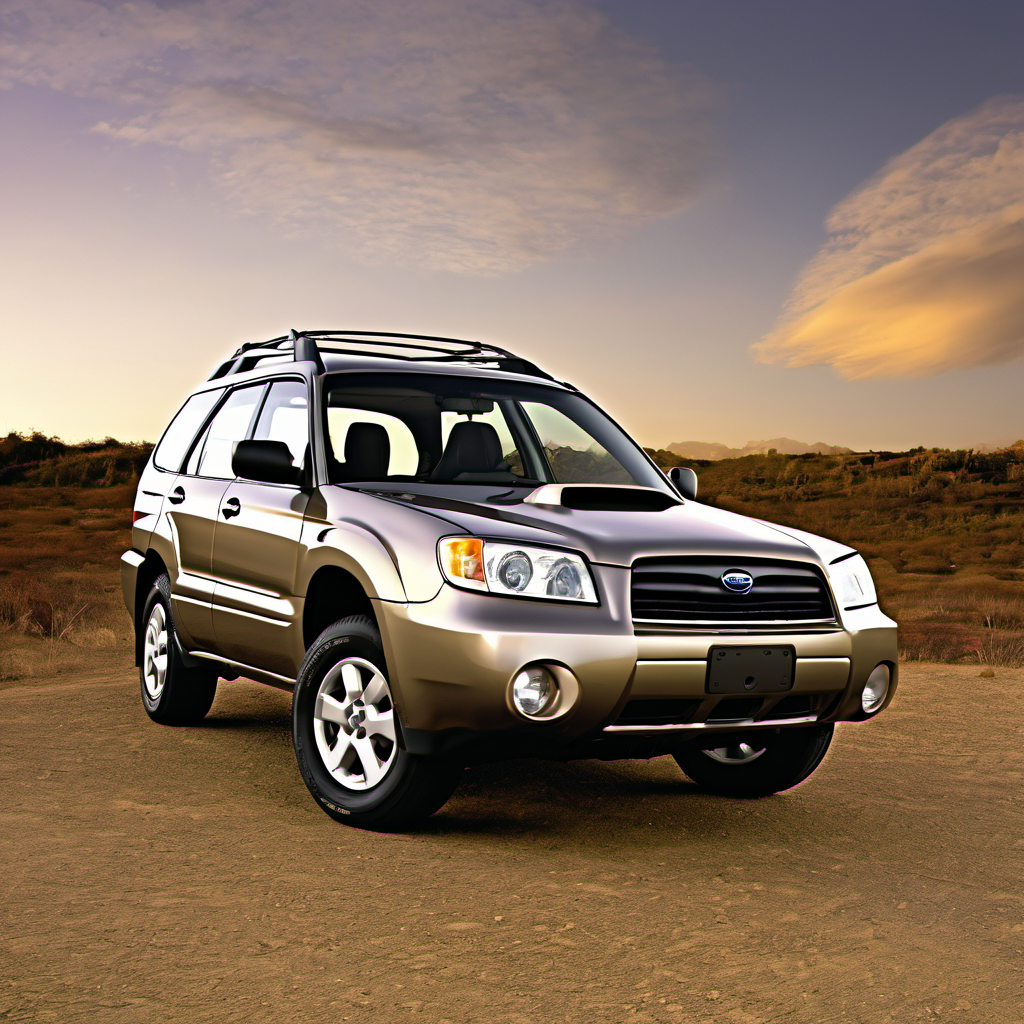
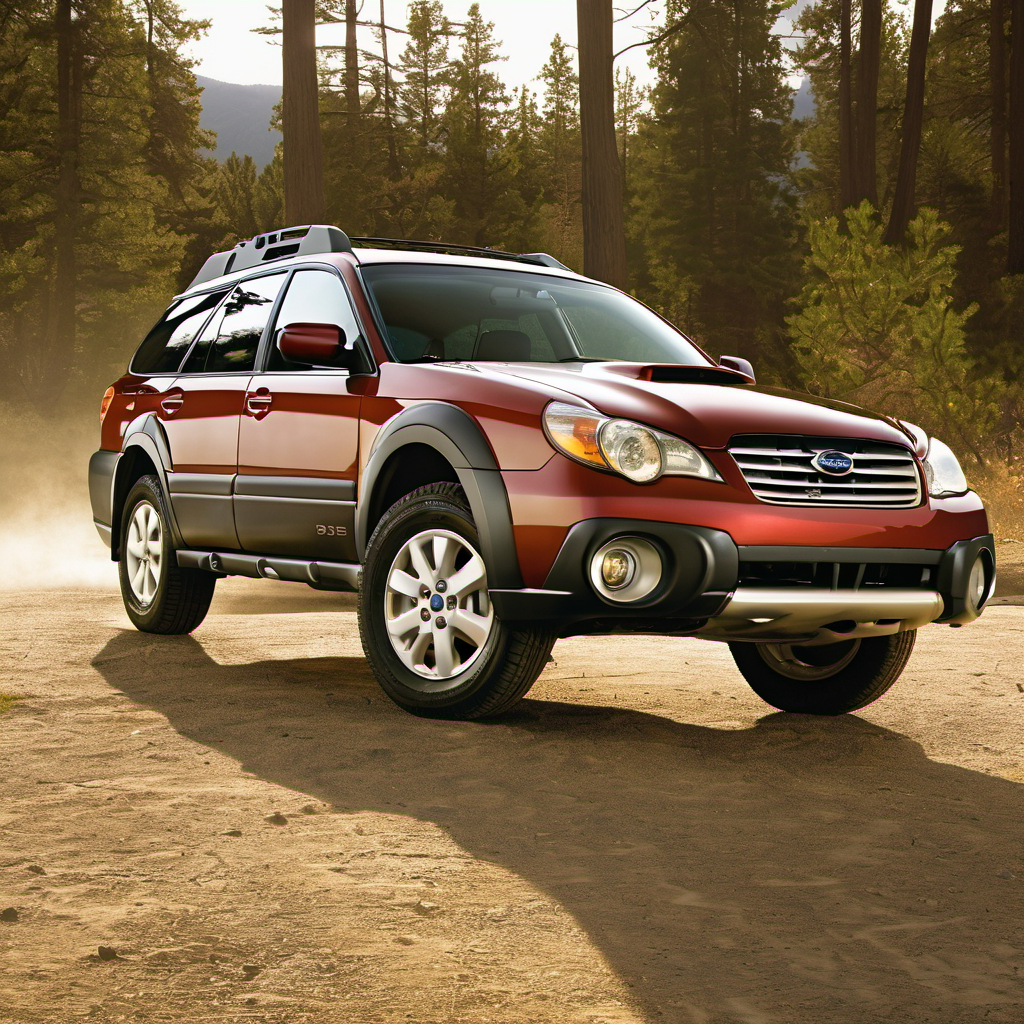
2005 Subaru Forester SUV

2005 Subaru

ForesterSUV

SUV

The 2005 Subaru Forester XT is the turbocharged member of the second-generation Forester lineup (2003–2008), pairing a 2.5L turbocharged flat-four with Subaru's symmetrical AWD system in a practical wagon-style body. It delivers genuine all-weather capability in a compact package that's easy to park, easy to load, and genuinely fun to drive thanks to around 210 hp on tap. For Lake Geneva-area drivers, the AWD system is a real asset through Wisconsin winters, and the raised ride height handles packed snow and rutted back roads without drama. The Forester XT sits in a sweet spot between the sportier WRX and the more grocery-getter-oriented base Forester. The tradeoff is that the EJ255 turbocharged engine requires more attentive ownership than the naturally aspirated version. Head gasket issues are a known generational trait across this engine family, oil changes must be done on schedule, and premium fuel is required. Buy a well-documented example and keep up with maintenance, and this can be a rewarding, capable daily driver well past 150k miles.

Reliability
3/5
Verified data
Specs shown for Forester AWD — the most common configuration. Other trims may vary in engine, drivetrain, or fuel economy. Sign in to see your vehicle's exact specs.
Engine
[object Object]
Drivetrain
AWD
Fuel
Premium gasoline
MPG
18 city / 22 hwy / 19 combined
Seats
Doors
Body
Sport Utility Vehicle - 4WD

Overview

AI-curated

The 2005 Subaru Forester XT is the turbocharged member of the second-generation Forester lineup (2003–2008), pairing a 2.5L turbocharged flat-four with Subaru's symmetrical AWD system in a practical wagon-style body. It delivers genuine all-weather capability in a compact package that's easy to park, easy to load, and genuinely fun to drive thanks to around 210 hp on tap. For Lake Geneva-area drivers, the AWD system is a real asset through Wisconsin winters, and the raised ride height handles packed snow and rutted back roads without drama. The Forester XT sits in a sweet spot between the sportier WRX and the more grocery-getter-oriented base Forester. The tradeoff is that the EJ255 turbocharged engine requires more attentive ownership than the naturally aspirated version. Head gasket issues are a known generational trait across this engine family, oil changes must be done on schedule, and premium fuel is required. Buy a well-documented example and keep up with maintenance, and this can be a rewarding, capable daily driver well past 150k miles.

Known for
  • Symmetrical AWD with excellent real-world snow and ice traction
  • Turbocharged 2.5L flat-four with strong mid-range pull
  • Practical, boxy cargo area with good visibility
  • Head gasket vulnerability shared across the EJ engine family
  • Strong enthusiast community with good parts availability
Best for
  • Wisconsin winter commuters who want AWD without a big SUV
  • Outdoor enthusiasts needing light trail and gravel road capability
  • Drivers who want sporty performance in a practical body
  • Budget-conscious buyers comfortable with DIY or independent-shop maintenance
Watch for
  • Head gasket failure — the single biggest cost risk on this engine
  • Turbo oil feed line neglect from infrequent oil changes
  • Rust on rocker panels, frame rails, and wheel arches from road salt
  • Automatic transmission fluid neglect leading to premature wear
  • Timing belt interval — this is an interference engine; a missed belt is an engine

Common issues by mileage

6 known

Head Gasket Failure (EJ255 External Leak / Coolant Consumption)

high
Typically appears
80–130k mi
Estimated repair
$1,400 – $2,200

Timing Belt & Water Pump Service (Interference Engine)

high
Typically appears
105k mi intervals
Estimated repair
$600 – $950

Turbocharger Failure / Oil Starvation (AVCS-related / oil neglect)

medium
Typically appears
100–160k mi
Estimated repair
$1,200 – $2,800

Oxygen Sensor / Heater Circuit Fault

medium
Typically appears
80–150k mi
Estimated repair
$150 – $400

Camshaft Position / VVT Timing Codes (Oil sludge in AVCS solenoids)

medium
Typically appears
90–150k mi
Estimated repair
$200 – $700

Rocker Panel and Underbody Rust (Road Salt Corrosion)

high
Typically appears
60k+ mi / 10+ years
Estimated repair
$500 – $3,000

Maintenance schedule

  1. 1
    Every 5,000 miles or 6 months — do NOT stretch to 7,500+ on this turbo engine Engine Oil & Filter Change (full synthetic 5W-30)

    Turbo heat cycles degrade oil faster than a naturally aspirated engine. Fresh oil is the single best way to prevent turbo bearing failure and AVCS solenoid sludging.

  2. 2
    Every 105,000 miles or 7 years, whichever comes first Timing Belt, Tensioner, Idlers & Water Pump

    This is an interference engine — a snapped belt destroys the engine. Always replace the water pump, tensioner, and idler pulleys at the same time; labor is already open.

  3. 3
    Every 30,000 miles; check coolant level monthly Coolant System Inspection (head gasket monitoring)

    Early head gasket seepage is often external (oil/coolant weeping at the seam) before it becomes catastrophic. Catching it early cuts repair cost significantly.

  4. 4
    Every 30,000 miles Transmission Fluid Change (auto: ATF; manual: gear oil)

    Subaru automatics of this era are sensitive to fluid degradation. Many used units have never had it changed — fresh fluid noticeably improves shift quality and longevity.

  5. 5
    Every 30,000 miles AWD Differential & Transfer Case Fluid

    Symmetrical AWD depends on proper viscosity differentials front and rear. Neglected fluid leads to binding and clutch-pack wear inside the rear differential.

  6. 6
    Every 30,000 miles Spark Plugs (OEM copper or iridium)

    The turbocharged EJ255 is harder on plugs than the NA version. Worn plugs increase knock risk under boost and can trigger misfires.

  7. 7
    Every 2 years regardless of mileage Brake Fluid Flush

    Glycol-based brake fluid absorbs moisture over time, lowering its boiling point. Wisconsin road salt also accelerates corrosion in brake lines and calipers.

  8. 8
    Every 2–3 weeks during winter; full inspection each spring Underbody Wash & Inspection (salt season)

    Lake Geneva roads are heavily salted. The Forester's rocker panels, subframe, and brake lines are all rust-prone. Catching surface rust before it penetrates is far cheaper than structural repairs.

Always defer to the manufacturer's service manual for warranty-mandated intervals.

Cost of ownership

Annual maintenance
$700 – $1,600
Fuel
Premium fuel required (91 octane). At 19 MPG combined and ~15,000 miles/year, expect roughly $2,400–$2,900/year at current Wisconsin pump prices for premium.
Insurance
Typically moderate — compact SUV class, older vehicle, but AWD and turbo may nudge rates slightly above a base Forester. Expect $900–$1,400/year for full coverage depending on driver profile.

The Forester XT is affordable day-to-day if you stay on top of oil changes and fluid services. The big cost risks are head gasket repair ($1,400–$2,200) and timing belt service (~$600–$950) — both predictable and budgetable if you know the vehicle's history. A used XT with unknown service history should be budgeted conservatively; assume timing belt and head gaskets may be due.
Seasonal care

Lake Geneva, WI
Winter
  • Switch to full synthetic 5W-30 if not already — cold starts below 0°F are much easier and turbo lubrication on first start is improved
  • Test battery before November; cold cranking a turbocharged flat-four at -10°F taxes even a healthy battery — replace if over 4 years old or below 550 CCA
  • Fill washer fluid reservoir with -20°F or colder rated fluid; the low cowl inlet on the Forester ices over and kills washer pumps fast
  • Inspect rubber CV axle boots — salt and cold make them brittle; a cracked boot dumps grease and ruins the joint quickly
  • Mount dedicated winter tires if possible — AWD gets you moving but does not help you stop; winter tires on all four corners are the biggest safety upgrade
  • Flush and pressure-test the coolant system before first hard freeze — a marginal head gasket will often reveal itself under cold-start thermal stress
Summer
  • Check tire pressure monthly — pressure drops roughly 1 PSI per 10°F of temperature change; underinflated tires increase heat buildup and wear
  • Inspect the intercooler and turbo intake hoses for cracking — summer heat soak accelerates rubber degradation on boost plumbing
  • Run the A/C system early in the season and check for weak cooling — the cabin heats quickly in a boxy body with large glass area
  • Check coolant level cold after heat events — a slow head gasket seep becomes more visible after sustained highway driving in hot weather

Comparable vehicles

If you're shopping for one

Red flags
  • No timing belt records and over 105,000 miles on the odometer — walk away or negotiate a major discount to cover the service
  • Coolant that is brown, oily, or smells burned — head gasket failure is likely already in progress
  • Any signs of recent coolant system work (new hoses, fresh clamps) without explanation — may be masking a gasket leak
  • Excessive rust on subframe, brake lines, or fuel lines — structural or safety issue that can exceed the vehicle's value to repair
  • Rough idle or hesitation under boost with no recent tune-up — could be worn plugs, a failing MAF, or early turbo issues
What to inspect
  • Pull the oil cap and check for a milky, mayonnaise-like residue — a classic sign of head gasket failure mixing coolant into oil
  • Check the coolant reservoir for oil sheen or bubbling at idle, which indicates combustion gases entering the cooling system
  • Ask for or pull maintenance records specifically looking for timing belt service — if unknown, budget for it immediately
  • Inspect rocker panels, rear wheel arches, and the underside of the cargo floor for rust perforation — common on any Wisconsin-driven example over 10 years old
  • Listen for turbo whine, bearing noise, or boost surge on a hard test-drive acceleration — indicates turbo wear from oil neglect
  • Check for blueish smoke on cold start or deceleration — points to turbo seal failure or piston ring wear
AI profile generated 13 days ago · claude-sonnet-4-6 · v2.