Head Gasket Failure (EJ-series boxer engine)
high- Typically appears
- 80–140k mi
- Estimated repair
- $1,200 – $2,200
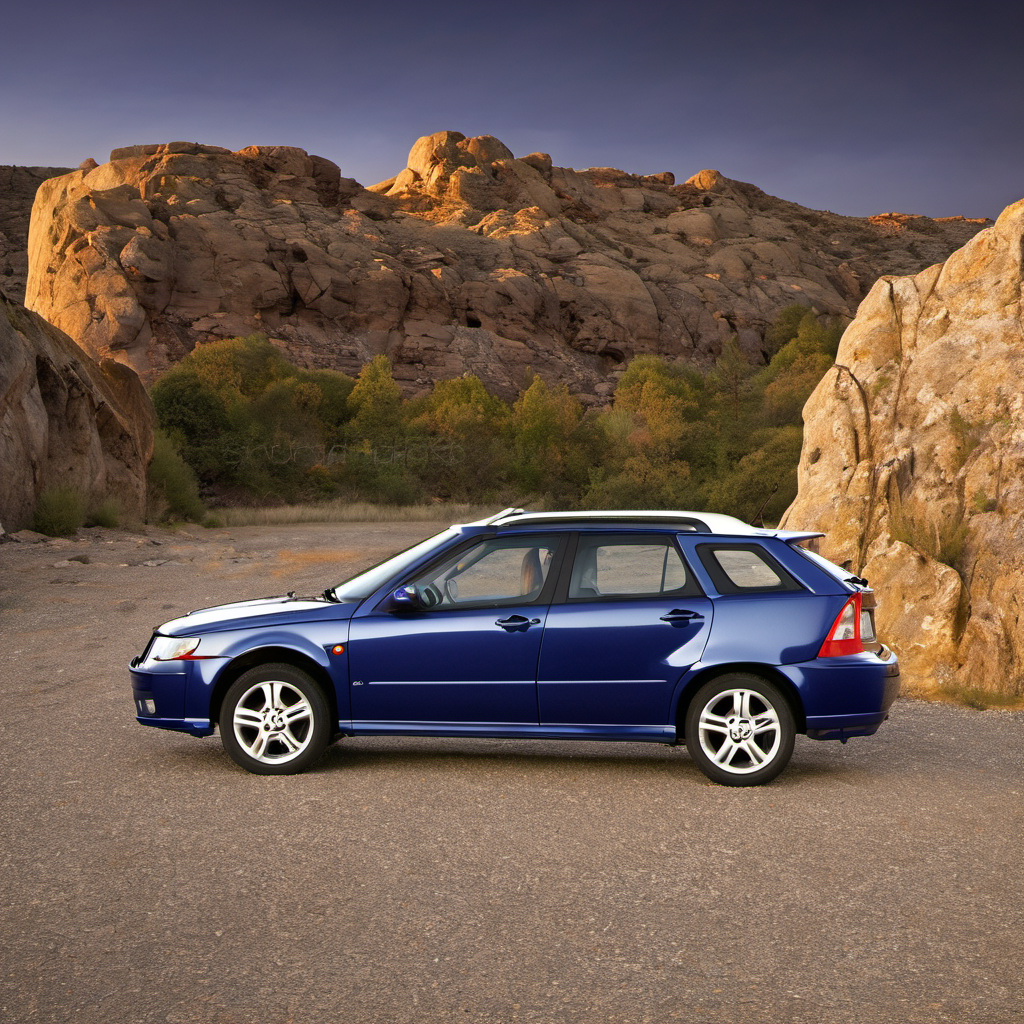
2005 Saab
2.5L H4 · Wagon
The 2005 Saab 9-2X is one of the more unusual badge-engineering experiments of the 2000s. When GM owned both Saab and Subaru's parent company, it took a second-generation Subaru Impreza wagon, added Saab styling touches (a new front fascia, revised interior trim, and the Saab griffin badge), and sold it through Saab dealers. Internally nicknamed the 'Saabaru,' it shared virtually every mechanical component with the 2005 Subaru Impreza — including its drivetrain, suspension, and boxer engine — while wearing Saab clothes. Two trims were offered: the Linear (naturally aspirated 2.5L flat-four, 165 hp) and the Aero (turbocharged 2.0L flat-four, 227 hp lifted straight from the Impreza WRX). Both came standard with symmetrical all-wheel drive and a 5-speed manual or 4-speed automatic. This makes the 9-2X a genuinely capable AWD wagon that happens to be rare — only about 10,000 were sold across both model years (2005–2006). For buyers in Lake Geneva, the Subaru underpinnings are a real advantage: AWD, decent ground clearance, and a parts supply that is far more accessible than a traditional Saab. The catch is that Saab-branded body trim, interior pieces, and electronics can be harder to source, and the car's rarity means fewer local technicians have hands-on familiarity with its quirks.
The 2005 Saab 9-2X is one of the more unusual badge-engineering experiments of the 2000s. When GM owned both Saab and Subaru's parent company, it took a second-generation Subaru Impreza wagon, added Saab styling touches (a new front fascia, revised interior trim, and the Saab griffin badge), and sold it through Saab dealers. Internally nicknamed the 'Saabaru,' it shared virtually every mechanical component with the 2005 Subaru Impreza — including its drivetrain, suspension, and boxer engine — while wearing Saab clothes. Two trims were offered: the Linear (naturally aspirated 2.5L flat-four, 165 hp) and the Aero (turbocharged 2.0L flat-four, 227 hp lifted straight from the Impreza WRX). Both came standard with symmetrical all-wheel drive and a 5-speed manual or 4-speed automatic. This makes the 9-2X a genuinely capable AWD wagon that happens to be rare — only about 10,000 were sold across both model years (2005–2006). For buyers in Lake Geneva, the Subaru underpinnings are a real advantage: AWD, decent ground clearance, and a parts supply that is far more accessible than a traditional Saab. The catch is that Saab-branded body trim, interior pieces, and electronics can be harder to source, and the car's rarity means fewer local technicians have hands-on familiarity with its quirks.
EJ-series boxers and especially the Aero's turbo are sensitive to oil quality and cleanliness. Dirty oil accelerates VVT sludge buildup and kills turbo bearings. Use full synthetic 5W-30.
EJ head gaskets are vulnerable; maintaining proper coolant chemistry and watching for any milky residue or overheating is the earliest warning system you have.
Subaru transmissions in this era are sturdy but benefit from regular fluid changes, especially with AWD drivetrain loads in Wisconsin stop-and-go winter driving.
AWD center differential fluid degrades and can cause chatter or binding if neglected. Critical to maintain on vehicles that see four-season duty.
The EJ-series is an interference engine. A snapped timing belt causes catastrophic internal damage. Always verify this has been done and replace proactively if records are missing.
Boxer engines can be laborious to access on one side — doing plugs and inspecting coils together saves labor time and money.
Glycol-based brake fluid absorbs moisture. In a car that sees Wisconsin winters and wet spring roads, degraded fluid lowers boiling point and accelerates caliper corrosion.
Road salt in the Lake Geneva area attacks bare metal quickly. Brake lines, fuel lines, and subframe mounting points are the first to go on these early-2000s Subaru platforms.
Always defer to the manufacturer's service manual for warranty-mandated intervals.
Routine maintenance costs track with Subaru Impreza pricing since most parts are interchangeable. Budget on the higher end if you own an Aero trim or if the car's service history is incomplete — a neglected head gasket or turbo job can easily push a single year's repair bill past $2,000. Saab-branded body and interior parts are the wild card: some are discontinued and command used-market premiums.
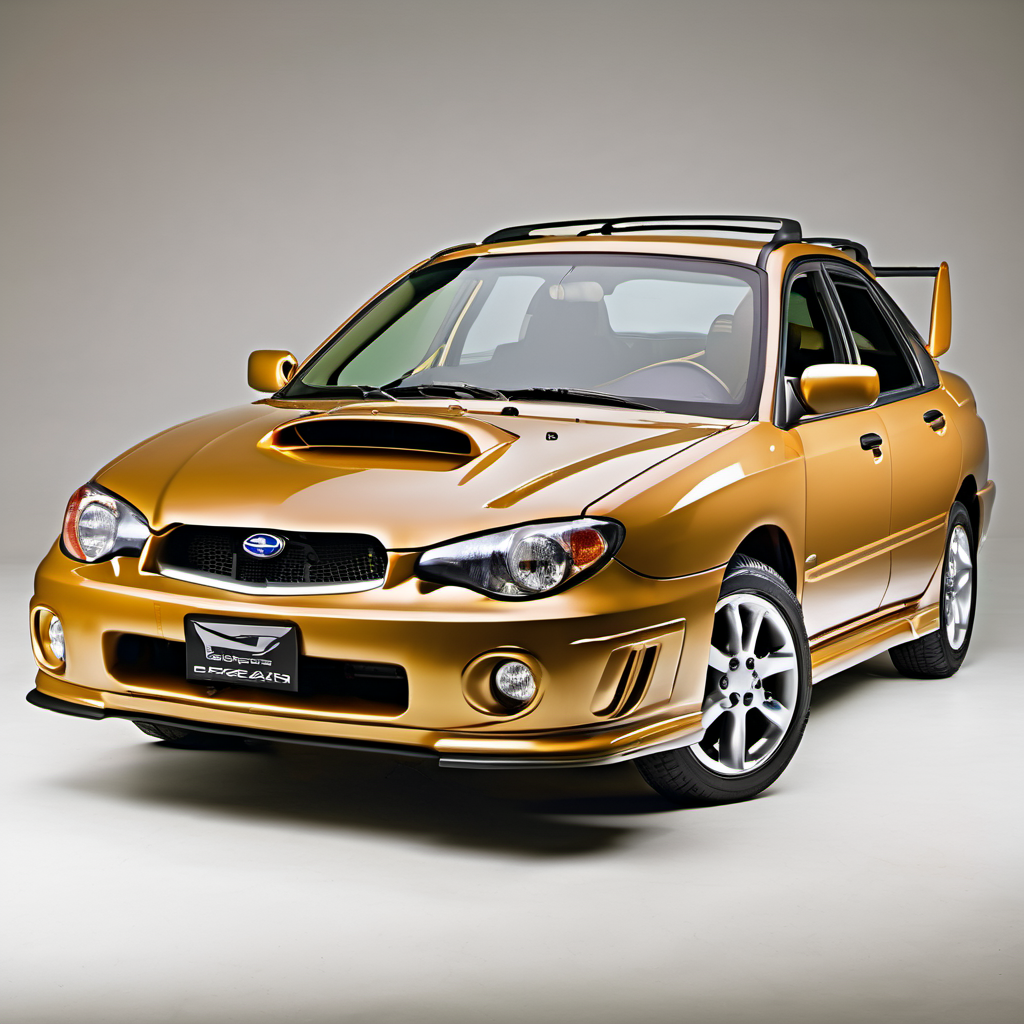
The 9-2X Aero is mechanically identical to this car. The WRX wagon has a larger owner community, cheaper parts, and more shops with experience — making it arguably the smarter buy for pure ownership ease.
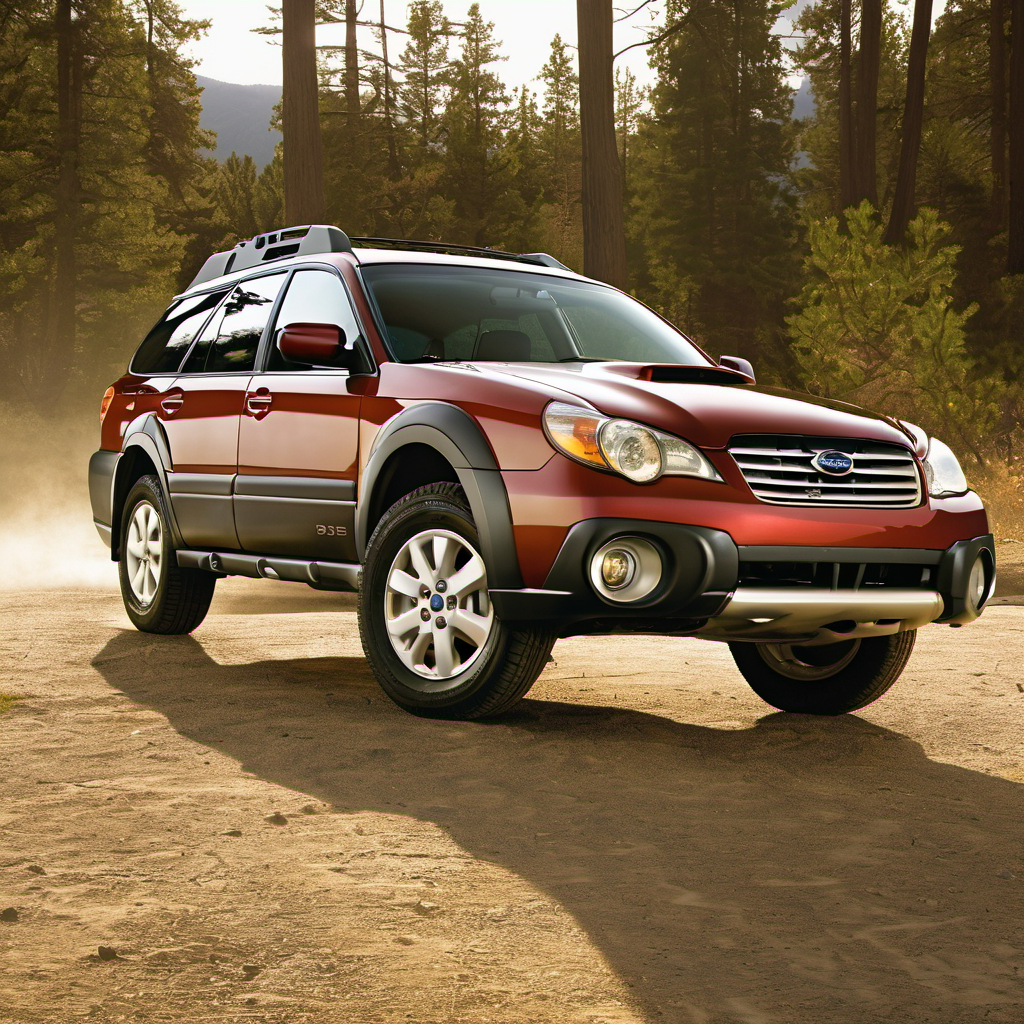
More cargo room, more ground clearance, and the same EJ-series AWD platform. A better pick for buyers who prioritize utility over sporty driving dynamics.
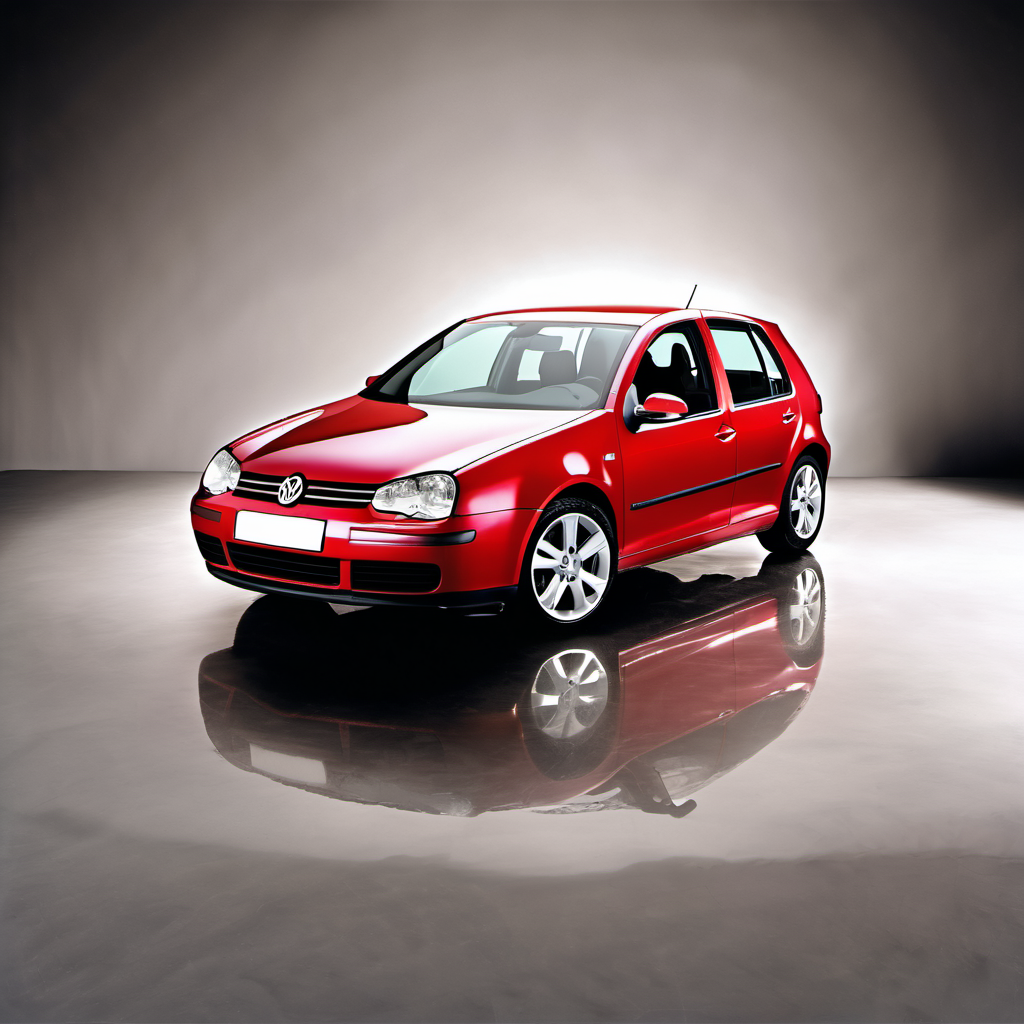
Similarly sporty, similarly quirky European-flavored hatchback/wagon in the same price range. FWD only, so it loses the AWD advantage in Wisconsin winters, but strong enthusiast support.
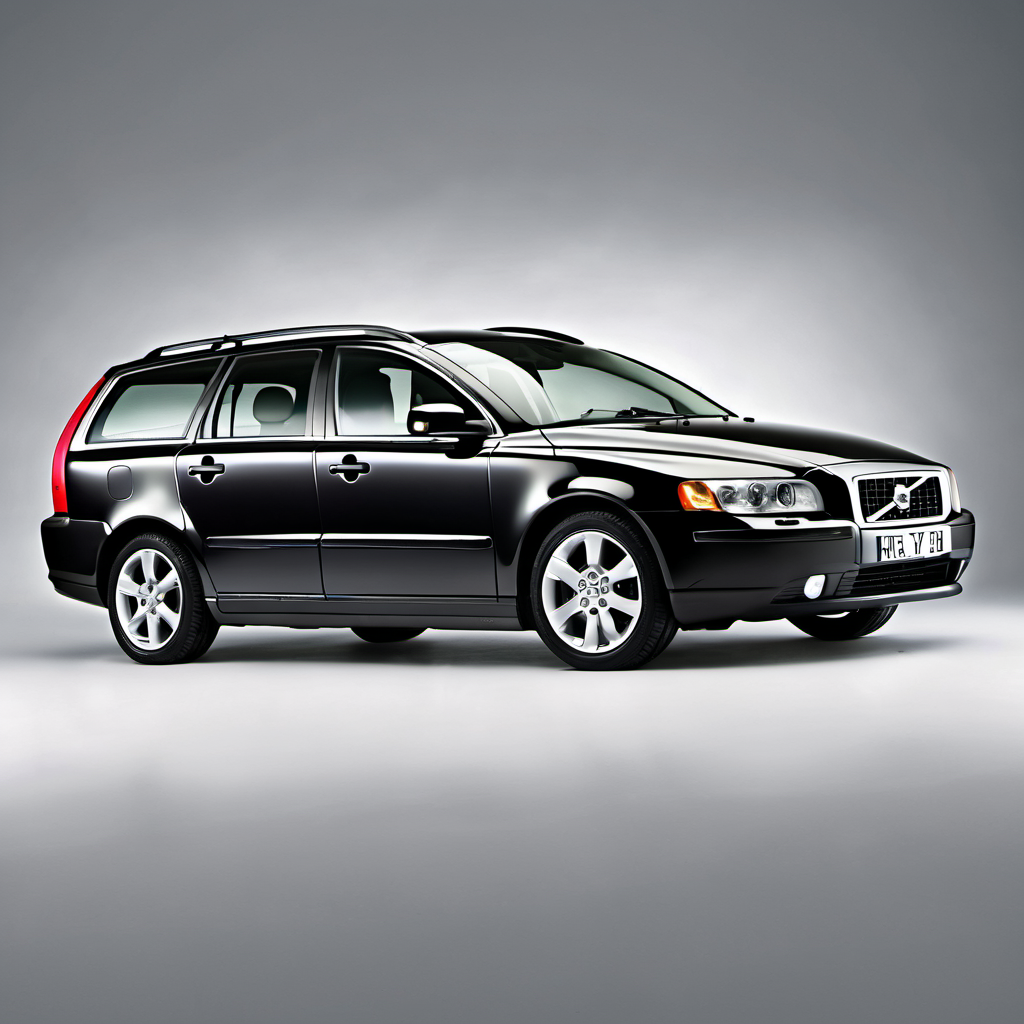
Another European-branded wagon from the same era targeting buyers who want practicality with character. AWD available, though ownership costs trend higher than the Subaru-based 9-2X.