Timing Belt Failure (Interference Engine)
high- Typically appears
- 60–105k mi (or 5-year intervals)
- Estimated repair
- $400 – $700
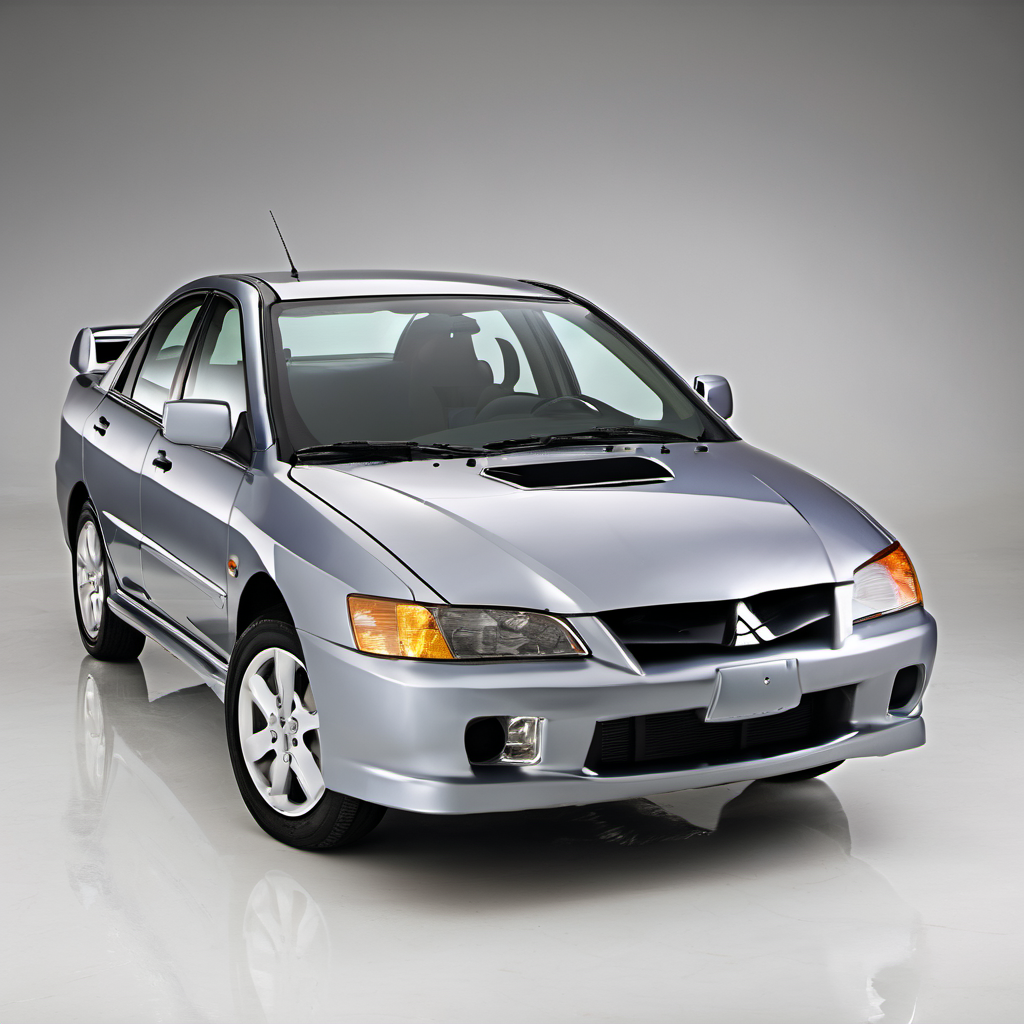
2005 Mitsubishi
Sedan
The 2005 Mitsubishi Lancer is a compact front-wheel-drive sedan that sat in Mitsubishi's lineup as an affordable, practical daily driver. This generation (CS/CT) ran from 2002 through 2007 and earned a reputation for being economical to fuel and straightforward to maintain at an independent shop. It shares its platform with several other Mitsubishi compact models but shouldn't be confused with the high-performance Lancer Evolution, which is a separate, more complex vehicle. Powered by a 2.0L SOHC four-cylinder, the standard Lancer is tuned for efficiency and reliability rather than performance. It's a sensible choice for someone who needs basic, affordable transportation with reasonable fuel economy. Parts availability is adequate at most auto parts stores, though some Mitsubishi-specific items may require ordering. By 2025, a 2005 Lancer is now 20 years old, meaning rust, worn rubber, and deferred maintenance are the main concerns. Well-kept examples with documented service history can still deliver reliable daily use, but neglected ones can surprise you with expensive hidden problems.
The 2005 Mitsubishi Lancer is a compact front-wheel-drive sedan that sat in Mitsubishi's lineup as an affordable, practical daily driver. This generation (CS/CT) ran from 2002 through 2007 and earned a reputation for being economical to fuel and straightforward to maintain at an independent shop. It shares its platform with several other Mitsubishi compact models but shouldn't be confused with the high-performance Lancer Evolution, which is a separate, more complex vehicle. Powered by a 2.0L SOHC four-cylinder, the standard Lancer is tuned for efficiency and reliability rather than performance. It's a sensible choice for someone who needs basic, affordable transportation with reasonable fuel economy. Parts availability is adequate at most auto parts stores, though some Mitsubishi-specific items may require ordering. By 2025, a 2005 Lancer is now 20 years old, meaning rust, worn rubber, and deferred maintenance are the main concerns. Well-kept examples with documented service history can still deliver reliable daily use, but neglected ones can surprise you with expensive hidden problems.
This is a non-negotiable on the 2.0L SOHC — it's an interference engine. A snapped belt destroys valves and pistons. Replace the water pump at the same time since labor is already open; it's cheap insurance.
At 20 years old, use a quality conventional or synthetic 5W-30. More frequent changes help flush contaminants and protect against sludge, especially important on aging engines that may sit for periods.
Old coolant loses its corrosion inhibitors and can attack the aluminum components in the cooling system. Critical before Wisconsin winters to ensure proper freeze protection.
Brake fluid absorbs moisture over time, lowering its boiling point and promoting internal corrosion. On a 20-year-old car, this is often neglected and should be checked immediately.
The 2.0L SOHC runs standard copper or iridium plugs. Worn plugs cause misfires, rough idle, and reduced fuel economy. Easy access on this engine.
Mitsubishi's automatic transmission benefits from regular fluid changes. Burnt or degraded fluid is a leading cause of shift quality decline on higher-mileage examples.
Wisconsin road salt is brutal. Inspect the subframe, rocker panels, brake lines, and fuel lines each fall. Early treatment of surface rust prevents structural compromise.
Cold cranking demand spikes in sub-zero Wisconsin temps. A weak battery that starts fine in summer will leave you stranded in January. Clean corrosion from terminals at the same time.
Always defer to the manufacturer's service manual for warranty-mandated intervals.
The 2005 Lancer is one of the cheaper vehicles to own on a day-to-day basis, assuming no major deferred maintenance is lurking. Fuel and insurance costs are low. The wildcard is age-related repairs: if the timing belt, cooling system, and brakes haven't been recently serviced, budget $1,500–$2,500 up front to bring it current. Rust remediation on a neglected Wisconsin car can easily exceed the vehicle's market value — inspect the undercarriage before committing.
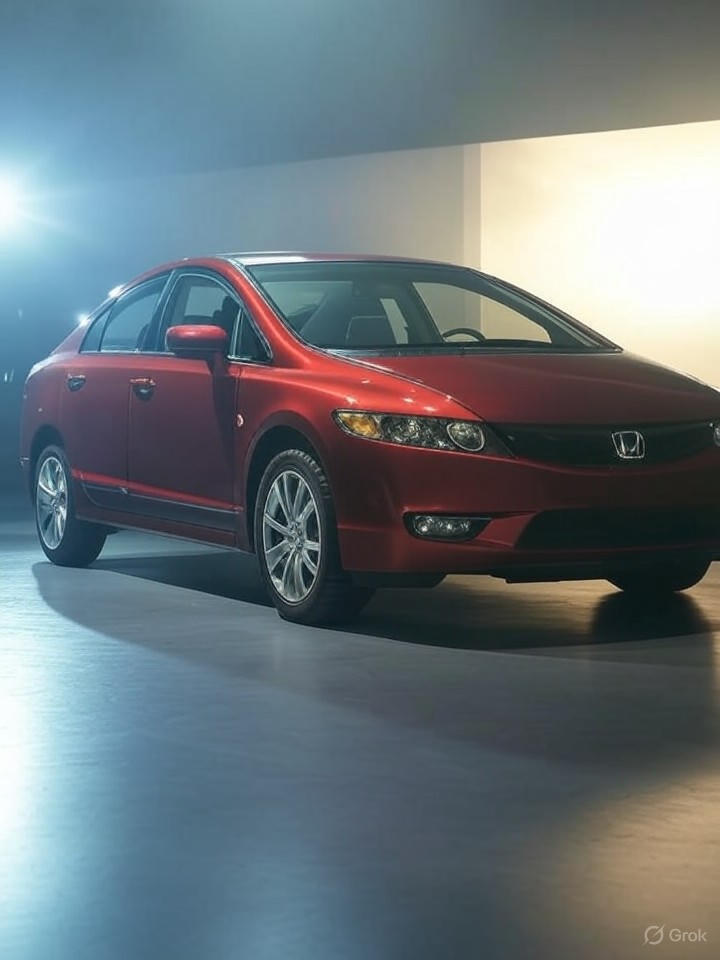
Same compact sedan segment, similar price point, slightly better long-term reliability reputation and stronger parts availability.
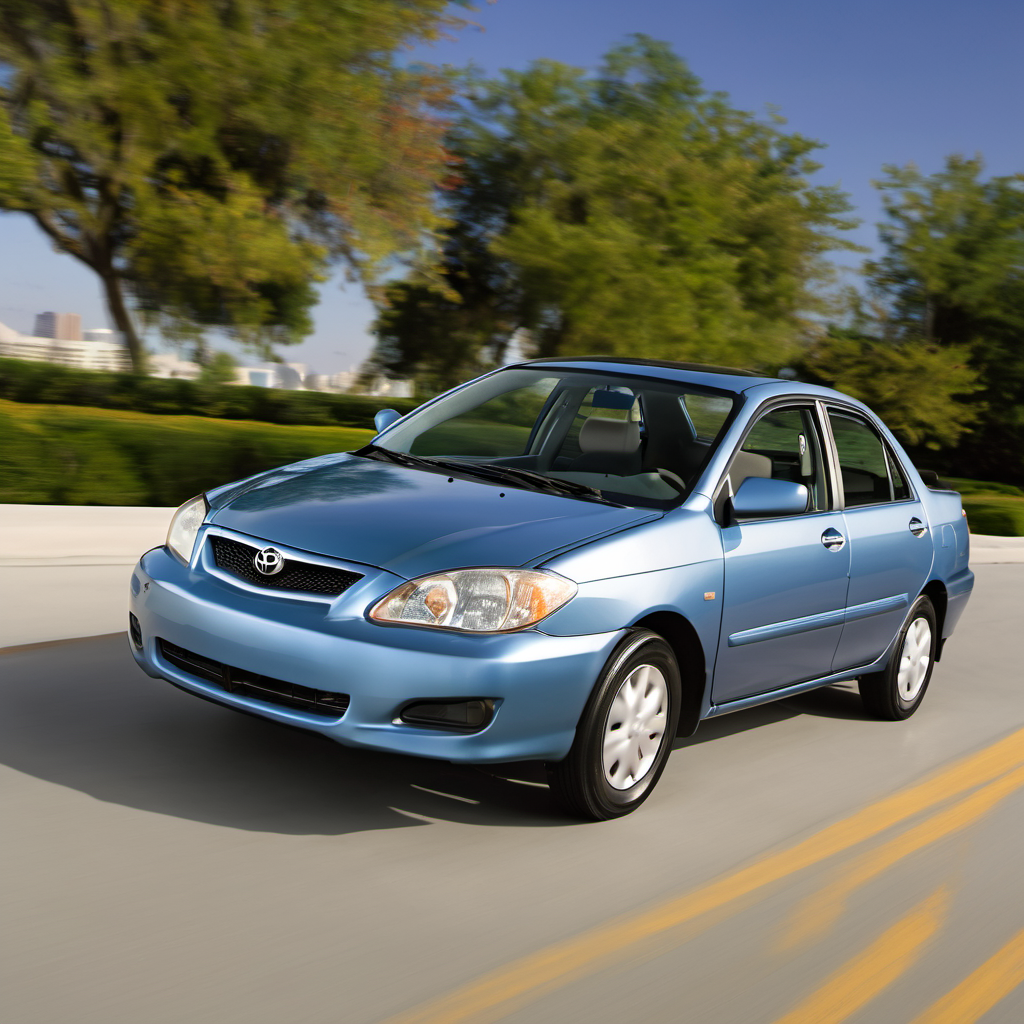
Direct competitor — FWD compact sedan, similar fuel economy, generally considered more durable over high mileage with broader used-market availability.
Sportier feel than the Lancer with a similarly simple drivetrain; strong reliability record and good parts support at independent shops.
No catalog match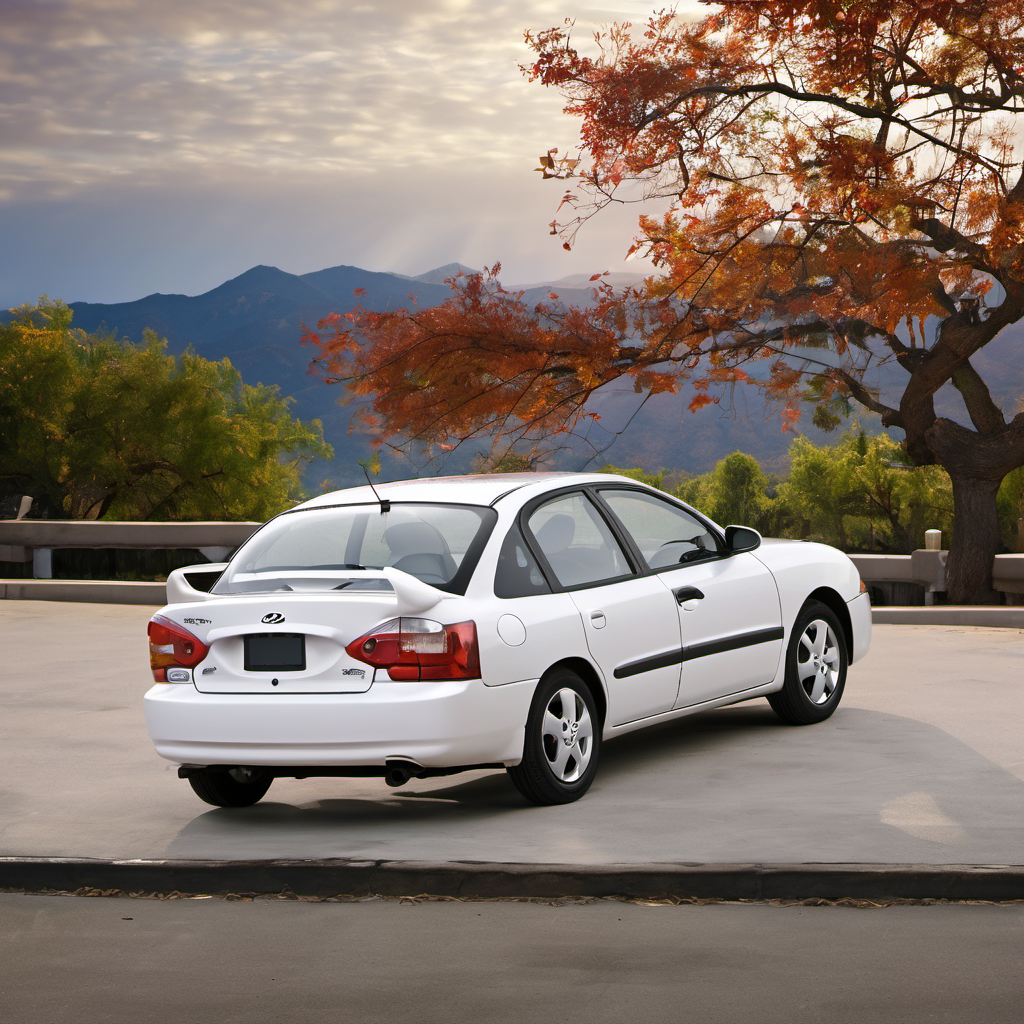
Comparable budget compact sedan from the same era; similar ownership cost profile and an easy alternative if Lancer-specific parts become hard to source.