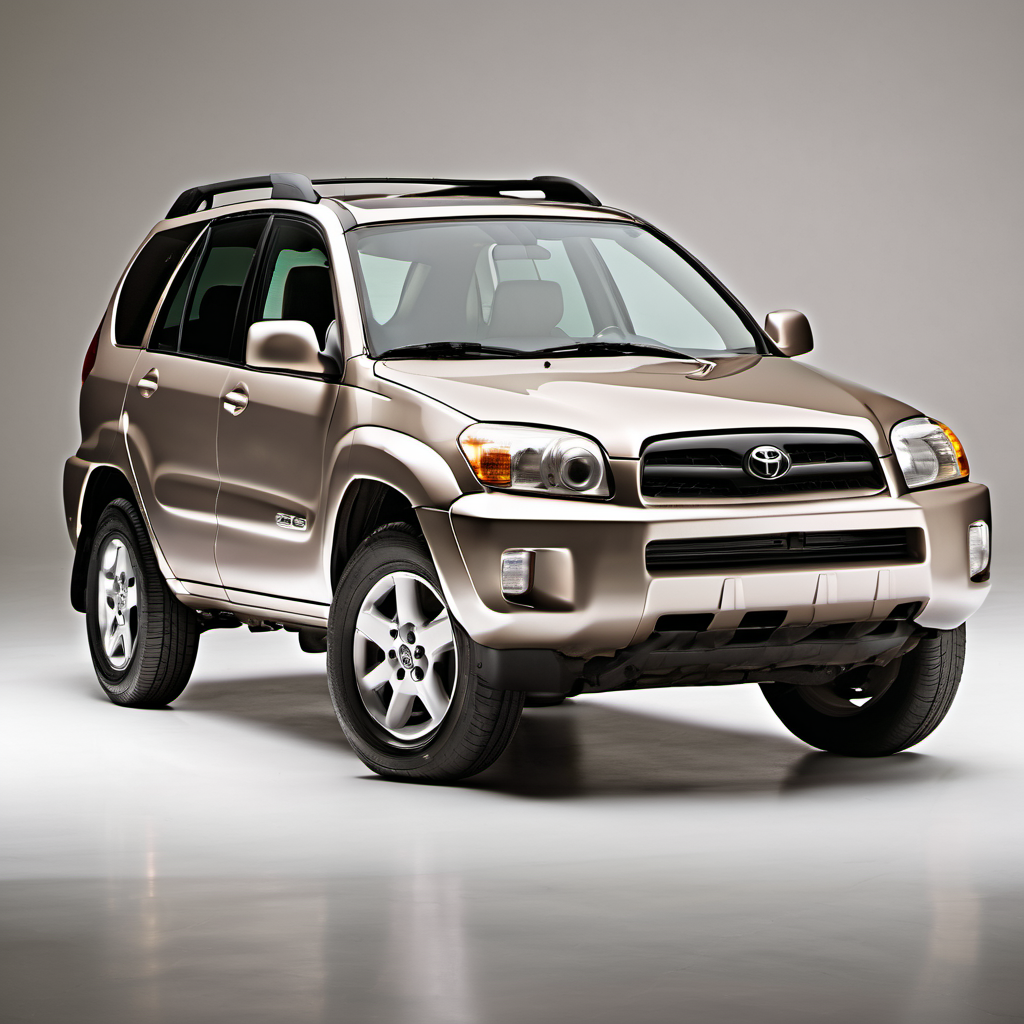
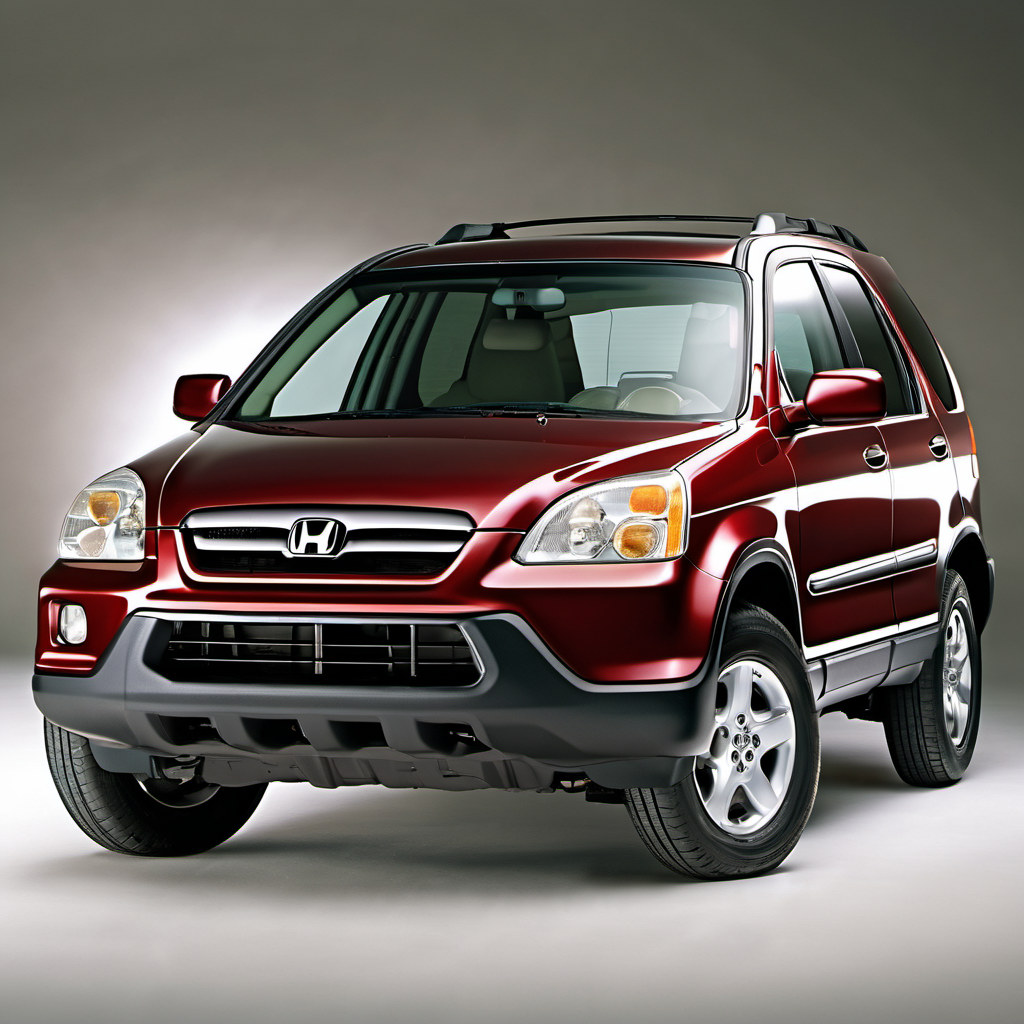
2005 Toyota RAV4 SUV

2005 Toyota

RAV4SUV

SUV

The 2005 Toyota RAV4 is a second-generation compact SUV that earned a strong reputation for straightforward reliability and reasonable running costs. Powered by a 2.4L four-cylinder paired with a four-speed automatic, it hits a sweet spot between car-like driving manners and genuine utility. At nearly 20 years old, most examples on the road today are high-mileage survivors — a testament to the platform's durability when basic maintenance has been kept up. This generation (2001–2005) is notably simpler than the third-gen that followed. Fewer electronic systems, a proven engine, and relatively inexpensive parts make it a practical choice for buyers who want low-drama ownership. The trade-off is a dated interior, modest cargo space by modern standards, and fuel economy that's only average for a compact crossover. In Lake Geneva's climate, pay close attention to the undercarriage — road salt eats at these older platforms, and rust on the frame rails, brake lines, and wheel wells is the number-one killer of otherwise mechanically sound RAV4s from this era.

Reliability
4/5
Verified data
Specs shown for RAV4 2WD — the most common configuration. Other trims may vary in engine, drivetrain, or fuel economy. Sign in to see your vehicle's exact specs.
Engine
[object Object]
Drivetrain
FWD
Fuel
Gasoline
MPG
21 city / 27 hwy / 23 combined
Seats
Doors
Body
Sport Utility Vehicle - 2WD

Overview

AI-curated

The 2005 Toyota RAV4 is a second-generation compact SUV that earned a strong reputation for straightforward reliability and reasonable running costs. Powered by a 2.4L four-cylinder paired with a four-speed automatic, it hits a sweet spot between car-like driving manners and genuine utility. At nearly 20 years old, most examples on the road today are high-mileage survivors — a testament to the platform's durability when basic maintenance has been kept up. This generation (2001–2005) is notably simpler than the third-gen that followed. Fewer electronic systems, a proven engine, and relatively inexpensive parts make it a practical choice for buyers who want low-drama ownership. The trade-off is a dated interior, modest cargo space by modern standards, and fuel economy that's only average for a compact crossover. In Lake Geneva's climate, pay close attention to the undercarriage — road salt eats at these older platforms, and rust on the frame rails, brake lines, and wheel wells is the number-one killer of otherwise mechanically sound RAV4s from this era.

Known for
  • Long engine life with routine oil changes
  • Simple, easy-to-work-on 2.4L 2AZ-FE four-cylinder
  • Car-like ride and handling for a compact SUV
  • Strong resale value retention even at high mileage
Best for
  • Daily commuters wanting a reliable used compact SUV
  • Buyers who prioritize low repair frequency over features
  • Light off-pavement use or snowy Wisconsin roads (AWD trim)
  • First-time used car buyers on a budget
Watch for
  • Rust and corrosion on frame, brake lines, and wheel wells — critical in Wisconsin
  • Oil consumption from carbon buildup on piston rings (2AZ-FE known issue)
  • Worn struts and suspension bushings on high-mileage examples
  • Automatic transmission service history — neglected fluid causes early failure

Common issues by mileage

6 known

Engine oil consumption / carbon buildup on piston rings (2AZ-FE)

high
Typically appears
80–150k mi
Estimated repair
$150 – $800

VVT-i system sluggishness — oil sludge restricting camshaft timing actuator

medium
Typically appears
70–130k mi
Estimated repair
$200 – $600

Oxygen sensor failure (upstream / downstream)

medium
Typically appears
90–150k mi
Estimated repair
$150 – $350

Struts and front suspension bushings worn out

high
Typically appears
80–130k mi
Estimated repair
$400 – $900

Rust perforation — brake lines, wheel wells, frame rails

high
Typically appears
Any mileage on Midwest/Wisconsin examples
Estimated repair
$300 – $2,500

Automatic transmission harsh shifting / slipping from neglected fluid

medium
Typically appears
100–180k mi
Estimated repair
$200 – $3,500

Maintenance schedule

  1. 1
    Every 5,000 miles or 6 months — use 5W-30 full synthetic on high-mileage examples Engine oil and filter change

    The 2AZ-FE is prone to oil sludge if intervals are stretched. Fresh oil is the single best protection against VVT-i actuator issues and ring carbon buildup.

  2. 2
    Every 30,000 miles on used vehicles with unknown history — use Toyota-spec ATF Automatic transmission fluid change

    Toyota's 'lifetime fluid' recommendation doesn't hold up on a 20-year-old used vehicle. Dark or burnt-smelling fluid causes premature transmission wear.

  3. 3
    Every 50,000 miles or 5 years Coolant flush

    Old coolant loses its anti-corrosion additives and can cause radiator and water pump damage — a real concern in Wisconsin's freeze-thaw cycles.

  4. 4
    Every fall, before winter salt season Brake line inspection for rust

    Road salt accelerates brake line corrosion. A failed brake line is a safety emergency. Catch rust-through early and replace proactively.

  5. 5
    Every 60,000 miles (iridium plugs per Toyota spec) Spark plug replacement

    Worn plugs on a 2AZ-FE cause rough idle and can worsen oil consumption symptoms.

  6. 6
    Every 30,000 miles or sooner if driven on dusty roads Air filter replacement

    A clogged air filter hurts fuel economy and can contribute to rich-running conditions.

  7. 7
    Every fall and after heavy salt exposure in winter Undercarriage wash and rust-inhibitor treatment

    Wisconsin road salt is the top killer of this platform. Annual undercarriage treatment significantly extends the vehicle's lifespan.

  8. 8
    Every fall, before temperatures drop below freezing Battery load test

    A marginal battery that starts fine in September will fail at -10°F. At 3–5 years old, any battery in this climate should be tested and replaced proactively.

Always defer to the manufacturer's service manual for warranty-mandated intervals.

Cost of ownership

Annual maintenance
$500 – $1,200
Fuel
At 23 MPG combined and ~12,000 miles/year, expect roughly $1,600–$1,900/year at current Wisconsin fuel prices.
Insurance
Typically $900–$1,300/year for full coverage in the Lake Geneva area on a vehicle of this age and value.

The 2005 RAV4 is a low-cost vehicle to maintain when it's been cared for. Routine service runs $500–$1,200 per year at an independent shop. The wildcard is deferred maintenance — a transmission service, strut replacement, or brake line repair on a neglected example can push a single year well over $2,000. Budget conservatively if the service history is unknown.
Seasonal care

Lake Geneva, WI
Winter
  • Test the battery every fall — sub-zero starts will expose any weak battery immediately. Replace proactively if it's over 4 years old.
  • Switch to full synthetic 5W-30 if not already running it; it flows better at cold-start temperatures and protects the 2AZ-FE's VVT-i system.
  • Flush windshield washer fluid and refill with a -20°F or colder rated fluid — Lake Geneva winters regularly hit those temps.
  • Inspect and replace wiper blades with winter-rated blades before the first snowfall.
  • Rinse the undercarriage thoroughly after every significant road-salt event — brake lines and frame rails on this generation are vulnerable.
  • Check tire tread depth; consider dedicated winter tires for Lake Geneva's snow and ice — the FWD-only RAV4 benefits significantly from winter rubber.
Summer
  • Check tire pressure monthly — pressure drops roughly 1 PSI for every 10°F of temperature change, and summer heat can mask underinflation.
  • Inspect the A/C system for proper cooling; the 2005 RAV4's A/C components are aging and refrigerant leaks become more common with age.
  • Check coolant level and condition before summer heat — a weakened cooling system will show its problems in stop-and-go summer traffic.
  • Inspect serpentine belt for cracking or glazing; heat accelerates rubber deterioration on a vehicle this age.

Comparable vehicles

If you're shopping for one

Red flags
  • No oil change records or service history whatsoever — walk away unless priced well below market.
  • Check Engine light on at purchase, especially P0012 or P0015 codes — these point to VVT-i sludge issues that may require expensive repairs.
  • Visible rust on brake lines or fuel lines — these are safety-critical and expensive to replace properly.
  • Transmission fluid that is dark brown or smells burnt — fluid this far gone often means internal damage is already underway.
  • Any sign of oil-water mixing (milky residue on oil cap or dipstick) — potential head gasket issue on a 20-year-old engine.
What to inspect
  • Undercarriage: Look at brake lines, fuel lines, and frame rails for active rust or perforation — this is the make-or-break inspection point on any Wisconsin-area 2005 RAV4.
  • Oil level and condition at purchase: Pull the dipstick. Milky oil means coolant intrusion; very dark, gritty oil means severely neglected intervals.
  • VVT-i actuator response: On a cold start, listen for a ticking or rattling sound that clears within 10–15 seconds. Prolonged ticking suggests sludge in the oil passages.
  • Transmission behavior: Drive through all gear ranges. Hesitation, hard shifts, or slipping are red flags — especially if fluid service history is unknown.
  • Strut condition: Push down firmly on each corner. More than one bounce-back means worn struts. Also listen for clunking over bumps.
  • Wheel wells and rear hatch area: Poke at any bubbling paint or surface rust — this is where perforation typically hides first.
AI profile generated 16 days ago · claude-sonnet-4-6 · v2.