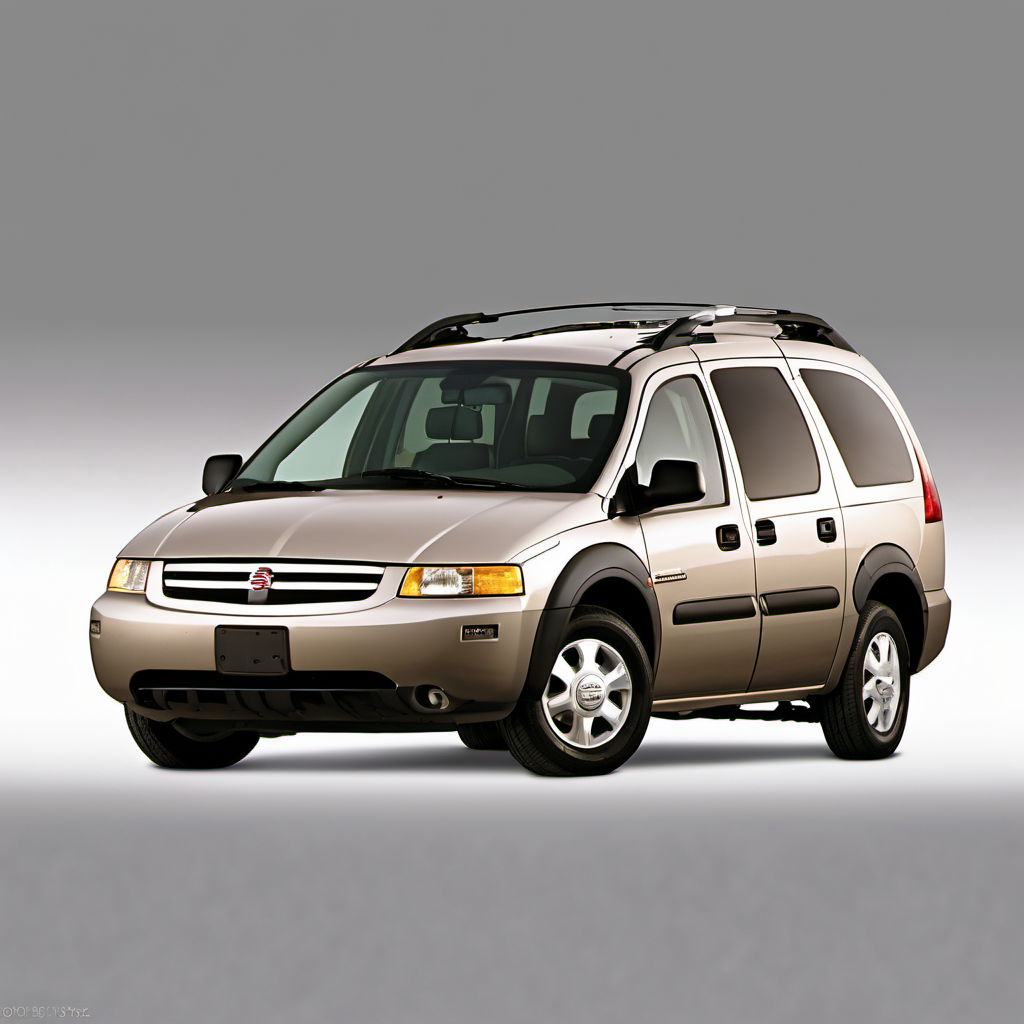
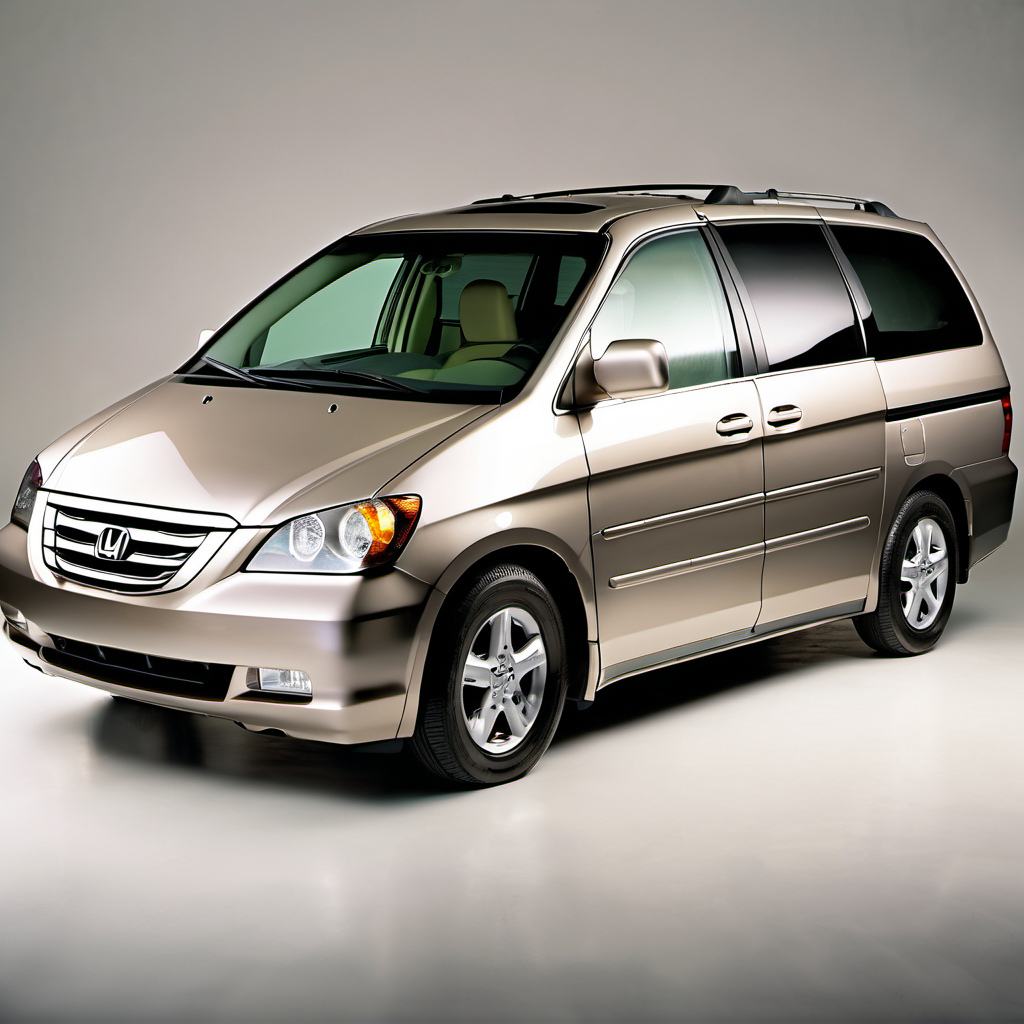
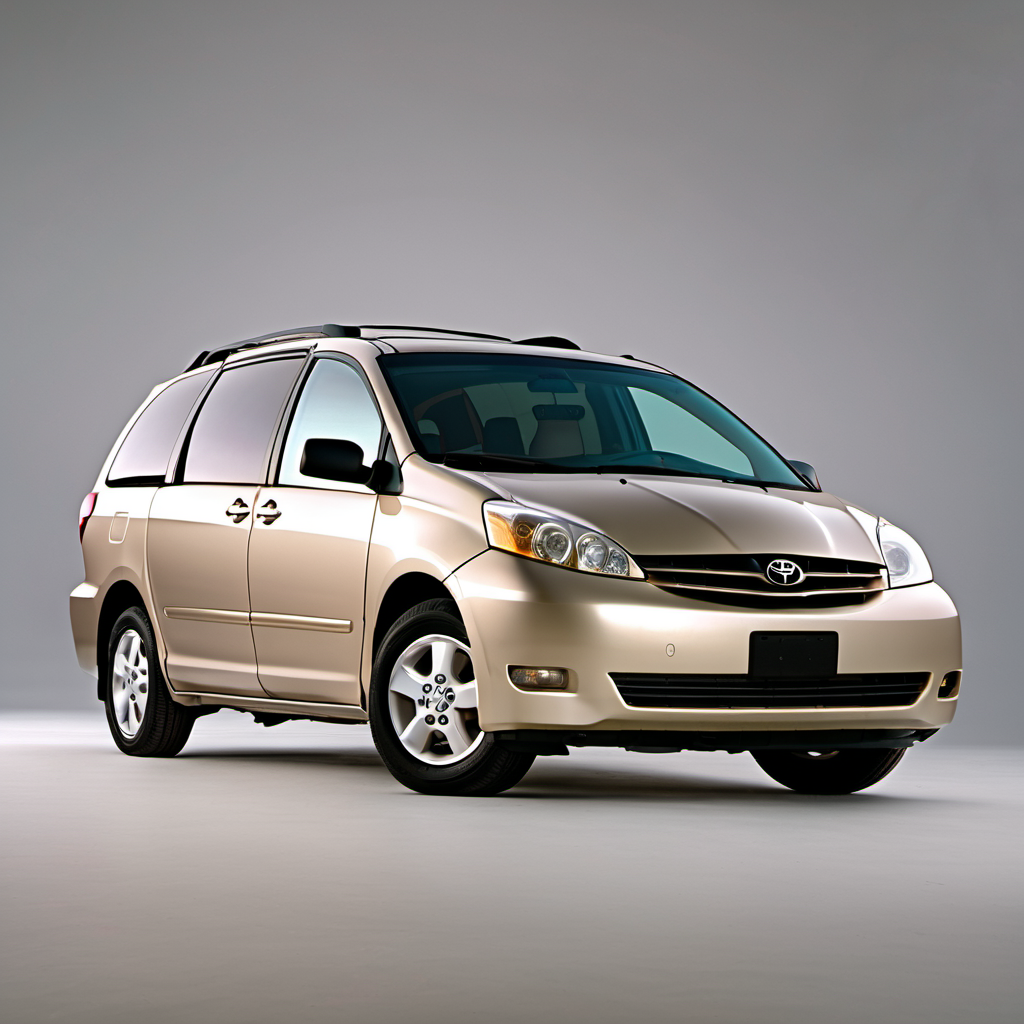
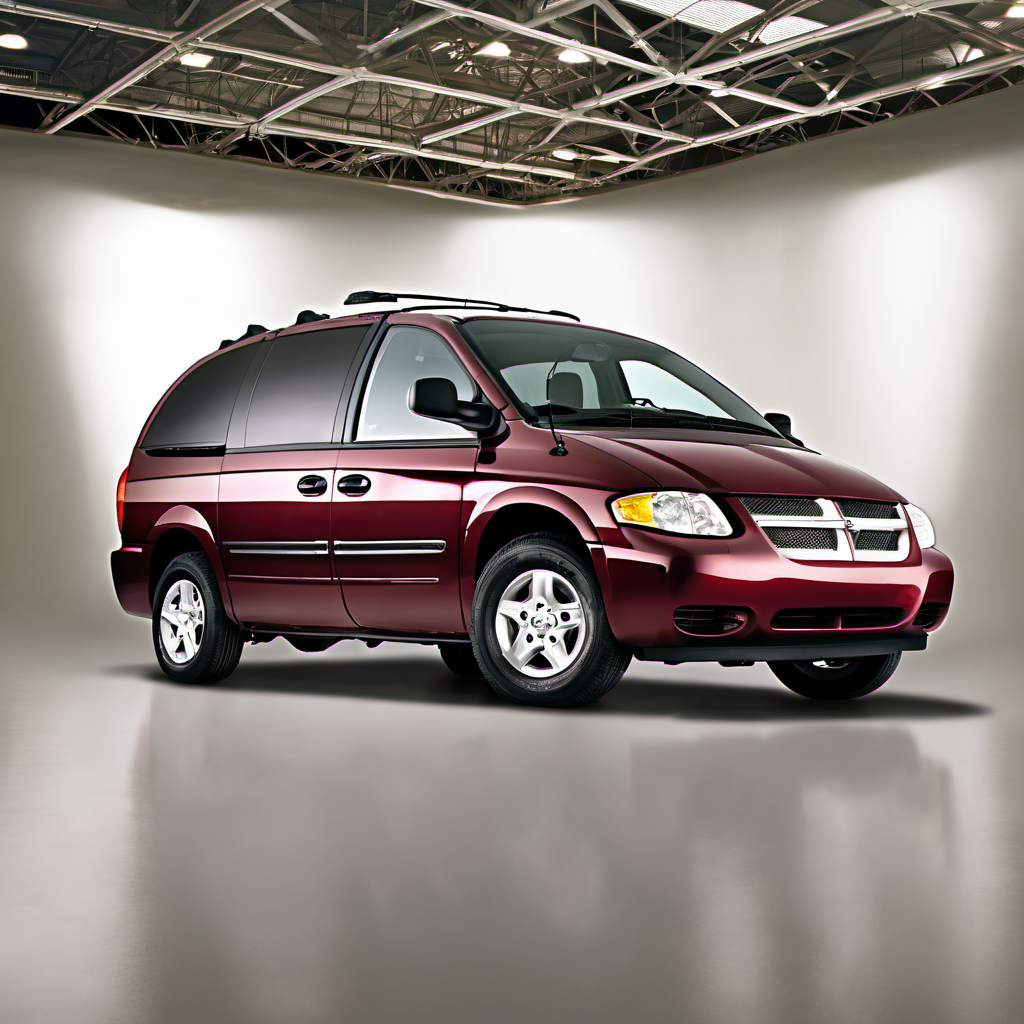
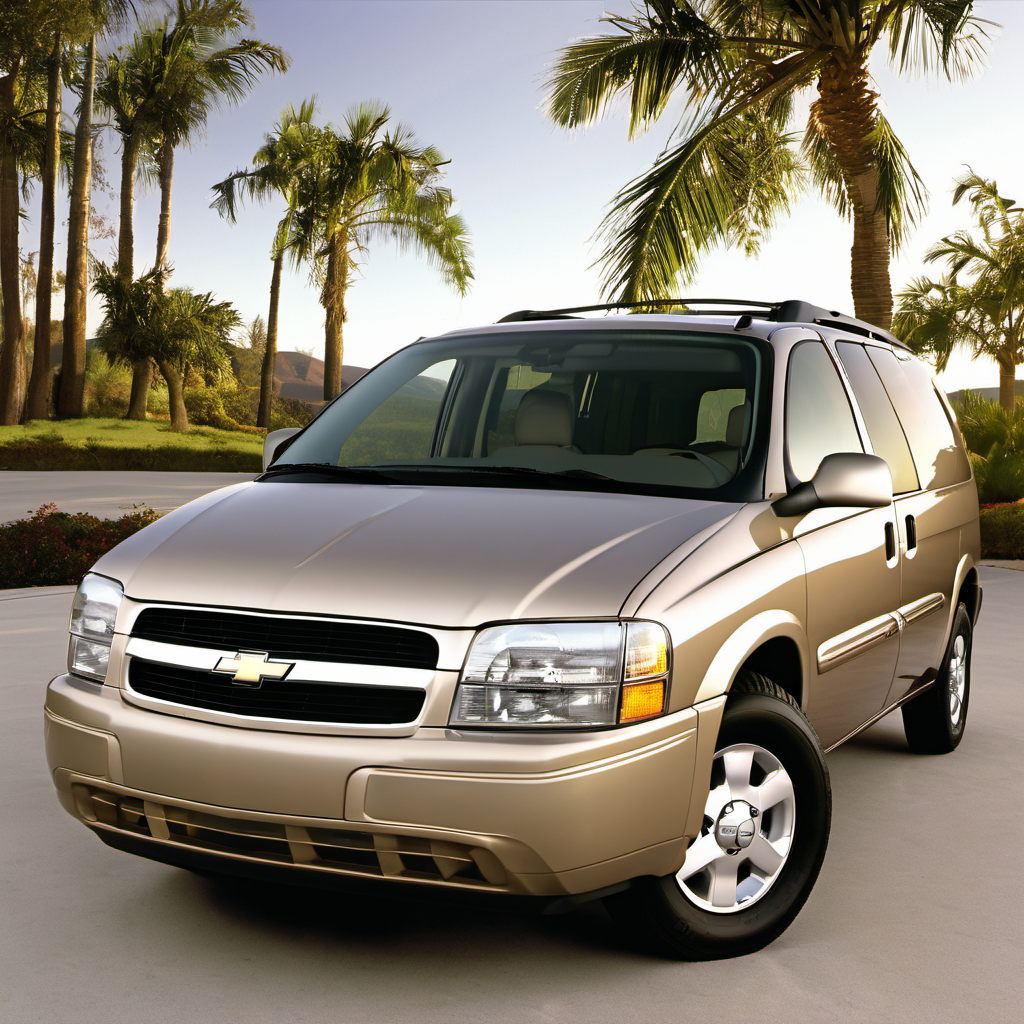
2005 Saturn Relay Van/Minivan

2005 Saturn

RelayVan/Minivan

Van/Minivan

The 2005 Saturn Relay is a front-wheel-drive minivan built on GM's U-body platform, shared with the Chevrolet Uplander, Pontiac Montana SV6, and Buick Terraza. It was sold through Saturn dealerships as a rebadged version of those vans, offering three-row seating and a 3.5L V6 engine mated to a 4-speed automatic. The Relay was intended to modernize Saturn's lineup with a family hauler, but the underlying platform had a rocky reputation and Saturn was ultimately discontinued in 2010. For a 2005 model, this van is now approaching 20 years old. Parts availability is declining as the Saturn brand is long gone, though many mechanical components are shared with Chevy Uplander and Pontiac Montana SV6, which helps. Expect age-related wear on door tracks, sliding door mechanisms, and suspension components — all common pain points on this generation of GM minivans. In the Lake Geneva area, rust is a real concern. These vans saw significant underbody corrosion in the upper Midwest due to road salt exposure, and a thorough undercarriage inspection is essential before purchase or continued ownership. Weigh ongoing maintenance costs carefully — at this age and price point, a major repair can easily exceed the vehicle's market value.

Reliability
2/5
Verified data
Specs shown for Relay FWD — the most common configuration. Other trims may vary in engine, drivetrain, or fuel economy. Sign in to see your vehicle's exact specs.
Engine
[object Object]
Drivetrain
FWD
Fuel
Gasoline
MPG
16 city / 23 hwy / 18 combined
Seats
Doors
Body
Minivan - 2WD

Overview

AI-curated

The 2005 Saturn Relay is a front-wheel-drive minivan built on GM's U-body platform, shared with the Chevrolet Uplander, Pontiac Montana SV6, and Buick Terraza. It was sold through Saturn dealerships as a rebadged version of those vans, offering three-row seating and a 3.5L V6 engine mated to a 4-speed automatic. The Relay was intended to modernize Saturn's lineup with a family hauler, but the underlying platform had a rocky reputation and Saturn was ultimately discontinued in 2010. For a 2005 model, this van is now approaching 20 years old. Parts availability is declining as the Saturn brand is long gone, though many mechanical components are shared with Chevy Uplander and Pontiac Montana SV6, which helps. Expect age-related wear on door tracks, sliding door mechanisms, and suspension components — all common pain points on this generation of GM minivans. In the Lake Geneva area, rust is a real concern. These vans saw significant underbody corrosion in the upper Midwest due to road salt exposure, and a thorough undercarriage inspection is essential before purchase or continued ownership. Weigh ongoing maintenance costs carefully — at this age and price point, a major repair can easily exceed the vehicle's market value.

Known for
  • Shared GM U-body platform with Uplander, Montana SV6, and Terraza
  • Flexible three-row seating with middle-row removable seats
  • Adequate 3.5L V6 power for family hauling
  • Below-average long-term reliability for the minivan segment
  • Sliding door and power door mechanism issues
Best for
  • Budget-conscious families needing three-row capacity
  • Short-term or low-mileage use where value matters over longevity
  • Buyers who can do their own mechanical work
Watch for
  • Significant underbody rust from Midwest road salt exposure
  • Sliding door track and actuator failures
  • Transmission longevity with high mileage examples
  • Declining parts availability for Saturn-specific trim pieces
  • Intake manifold gasket leaks common on GM 3.5L V6

Common issues by mileage

6 known

Intake Manifold Gasket Leak

high
Typically appears
60–120k mi
Estimated repair
$350 – $650

Power Sliding Door Failure (motor, track, or actuator)

high
Typically appears
50–150k mi
Estimated repair
$200 – $800

Oxygen Sensor / Heater Circuit Failure

medium
Typically appears
80–130k mi
Estimated repair
$150 – $350

4-Speed Automatic Transmission Wear

medium
Typically appears
100–160k mi
Estimated repair
$1,800 – $3,500

Underbody / Frame Rail Rust (Midwest salt exposure)

high
Typically appears
Any mileage on upper-Midwest vehicles
Estimated repair
$500 – $3,000

Maintenance schedule

  1. 1
    Every 5,000 miles or 6 months Engine oil and filter change

    The 3.5L V6 is sensitive to sludge buildup, which accelerates VVT solenoid and camshaft timing issues. Clean oil is the best preventive measure.

  2. 2
    Every 30,000 miles Transmission fluid service

    The 4-speed automatic in this platform is not known for longevity. Regular fluid changes significantly extend service life, especially on aging high-mileage vans.

  3. 3
    Every 50,000 miles or at coolant change Coolant flush and intake manifold gasket inspection

    Intake manifold gasket leaks on this V6 often allow coolant seepage that goes unnoticed until overheating occurs. Inspect proactively.

  4. 4
    Every 12 months (fall recommended) Sliding door track cleaning and lubrication

    Salt, grit, and road debris pack into the sliding door track and accelerate wear on rollers and actuators. Clean and lubricate before winter.

  5. 5
    Every fall, before temperatures drop below freezing Battery load test

    Wisconsin winters are hard on batteries. A battery that tests marginal in October will often fail in January. Replace proactively if it's over 4 years old.

  6. 6
    Every 12 months or 15,000 miles Brake inspection (pads, rotors, and brake lines)

    Salt accelerates brake line corrosion on upper-Midwest vehicles. Inspect lines and hoses for rust and cracking annually — a rusted brake line can fail without warning.

  7. 7
    Every 5,000–6,000 miles; pressure check monthly in winter Tire rotation and pressure check

    Tire pressure drops approximately 1 PSI for every 10°F drop in temperature. Under-inflated tires on a heavy FWD minivan significantly increase stopping distance on snow and ice.

  8. 8
    Every 60,000 miles or at signs of cracking/glazing Serpentine belt and tensioner inspection

    Cold starts in sub-zero temperatures stress belts and tensioners. A failure leaves you stranded — inspect annually on vehicles this age.

Always defer to the manufacturer's service manual for warranty-mandated intervals.

Cost of ownership

Annual maintenance
$900 – $2,200
Fuel
At 18 MPG combined and typical Wisconsin driving, expect roughly $2,400–$2,900/year at current regional gas prices. Highway-heavy use will improve this noticeably.
Insurance
Typically low for a 20-year-old minivan — expect $600–$1,100/year depending on coverage level, driving history, and whether you carry comprehensive on a vehicle of this value.

The Relay is inexpensive to insure and buy outright, but it's at the age where deferred maintenance catches up fast. Budget for at minimum one significant repair per year. If intake manifold gaskets, transmission, or rust remediation are needed, annual costs can spike well above $2,000. At current market values, a single major repair can total the vehicle economically — factor that into ownership decisions.
Seasonal care

Lake Geneva, WI
Winter
  • Load-test the battery every October — cold cranking a heavy V6 in sub-zero temps will expose any weakness fast.
  • Switch to a winter-rated washer fluid rated to at least -20°F; the 3.5L runs warm but the reservoir and lines can freeze overnight.
  • Inspect brake lines and fuel lines for rust-through before winter; salt exposure on a 20-year-old Midwest vehicle makes this critical.
  • Clean and lubricate the power sliding door tracks in late fall — salt and ice will seize rollers and damage the motor if the track is gritty.
  • Check tire tread depth and pressure monthly; FWD helps in snow but a heavy, loaded minivan still needs adequate tread to stop safely.
  • Keep at least half a tank of fuel in winter to reduce condensation in the fuel system and prevent fuel line freeze in extreme cold.
Summer
  • Inspect the A/C system for refrigerant leaks before the first heat wave — cabin cooling for seven passengers demands a fully charged system.
  • Check coolant concentration and condition; the intake manifold gasket weakness on this engine can cause slow coolant loss that accelerates in hot weather.
  • Monitor tire pressure closely — summer heat increases pressure by 4–6 PSI and overinflated tires on a heavy van wear unevenly and reduce wet traction.
  • Inspect the serpentine belt for cracking or glazing; heat cycles accelerate belt aging and a failure leaves the cooling fan and A/C inoperable.

Comparable vehicles

If you're shopping for one

Red flags
  • Any surface rust on the frame or subframe mounting points — structural rust can make the vehicle unsafe and uneconomical to repair.
  • Power sliding door that hesitates, grinds, or fails to latch — often a sign of a worn-out track or motor near the end of its life.
  • Coolant loss without an obvious external leak — suspect intake manifold gaskets at minimum.
  • Transmission that slips, hesitates on upshift, or shows delayed engagement from a cold start.
  • A check engine light combined with VVT-related DTCs (P0012, P0015, P0022, P0025, P0026–P0029) — these can indicate sludged oil passages that require engine disassembly to correct properly.
  • Any seller who cannot provide service records — at 20 years old, an unknown maintenance history is a serious risk flag.
What to inspect
  • Full undercarriage inspection for rust on frame rails, brake lines, fuel lines, and subframe mounting points — this is the top priority on any upper-Midwest vehicle this age.
  • Test every function of the power sliding doors (open, close, manual override) — repair or replacement is expensive and chronic on this platform.
  • Check for coolant smell or milky residue under the oil cap, which indicates an intake manifold gasket leak or, worse, head gasket trouble.
  • Verify transmission shifts smoothly through all gears with no slipping, shuddering, or delayed engagement — rebuilds are costly relative to vehicle value.
  • Scan for stored and pending DTCs before purchase; VVT/camshaft timing codes (P0012, P0015, P0022, P0025) or transmission codes indicate potentially expensive repairs ahead.
  • Inspect all three rows of seats for proper folding, latching, and removal — mechanisms are plastic-heavy and break with age.
AI profile generated 11 days ago · claude-sonnet-4-6 · v2.