Intake Manifold Gasket Failure
high- Typically appears
- 60–120k mi
- Estimated repair
- $400 – $750
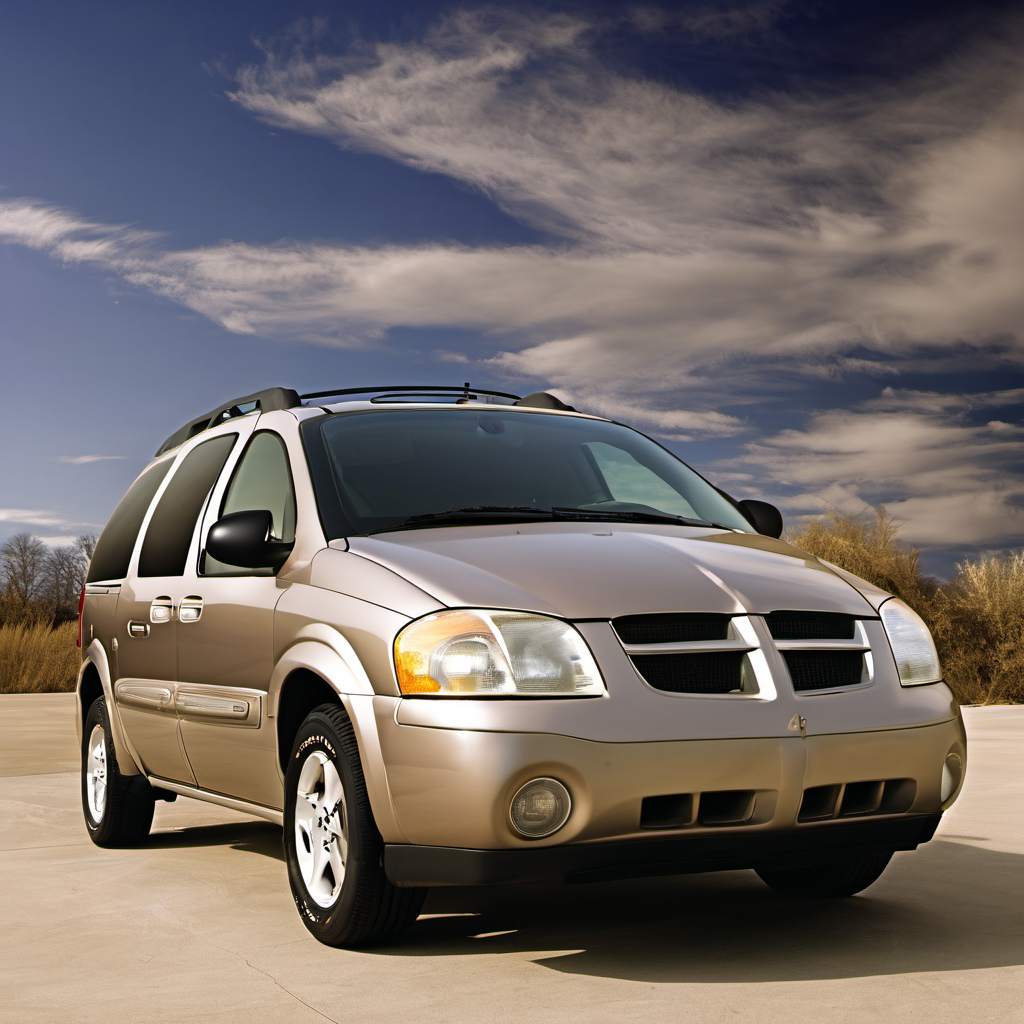
2005 Pontiac
3.5L V6 · Van/Minivan
The 2005 Pontiac Montana SV6 is a front-wheel-drive minivan built on GM's U-body platform, shared with the Chevrolet Uplander, Buick Terraza, and Saturn Relay. It replaced the original Montana and was Pontiac's last minivan before the brand's discontinuation in 2010. It seats up to seven, offers a sliding rear door on each side, and was positioned as a slightly sportier take on the GM minivan formula. Power comes from a 3.5L V6 producing 200 hp, mated to a 4-speed automatic. While the van is reasonably capable for family hauling, the platform it rides on was considered dated at launch compared to rivals like the Honda Odyssey and Toyota Sienna. Fuel economy and reliability are middle-of-the-road for the era. By 2005, GM was already winding down its minivan investment, and the SV6 shows it — interior materials are below class average and long-term ownership reveals several recurring mechanical and electrical issues that buyers should be prepared for. These vans are now nearly 20 years old, so condition and maintenance history matter enormously.
The 2005 Pontiac Montana SV6 is a front-wheel-drive minivan built on GM's U-body platform, shared with the Chevrolet Uplander, Buick Terraza, and Saturn Relay. It replaced the original Montana and was Pontiac's last minivan before the brand's discontinuation in 2010. It seats up to seven, offers a sliding rear door on each side, and was positioned as a slightly sportier take on the GM minivan formula. Power comes from a 3.5L V6 producing 200 hp, mated to a 4-speed automatic. While the van is reasonably capable for family hauling, the platform it rides on was considered dated at launch compared to rivals like the Honda Odyssey and Toyota Sienna. Fuel economy and reliability are middle-of-the-road for the era. By 2005, GM was already winding down its minivan investment, and the SV6 shows it — interior materials are below class average and long-term ownership reveals several recurring mechanical and electrical issues that buyers should be prepared for. These vans are now nearly 20 years old, so condition and maintenance history matter enormously.
The 3.5L V6 VVT system depends on clean oil pressure to operate cam phasers correctly. Dirty oil accelerates wear on actuators and is a leading cause of P0012/P0015/P0022/P0025 codes.
GM's 4T65-E automatic is sensitive to degraded fluid. Most transmission failures on these vans trace back to neglected fluid. Use the correct Dexron VI spec fluid.
Intake manifold gaskets on this V6 family are a known failure point. Coolant leaks into the oil or combustion chamber cause serious secondary damage if ignored.
Dirt and Wisconsin road salt dry out the sliding door tracks and corrode latch mechanisms. A $10 lube job now prevents a $300–$500 repair later.
Belt failure leaves you stranded and can damage the alternator. Tensioners on this engine wear out at similar intervals.
Wisconsin winters are hard on batteries. A battery that starts fine in September may fail at -10°F in January. Load testing catches marginal batteries before they fail.
Worn plugs and cracked wires cause misfires that stress the catalytic converter and worsen fuel economy noticeably on this V6.
Wisconsin road salt is aggressive. Inspect brake lines, fuel lines, and frame rails annually. Early surface rust treated with inhibitor is far cheaper than structural repairs.
Always defer to the manufacturer's service manual for warranty-mandated intervals.
The SV6 is cheap to buy but not cheap to own if it's been neglected. Routine maintenance on a well-kept example runs $600–$900/year. Factor in a buffer of $500–$700/year for age-related repairs — sliding door components, O2 sensors, ignition parts — and budget more aggressively if the intake manifold gasket hasn't been addressed. A transmission job, if needed, will run $1,500–$3,200 at an independent shop and can exceed the vehicle's current market value.
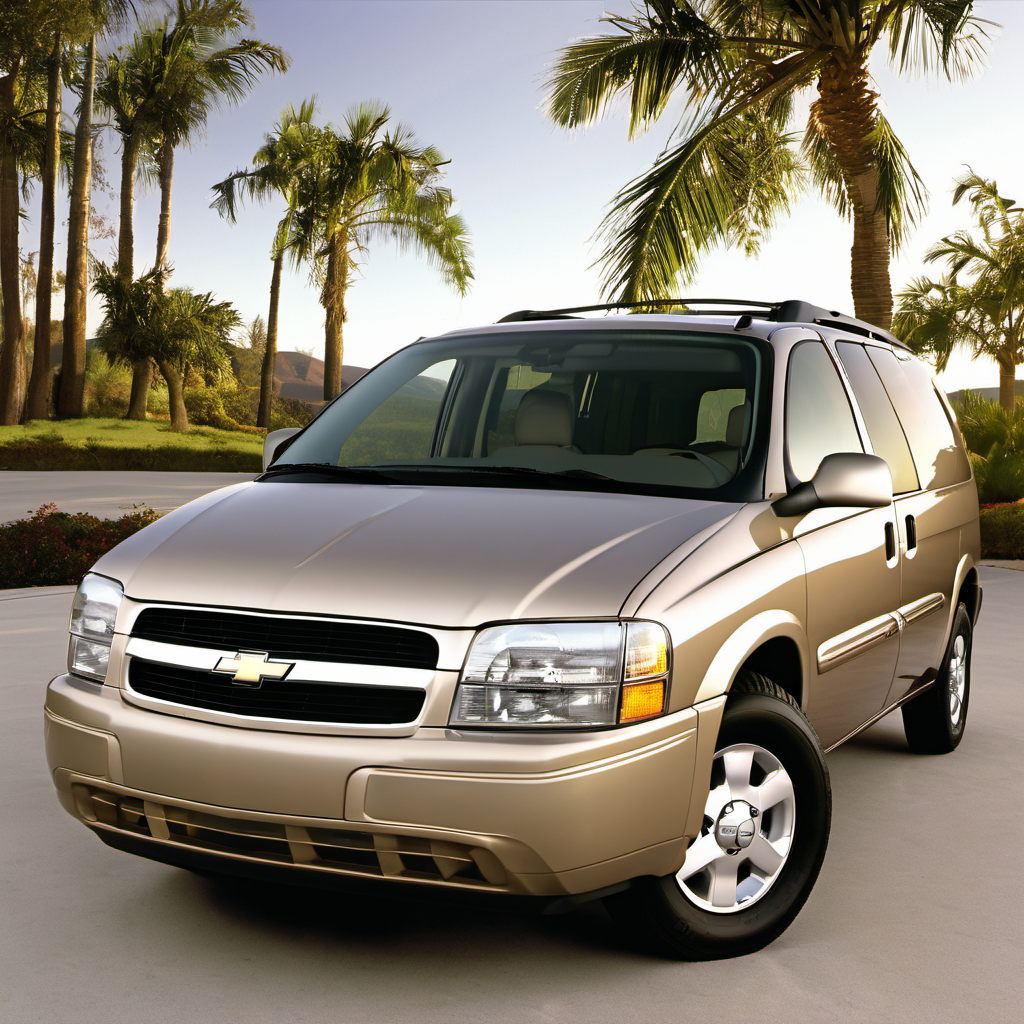
Mechanically identical — same GM U-body platform, same 3.5L V6, same transmission. If you're cross-shopping, the differences are cosmetic. Check whichever example has better maintenance history and less rust.
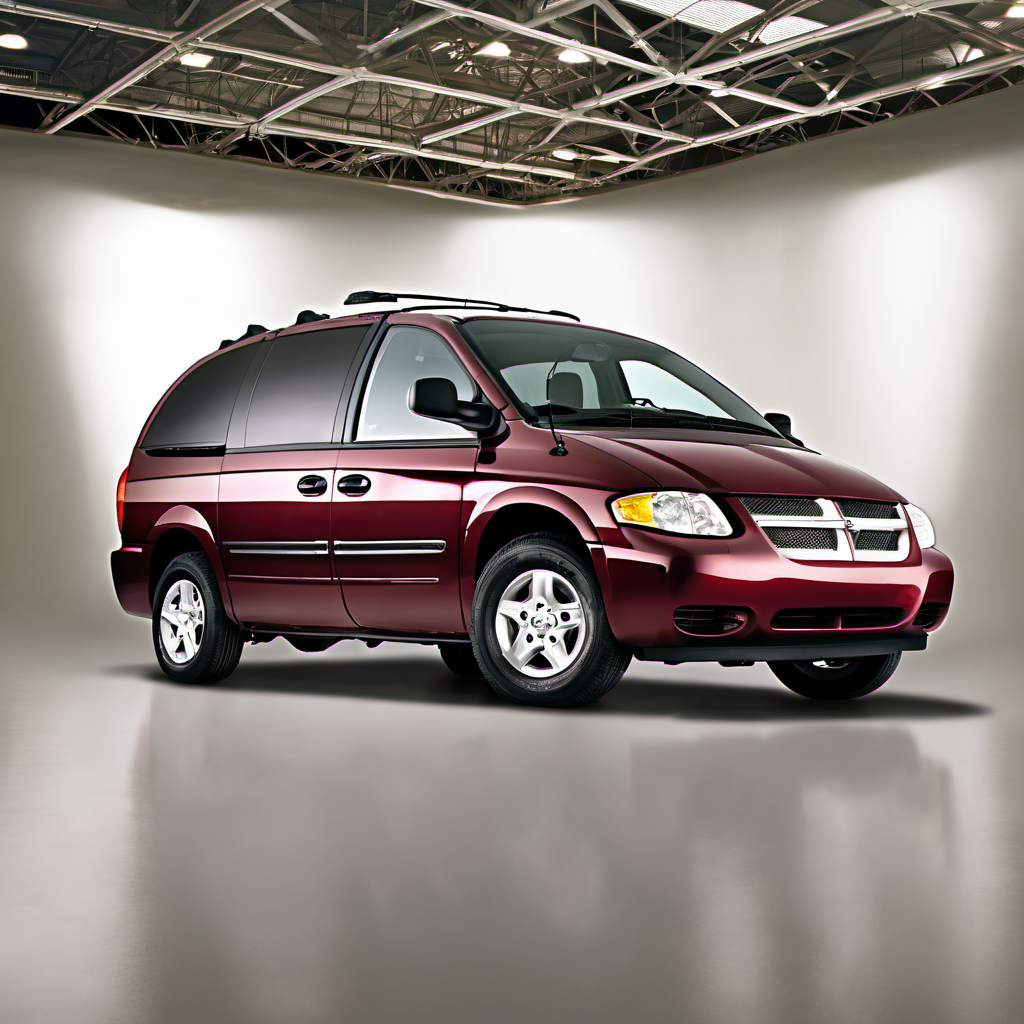
Dominant minivan of the era. More parts availability, more independent shop familiarity, and a stronger long-term reliability track record than the SV6. Slightly more expensive used.
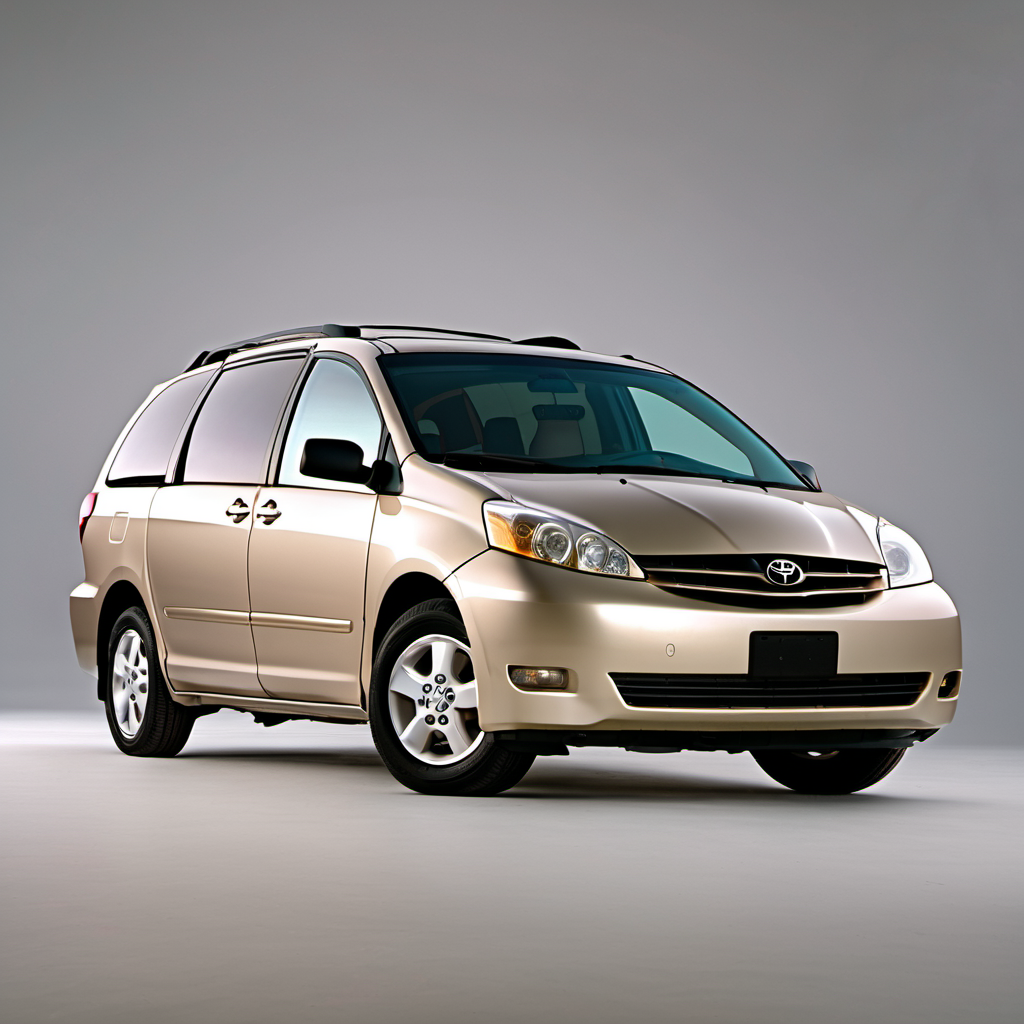
Significantly more reliable long-term with the 3.3L/3.5L V6. Higher used purchase price, but lower lifetime ownership cost. Worth stretching the budget for if longevity is the priority.
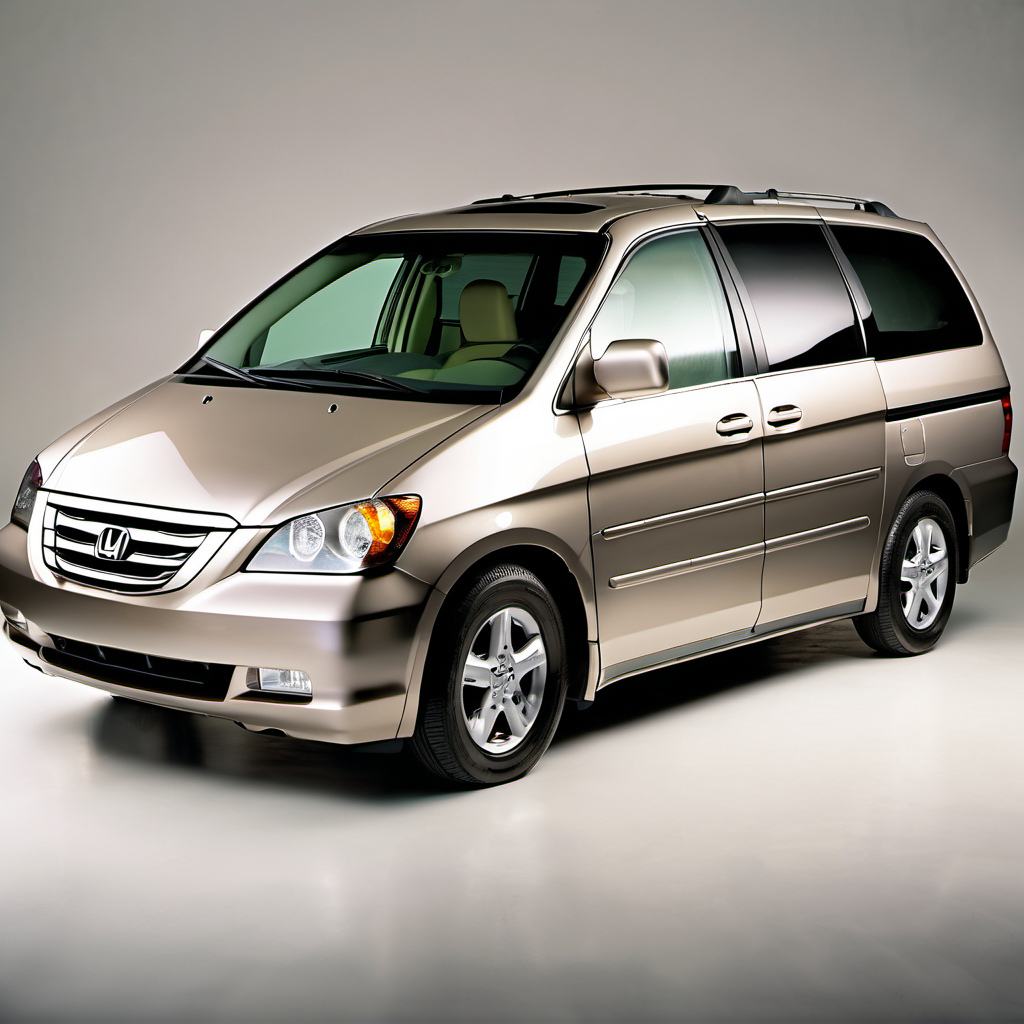
Best-in-class interior, stronger resale, and proven drivetrain reliability. Transmission issues are a known concern on 2002–2004 models, but the 2005 is significantly improved. Costs more used but earns it.