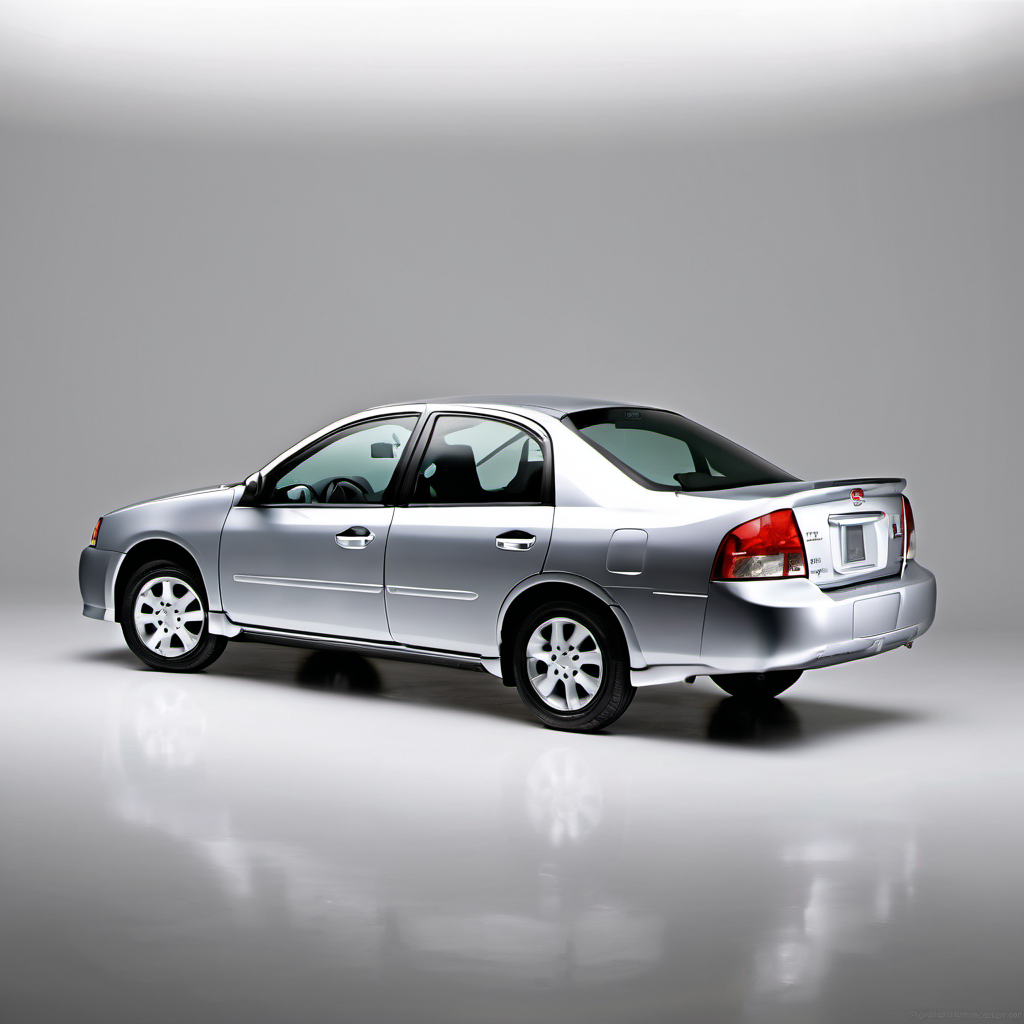
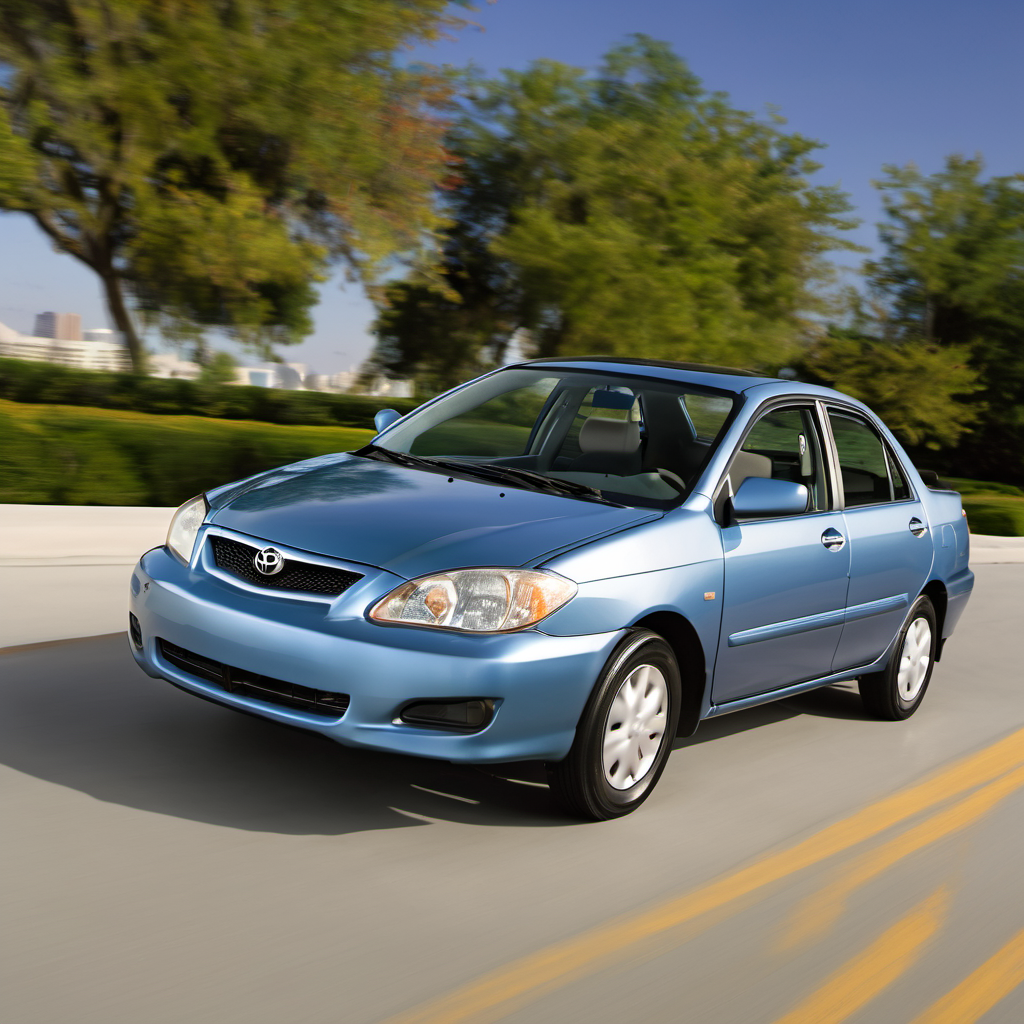
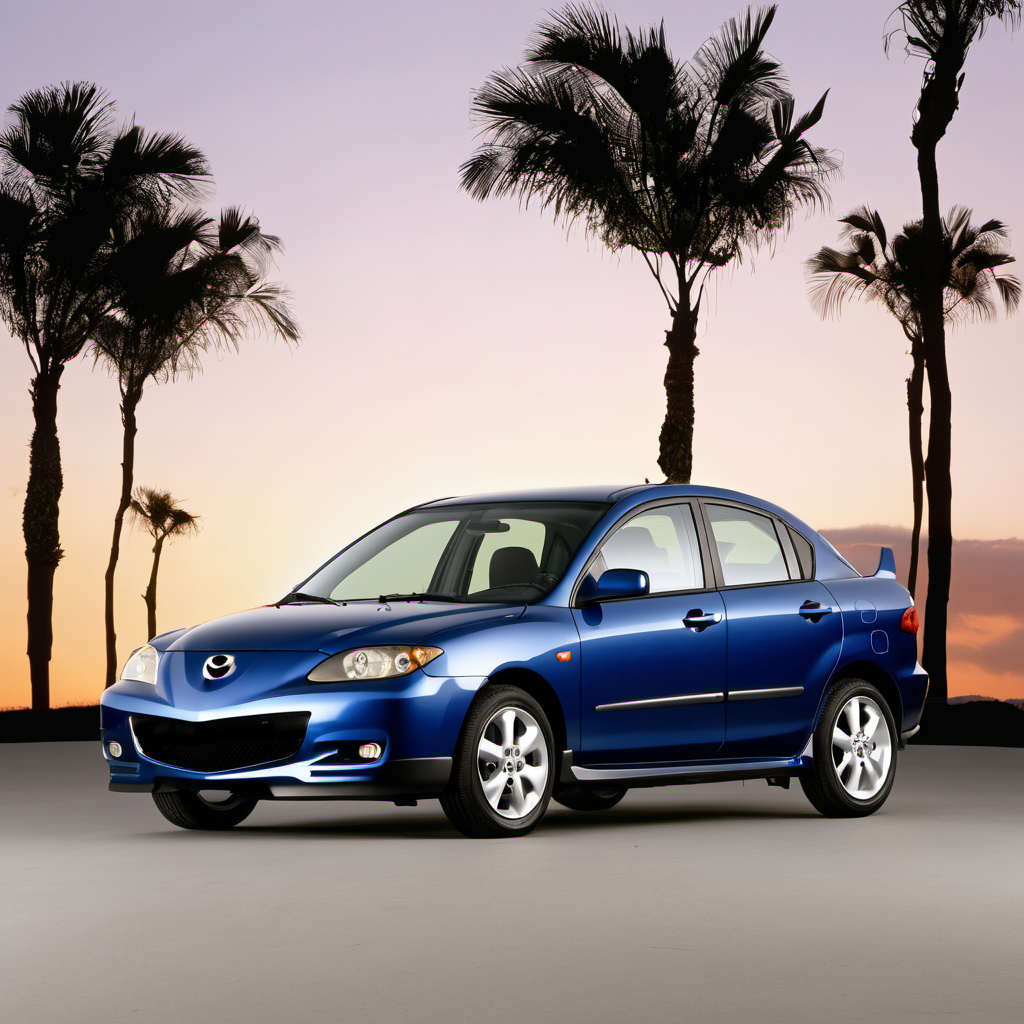
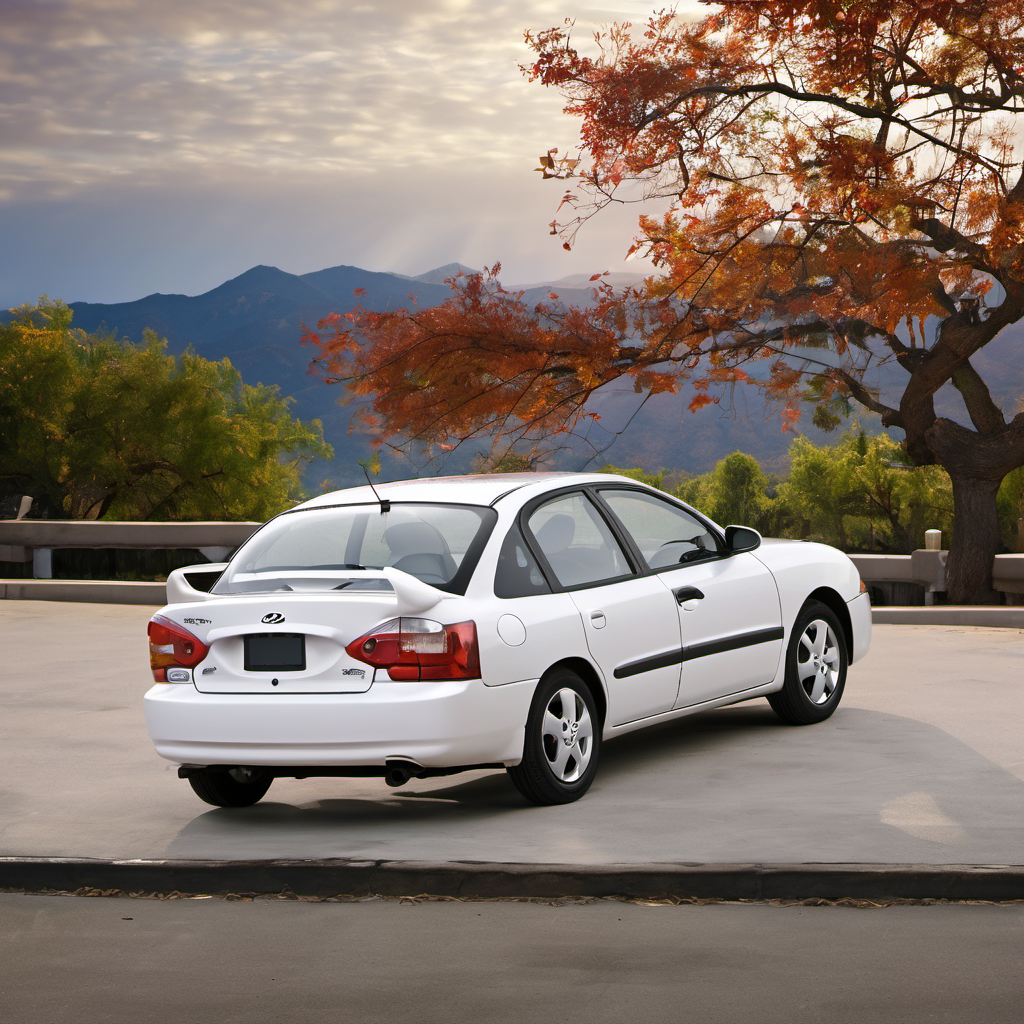
2005 Nissan Sentra Sedan

2005 Nissan

SentraSedan

Sedan

The 2005 Nissan Sentra is a compact front-wheel-drive sedan built on Nissan's B15 platform, which ran from 2000 through 2006. It was marketed as a sensible, fuel-efficient commuter and was one of Nissan's best-selling entry-level cars during that era. The 1.8L four-cylinder is a simple, proven engine that holds up well when given routine maintenance — it's not fast, but it's honest and inexpensive to keep running. By 2005, the B15 Sentra was a mature, well-sorted design. Parts are plentiful, independent shop labor is straightforward, and most owners report low surprise costs as long as they stay on top of oil changes and cooling system service. It's a car that rewards attentive ownership and punishes neglect, particularly around the timing chain and exhaust sensors. At 20 years old now, any surviving 2005 Sentra will likely have high mileage. Rust from road salt is the single biggest threat to longevity in the upper Midwest — more so than any mechanical issue. A thorough undercarriage inspection is essential before purchase.

Reliability
3/5
Verified data
Specs shown for Sentra — the most common configuration. Other trims may vary in engine, drivetrain, or fuel economy. Sign in to see your vehicle's exact specs.
Engine
[object Object]
Drivetrain
FWD
Fuel
Gasoline
MPG
24 city / 31 hwy / 27 combined
Seats
Doors
Body
Compact Cars

Overview

AI-curated

The 2005 Nissan Sentra is a compact front-wheel-drive sedan built on Nissan's B15 platform, which ran from 2000 through 2006. It was marketed as a sensible, fuel-efficient commuter and was one of Nissan's best-selling entry-level cars during that era. The 1.8L four-cylinder is a simple, proven engine that holds up well when given routine maintenance — it's not fast, but it's honest and inexpensive to keep running. By 2005, the B15 Sentra was a mature, well-sorted design. Parts are plentiful, independent shop labor is straightforward, and most owners report low surprise costs as long as they stay on top of oil changes and cooling system service. It's a car that rewards attentive ownership and punishes neglect, particularly around the timing chain and exhaust sensors. At 20 years old now, any surviving 2005 Sentra will likely have high mileage. Rust from road salt is the single biggest threat to longevity in the upper Midwest — more so than any mechanical issue. A thorough undercarriage inspection is essential before purchase.

Known for
  • Fuel-efficient 1.8L engine that's simple to service
  • Low parts and labor costs at independent shops
  • Predictable, easy-to-drive FWD handling
  • Reliable automatic or manual transmission options
Best for
  • Budget-conscious daily commuters
  • First-time car owners
  • City and highway driving with frequent short trips
  • Owners who do their own basic maintenance
Watch for
  • Rust and undercarriage corrosion — critical in Wisconsin
  • Catalytic converter and oxygen sensor degradation at high mileage
  • Coolant leaks from aging hoses and the radiator
  • Worn suspension bushings and struts on high-mileage examples
  • Oil sludge buildup if oil changes were neglected

Common issues by mileage

6 known

Oxygen Sensor Failure (Bank 1, Sensor 1 & 2)

high
Typically appears
80–130k mi
Estimated repair
$150 – $320

Catalytic Converter Degradation

medium
Typically appears
100–150k mi
Estimated repair
$350 – $750

Coolant Leak — Hoses, Thermostat Housing, or Radiator

high
Typically appears
90–140k mi
Estimated repair
$120 – $450

Strut and Shock Absorber Wear

high
Typically appears
80–120k mi
Estimated repair
$300 – $600

Oil Sludge Buildup (from neglected oil changes)

medium
Typically appears
60–120k mi
Estimated repair
$200 – $1,200

Rust — Brake Lines, Fuel Lines, Subframe

high
Typically appears
Any mileage on salted roads
Estimated repair
$300 – $2,000

Maintenance schedule

  1. 1
    Every 5,000 miles or 6 months Engine oil and filter change

    The QG18DE is susceptible to oil sludge if intervals are stretched. On a 20-year-old car, use conventional or a quality synthetic and stick to the short interval.

  2. 2
    Every 30,000 miles or 2 years Coolant flush and refill

    Old coolant loses its corrosion inhibitors and accelerates corrosion in the aluminum cylinder head and radiator — both expensive to replace.

  3. 3
    Every 60,000 miles Spark plugs (platinum)

    Stock platinum plugs are long-lived but worn plugs cause rough idle and reduced fuel economy on this engine.

  4. 4
    Every 15,000–20,000 miles Air filter

    Dirty air filter hurts MPG and can cause rough idle. Easy DIY on this engine.

  5. 5
    Every 2 years Brake fluid flush

    Brake fluid absorbs moisture over time. Wisconsin winters accelerate internal caliper and ABS modulator corrosion — fresh fluid helps.

  6. 6
    Every 60,000 miles or at first sign of cracking Inspect and replace serpentine belt

    A snapped belt leaves you stranded and can damage the alternator and power steering pump.

  7. 7
    Every spring Undercarriage rust inspection

    Brake lines, fuel lines, and the subframe mounting points are prime rust spots on Wisconsin-driven Sentras. Catching early surface rust before it eats through a line prevents a dangerous failure.

  8. 8
    Every 30,000–45,000 miles Transmission fluid change (automatic)

    The 4-speed RE4F04B automatic is reliable but benefits greatly from regular fluid changes. Neglected fluid darkens and causes sluggish shifts.

Always defer to the manufacturer's service manual for warranty-mandated intervals.

Cost of ownership

Annual maintenance
$400 – $900
Fuel
At 27 MPG combined and ~12,000 miles/year, expect roughly $1,400–$1,700/year in fuel at current upper Midwest gas prices.
Insurance
Typically one of the cheapest vehicles to insure — expect $700–$1,100/year for full coverage depending on driver profile and zip code.

The 2005 Sentra is one of the cheapest compact sedans to own and operate. Routine maintenance is inexpensive because parts are widely available and labor time is low. The biggest wildcard on a 20-year-old example is rust-related repairs, which can easily exceed $1,000 on a heavily corroded car. Catch rust early and this car can be very cheap transportation.

Seasonal care

Lake Geneva, WI
Winter
  • Test the battery before November — the stock battery on a 20-year-old car is almost certainly due for replacement; cold cranking amps drop sharply below 20°F.
  • Switch to a full-synthetic 5W-30 if still using conventional oil — it flows faster on sub-zero cold starts and reduces wear during that critical first minute.
  • Inspect brake lines and fuel lines each fall for rust pinholes before winter salt worsens any existing damage.
  • Use a winter-rated washer fluid rated to at least -20°F — the reservoir and pump are prone to cracking if standard fluid freezes.
  • Install winter wiper blades to prevent ice-clogged standard blades from skipping across the windshield.
  • Keep the gas tank at least half full to reduce condensation in the fuel system and add weight over the drive wheels in icy conditions.
Summer
  • Check tire pressure monthly — every 10°F rise in ambient temperature raises pressure roughly 1 PSI; overinflation causes uneven wear on this light car.
  • Inspect the A/C system for refrigerant charge and verify the cabin filter is clean — the evaporator on this era Sentra can develop odors from mold if the filter is neglected.
  • Monitor coolant level and watch for any sweet smell or steam — aging hoses and the radiator are more likely to fail under sustained summer heat.
  • Check that the electric cooling fan operates correctly; a failed fan relay is a known issue and can cause overheating in stop-and-go traffic.

Comparable vehicles

If you're shopping for one

Red flags
  • Any rust penetrating through brake or fuel lines — walk away, this is a safety issue and the repair cost can exceed the car's value.
  • Sludgy, dark brown oil or a milky film on the oil cap — indicates either severe neglect or a cooling system breach.
  • Slipping, hunting, or delayed engagement in the automatic transmission — rebuilds on this car can approach $1,500–$2,000.
  • Check engine light that the seller cannot explain with a documented code and repair history.
  • Evidence of an accident repair not disclosed in the title or vehicle history — look for mismatched panel gaps, overspray, and inconsistent paint texture.
  • No service records whatsoever on a car this old — without proof of oil change history, assume the worst and price accordingly.
What to inspect
  • Crawl under the car and inspect brake lines, fuel lines, and subframe mounting points for rust — this is the make-or-break item on any Wisconsin-driven 2005 Sentra.
  • Check the oil cap and dipstick for a milky or sludgy residue indicating a head gasket seep or severely neglected oil changes.
  • Request a cooling system pressure test — leaks from aged hoses and the plastic thermostat housing are common at this mileage.
  • Drive it through several stop-and-go cycles and verify the automatic transmission shifts cleanly and without slipping or shuddering.
  • Test the A/C and heat blower on all speeds — blower motor resistors fail on this generation and are an easy fix but a useful negotiating point.
  • Inspect all four strut assemblies for leaking fluid or severe corrosion on the strut bodies — replacement is the most common suspension cost on high-mileage B15 Sentras.
AI profile generated 15 days ago · claude-sonnet-4-6 · v2.