2005 Hyundai Elantra Hatchback

2005 Hyundai

ElantraHatchback

Hatchback

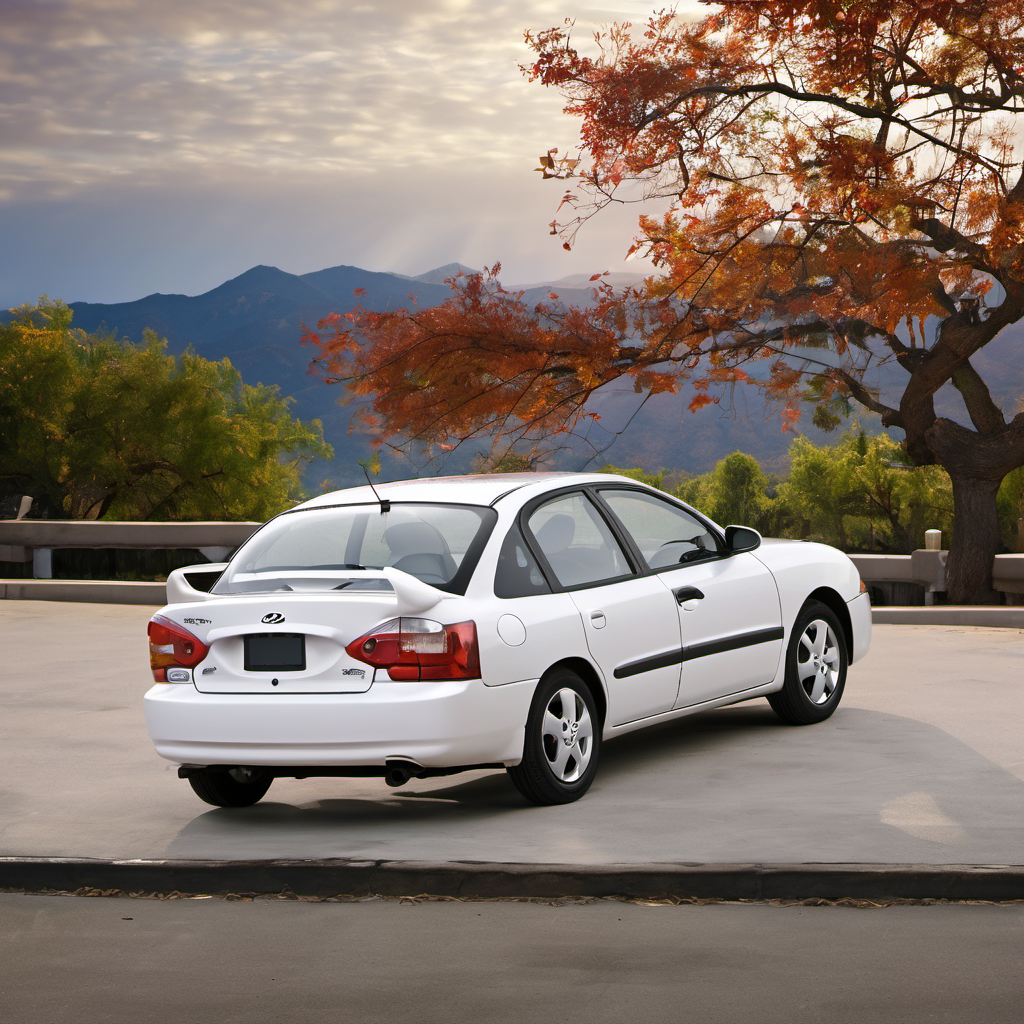
The 2005 Hyundai Elantra Hatchback (sold as the Elantra GT in North America) is the hatchback variant of Hyundai's second-generation XD-platform compact. It shares its 2.0L four-cylinder with the sedan but adds a more practical rear cargo area and a sportier roofline. By 2005, Hyundai had already made significant strides in build quality over its 1990s reputation, and this generation is generally considered a turning point for the brand's reliability image. The XD Elantra is a no-frills, affordable compact that rewards owners who keep up with basic maintenance. It isn't exciting to drive, but it starts reliably, gets decent fuel economy for its era, and parts are cheap and widely available. The hatchback body style adds versatility over the sedan with minimal weight penalty. At 20 years old, any surviving 2005 Elantra has likely cleared 150k miles. The weak points at this age are rust (especially in Wisconsin salt country), aging cooling system components, and worn suspension bushings. A clean, well-maintained example is still a practical daily driver on a budget.

Reliability
3/5
Verified data
Specs shown for Elantra — the most common configuration. Other trims may vary in engine, drivetrain, or fuel economy. Sign in to see your vehicle's exact specs.
Engine
[object Object]
Drivetrain
FWD
Fuel
Gasoline
MPG
21 city / 29 hwy / 24 combined
Seats
Doors
Body
Midsize Cars

Overview

AI-curated

The 2005 Hyundai Elantra Hatchback (sold as the Elantra GT in North America) is the hatchback variant of Hyundai's second-generation XD-platform compact. It shares its 2.0L four-cylinder with the sedan but adds a more practical rear cargo area and a sportier roofline. By 2005, Hyundai had already made significant strides in build quality over its 1990s reputation, and this generation is generally considered a turning point for the brand's reliability image. The XD Elantra is a no-frills, affordable compact that rewards owners who keep up with basic maintenance. It isn't exciting to drive, but it starts reliably, gets decent fuel economy for its era, and parts are cheap and widely available. The hatchback body style adds versatility over the sedan with minimal weight penalty. At 20 years old, any surviving 2005 Elantra has likely cleared 150k miles. The weak points at this age are rust (especially in Wisconsin salt country), aging cooling system components, and worn suspension bushings. A clean, well-maintained example is still a practical daily driver on a budget.

Known for
  • Affordable ownership and very low parts costs
  • Decent reliability when maintained — the 2.0L Beta II engine is simple and proven
  • Practical hatchback cargo space for a compact
  • Smooth, if uninspiring, highway cruiser
Best for
  • Budget-conscious commuters who want low running costs
  • First-time car owners or secondary household vehicle
  • Short to medium daily drivers who prioritize economy over performance
  • Owners comfortable doing their own basic maintenance
Watch for
  • Undercarriage and rocker panel rust — critical concern for Wisconsin vehicles
  • Cooling system neglect: thermostat, radiator, and water pump failures are common at this age
  • Automatic transmission durability on high-mileage examples
  • Worn or cracked engine and transmission mounts causing vibration
  • Aging electrical connectors and oxygen sensor circuits

Common issues by mileage

6 known

Underbody and rocker panel rust

high
Typically appears
Any mileage — age-related
Estimated repair
$500 – $3,000

Oxygen sensor / O2 heater circuit failure

high
Typically appears
80k–150k mi
Estimated repair
$150 – $400

Thermostat and cooling system wear (thermostat, hoses, radiator)

high
Typically appears
100k–180k mi
Estimated repair
$150 – $600

Automatic transmission slipping or harsh shifts

medium
Typically appears
120k–200k mi
Estimated repair
$800 – $2,500

Engine and transmission mount deterioration

medium
Typically appears
100k–160k mi
Estimated repair
$200 – $500

Suspension control arm bushings and ball joint wear

medium
Typically appears
100k–160k mi
Estimated repair
$250 – $700

Maintenance schedule

  1. 1
    Every 5,000 miles or 6 months Engine oil and filter change

    The Beta II engine is sensitive to oil quality and level. At this age, use a quality conventional or synthetic-blend 5W-30. Neglected oil is the top cause of premature engine wear on high-mileage Elantras.

  2. 2
    Every 2 years or 30,000 miles Coolant flush and system inspection

    Aged coolant turns acidic and corrodes the aluminum components in this engine. Inspect hoses and the radiator for cracks and soft spots at every service at this vehicle's age.

  3. 3
    Every 30,000 miles — do not skip on used examples Automatic transmission fluid change

    Hyundai's 4-speed automatic on this generation is not robust. Dark, burnt-smelling fluid is a warning sign. If fluid history is unknown on a used purchase, change it immediately.

  4. 4
    Every 30,000 miles (standard plugs) or per OEM schedule Spark plug replacement

    Worn plugs on the 2.0L cause rough idle and poor fuel economy. Iridium or platinum plugs offer longer service life.

  5. 5
    Every 60,000 miles — CRITICAL on this engine Timing belt and water pump replacement

    The 2.0L Beta II is an interference engine. A broken timing belt will cause catastrophic valve and piston damage. Water pump is typically replaced at the same time as a cost-saving measure. Verify this has been done on any used purchase.

  6. 6
    Every 2 years Brake fluid flush

    Brake fluid absorbs moisture over time, lowering its boiling point. Important in Wisconsin where wet roads and winter driving demand reliable braking.

  7. 7
    Every year, ideally before winter Underbody rust inspection and treatment

    Wisconsin road salt accelerates rust on rocker panels, subframe, and brake lines. Catching surface rust early and treating it prevents structural damage.

  8. 8
    Every 30,000 miles or at signs of cracking/glazing Serpentine belt and accessory belt inspection

    Cold Wisconsin winters cause rubber belts to crack and become brittle faster. A snapped serpentine belt leaves you stranded and can knock out power steering and charging.

Always defer to the manufacturer's service manual for warranty-mandated intervals.

Cost of ownership

Annual maintenance
$400 – $900
Fuel
At 24 MPG combined and average Wisconsin driving, expect roughly $1,400–$1,800/year in fuel at current regular unleaded prices.
Insurance
Typically among the cheapest to insure in the compact class — expect $700–$1,200/year for full coverage depending on driver history, at independent upper-Midwest rates.

This is one of the cheapest cars to own in its segment. Parts are inexpensive and widely stocked. The main financial risk on a 20-year-old example is rust repair or automatic transmission work — either can cost more than the car is worth. A pre-purchase inspection focusing on those two items is money well spent.
Seasonal care

Lake Geneva, WI
Winter
  • Switch to 5W-30 full synthetic oil before temperatures drop below 10°F — it flows faster on cold starts and reduces dry-start wear on the Beta II engine
  • Test the battery before November; batteries over 3–4 years old that struggle in summer heat often fail outright in Wisconsin cold. Replace proactively.
  • Fill the washer fluid reservoir with a -20°F or colder rated fluid — the standard stuff freezes in the lines and can crack the reservoir
  • Inspect brake lines and fuel lines for rust-through or pinhole leaks each fall before salt season starts
  • Fit a full set of winter tires — the OEM all-seasons on this platform are marginal in snow. FWD helps, but winter tires make a significant safety difference
  • Rinse the underbody at a touchless car wash every 2 weeks during salting season to slow rocker and subframe corrosion
Summer
  • Check coolant level and condition before summer — the aging cooling system on a 20-year-old Elantra is prone to overheating if the thermostat or radiator is compromised
  • Inspect the A/C system for refrigerant leaks and confirm the cabin blower is working properly — the evaporator and condenser on this generation are known to develop slow leaks with age
  • Check tire pressure monthly; summer heat causes pressure to rise roughly 1 PSI per 10°F, leading to uneven wear and handling changes on the all-seasons
  • Inspect rubber cooling hoses for soft spots, cracking, or bulging — heat cycles accelerate deterioration on 20-year-old hoses

Comparable vehicles

If you're shopping for one

Red flags
  • Any soft, bubbling, or perforated rocker panels or floor — structural rust makes this car not worth buying at any price
  • No timing belt service record and no willingness by seller to discount for the repair — walk away or price it in
  • Transmission that slips, hunts for gears, or has a burnt fluid smell — rebuild cost likely exceeds car value
  • Overheating history or evidence of a head gasket repair (white exhaust, milky oil, coolant loss with no visible leak)
  • Check engine light that the seller cannot explain or has taped over/cleared without repair
What to inspect
  • Rocker panels, rear wheel arches, and subframe for rust — probe with a screwdriver, not just a visual look
  • Timing belt service history — this is an interference engine and a belt failure is catastrophic
  • Transmission fluid color and smell — dark or burnt fluid signals a transmission in decline
  • Cooling system: look for white residue around hose clamps and radiator fittings indicating past leaks
  • Oxygen sensor and check engine light history — P0030/P0031/P0032/P0036 codes are common at this age
  • Engine and transmission mounts — rev the engine in drive with the brake held and watch for excessive powertrain movement
AI profile generated 15 days ago · claude-sonnet-4-6 · v2.