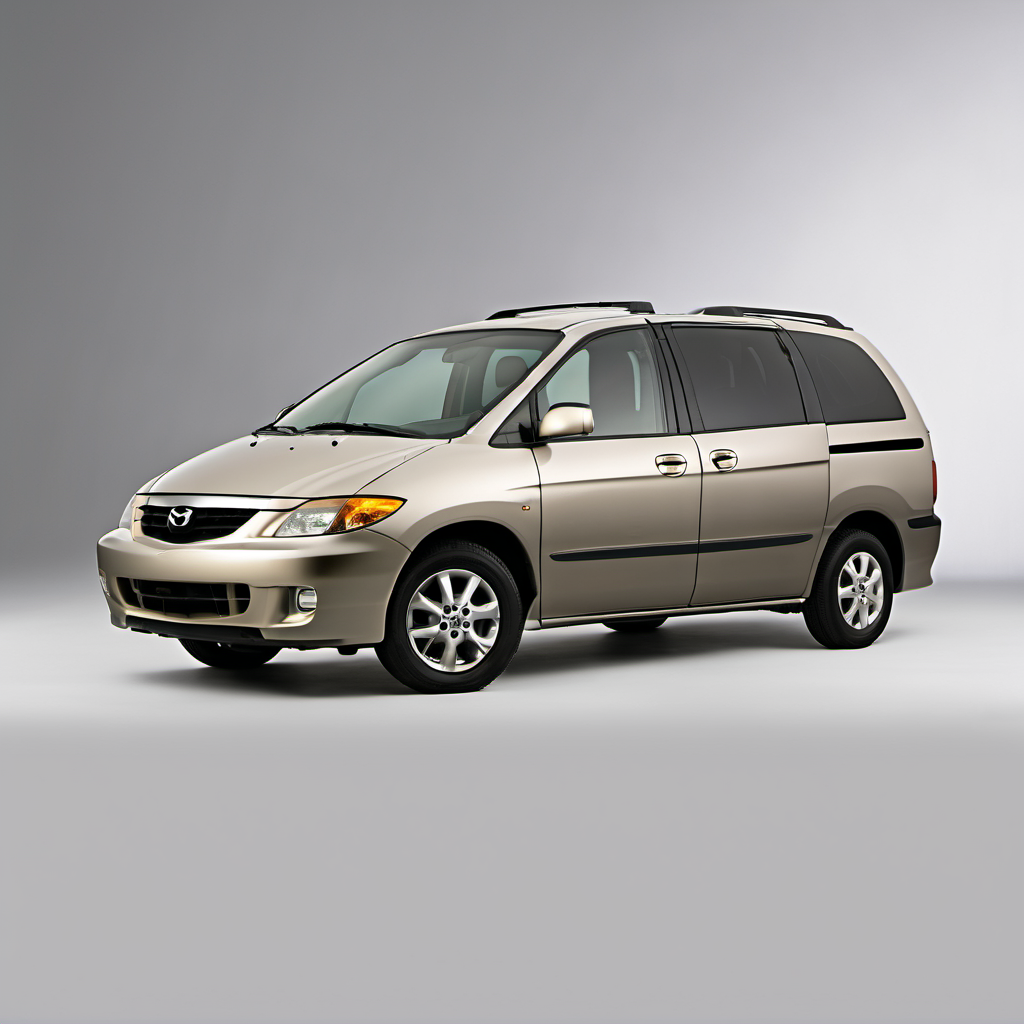
2005 MAZDA MPV Van/Minivan

2005 MAZDA

MPVVan/Minivan

Van/Minivan

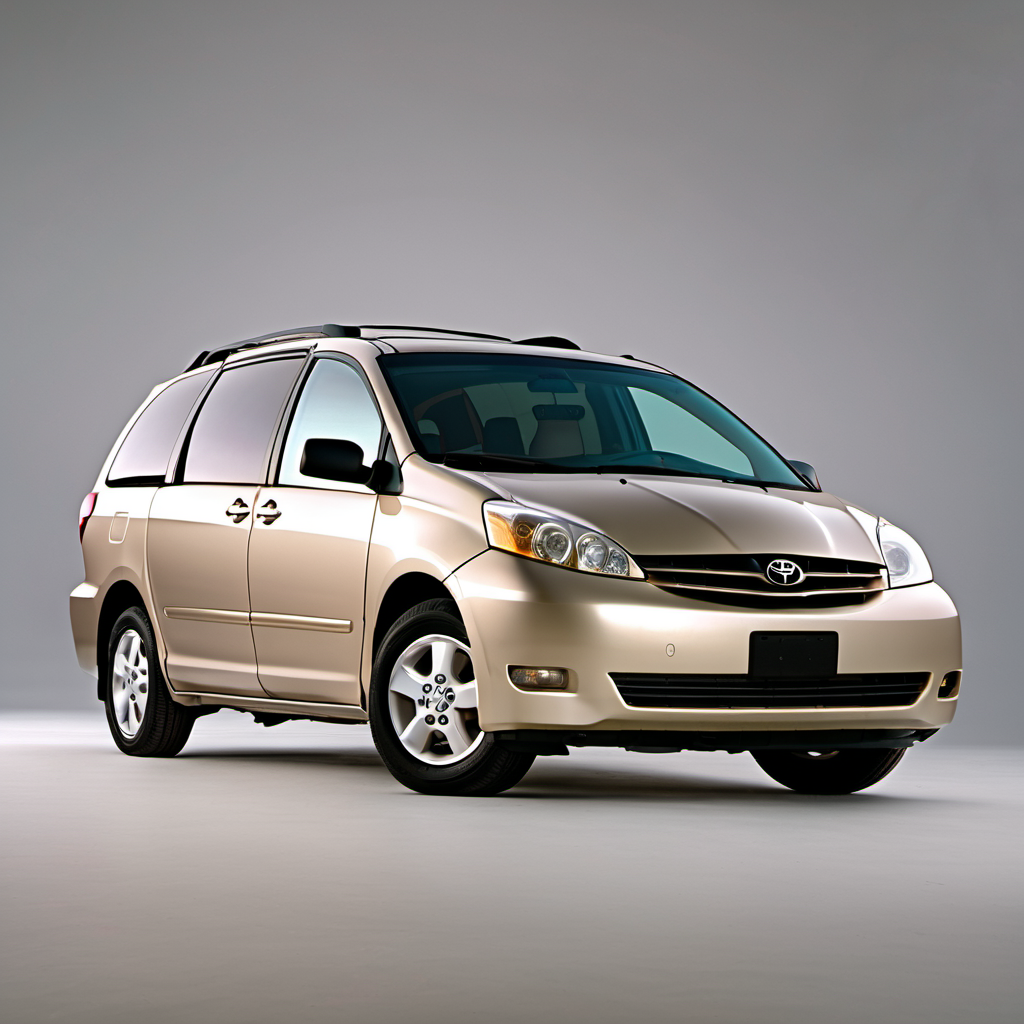
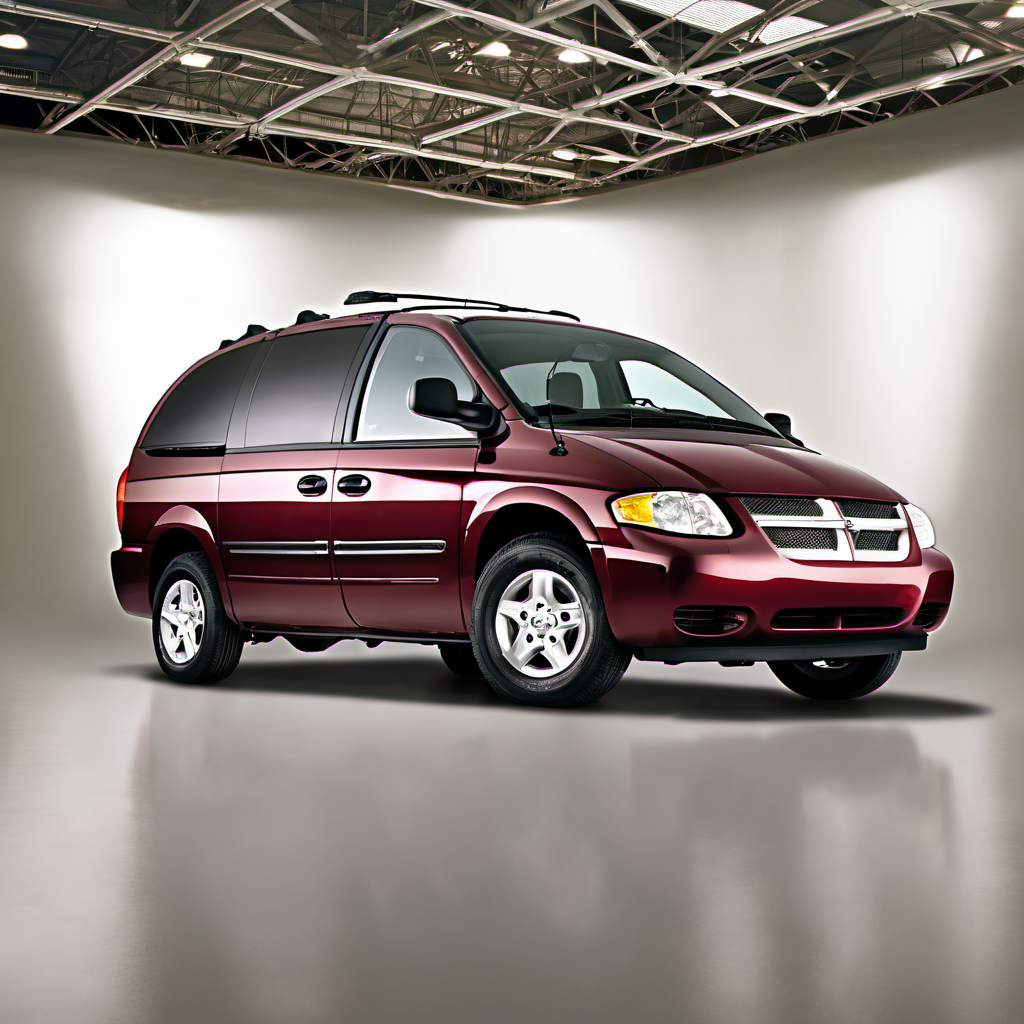
The 2005 Mazda MPV is a compact minivan that carved out a niche as the smaller, sportier alternative to the Dodge Grand Caravan and Honda Odyssey. Built on a unibody platform and powered by a 3.0L V6, it seats seven and delivers a more car-like driving feel than most minivans of its era. By 2005 the MPV was in its final generation before Mazda discontinued the nameplate for the North American market after the 2006 model year. The MPV is appreciated by owners who want minivan practicality without the bulk. It's notably shorter and lighter than the Odyssey or Sienna, making it easier to park and maneuver in tight spots. Fuel economy is modest for the segment, and cargo capacity is somewhat limited compared to full-size minivans. At 20 years old, any surviving MPV is well into high-mileage territory. Parts availability is tightening, particularly for body panels and interior trim. Buyers should focus on documented maintenance, rust condition (especially critical for Wisconsin vehicles), and the health of the automatic transmission.

Reliability
3/5
Verified data
Specs shown for MPV — the most common configuration. Other trims may vary in engine, drivetrain, or fuel economy. Sign in to see your vehicle's exact specs.
Engine
[object Object]
Drivetrain
FWD
Fuel
Gasoline
MPG
16 city / 23 hwy / 19 combined
Seats
Doors
Body
Minivan - 2WD

Overview

AI-curated

The 2005 Mazda MPV is a compact minivan that carved out a niche as the smaller, sportier alternative to the Dodge Grand Caravan and Honda Odyssey. Built on a unibody platform and powered by a 3.0L V6, it seats seven and delivers a more car-like driving feel than most minivans of its era. By 2005 the MPV was in its final generation before Mazda discontinued the nameplate for the North American market after the 2006 model year. The MPV is appreciated by owners who want minivan practicality without the bulk. It's notably shorter and lighter than the Odyssey or Sienna, making it easier to park and maneuver in tight spots. Fuel economy is modest for the segment, and cargo capacity is somewhat limited compared to full-size minivans. At 20 years old, any surviving MPV is well into high-mileage territory. Parts availability is tightening, particularly for body panels and interior trim. Buyers should focus on documented maintenance, rust condition (especially critical for Wisconsin vehicles), and the health of the automatic transmission.

Known for
  • Compact, car-like driving dynamics for a minivan
  • Smooth 3.0L Duratec-based V6 engine
  • Seven-passenger seating in a smaller footprint
  • Sporty styling compared to segment rivals
Best for
  • Small families wanting minivan utility without full-size bulk
  • Budget-conscious buyers who can handle older-vehicle ownership
  • Urban and suburban drivers who value easy parking
  • Owners comfortable doing some DIY maintenance
Watch for
  • Rust on floor pans, rocker panels, and rear wheel wells — severe on Wisconsin-road-salt vehicles
  • Automatic transmission reliability at high mileage
  • Thinning parts availability as the model ages
  • Power sliding door motor and track failures
  • Cooling system neglect leading to head gasket stress on the V6

Common issues by mileage

6 known

Automatic Transmission Slipping or Failure

high
Typically appears
90–150k mi
Estimated repair
$1,800 – $3,800

Power Sliding Door Motor / Track Failure

high
Typically appears
60–130k mi
Estimated repair
$300 – $900

Oxygen Sensor / Heater Circuit Failure

medium
Typically appears
70–120k mi
Estimated repair
$150 – $450

Cooling System Deterioration (Hoses, Thermostat, Water Pump)

high
Typically appears
80–130k mi
Estimated repair
$300 – $900

Rocker Panel and Floor Pan Rust (Road-Salt Corrosion)

high
Typically appears
Any mileage on Midwest/salt-belt vehicles
Estimated repair
$500 – $3,000

Maintenance schedule

  1. 1
    Every 30,000 miles — do not follow 'lifetime fluid' guidance on a 20-year-old van Automatic Transmission Fluid Change

    The 5-speed automatic is the most expensive component on this vehicle. Fresh fluid is cheap insurance against the slipping and failure common at higher mileage.

  2. 2
    Every 5,000 miles with conventional oil; 7,500 with full synthetic Engine Oil & Filter Change

    The 3.0L V6 is prone to oil sludge buildup if intervals are stretched. Sludge is a direct cause of the camshaft timing codes (P0012, P0015, P0022, P0025) and VVT solenoid problems.

  3. 3
    Every 2 years or 30,000 miles Coolant Flush and Refill

    Degraded coolant becomes acidic and attacks the water pump, hoses, and head gaskets. On a 2005 vehicle this should be verified immediately if history is unknown.

  4. 4
    Every 60,000 miles Spark Plugs and Ignition Coils

    Worn plugs cause misfires that stress the catalytic converters and can trigger multiple powertrain codes. Iridium plugs last longer between services.

  5. 5
    Every 60,000 miles or at any sign of squealing Serpentine Belt and Tensioner Inspection

    Belt failure at this age takes out power steering and charging in an instant. Tensioner pulley bearings often fail before the belt itself.

  6. 6
    Every 12 months Power Sliding Door Track Lubrication

    Dry tracks are the primary cause of motor burnout. A tube of white lithium grease on the track saves a $300–$900 motor replacement.

  7. 7
    Every 2–3 years Brake Fluid Flush

    Brake fluid absorbs moisture over time, lowering boiling point and corroding ABS components. Wisconsin winters accelerate this.

  8. 8
    Every spring, after winter road-salt season Underbody Rust Inspection

    Rocker panels, floor pans, and rear wheel wells are rust hot spots. Catching surface rust early with treatment is far cheaper than structural repair.

Always defer to the manufacturer's service manual for warranty-mandated intervals.

Cost of ownership

Annual maintenance
$900 – $2,200
Fuel
At 19 MPG combined and ~12,000 miles/year, expect roughly $1,600–$2,000/year at current Upper Midwest gas prices.
Insurance
Typically $900–$1,400/year for a 2005 minivan in Wisconsin depending on driving history and coverage level.

The MPV is inexpensive to insure and purchase, but maintenance costs climb quickly on high-mileage examples. Budget toward the high end if the transmission or cooling system has unknown history. Parts are becoming harder to source as this model is no longer sold in North America, which can add labor time and cost.
Seasonal care

Lake Geneva, WI
Winter
  • Test the battery before first hard freeze — cold-cranking demand on a 20-year-old vehicle is high; replace any battery showing weakness
  • Switch to full-synthetic 5W-20 or 5W-30 if not already running it; conventional oil thickens in sub-zero starts and starves the VVT system
  • Use a winter-rated washer fluid rated to at least -20°F — Wisconsin temperatures regularly reach this range
  • Inspect and replace wiper blades with winter-rated blades before November
  • Check coolant freeze protection with a test strip; mixture should protect to at least -34°F
  • Rinse the undercarriage regularly throughout winter to slow road-salt corrosion on the already rust-prone floor pans and rockers
Summer
  • Inspect A/C system performance before peak heat — recharging a 20-year-old system may also require compressor and expansion valve inspection
  • Check tire pressure monthly; pressure drops roughly 1 PSI per 10°F drop, and summer heat can cause overinflation — use the door-jamb placard spec
  • Inspect coolant hoses for swelling or cracking; summer heat soak accelerates hose deterioration on a high-mileage engine
  • Check power sliding door operation in heat — track lubricant can migrate in high temperatures, increasing motor strain

Comparable vehicles

If you're shopping for one

Red flags
  • No maintenance records whatsoever on a 20-year-old vehicle
  • Structural rust on frame rails, floor pans, or rocker panels — repair cost often exceeds vehicle value
  • Transmission slipping, harsh shifts, or delayed engagement from a stop
  • Check-engine light with camshaft timing codes (P0012, P0015, P0022, P0025) — often expensive to resolve if sludge is involved
  • Milky oil cap or coolant reservoir residue indicating head gasket failure
  • Power sliding doors that don't operate reliably — motor and track repairs add up fast
What to inspect
  • Crawl under the vehicle and probe the rocker panels, floor pans, and rear wheel arches for rust — this is the #1 killer of Wisconsin MPVs
  • Test both power sliding doors through full open/close cycles; listen for grinding or hesitation indicating worn tracks or motor strain
  • Check transmission for smooth, firm shifts through all gears with no slipping, shuddering, or delayed engagement
  • Pull a cold-start idle and watch for rough running or check-engine light — oil sludge in the VVT system often shows up as a rough cold idle
  • Request a cooling system pressure test; any external leaks or a sweet smell from the heater vents signals head gasket trouble
  • Verify coolant color and condition — brown or oily coolant is a red flag for head gasket mixing
AI profile generated 15 days ago · claude-sonnet-4-6 · v2.