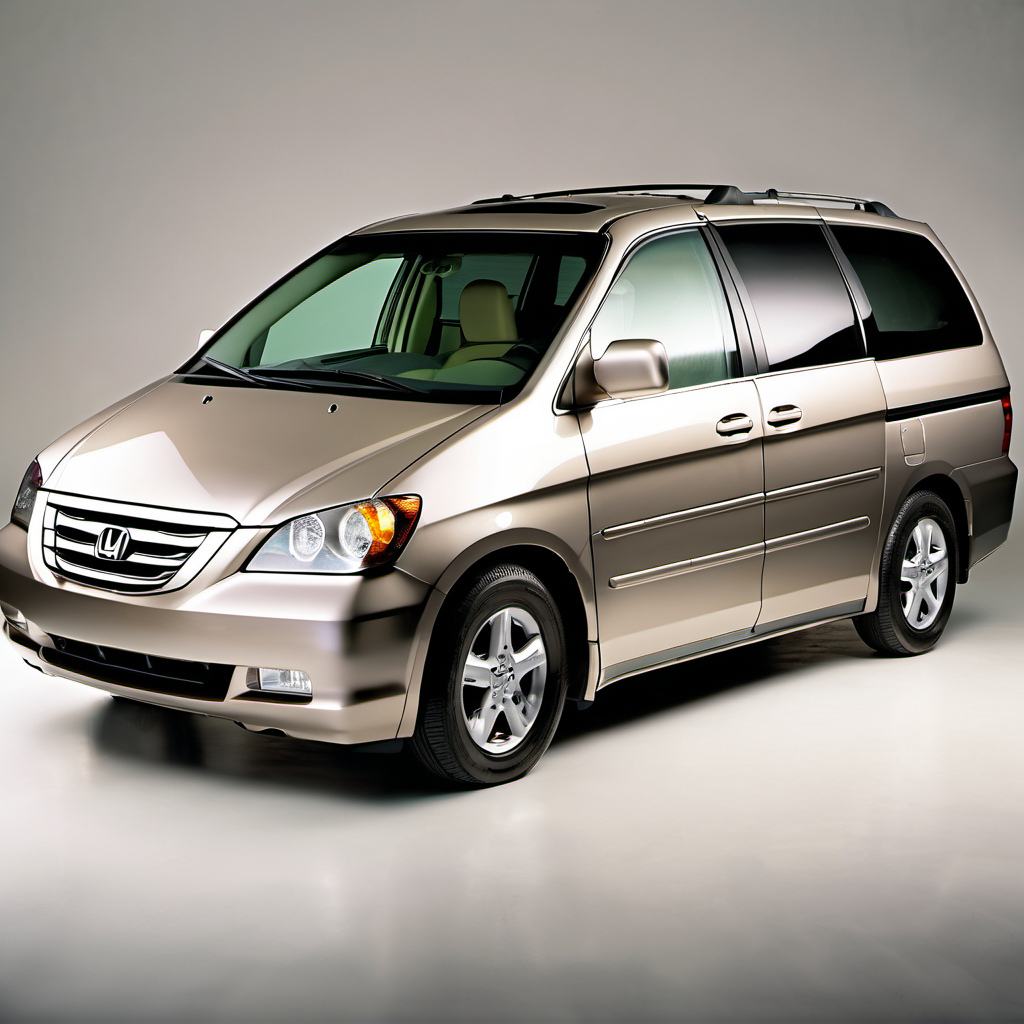
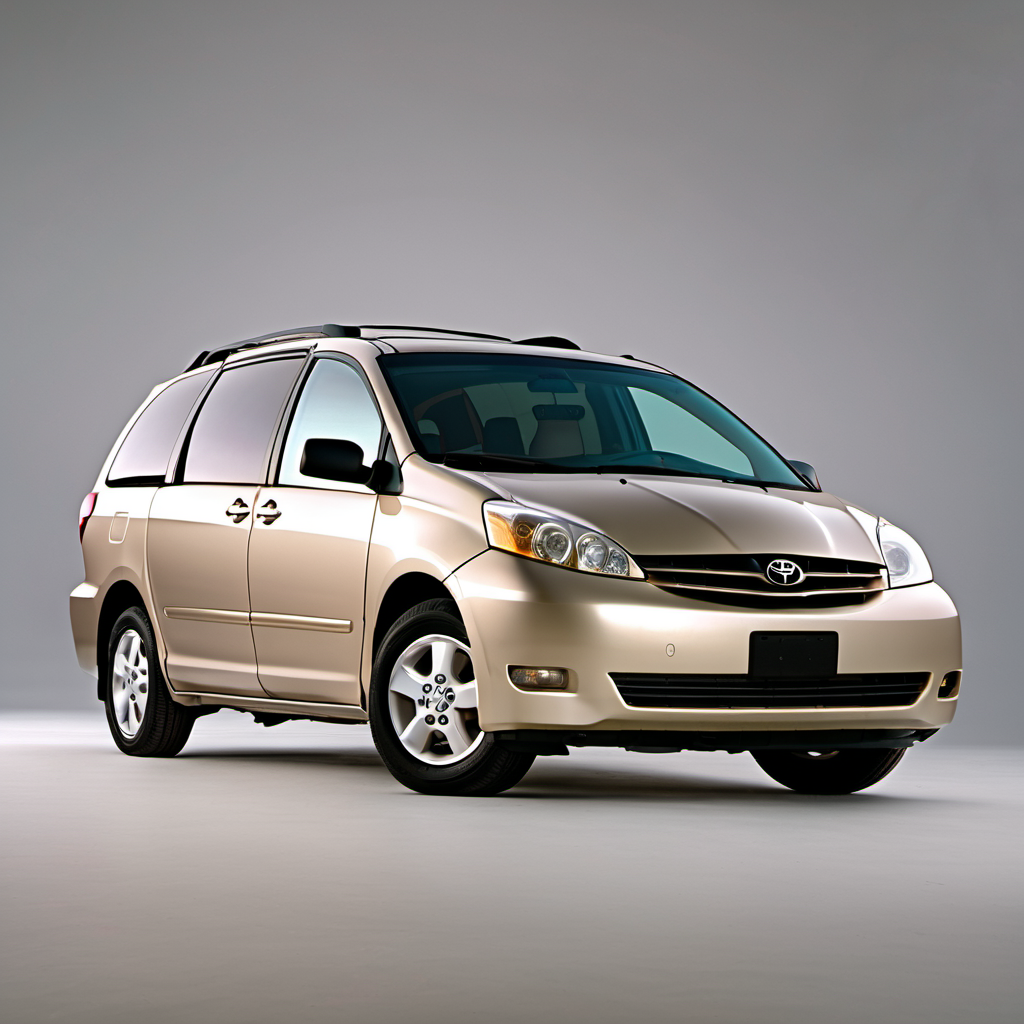
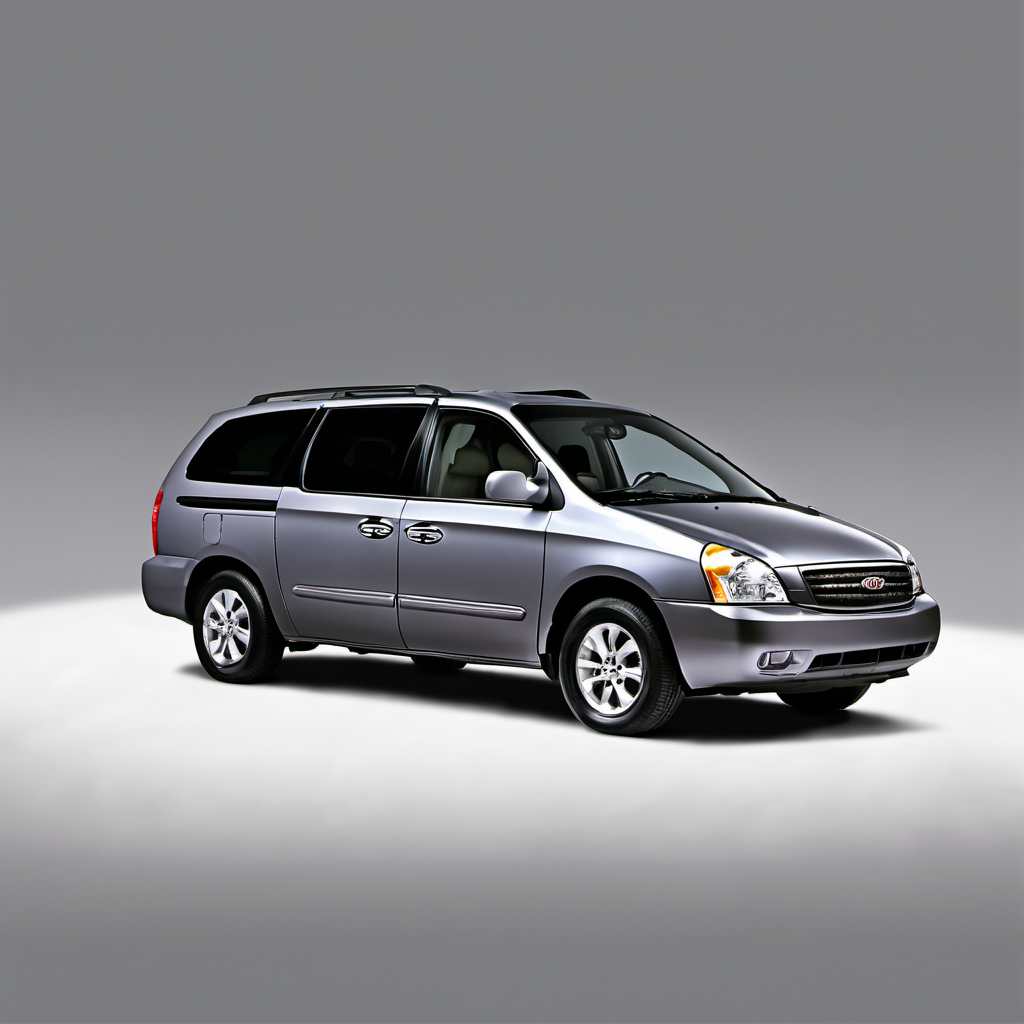
2005 Chrysler Town & Country Van/Minivan

2005 Chrysler

Town & CountryVan/Minivan

3.3L V6 · Van/Minivan

The 2005 Chrysler Town & Country is a full-size minivan built on Chrysler's RS platform, sharing its bones with the Dodge Grand Caravan. It slots above the Grand Caravan as the more feature-rich option, offering standard front-wheel drive, sliding rear doors, and a flexible Stow 'n Go seating system that folds flat into the floor — a genuine selling point for families. At nearly 20 years old, the ones still on the road are either very well maintained or quietly neglected. The 3.3L V6 is the common base engine, while the 3.8L V6 comes on higher trims. Both are proven, if not exciting, units. The 4-speed automatic (41TE) that backs them is the main long-term weak point. Electrical quirks and sliding door issues are the two other things you'll hear about from owners regularly. For a used buy in the upper Midwest, rust is the conversation you must have before price. These vans accumulate Wisconsin road salt in every crevice — subframe, rocker panels, and the sliding door track are the first victims. A clean-body van with a rough interior is far safer than the reverse.

Reliability
2/5
Verified data
Engine
3.3L V6
Drivetrain
FWD
Fuel
Gasoline
MPG
18 city / 25 hwy / 21 combined
Seats
7
Doors
4
Body
Minivan
MSRP
$26,995

Overview

AI-curated

The 2005 Chrysler Town & Country is a full-size minivan built on Chrysler's RS platform, sharing its bones with the Dodge Grand Caravan. It slots above the Grand Caravan as the more feature-rich option, offering standard front-wheel drive, sliding rear doors, and a flexible Stow 'n Go seating system that folds flat into the floor — a genuine selling point for families. At nearly 20 years old, the ones still on the road are either very well maintained or quietly neglected. The 3.3L V6 is the common base engine, while the 3.8L V6 comes on higher trims. Both are proven, if not exciting, units. The 4-speed automatic (41TE) that backs them is the main long-term weak point. Electrical quirks and sliding door issues are the two other things you'll hear about from owners regularly. For a used buy in the upper Midwest, rust is the conversation you must have before price. These vans accumulate Wisconsin road salt in every crevice — subframe, rocker panels, and the sliding door track are the first victims. A clean-body van with a rough interior is far safer than the reverse.

Known for
  • Stow 'n Go in-floor folding seats (2005+)
  • Smooth, family-friendly ride quality
  • Strong parts availability and independent-shop serviceability
  • 41TE 4-speed automatic transmission longevity concerns
  • Upper trim refinement over the base Grand Caravan
Best for
  • Families needing maximum interior flexibility
  • High-mileage daily drivers on a budget
  • Buyers who prioritize cargo versatility over fuel economy
  • Local errand and school-run duty
Watch for
  • Subframe and rocker panel rust on upper-Midwest examples
  • Sliding power door failures (motor, cable, and latch)
  • 41TE transmission valve body and solenoid wear
  • TIPM (totally integrated power module) electrical gremlins
  • Coolant leaks into the transmission via the trans cooler in the radiator

Common issues by mileage

6 known

41TE Transmission Failure / Solenoid Pack Wear

high
Typically appears
80–130k mi
Estimated repair
$800 – $3,200

Power Sliding Door Motor or Cable Failure

high
Typically appears
60–120k mi
Estimated repair
$250 – $900

TIPM (Totally Integrated Power Module) Electrical Faults

medium
Typically appears
70–150k mi
Estimated repair
$400 – $1,100

Coolant Intrusion into Transmission via Radiator Trans Cooler

medium
Typically appears
80–150k mi
Estimated repair
$600 – $2,500

Front Lower Control Arm Bushing and Ball Joint Wear

medium
Typically appears
80–120k mi
Estimated repair
$300 – $800

Intake Manifold Gasket and Coolant Leak

medium
Typically appears
90–140k mi
Estimated repair
$350 – $750

Maintenance schedule

  1. 1
    Every 30k mi or sooner if fluid looks discolored Transmission fluid and filter service (41TE)

    The 41TE is sensitive to degraded fluid. Chrysler's original 'lifetime fluid' claim is not realistic in real-world use — skip this and you dramatically shorten transmission life. Use only ATF+4.

  2. 2
    Every 30k mi Inspect radiator for coolant/trans fluid cross-contamination

    The transmission cooler runs through the radiator. When the radiator fails internally, coolant mixes with trans fluid — a catastrophic and expensive combination. Catching a pink, milky trans dipstick early saves the transmission.

  3. 3
    Every 50k mi Inspect and lubricate sliding door tracks, rollers, and latches

    Dry, corroded tracks are the leading cause of power sliding door motor burnout. Regular cleaning and lubrication is cheap insurance against a $600+ door repair.

  4. 4
    Every 30k mi Inspect front suspension — lower control arm bushings and ball joints

    These wear faster in salt-belt climates. Worn bushings cause vague steering and accelerate tire wear; a failed ball joint is a safety event.

  5. 5
    Every 2 years or 30k mi Flush cooling system and inspect hoses

    HOAT coolant in this generation degrades and becomes acidic, attacking the intake manifold gaskets and water pump. Fresh coolant is the cheapest prevention.

  6. 6
    Annually — before winter Inspect and treat underbody and subframe for rust

    Wisconsin road salt attacks the subframe mounting points and rocker panels. Annual inspection and spot treatment can prevent repairs that exceed the van's value.

  7. 7
    Every 60k mi Replace spark plugs (platinum or iridium)

    Worn plugs cause misfires that are often misdiagnosed as more expensive problems. The 3.3L and 3.8L V6 are straightforward to service — don't wait until you notice rough idle.

  8. 8
    Every fall Test battery load and inspect terminals

    Cold-cranking performance drops sharply below 0°F. A marginal battery that starts fine in September will fail in January. Wisconsin winters do not give second chances.

Always defer to the manufacturer's service manual for warranty-mandated intervals.

Cost of ownership

Annual maintenance
$900 – $2,200
Fuel
At ~21 MPG combined and typical Wisconsin driving, expect $1,800–$2,400/year at current mid-grade gas prices.
Insurance
Generally affordable — minivans carry low theft rates and moderate repair costs. Expect $900–$1,400/year for a 20-year-old van depending on coverage level and driver profile.

A well-maintained 2005 Town & Country can be an economical family hauler, but deferred maintenance on the transmission or suspension can quickly generate repair bills that dwarf the vehicle's market value. Budget conservatively, stay on top of the transmission fluid, and address rust proactively — those three things determine whether this van is a value or a money pit.
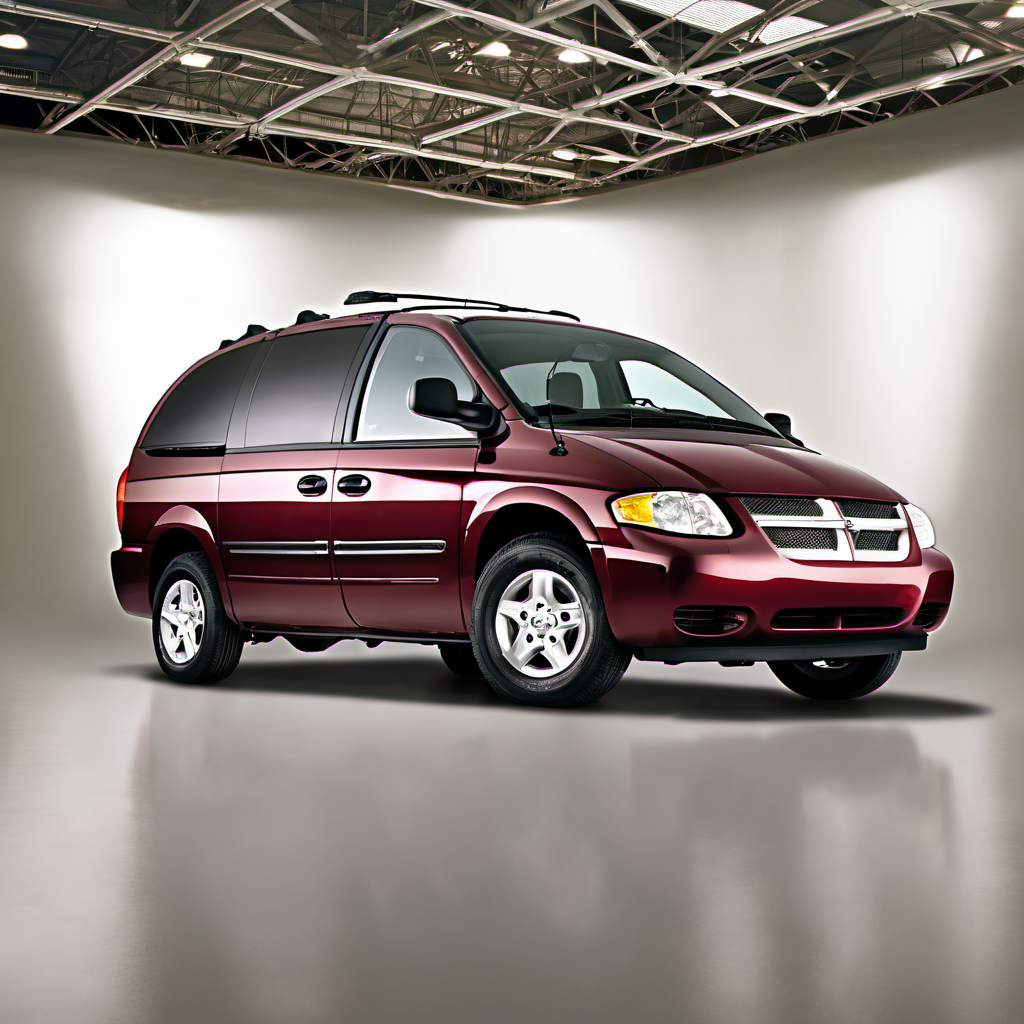
Seasonal care

Lake Geneva, WI
Winter
  • Load-test the battery every fall — sub-zero starts demand full cold-cranking amps and this van's electrical load is high.
  • Switch to winter-rated washer fluid rated to at least -20°F; the low reservoir is a spray-and-forget item until it freezes solid.
  • Inspect wiper blades and consider winter-style blades to prevent ice pack buildup in the wiper frame.
  • Rinse the undercarriage — especially the subframe and sliding door tracks — every 2 weeks during salt season. Salt in the door tracks will destroy the power door mechanism.
  • Check tire pressure monthly; every 10°F drop costs about 1 PSI, and underinflated tires on a 4,300 lb van are a handling and fuel economy problem.
  • Keep the fuel tank above half in cold weather to reduce moisture accumulation and ensure adequate fuel pressure on cold starts.
Summer
  • Check tire pressure as heat increases PSI — overinflated tires reduce grip and cause uneven center wear.
  • Inspect the A/C system for proper cooling; the cabin is large and the evaporator and condenser are not undersized — if it's not cold, find the problem before a July road trip.
  • Watch coolant temperature closely during stop-and-go traffic; the cooling system on a high-mileage example may struggle with heat soak, especially if the coolant hasn't been freshened recently.
  • Inspect the serpentine belt and tensioner — heat accelerates belt cracking and a snapped belt strands you and kills the A/C instantly.

Comparable vehicles

If you're shopping for one

Red flags
  • Milky or pink transmission fluid — coolant has entered the trans via the radiator cooler. Requires radiator replacement plus transmission service at minimum.
  • Rust perforation on the subframe or rocker panels — repair cost frequently exceeds vehicle value.
  • Power sliding door that won't operate or operates erratically — indicates cable, motor, or latch failure.
  • Any U-code (network/TIPM) DTCs present at time of inspection — TIPM replacement or repair is $400–$1,100 and can cause cascading electrical symptoms.
  • Evidence of transmission service being skipped (no records, dark fluid) on a van over 80k miles — transmission failure risk is high.
What to inspect
  • Pull the transmission dipstick — fluid should be clear red, not brown, burnt-smelling, or milky pink (milky = coolant contamination, walk away).
  • Test both power sliding doors through 5+ open/close cycles; listen for grinding or hesitation that signals worn cables or a struggling motor.
  • Get under the van and inspect the subframe mounting points, rocker panels, and floor pan for rust — these are structural, not cosmetic.
  • Check for coolant residue around the intake manifold and thermostat housing; white crusty deposits indicate a seeping gasket.
  • Scan for stored and pending DTCs before purchase — TIPM faults (U-codes) and transmission codes are expensive red flags.
  • Test all TIPM-controlled accessories: windows, locks, horn, wipers, and interior lights — random failures are a TIPM signature.
AI profile generated 15 days ago · claude-sonnet-4-6 · v2.