Intake Manifold Gasket Leak (Lower)
high- Typically appears
- 60–120k mi
- Estimated repair
- $350 – $650
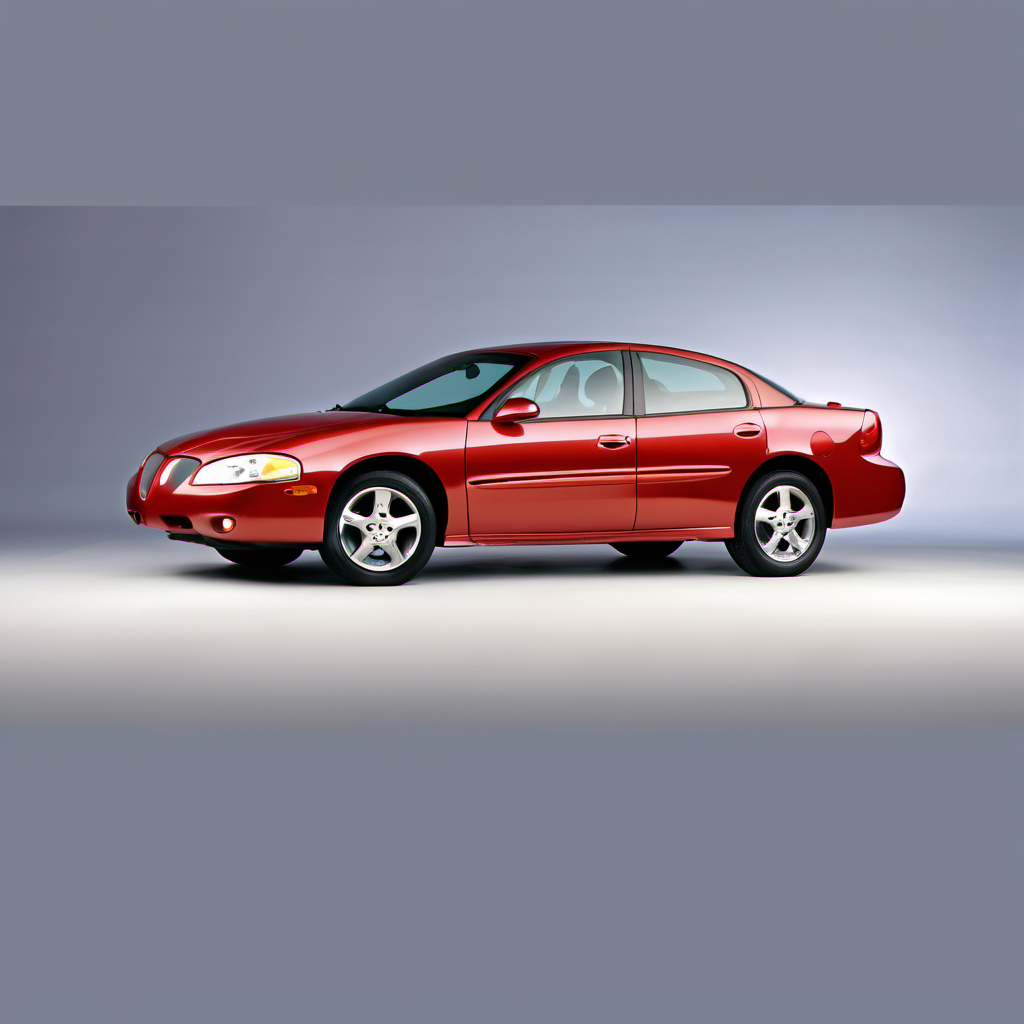
2004 Pontiac
Sedan
The 2004 Pontiac Grand Prix is a front-wheel-drive full-size sedan built on GM's W-body platform, shared with the Buick Century, Regal, and Chevrolet Impala. It slots as Pontiac's flagship sporty sedan, offered in GT and GTP trims with the naturally aspirated 3.8L V6 as the volume engine and a supercharged variant available on GTP. By 2004, the Grand Prix was in its final generation before a 2005 refresh, making it a mature platform with well-understood strengths and weaknesses. The 3.8L Series II V6 is genuinely one of GM's most durable engines and is the main reason these cars can rack up high miles. Cooling and intake manifold gasket issues are the most predictable expenses, but they're well-documented and straightforward for any experienced shop. The transmission (4T65-E) is also a known quantity — it holds up reasonably well with regular fluid changes but is expensive to rebuild if neglected. For a used buyer on a budget who wants a roomy, relatively comfortable sedan with a proven engine, the Grand Prix is reasonable value — as long as you go in with eyes open about the plastic intake manifold, cooling system, and 20-year-old electrical quirks.
The 2004 Pontiac Grand Prix is a front-wheel-drive full-size sedan built on GM's W-body platform, shared with the Buick Century, Regal, and Chevrolet Impala. It slots as Pontiac's flagship sporty sedan, offered in GT and GTP trims with the naturally aspirated 3.8L V6 as the volume engine and a supercharged variant available on GTP. By 2004, the Grand Prix was in its final generation before a 2005 refresh, making it a mature platform with well-understood strengths and weaknesses. The 3.8L Series II V6 is genuinely one of GM's most durable engines and is the main reason these cars can rack up high miles. Cooling and intake manifold gasket issues are the most predictable expenses, but they're well-documented and straightforward for any experienced shop. The transmission (4T65-E) is also a known quantity — it holds up reasonably well with regular fluid changes but is expensive to rebuild if neglected. For a used buyer on a budget who wants a roomy, relatively comfortable sedan with a proven engine, the Grand Prix is reasonable value — as long as you go in with eyes open about the plastic intake manifold, cooling system, and 20-year-old electrical quirks.
The 3.8L's plastic lower intake manifold gaskets degrade and leak coolant internally or externally. Catching this early prevents overheating and engine damage. Always use Dex-Cool and the correct concentration.
GM's drain-and-fill interval was too long for real-world use. Fresh fluid is the single best thing you can do to extend the 4T65-E's life. Dark or burnt-smelling fluid means do it now.
The 3.8L tensioner can wear and allow belt slippage, which affects the alternator and power steering pump. Belt replacement is cheap; getting stranded is not.
The rear three plugs on this transverse V6 are harder to reach but still a DIY-possible job. Worn plugs on a high-compression 3.8L cause noticeable power loss and rough idle.
Wisconsin road salt accelerates brake line corrosion on these older W-body cars. A rotted brake line is a safety emergency. Inspect and treat or replace as needed every season.
Cold Wisconsin winters are hard on aging batteries. The 3.8L starts easily when healthy but a marginal battery will fail in January. Test before the cold hits.
FWD cars with a torquey V6 wear front tires faster. Regular rotation saves money and keeps handling predictable on winter roads.
At 20 years old in a salt-belt state, subframe and suspension mounts are rust-prone. Early treatment with rust-inhibiting coating extends structural life significantly.
Always defer to the manufacturer's service manual for warranty-mandated intervals.
The Grand Prix is genuinely affordable to own if the intake manifold and cooling system work has been done. Budget $600–$1,400/year for routine maintenance on a well-kept example. If those major items are deferred or unknown, a first-year repair budget of $1,500–$2,500 is realistic to bring the car up to a clean baseline. Parts are inexpensive due to W-body platform volume — the labor is the cost.
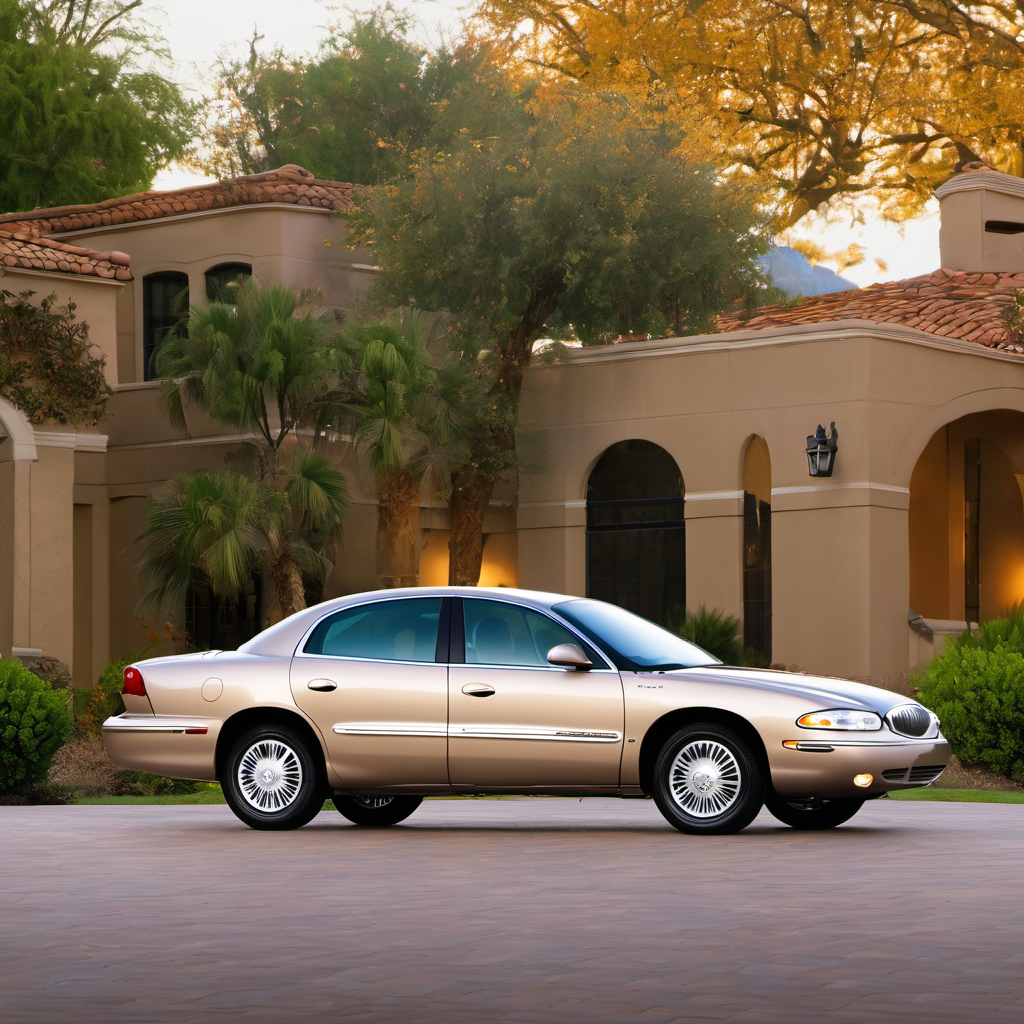
Same 3.8L V6 and W-body platform DNA, similar size, slightly more luxury-focused. Often better maintained by original owners and available at similar prices.
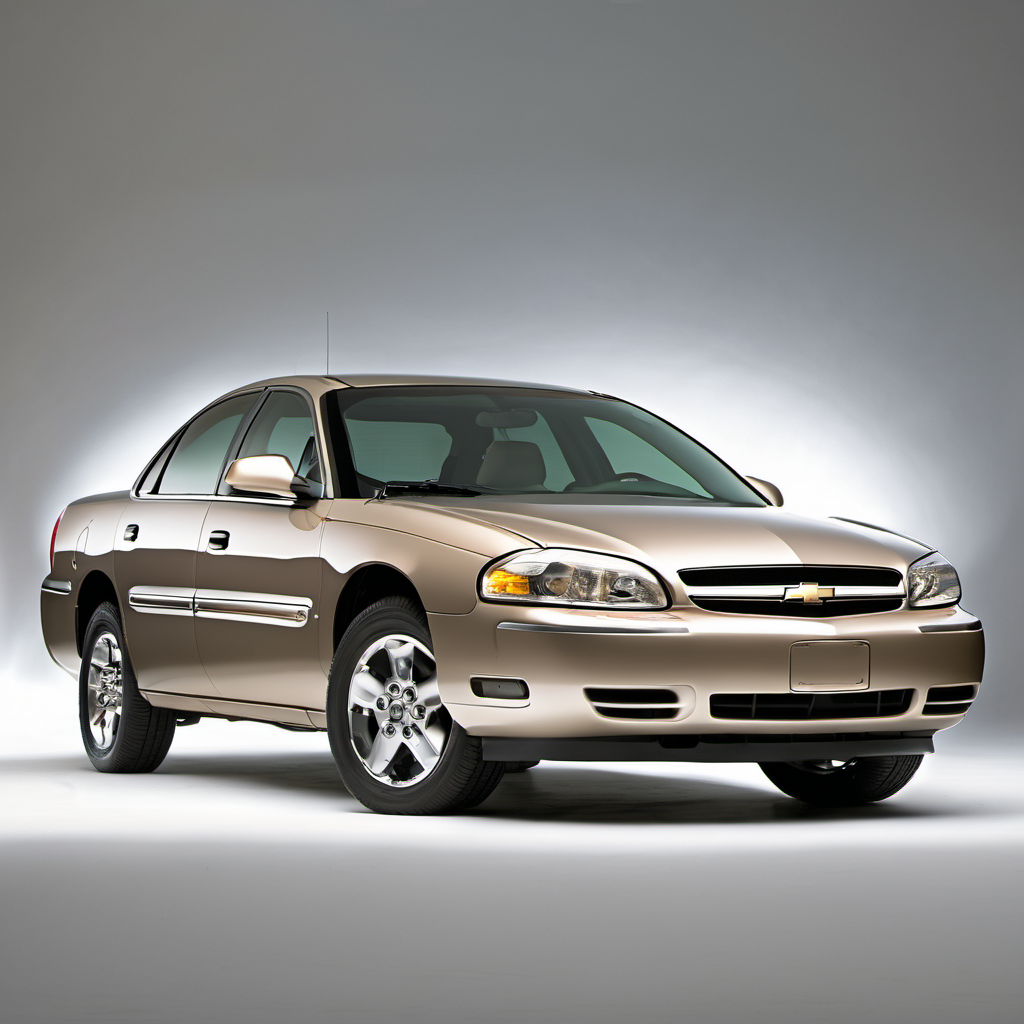
Shares the W-body platform and 3.8L engine. More common, parts are everywhere, and it carries a similar value proposition for budget buyers.
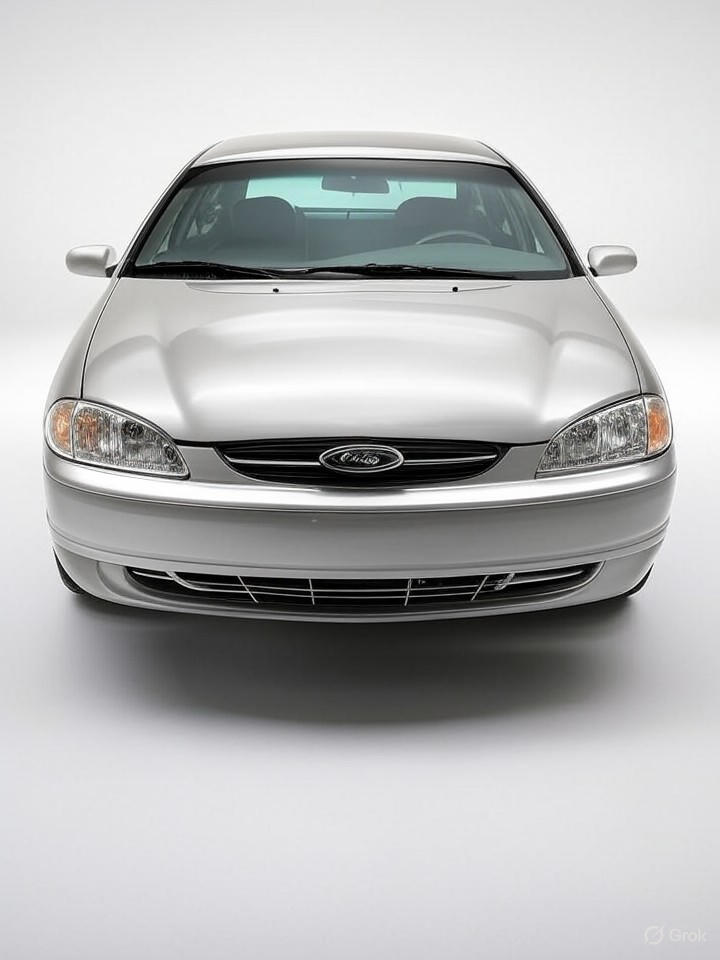
Competing full-size FWD sedan of the same era. Different platform and engine, but a direct segment rival at similar used-market prices.
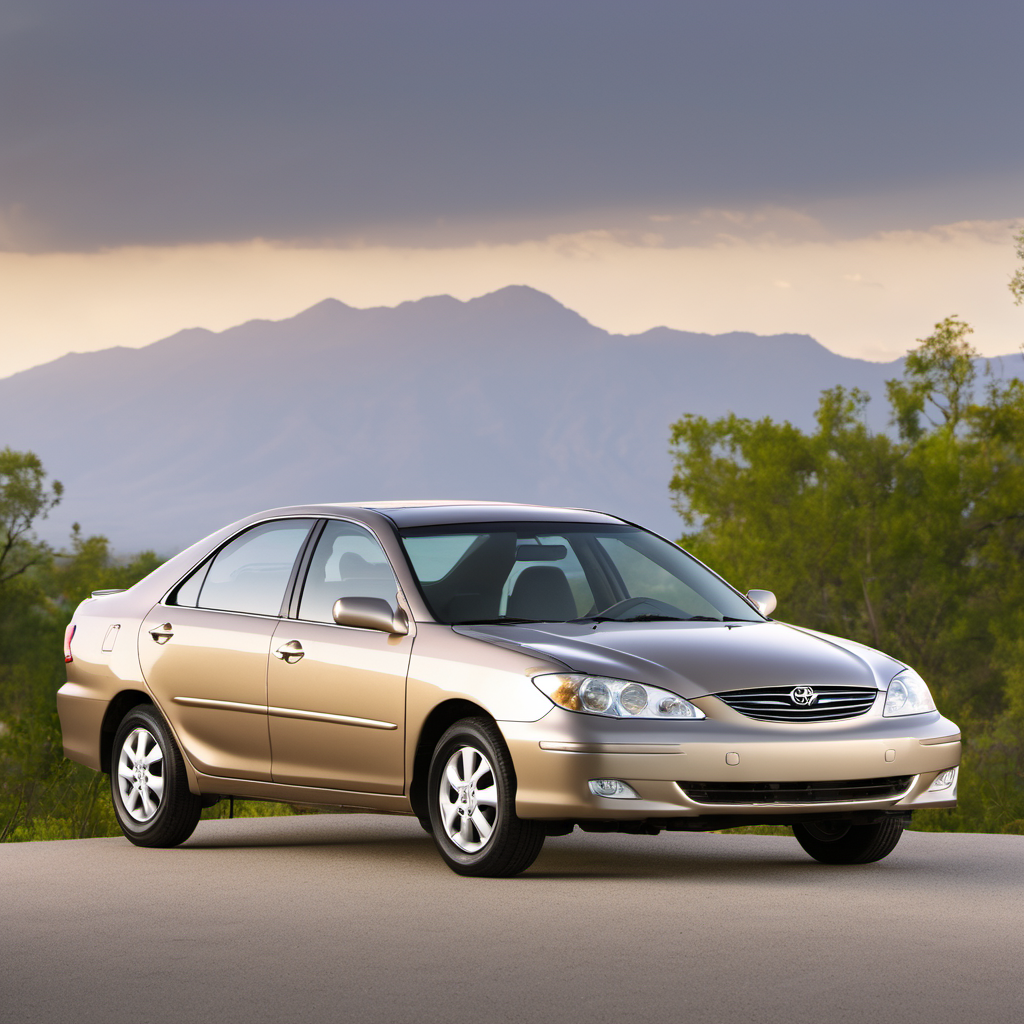
Higher resale and reliability reputation in the same sedan class. Typically costs more used but requires less budget for surprise repairs.