VVT-i Oil Sludge / Camshaft Timing Issues
medium- Typically appears
- 80–150k mi
- Estimated repair
- $300 – $1,500
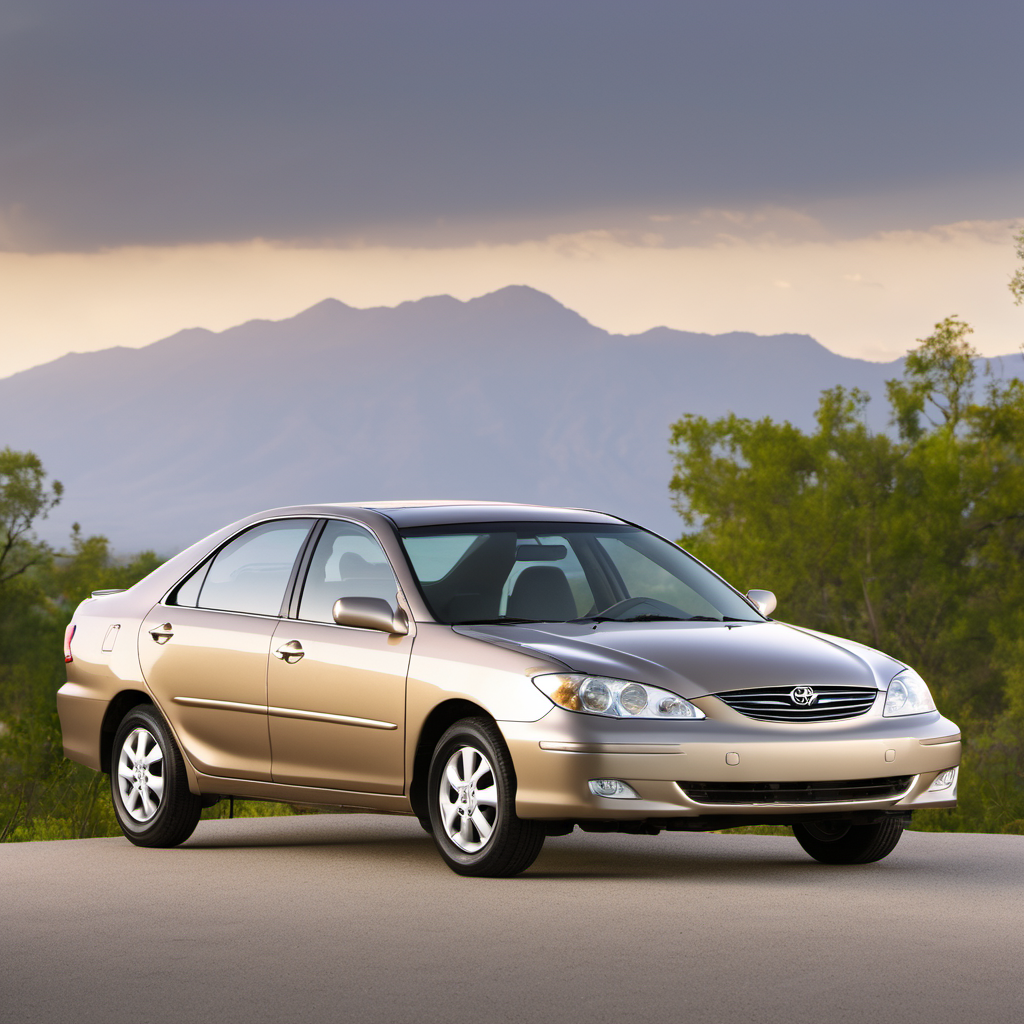
2004 Toyota
Sedan
The 2004 Toyota Camry is the fifth-generation model (XV30 platform, 2002–2006) and one of the best-selling sedans in American history. This particular example carries the 3.3L V6, which delivers noticeably more grunt than the base four-cylinder while still returning decent highway fuel economy. At this age — pushing 20 years old — a well-maintained example is still a genuinely solid daily driver, but neglected examples with unknown oil-change history can carry hidden VVT-i sludge problems that will cost you. The XV30 Camry earned a reputation for uncomplicated, long-lived mechanicals. The 5-speed automatic paired to the V6 is generally robust, the suspension is simple and inexpensive to maintain, and rust (aside from underbody in Wisconsin salt country) is not a major structural concern. Interior plastics age poorly and seat bolsters wear, but those are comfort issues, not safety ones. For a used buyer in Lake Geneva, the biggest risks are oil sludge from infrequent changes, tired struts from rough winter roads, and the usual high-mileage consumables. A pre-purchase inspection from a trusted shop — specifically checking oil condition, VVT-i operation, and underbody rust — will tell you most of what you need to know before handing over money.
The 2004 Toyota Camry is the fifth-generation model (XV30 platform, 2002–2006) and one of the best-selling sedans in American history. This particular example carries the 3.3L V6, which delivers noticeably more grunt than the base four-cylinder while still returning decent highway fuel economy. At this age — pushing 20 years old — a well-maintained example is still a genuinely solid daily driver, but neglected examples with unknown oil-change history can carry hidden VVT-i sludge problems that will cost you. The XV30 Camry earned a reputation for uncomplicated, long-lived mechanicals. The 5-speed automatic paired to the V6 is generally robust, the suspension is simple and inexpensive to maintain, and rust (aside from underbody in Wisconsin salt country) is not a major structural concern. Interior plastics age poorly and seat bolsters wear, but those are comfort issues, not safety ones. For a used buyer in Lake Geneva, the biggest risks are oil sludge from infrequent changes, tired struts from rough winter roads, and the usual high-mileage consumables. A pre-purchase inspection from a trusted shop — specifically checking oil condition, VVT-i operation, and underbody rust — will tell you most of what you need to know before handing over money.
The 3.3L V6 VVT-i system is sludge-sensitive. Short intervals are the single most important thing you can do to protect this engine's long-term health. Use 5W-30 full synthetic.
Toyota recommends longer intervals but independent shops commonly see 5-speed automatic wear accelerated by degraded fluid, especially in vehicles that tow or run hilly terrain. Fresh fluid at 30k is cheap insurance.
Toyota's long-life coolant degrades with age. Old coolant becomes acidic and attacks the aluminum heads and water pump on the V6. Sub-zero Wisconsin winters make a healthy coolant system especially critical.
The 3.3L uses iridium plugs. At 60k they are typically still firing but beginning to affect fuel economy and cold-start quality — both of which matter in Wisconsin winters.
Belt failures leave you stranded. Cold temperatures make aged belts especially prone to cracking. Tensioner and idler pulley should be inspected and replaced if noisy or wobbling.
Wisconsin road salt attacks steel brake lines, fuel lines, and suspension mounting points. Early detection of surface rust versus active corrosion determines whether cleaning or replacement is needed.
A battery that tests marginal in warm weather will fail in a Lake Geneva winter. Cold-cranking amps drop sharply below freezing. Clean terminals and load-test the battery every October.
Easily overlooked but critical for A/C defogging efficiency in summer and keeping the blower motor healthy. A clogged filter reduces airflow on the defrost setting — a safety issue in winter.
Always defer to the manufacturer's service manual for warranty-mandated intervals.
The 2004 Camry V6 is one of the more affordable mid-size sedans to own over time. Parts are universally available, labor hours are low for most jobs, and the drivetrain rarely surprises you. The main cost wildcard is deferred maintenance — an engine that hasn't seen regular oil changes can quickly turn a cheap used car into an expensive project. Budget an extra $500–$1,000 upfront if you can't verify full service history.
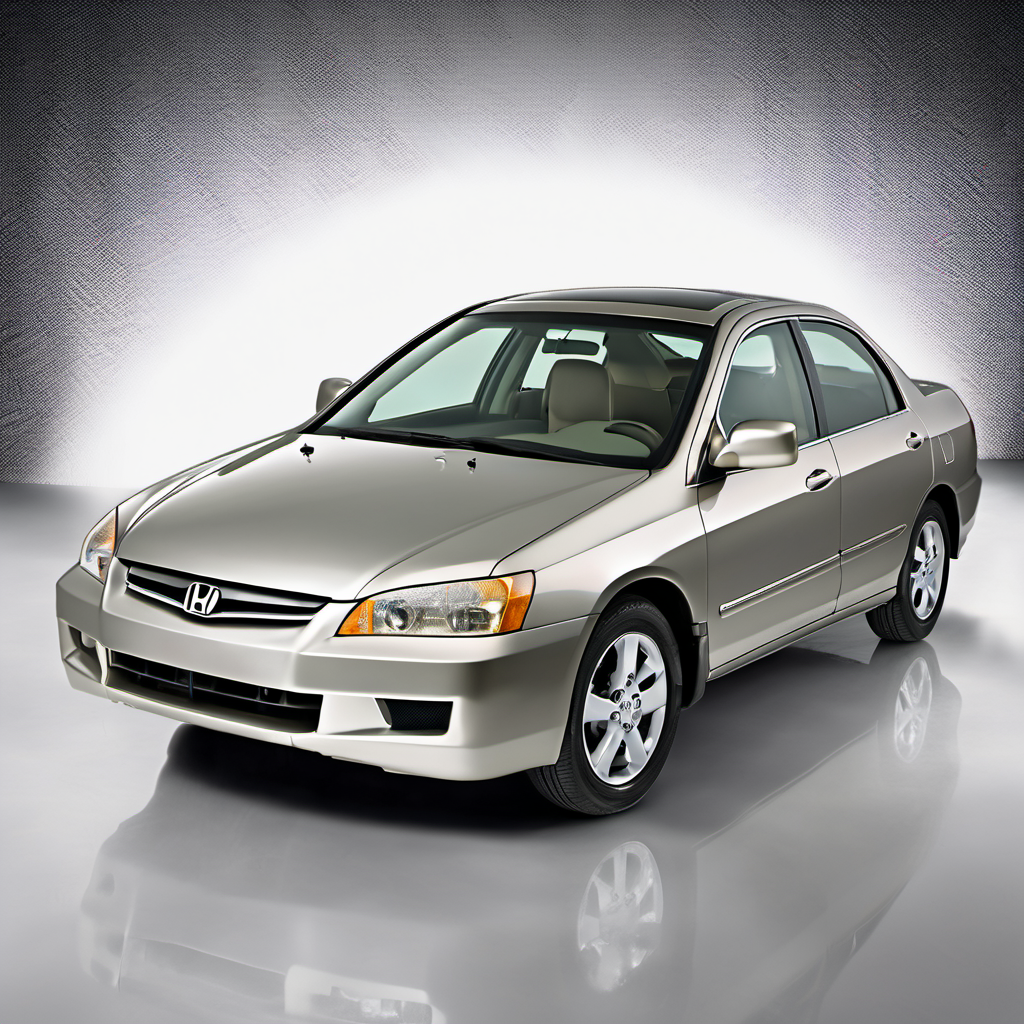
Direct segment rival with a similarly strong reliability record. The V6 Accord offers comparable power and a sportier feel. Also prone to transmission issues on the 2003–2004 V6 automatic — worth knowing before cross-shopping.
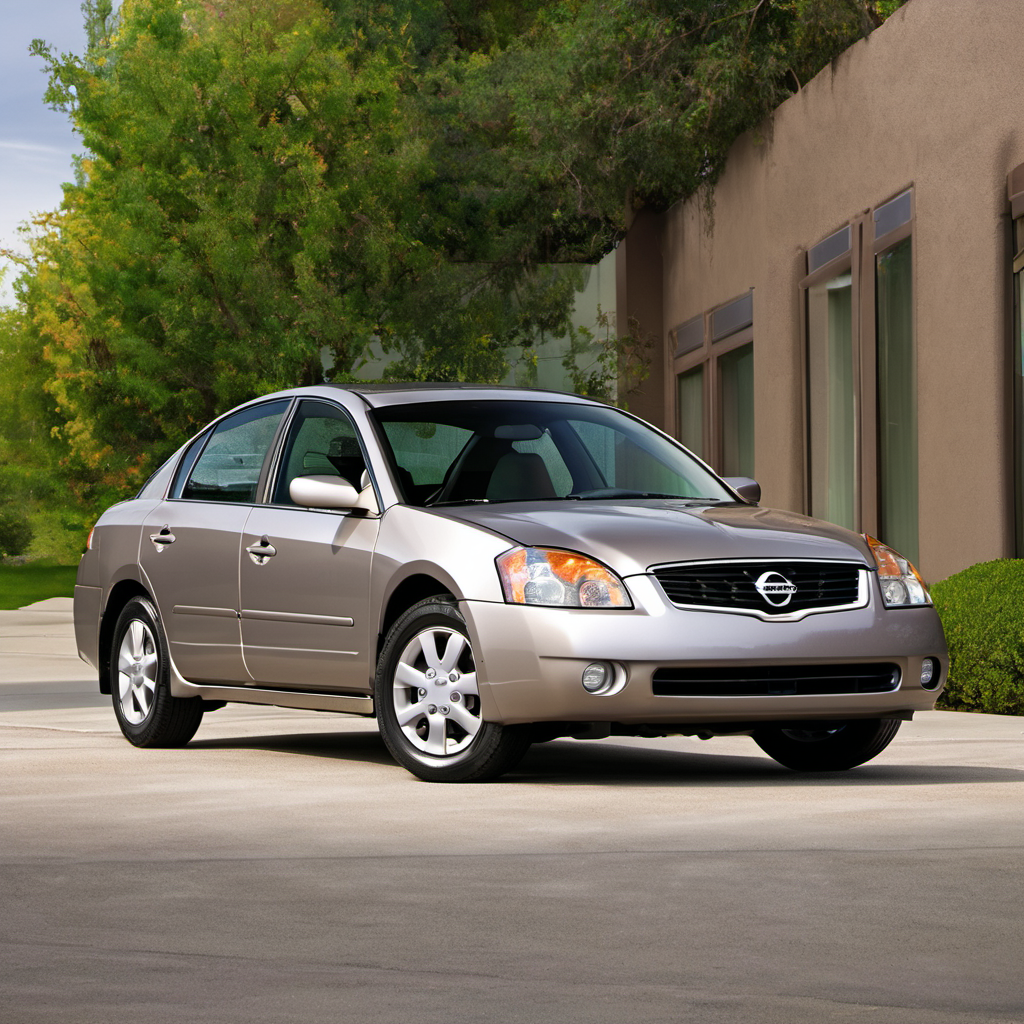
Same price bracket and FWD mid-size mission. The 3.5L V6 Altima is quick and comfortable but the CVT introduced in later models wasn't yet standard here. Slightly more driver-focused than the Camry.
Sportier dynamics than the Camry in the same size class. Less proven long-term reliability record than Toyota but generally solid. Parts availability is good. Worth considering if driving engagement matters.
No catalog match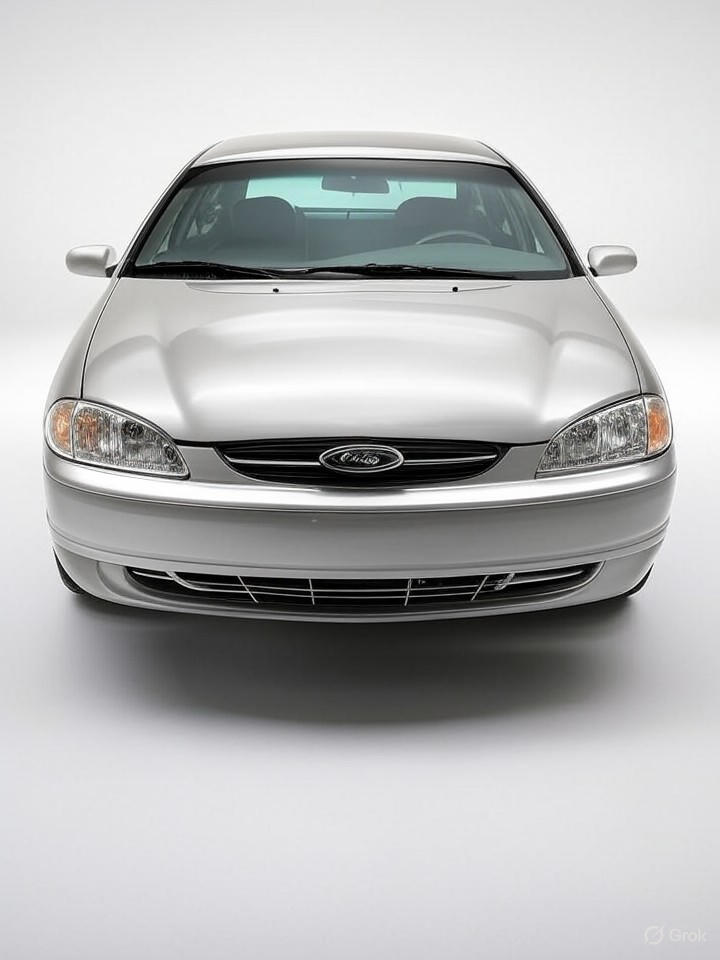
Larger, cheaper to buy used, and widely available in the Midwest. Reliability is a step below the Camry but parts and labor costs are lower. Better choice if budget is the primary concern.