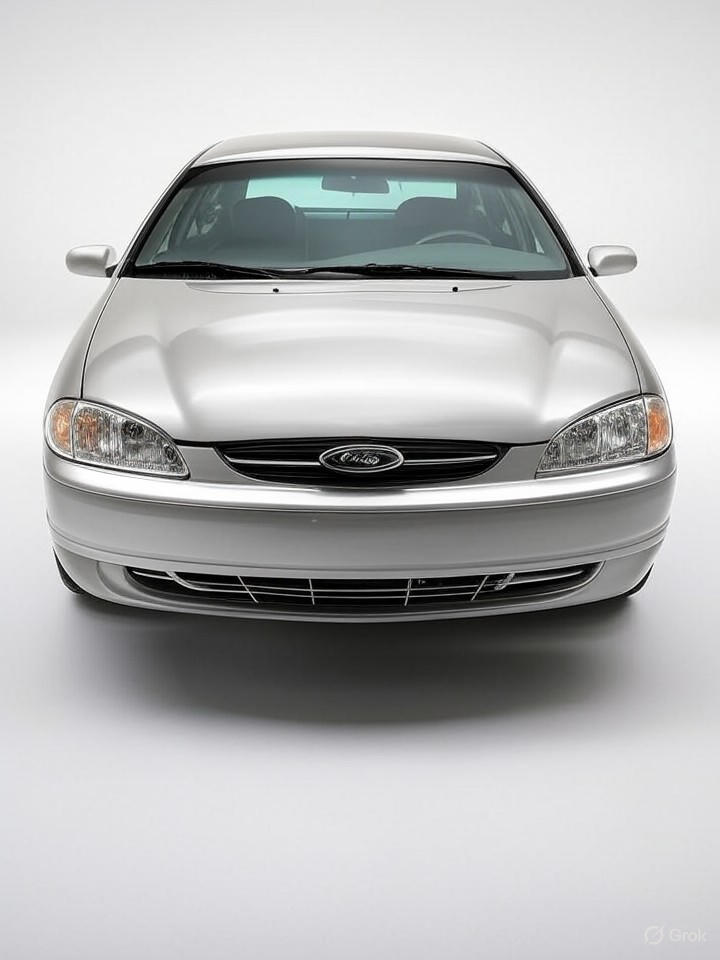
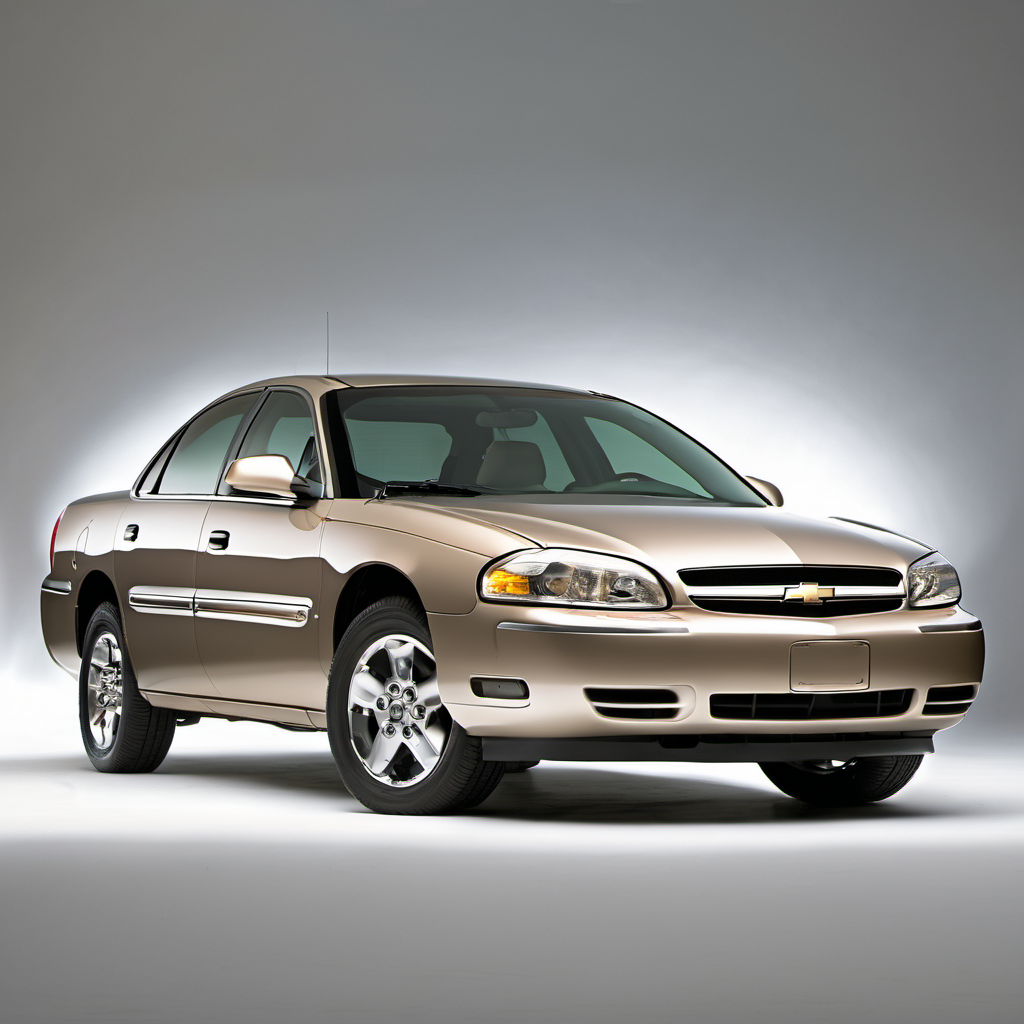
2004 Ford Taurus Sedan

2004 Ford

TaurusSedan

Sedan

The 2004 Ford Taurus is a front-wheel-drive, six-passenger family sedan that was, for many years, the best-selling car in America. By 2004 the platform was long in the tooth — Ford had been stretching the same basic architecture since the mid-1980s — but that also means the mechanicals are well-understood, parts are cheap, and any competent independent shop can work on one. It's a practical, affordable commuter and family hauler, not an enthusiast's car. The standard engine is the 3.0L Vulcan V6, a pushrod design known for durability. A DOHC 3.0L Duratec V6 was also available and produces more power but introduces more complexity. Both share the same displacement; ask which one you're buying, as they differ in maintenance needs and long-term reliability patterns. The 4-speed automatic transmission is smooth but can show wear on high-mileage examples. At this age, a 2004 Taurus is a high-mileage used-car purchase. The value proposition is hard to beat — parts and labor are among the cheapest in the segment — but rust from Wisconsin winters is a real concern on any example that spent its life in the upper Midwest. Buy it with eyes open and a proper inspection.

Reliability
3/5
Verified data
Specs shown for Taurus — the most common configuration. Other trims may vary in engine, drivetrain, or fuel economy. Sign in to see your vehicle's exact specs.
Engine
[object Object]
Drivetrain
FWD
Fuel
Gasoline
MPG
18 city / 25 hwy / 20 combined
Seats
Doors
Body
Large Cars

Overview

AI-curated

The 2004 Ford Taurus is a front-wheel-drive, six-passenger family sedan that was, for many years, the best-selling car in America. By 2004 the platform was long in the tooth — Ford had been stretching the same basic architecture since the mid-1980s — but that also means the mechanicals are well-understood, parts are cheap, and any competent independent shop can work on one. It's a practical, affordable commuter and family hauler, not an enthusiast's car. The standard engine is the 3.0L Vulcan V6, a pushrod design known for durability. A DOHC 3.0L Duratec V6 was also available and produces more power but introduces more complexity. Both share the same displacement; ask which one you're buying, as they differ in maintenance needs and long-term reliability patterns. The 4-speed automatic transmission is smooth but can show wear on high-mileage examples. At this age, a 2004 Taurus is a high-mileage used-car purchase. The value proposition is hard to beat — parts and labor are among the cheapest in the segment — but rust from Wisconsin winters is a real concern on any example that spent its life in the upper Midwest. Buy it with eyes open and a proper inspection.

Known for
  • Bulletproof 3.0L Vulcan V6 engine in base trim
  • Extremely low parts and labor costs
  • Comfortable, spacious interior for the price
  • Strong sales volume means every shop knows this car
Best for
  • Budget-conscious commuters needing a reliable A-to-B car
  • First-time car owners or high-school/college drivers
  • Buyers who do their own maintenance
  • Anyone who wants the lowest possible cost-per-mile in a sedan
Watch for
  • Rust on subframe, brake lines, and rocker panels — critical on Midwest examples
  • Intake manifold coolant crossover leaks (DOHC Duratec especially)
  • Transmission slip or harsh shifts on high-mileage units
  • Power steering rack leaks and worn tie rod ends
  • Head gasket issues on the DOHC Duratec 3.0L at higher mileage

Common issues by mileage

6 known

Intake manifold coolant crossover leak

high
Typically appears
80–150k mi
Estimated repair
$400 – $900

Lower intake manifold gasket leak (Vulcan V6)

medium
Typically appears
100–160k mi
Estimated repair
$300 – $650

Power steering rack leak and worn tie rod ends

high
Typically appears
90–150k mi
Estimated repair
$250 – $800

Transmission slipping or harsh shifts (4-speed automatic)

medium
Typically appears
120–180k mi
Estimated repair
$200 – $2,800

Oxygen sensor failure / heater circuit fault

medium
Typically appears
80–130k mi
Estimated repair
$120 – $320

Subframe and brake line rust (Midwest/salt-belt cars)

high
Typically appears
Any mileage on older examples
Estimated repair
$500 – $3,500

Maintenance schedule

  1. 1
    Every 5,000 miles or 6 months Engine oil and filter change

    The Vulcan V6 tolerates conventional oil well, but sludge from extended intervals accelerates wear on valve train components. The Duratec is far less forgiving of dirty oil.

  2. 2
    Every 30,000 miles or 3 years Coolant flush and refill

    Old coolant becomes acidic and attacks the intake manifold crossover fittings and gaskets — the most expensive common failure on this car. Fresh coolant is cheap insurance.

  3. 3
    Every 30,000 miles if used-car history is unknown Transmission fluid change

    The AX4N/4F50N unit responds well to fresh fluid. If you don't know when it was last done, do it now — but don't do a flush on a very high-mileage unit that's already slipping.

  4. 4
    Every 60,000 miles Spark plugs replacement

    The Vulcan uses standard copper plugs on a simple layout. The Duratec's rear bank plugs are harder to access — budget extra labor time.

  5. 5
    Every year, before winter Brake line inspection

    Salt-belt rust eats steel brake lines from the outside. A failing brake line is a safety emergency. Inspect the full run front-to-rear every fall.

  6. 6
    Every 15,000 miles Power steering fluid check and hose inspection

    Rack seals and return hoses weep on high-mileage examples. Catching it early is a $50 hose; ignoring it leads to rack replacement.

  7. 7
    Every 60,000 miles or at first sign of squealing Serpentine belt and tensioner inspection

    Belt failure leaves you stranded and can damage the power steering pump. Tensioners wear on these engines and are inexpensive to replace proactively.

  8. 8
    Every fall, before temperatures drop below freezing Battery load test

    A battery that tests marginal in October will likely fail in January in Lake Geneva. The 3.0L cranks hard in sub-zero weather — don't find out the hard way.

Always defer to the manufacturer's service manual for warranty-mandated intervals.

Cost of ownership

Annual maintenance
$600 – $1,500
Fuel
At 20 MPG combined and ~12,000 miles/year, expect roughly $1,500–$1,800/year at current Midwest gas prices. Mostly city driving will push you closer to the higher end.
Insurance
Typically among the lowest in its class — an older sedan with low market value. Expect $700–$1,200/year depending on coverage level and driver profile.

The Taurus is one of the cheapest cars to own in absolute terms. Parts are plentiful and inexpensive, and any shop can work on it without specialty tools. The main financial risk on a 2004 example is deferred rust repair or a surprise transmission rebuild — either of which can exceed the car's market value. Keep up with cooling system and brake line maintenance and the day-to-day costs are very manageable.
Seasonal care

Lake Geneva, WI
Winter
  • Load-test the battery every October — the 3.0L demands strong cranking amps at sub-zero temps common around Lake Geneva.
  • Inspect and replace steel brake lines if any surface rust, pitting, or weeping is found before first hard freeze.
  • Switch to a winter-rated washer fluid (good to at least -20°F) — the stock reservoir has no heater and lines freeze easily.
  • Install winter wiper blades; the Taurus hood line creates ice buildup at the base of the wipers.
  • Flush the coolant if it hasn't been done recently — degraded coolant has a lower freeze point and corrodes the intake crossover fittings.
  • Apply undercoating or rust inhibitor spray to exposed subframe and rocker panel seams before salt season begins.
Summer
  • Check tire pressure monthly — temps swinging 30°F between night and midday cause noticeable pressure fluctuation.
  • Inspect the A/C system for refrigerant leaks; the evaporator on this generation can seep over time and recharging a leaking system is money wasted.
  • Watch coolant temperature gauge on hot days in stop-and-go traffic — a clogged radiator or weak water pump will show up in summer heat first.
  • Check transmission fluid level and condition; heat accelerates breakdown and this 4-speed automatic runs warm in slow traffic.
  • Inspect all rubber hoses for heat cracking, especially the upper and lower radiator hoses on high-mileage examples.

Comparable vehicles

If you're shopping for one

Red flags
  • Orange or rusty coolant in the reservoir — means the cooling system has been neglected and the intake crossover is likely next to fail.
  • Any visible rust perforation on the subframe — repair costs can exceed the car's value.
  • Transmission that slips, flares between gears, or has burnt-smelling fluid — a rebuild on this unit is often more than the car is worth.
  • Oil filler cap with white or creamy residue — potential head gasket failure, walk away unless price reflects a major repair.
  • Check engine light with O2 sensor codes (P0030–P0036) combined with rough idle could indicate a deeper engine management issue, not just a sensor.
  • Significant play in the steering wheel at center — worn rack or tie rods, budget $400–$800 immediately.
What to inspect
  • Full undercarriage inspection for subframe rust, brake line condition, and rocker panel integrity — this is the most important check on any Midwest Taurus.
  • Coolant condition and level; look for oily residue in the overflow tank or milky oil on the dipstick (head gasket warning signs, especially on Duratec).
  • Identify which engine is installed: Vulcan (OHV, single intake plenum) vs. Duratec (DOHC, dual cam covers visible) — they have different maintenance needs and reliability profiles.
  • Transmission: test drive for smooth, firm upshifts through all gears; any hesitation, slip, or clunk warrants a fluid inspection before purchase.
  • Power steering feel: any looseness, wandering, or visible fluid leaks around the rack boots or return hose.
  • Check all four wheel wells and the spare tire well for rust perforation.
AI profile generated 16 days ago · claude-sonnet-4-6 · v2.