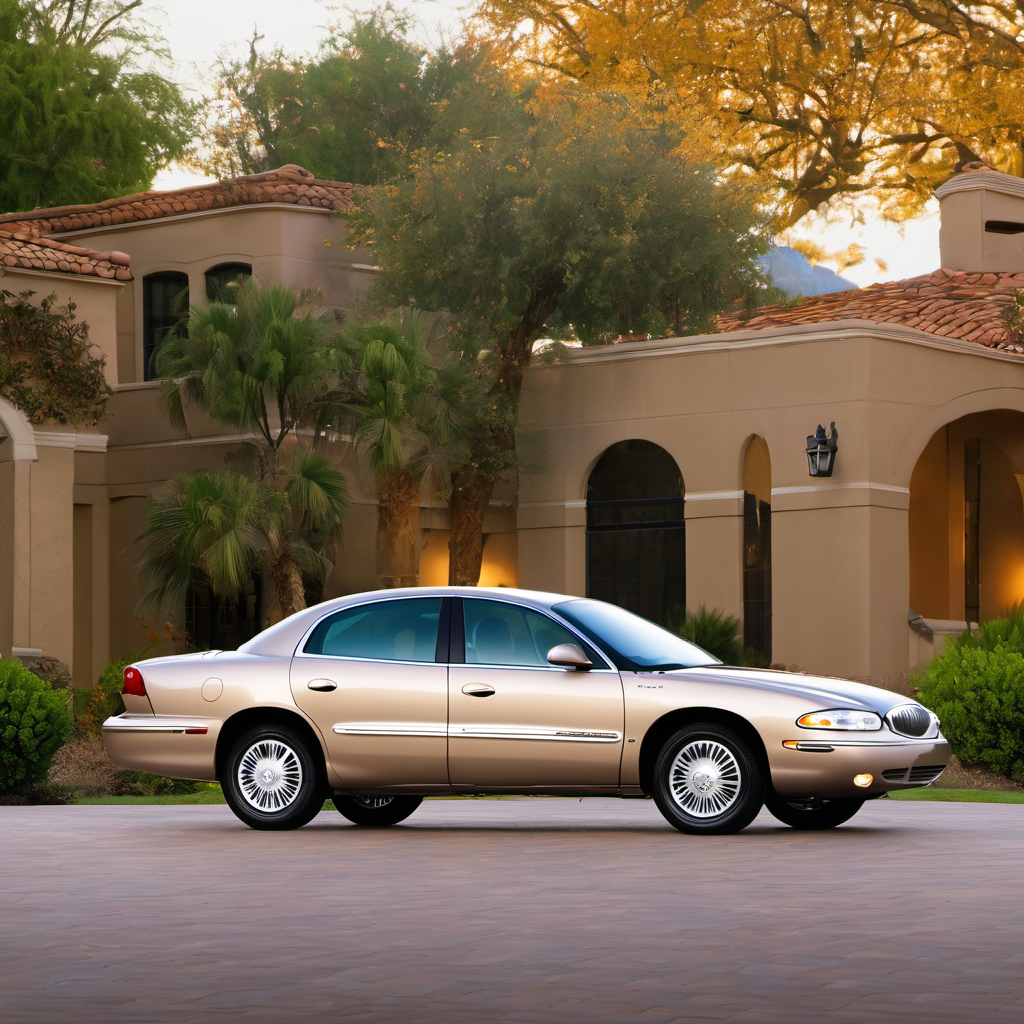
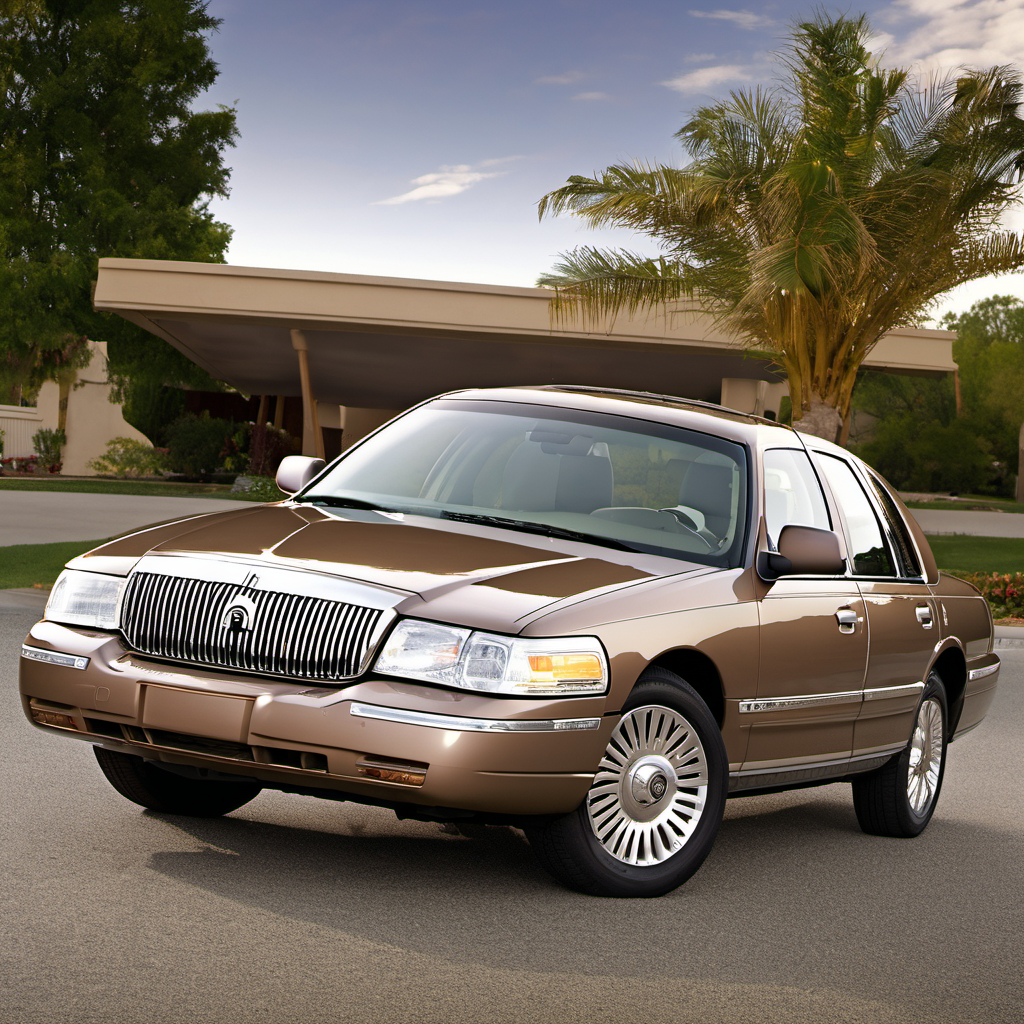
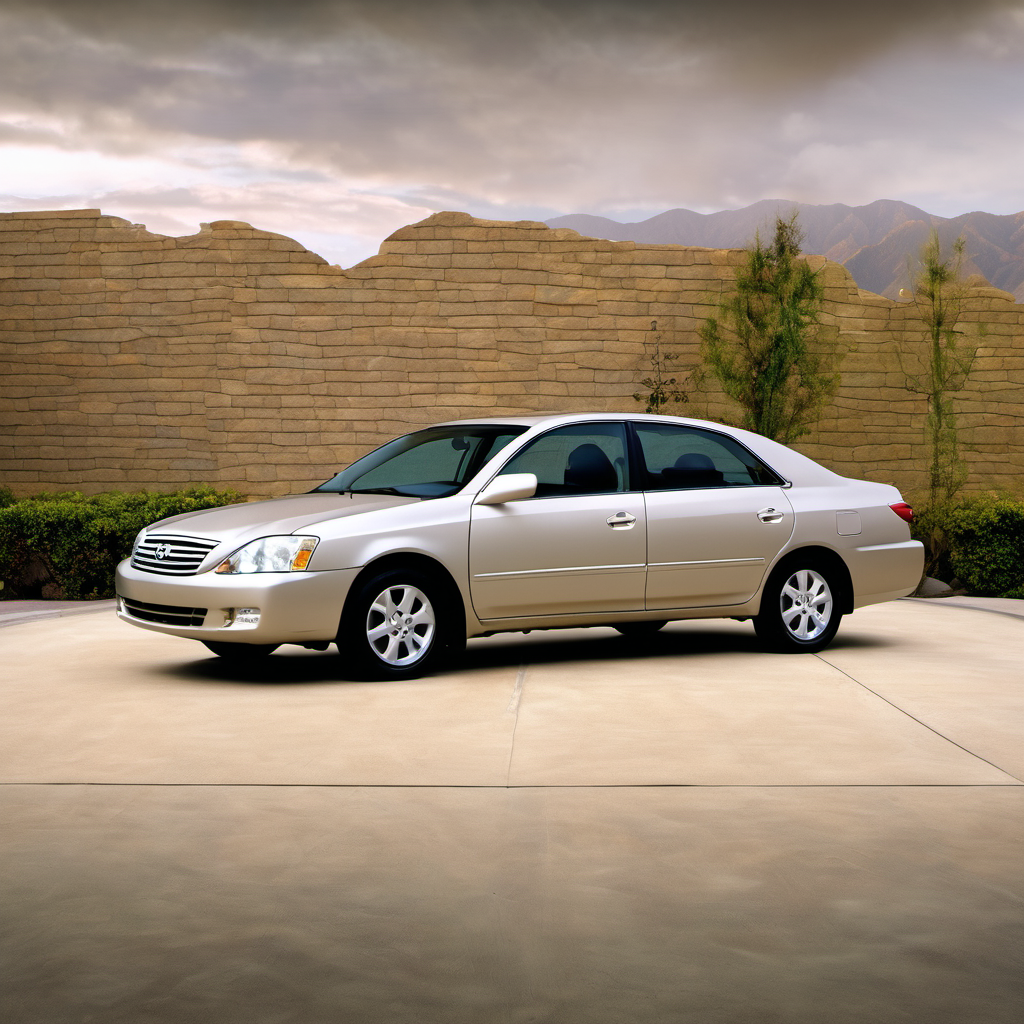
2004 Buick LeSabre Sedan

2004 Buick

LeSabreSedan

Sedan

The 2004 Buick LeSabre is the final model year of a nameplate that ran from 1959 through 2004. It's a full-size, front-wheel-drive sedan built around GM's bulletproof 3800 Series II V6 — one of the most dependable engines the company ever produced. At this point in its life, the LeSabre was a mature, fully sorted platform with decades of refinement behind it. This car was engineered for comfort and longevity, not performance. The ride is soft, the cabin is quiet, and the controls are straightforward. It found its audience with older buyers who wanted a reliable, American-made sedan that could pile on highway miles without drama. Used examples with 150,000–200,000 miles on the 3800 engine are common and often still healthy. Because the LeSabre was discontinued after 2004, parts availability varies — most mechanical pieces are plentiful and inexpensive, but some body and interior trim items can be harder to find. If you're looking at a high-mileage example, the mechanicals are usually the last thing to worry about; it's rust, interior wear, and deferred maintenance that kill these cars.

Reliability
4/5
Verified data
Specs shown for LeSabre — the most common configuration. Other trims may vary in engine, drivetrain, or fuel economy. Sign in to see your vehicle's exact specs.
Engine
[object Object]
Drivetrain
FWD
Fuel
Gasoline
MPG
18 city / 27 hwy / 21 combined
Seats
Doors
Body
Large Cars

Overview

AI-curated

The 2004 Buick LeSabre is the final model year of a nameplate that ran from 1959 through 2004. It's a full-size, front-wheel-drive sedan built around GM's bulletproof 3800 Series II V6 — one of the most dependable engines the company ever produced. At this point in its life, the LeSabre was a mature, fully sorted platform with decades of refinement behind it. This car was engineered for comfort and longevity, not performance. The ride is soft, the cabin is quiet, and the controls are straightforward. It found its audience with older buyers who wanted a reliable, American-made sedan that could pile on highway miles without drama. Used examples with 150,000–200,000 miles on the 3800 engine are common and often still healthy. Because the LeSabre was discontinued after 2004, parts availability varies — most mechanical pieces are plentiful and inexpensive, but some body and interior trim items can be harder to find. If you're looking at a high-mileage example, the mechanicals are usually the last thing to worry about; it's rust, interior wear, and deferred maintenance that kill these cars.

Known for
  • 3800 Series II V6 — one of GM's most proven engines
  • Exceptionally smooth, comfortable highway ride
  • Strong long-term reliability when properly maintained
  • Generous interior space for a front-wheel-drive car
  • Very affordable cost of ownership
Best for
  • Retired or low-mileage drivers wanting comfort and reliability
  • Highway commuters logging consistent miles
  • Budget-conscious buyers who want a roomy, durable sedan
  • First-time older-car owners comfortable with basic maintenance
Watch for
  • Rust on rocker panels, wheel arches, and subframe — critical in the upper Midwest
  • Intake manifold gasket leaks (known 3800 issue at higher mileage)
  • Deferred coolant flushes leading to cooling system damage
  • Worn or cracked plastic interior trim — hard to find replacement pieces
  • Sagging headliner common on high-mileage examples

Common issues by mileage

6 known

Intake Manifold Gasket Leak

high
Typically appears
80–150k mi
Estimated repair
$350 – $650

Lower Intake Manifold Coolant Leak / Overheating

medium
Typically appears
100–180k mi
Estimated repair
$400 – $750

O2 Sensor Heater Circuit Failure

medium
Typically appears
80–140k mi
Estimated repair
$150 – $300

HVAC Blower Motor or Resistor Failure

medium
Typically appears
80–160k mi
Estimated repair
$80 – $220

4T65-E Transmission Solenoid or Shift Issues

medium
Typically appears
120–200k mi
Estimated repair
$300 – $1,200

Strut / Front Suspension Wear

high
Typically appears
80–150k mi
Estimated repair
$400 – $800

Maintenance schedule

  1. 1
    Every 5,000 mi or 6 months Engine oil and filter change

    The 3800 V6 tolerates conventional oil well, but sludge from extended intervals accelerates wear on the lower intake gaskets and valve train. Use the shorter interval on a high-mileage engine.

  2. 2
    Every 5 years or 50,000 mi Coolant flush and refill with Dex-Cool compatible formula

    Degraded Dex-Cool mixed with air pockets attacks the plastic intake manifold gaskets from the inside. This is the single most preventable expensive repair on the 3800.

  3. 3
    Every 50,000 mi Transmission fluid change (4T65-E)

    GM called this a 'lifetime' fluid — it isn't. Fresh Dexron VI extends solenoid and clutch pack life significantly on these older transmissions.

  4. 4
    Every 60,000 mi Spark plugs replacement

    The 3800 uses standard AC Delco plugs that are inexpensive and easy to access. Worn plugs stress the ignition coils and reduce fuel economy noticeably.

  5. 5
    Every 60,000 mi or at first sign of cracking/glazing Serpentine belt and tensioner inspection

    Belt failure on the 3800 can strand you instantly. The tensioner pulley bearing is also a common failure point — inspect both together.

  6. 6
    Every 3 years Brake fluid flush

    Moisture-laden brake fluid lowers boiling point and corrodes ABS module internals — a pricey fix to avoid on a 20-year-old car.

  7. 7
    Every fall before salt season Undercarriage rust inspection and treatment

    Lake Geneva roads use heavy brine and rock salt. Annual undercarriage inspection and touch-up of any bare metal on the subframe, fuel lines, and brake lines is cheap insurance.

  8. 8
    Every fall, or every 3–4 years Battery load test

    The 3800 starts reliably in cold weather IF the battery is healthy. A weak battery struggling at -10°F can leave you stranded quickly in a Wisconsin winter.

Always defer to the manufacturer's service manual for warranty-mandated intervals.

Cost of ownership

Annual maintenance
$400 – $900
Fuel
At 21 MPG combined and typical upper-Midwest driving, expect roughly $1,500–$2,000/year at $3.25–$3.75/gallon, depending on how highway-heavy your driving is.
Insurance
Among the cheapest full-coverage rates you'll find — typically $700–$1,100/year for a clean-record adult driver. The LeSabre's age, low market value, and reputation for safety keep premiums low.

The LeSabre is genuinely inexpensive to own. Parts are cheap and widely available, labor rates at an independent shop are reasonable because everything is accessible, and the drivetrain rarely surprises you. The real financial risk on these cars is deferred cooling system maintenance or rust that's been ignored — both can turn a $3,000 car into a money pit. Stay ahead of the coolant flush and do an annual undercarriage check.
Seasonal care

Lake Geneva, WI
Winter
  • Load-test the battery every October — the 3800 is a strong cold-starter but only with a healthy battery; sub-zero temps expose any weakness fast.
  • Switch to a full-synthetic or synthetic-blend 5W-30 if using conventional oil, to ensure quick cold-start lubrication at Wisconsin temperatures.
  • Inspect and replace wiper blades with winter-rated blades before first snowfall; the LeSabre's large windshield needs full coverage.
  • Top off washer fluid with a rated -25°F or colder formula — standard fluid freezes in the lines and can crack the reservoir.
  • Inspect brake lines and fuel lines for rust pinholes before salt season; these are vulnerable on 20-year-old cars.
  • Check tire tread depth and consider dedicated winter tires — the FWD setup helps in snow, but worn all-seasons on ice are still dangerous.
Summer
  • Check coolant level and condition before summer heat — the LeSabre's known intake gasket vulnerability is worsened by running low or degraded coolant.
  • Inspect the A/C system for weak cooling; the refrigerant (R-134a) can leak slowly over years and the condenser is exposed to road debris.
  • Check tire pressure monthly — summer heat raises pressure and under-inflation from winter can drop fuel economy noticeably.
  • Inspect the serpentine belt for cracking or glazing; heat accelerates belt aging and a summer breakdown is avoidable.
  • Park in shade when possible — the LeSabre's large glass area heats the interior quickly and stresses any aging plastic dashboard trim.

Comparable vehicles

If you're shopping for one

Red flags
  • Any sign of coolant in the oil (milky/frothy dipstick) or oil in the coolant reservoir — walk away unless priced to reflect a major repair.
  • Rust perforation on the floor pans or subframe mounting points — structural rust makes the car unsafe and uneconomical to repair.
  • A check engine light that the seller recently cleared but cannot explain — scan it yourself before purchase.
  • Transmission that flares RPMs or clunks between gears — 4T65-E rebuilds run $1,500–$2,500 at an independent shop.
  • Missing service records on a car over 100k miles — the cooling system and transmission maintenance history matters enormously on these.
What to inspect
  • Coolant color and smell — brown, rusty, or oily coolant signals an intake gasket leak that may already be cross-contaminating fluids.
  • Undercarriage rocker panels, subframe, and brake/fuel lines for rust perforation — this is the number-one killer of upper-Midwest LeSabres.
  • Transmission shift quality during a test drive — soft or slipping shifts between 1st–2nd or 2nd–3rd suggest internal 4T65-E wear.
  • Headliner condition — sagging fabric is cosmetically unpleasant and costly to restore properly on a car this age.
  • Power window regulators — all four windows; regulator failures are common on high-mileage GM sedans of this era.
  • A/C output temperature — recharging an old system can temporarily mask a larger leak or compressor issue.
AI profile generated 11 days ago · claude-sonnet-4-6 · v2.