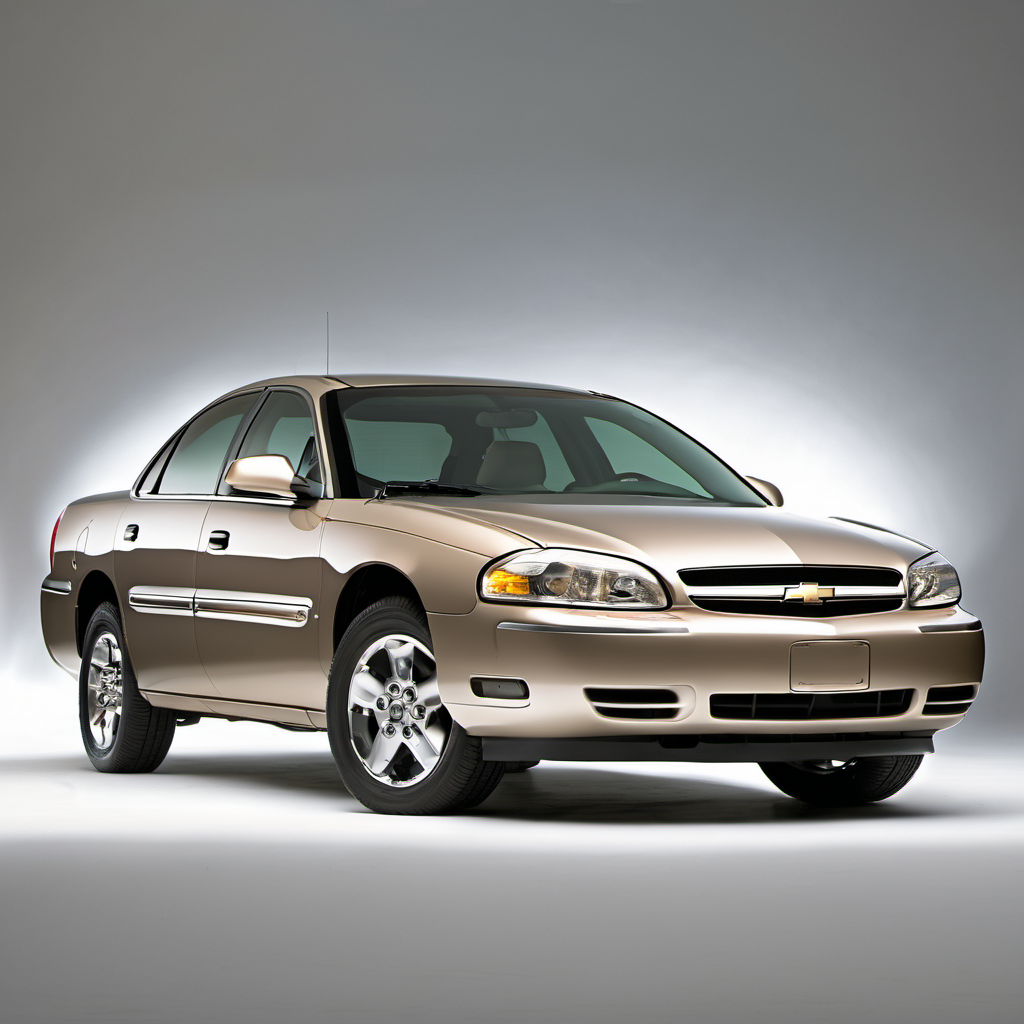
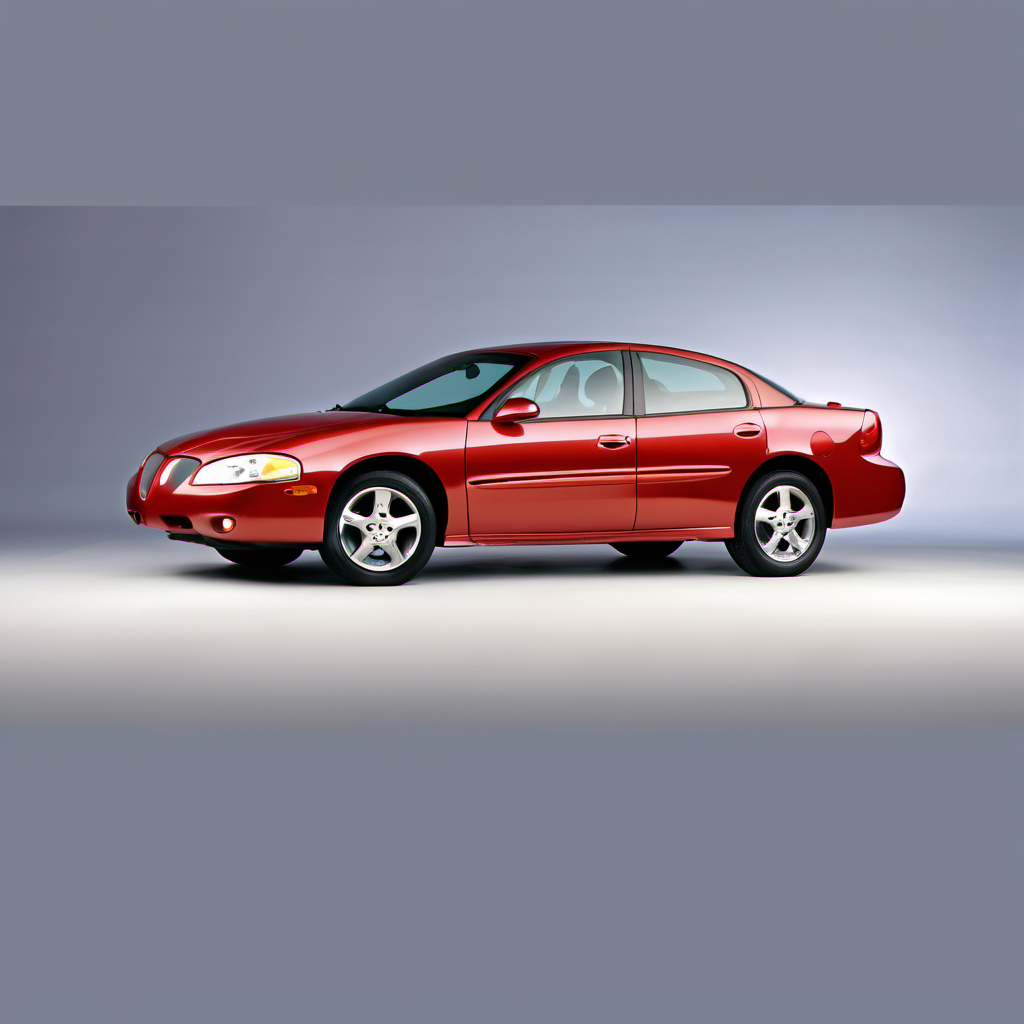
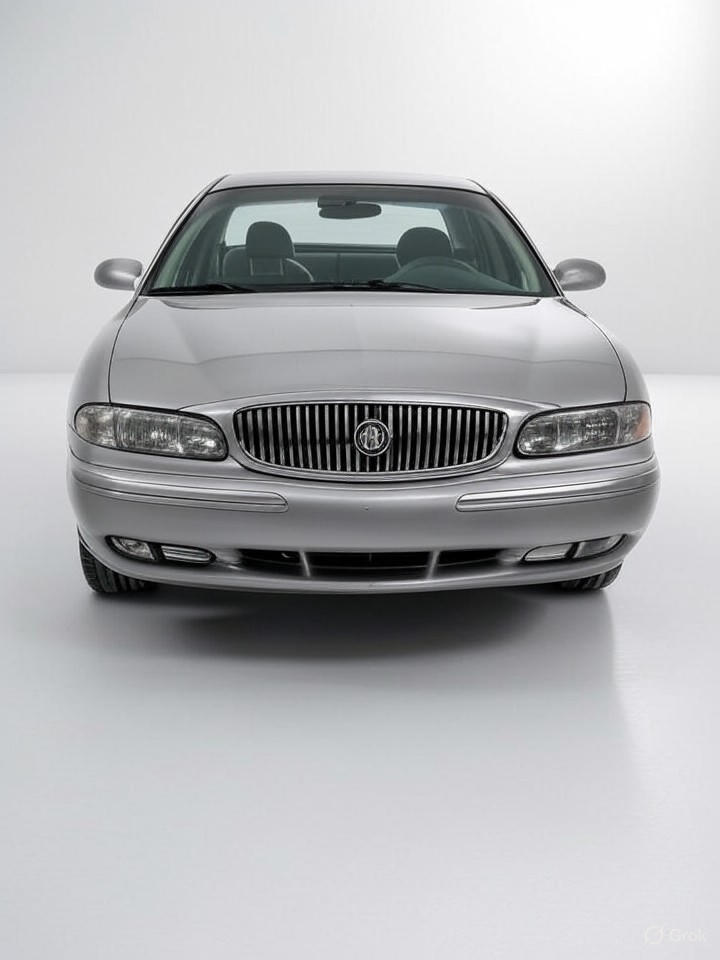
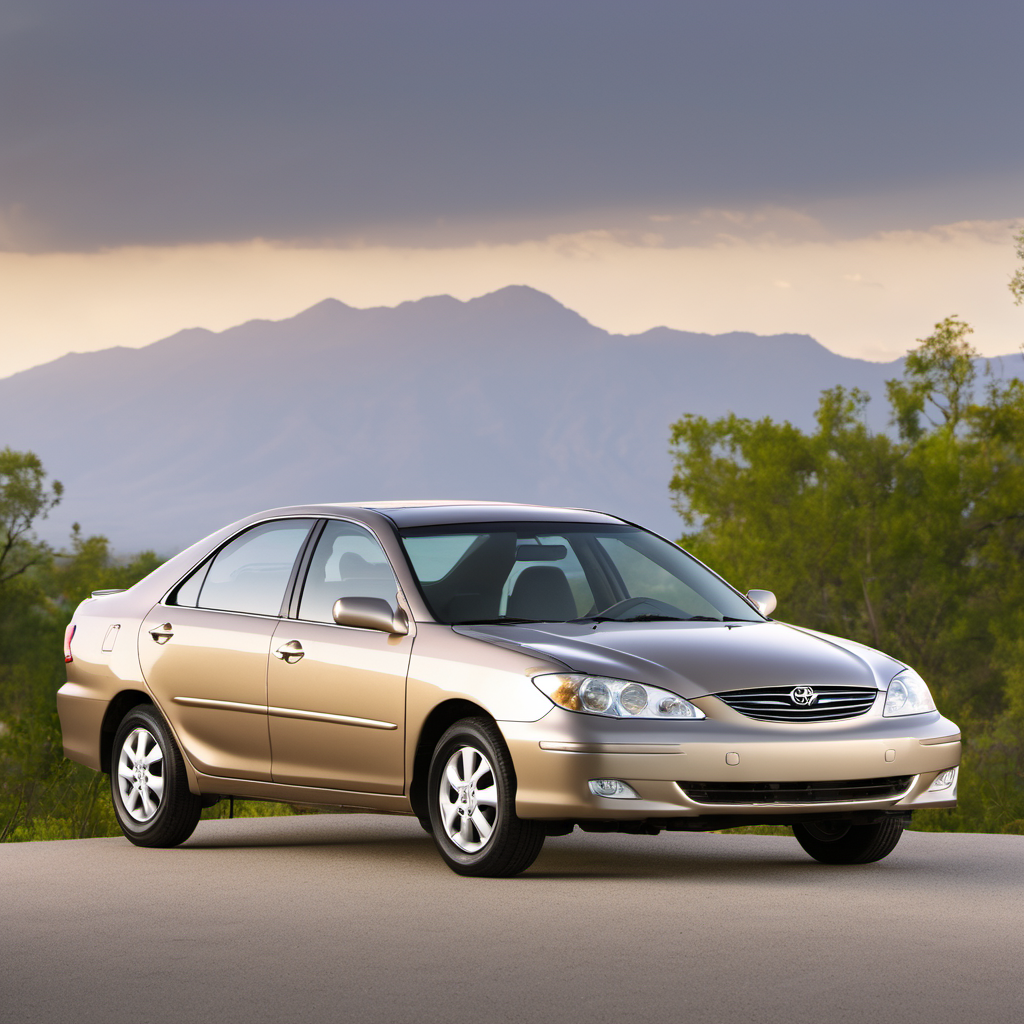
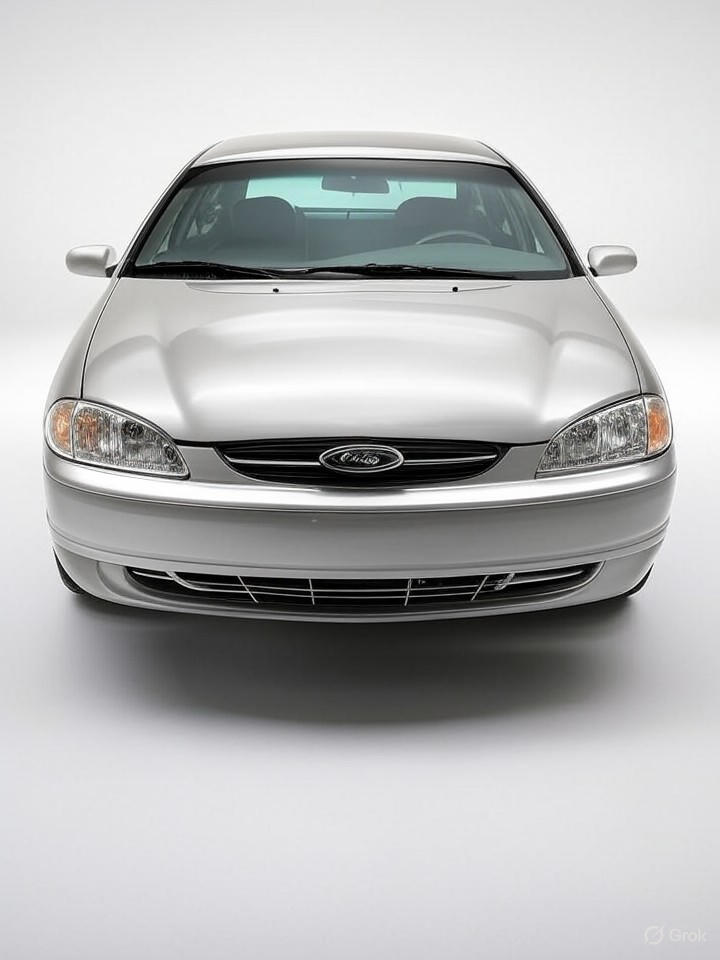
2004 Chevrolet Impala Sedan

2004 Chevrolet

ImpalaSedan

Sedan

The 2004 Chevrolet Impala is a front-wheel-drive full-size sedan built on GM's W-body platform, a layout shared with the Buick Century, Regal, and Pontiac Grand Prix. This generation (2000–2005) was one of GM's best-selling cars of its era, prized for its roomy interior, comfortable ride, and low purchase price. It slots squarely in the affordable, practical family sedan category. The base 3.4L V6 is a proven, durable engine that responds well to regular maintenance. It's not a performance machine — it's a comfortable highway cruiser that sips fuel reasonably well for its size. Parts are cheap and widely available, making it a solid budget ownership proposition. At 20 years old, most Impalas in Wisconsin have seen significant salt exposure. Rust is now the primary concern on any surviving example, not the drivetrain. Mechanically these cars can soldier on well past 200k miles if the basics have been kept up, but neglected examples are everywhere — inspect carefully before buying.

Reliability
3/5
Verified data
Specs shown for Impala — the most common configuration. Other trims may vary in engine, drivetrain, or fuel economy. Sign in to see your vehicle's exact specs.
Engine
[object Object]
Drivetrain
FWD
Fuel
Gasoline
MPG
19 city / 29 hwy / 22 combined
Seats
Doors
Body
Large Cars

Overview

AI-curated

The 2004 Chevrolet Impala is a front-wheel-drive full-size sedan built on GM's W-body platform, a layout shared with the Buick Century, Regal, and Pontiac Grand Prix. This generation (2000–2005) was one of GM's best-selling cars of its era, prized for its roomy interior, comfortable ride, and low purchase price. It slots squarely in the affordable, practical family sedan category. The base 3.4L V6 is a proven, durable engine that responds well to regular maintenance. It's not a performance machine — it's a comfortable highway cruiser that sips fuel reasonably well for its size. Parts are cheap and widely available, making it a solid budget ownership proposition. At 20 years old, most Impalas in Wisconsin have seen significant salt exposure. Rust is now the primary concern on any surviving example, not the drivetrain. Mechanically these cars can soldier on well past 200k miles if the basics have been kept up, but neglected examples are everywhere — inspect carefully before buying.

Known for
  • Roomy, comfortable interior with a wide bench-style rear seat
  • Durable and easy-to-service 3.4L V6 powertrain
  • Very affordable parts and repair costs
  • Smooth, compliant highway ride quality
  • High sales volume means mechanics know this car inside and out
Best for
  • Budget-conscious buyers needing a large, reliable daily driver
  • High-mileage highway commuters
  • Families needing rear-seat room on a tight budget
  • First-time owners wanting an easy-to-maintain vehicle
Watch for
  • Rust on subframes, floor pans, and brake lines — critical on Wisconsin cars
  • Intake manifold gasket leaks on the 3.4L V6 (very common failure)
  • Passlock theft-deterrent system causing no-start conditions
  • Turn signal and wiper switch failures (multi-function switch)
  • Worn struts and control arm bushings on higher-mileage examples

Common issues by mileage

6 known

Intake Manifold Gasket Leak (Lower)

high
Typically appears
60–120k mi
Estimated repair
$350 – $600

Passlock Anti-Theft No-Start

high
Typically appears
60–200k mi
Estimated repair
$80 – $250

Multi-Function Switch Failure (Turn Signals, Wipers, Cruise)

medium
Typically appears
80–150k mi
Estimated repair
$120 – $280

Front Strut and Control Arm Bushing Wear

high
Typically appears
80–150k mi
Estimated repair
$350 – $700

Oxygen Sensor Heater Circuit Fault

medium
Typically appears
80–130k mi
Estimated repair
$120 – $250

Brake Line Corrosion (Wisconsin Salt Exposure)

high
Typically appears
100k+ mi
Estimated repair
$300 – $800

Maintenance schedule

  1. 1
    Every 5,000 miles or 6 months Engine oil and filter change

    The 3.4L V6 is sensitive to oil sludge when intervals are stretched. Fresh oil is the single best thing you can do for longevity on this engine.

  2. 2
    Every 2 years or 30,000 miles; inspect gasket by 60k Coolant flush and intake manifold gasket inspection

    The lower intake manifold gasket on the 3.4L is a known failure point. Dex-Cool coolant that goes past its service life accelerates gasket degradation. Proactive replacement saves a much larger repair later.

  3. 3
    Every 30,000 miles Transmission fluid change (4T65-E)

    GM's service interval is longer, but frequent fluid changes keep the 4T65-E shifting cleanly and significantly extend transmission life — especially important at this vehicle's age.

  4. 4
    Every 60,000 miles Spark plugs and wires

    Worn plugs on the 3.4L cause misfires and rough idle. Rear bank plug access is awkward — have the wires inspected at the same time to avoid a second labor charge.

  5. 5
    Every year, more often if salt exposure is heavy Brake line inspection

    Wisconsin road salt aggressively attacks steel brake lines on this generation. A rusted-through line is a safety emergency. Catch corrosion early and replace before it fails.

  6. 6
    Every 60,000–75,000 miles Serpentine belt and tensioner

    Belt failure leaves you stranded and can cause rapid overheating. At this vehicle's age, replace proactively even if the belt looks OK — rubber degrades with age, not just mileage.

  7. 7
    Every 6,000–7,500 miles Tire rotation and alignment check

    FWD cars wear front tires faster. Worn control arm bushings (common on this car) knock alignment out of spec and accelerate tire wear — check both together.

  8. 8
    Every fall before Wisconsin winter Battery load test

    A battery that passes a summer test can still fail at -10°F. A weak battery also stresses the alternator. Load test every October — batteries over 4 years old should be replaced proactively.

Always defer to the manufacturer's service manual for warranty-mandated intervals.

Cost of ownership

Annual maintenance
$600 – $1,400
Fuel
At 22 MPG combined and typical mixed driving, expect roughly $1,800–$2,200/year at current Wisconsin fuel prices. Highway-heavy drivers will do better.
Insurance
Typically low — older, low-value FWD sedan with no performance trim. Expect $700–$1,100/year for full coverage depending on driver profile, though liability-only is common at this value.

The Impala is one of the cheaper full-size sedans to own on a day-to-day basis. Parts are inexpensive and widely available. The big cost risks are deferred maintenance catching up (especially the intake manifold gasket and brake lines) and rust-related structural repairs that can exceed the car's market value. Keep up with the basics and this car is very affordable to run.
Seasonal care

Lake Geneva, WI
Winter
  • Load-test the battery every October — cold cranking amps drop sharply below 0°F and this engine needs a strong battery for reliable cold starts.
  • Switch to a winter washer fluid rated to at least -20°F and keep the reservoir topped off; the 3.4L runs warm enough that the nozzles stay functional but frozen fluid is a visibility hazard.
  • Inspect and lubricate door and trunk weatherstripping in late fall to prevent freezing shut in Wisconsin cold snaps.
  • Check antifreeze concentration — should protect to at least -34°F. If the coolant hasn't been changed recently, do it now given the intake gasket risk on this engine.
  • Inspect brake lines and wheel well areas for rust before winter salt hits — corrosion accelerates dramatically once salt season begins.
  • Keep fuel tank at least half full during cold stretches to reduce condensation in the tank and avoid fuel line freeze-up.
Summer
  • Check tire pressure after the first hot week — pressure rises roughly 1 PSI per 10°F, and underinflated tires from winter can become overinflated in summer heat.
  • Have the A/C system inspected in spring — the evaporator and condenser on this generation are prone to slow refrigerant leaks after 15+ years.
  • Inspect the serpentine belt for cracking and glazing before summer heat; a marginal belt is more likely to fail when the engine bay is running hot.
  • Check coolant level and condition — the 3.4L's intake gasket risk goes up with any cooling system neglect, and a summer overheat can turn a small leak into a major repair quickly.

Comparable vehicles

If you're shopping for one

Red flags
  • Any visible rust perforation on the floor pan, frame rails, or subframe mounts — structural rust can exceed the car's value to repair.
  • Rust-compromised brake lines — safety critical and often found on ungaraged Wisconsin examples.
  • Milky or oily coolant in the reservoir — indicates coolant-oil mixing from the intake gasket, possibly into the block.
  • Engine oil that looks like chocolate milk — head gasket or intake gasket failure with internal contamination.
  • No service records at this age — assume the intake gasket, transmission fluid, and coolant have never been done.
  • Smoke from the tailpipe on cold start that persists after warmup — could indicate head gasket or valve seal wear on a high-mileage example.
What to inspect
  • Crawl under the car and inspect subframe, floor pan, and brake lines closely for rust — these are the deal-breakers on any 2004 Wisconsin Impala.
  • With the engine warm, look for coolant smell or wet residue around the intake manifold — early sign of the known 3.4L lower intake gasket leak.
  • Check the coolant itself: if it's rusty brown or has an oily sheen, the intake gasket has likely been leaking internally. Walk away or price in a full repair.
  • Test all turn signals, wipers at all speeds, and cruise control — these all run through the multi-function switch, a common failure point.
  • Check for a 10-minute Passlock relearn issue: if the car has a no-start and the theft light is on, that's a Passlock fault — manageable, but factor it in.
  • Test drive and listen for clunking over bumps, which indicates worn control arm bushings or struts — budget $400–$700 if present.
  • Have the transmission fluid color checked — dark brown or burnt smell means the service has been skipped and wear is likely accelerated.
AI profile generated 13 days ago · claude-sonnet-4-6 · v2.