Intake Manifold Gasket Failure (Lower)
high- Typically appears
- 60–120k mi
- Estimated repair
- $300 – $600
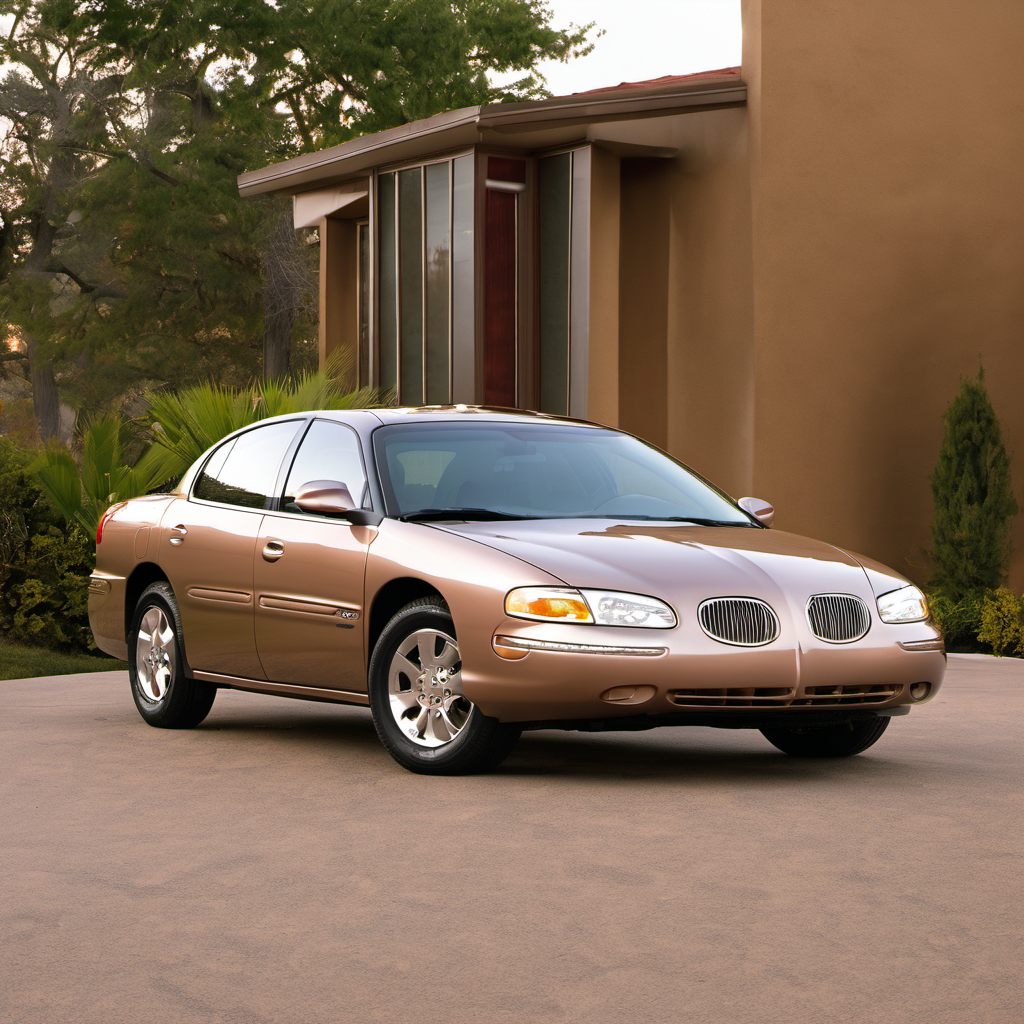
2004 Pontiac
Sedan
The 2004 Pontiac Bonneville is a full-size front-wheel-drive sedan built on GM's G-body platform. It was one of Pontiac's flagship models, offering a roomy interior, a composed highway ride, and enough performance credibility — especially in supercharged GTP trim — to attract buyers who wanted something more than a plain fleet sedan. By 2004 it was a mature, well-sorted design that had been refined over several generations. The standard engine is GM's venerable 3800 Series II V6 (3.8L), one of the most proven American powerplants of its era. It's not exciting, but it's honest — smooth, reliable, and happy to rack up miles when maintained. The GTP adds a Roots-type supercharger for a meaningful bump in power. The 4T65-E four-speed automatic is the universal pairing and has a solid, if not perfect, track record. By 2005 GM discontinued the Bonneville, making 2004 one of the last model years. Parts availability is still reasonable thanks to the engine and transmission being shared across many GM platforms, but body trim, interior plastics, and some electronics unique to this car are getting harder to source. Buy one that has been kept up — deferred maintenance on a 20-year-old Bonneville can snowball fast.
The 2004 Pontiac Bonneville is a full-size front-wheel-drive sedan built on GM's G-body platform. It was one of Pontiac's flagship models, offering a roomy interior, a composed highway ride, and enough performance credibility — especially in supercharged GTP trim — to attract buyers who wanted something more than a plain fleet sedan. By 2004 it was a mature, well-sorted design that had been refined over several generations. The standard engine is GM's venerable 3800 Series II V6 (3.8L), one of the most proven American powerplants of its era. It's not exciting, but it's honest — smooth, reliable, and happy to rack up miles when maintained. The GTP adds a Roots-type supercharger for a meaningful bump in power. The 4T65-E four-speed automatic is the universal pairing and has a solid, if not perfect, track record. By 2005 GM discontinued the Bonneville, making 2004 one of the last model years. Parts availability is still reasonable thanks to the engine and transmission being shared across many GM platforms, but body trim, interior plastics, and some electronics unique to this car are getting harder to source. Buy one that has been kept up — deferred maintenance on a 20-year-old Bonneville can snowball fast.
The 3800's longevity is directly tied to clean oil. This engine is sensitive to sludge if oil changes are stretched — don't trust the old GM 3,000-mile myth, but don't stretch to 7,500 either on a 20-year-old motor.
Dex-Cool degrades and becomes acidic over time, accelerating intake gasket failure. Inspect all rubber hoses for cracking — they're original equipment on many of these cars and are overdue.
GM's extended drain intervals are optimistic on a 20-year-old transmission. Fresh fluid preserves clutch pack life and delays the shift flare that plagues high-mileage 4T65-E units.
A snapped belt on a Wisconsin winter morning strands you instantly. Tensioner spring fatigue is common on these and causes belt slap and noise before full failure.
The 3800 uses a distributorless ignition. Worn plugs increase misfire risk and reduce fuel economy noticeably. Rear bank plugs require patience but are DIY-accessible.
Moisture-laden brake fluid lowers boiling point and corrodes ABS modulator internals — a costly fix. Two-year flushes are cheap insurance, especially with Wisconsin road salt accelerating external corrosion.
Wisconsin salt is brutal on 20-year-old steel brake lines, fuel lines, and exhaust hangers. Catch surface rust before it becomes a safety failure.
A battery that passes a voltage test in October can fail to crank at -10°F in January. Load testing catches marginal batteries before they leave you stranded.
Always defer to the manufacturer's service manual for warranty-mandated intervals.
The Bonneville is an inexpensive car to own when it's healthy. Routine maintenance is cheap and largely DIY-friendly. The two budget risks are the intake manifold gasket — budget $300–$600 if it hasn't been done — and the transmission if you're buying above 120k miles. A pre-purchase inspection that clears those two items makes this one of the better deals in used full-size sedans.
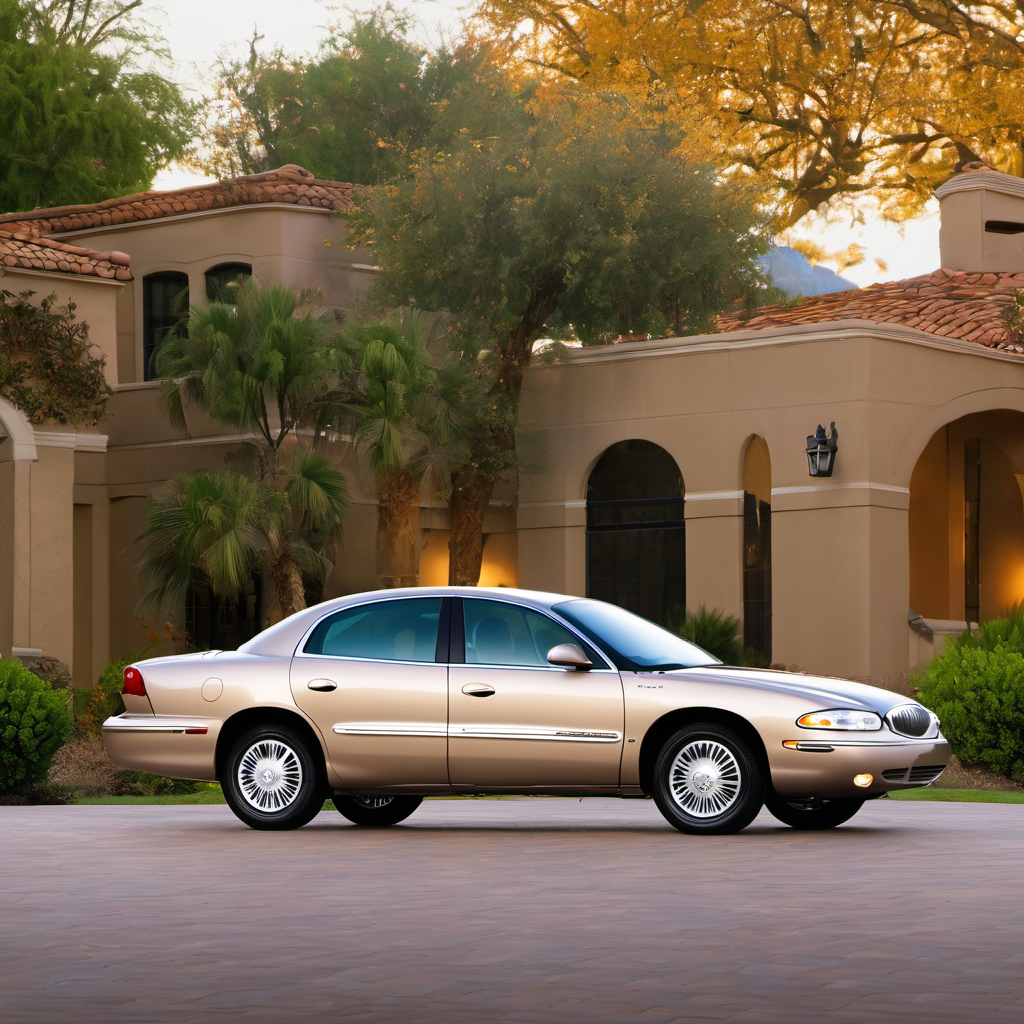
Same GM platform, same 3800 V6, nearly identical reliability profile. Slightly more upscale interior, often better maintained due to older ownership demographic. A direct sibling worth cross-shopping.
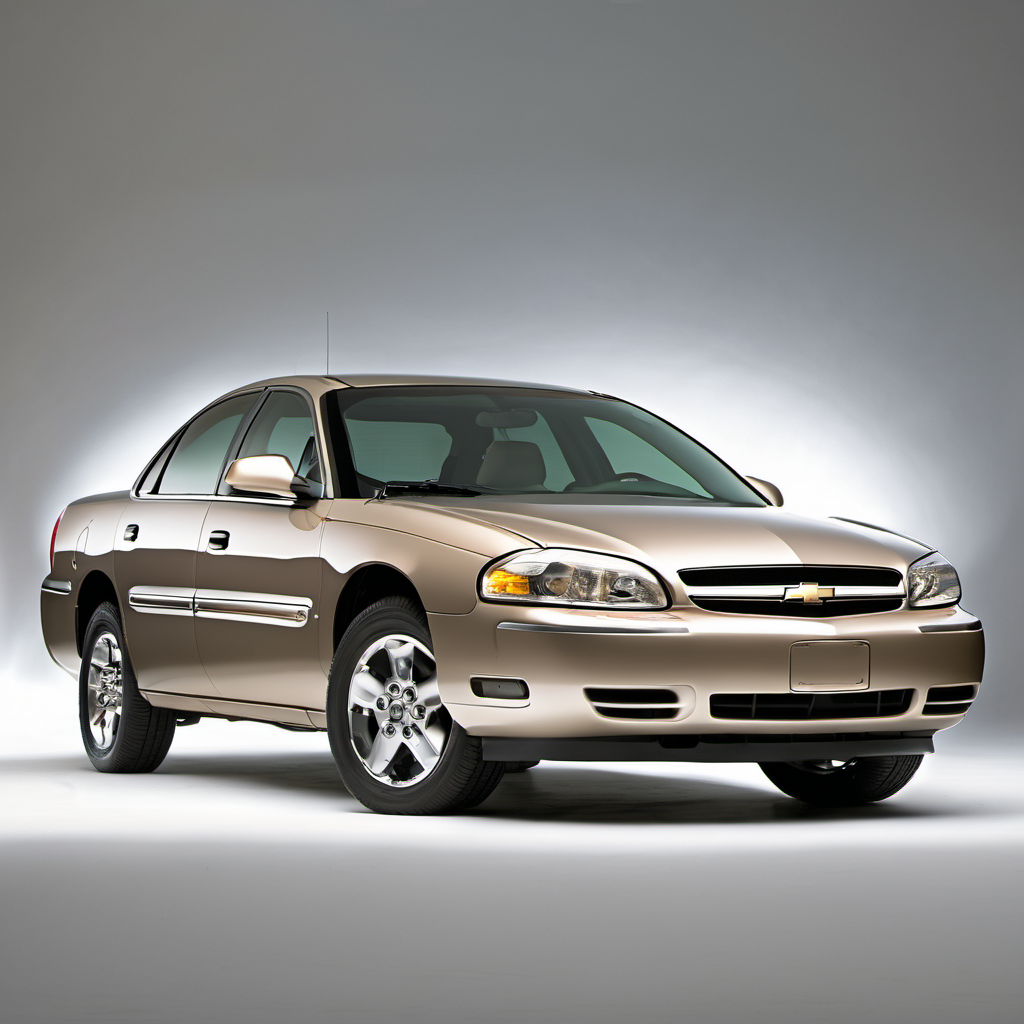
Shares the 3800 V6 and FWD full-size bones. Slightly smaller, more widely available on the used market, and parts are plentiful. A practical alternative if Bonneville supply is thin locally.

Larger, RWD, and simpler mechanically. The 4.6L V8 is similarly bulletproof and the body-on-frame construction is more rust-repairable. Better for buyers who prioritize longevity over refinement.
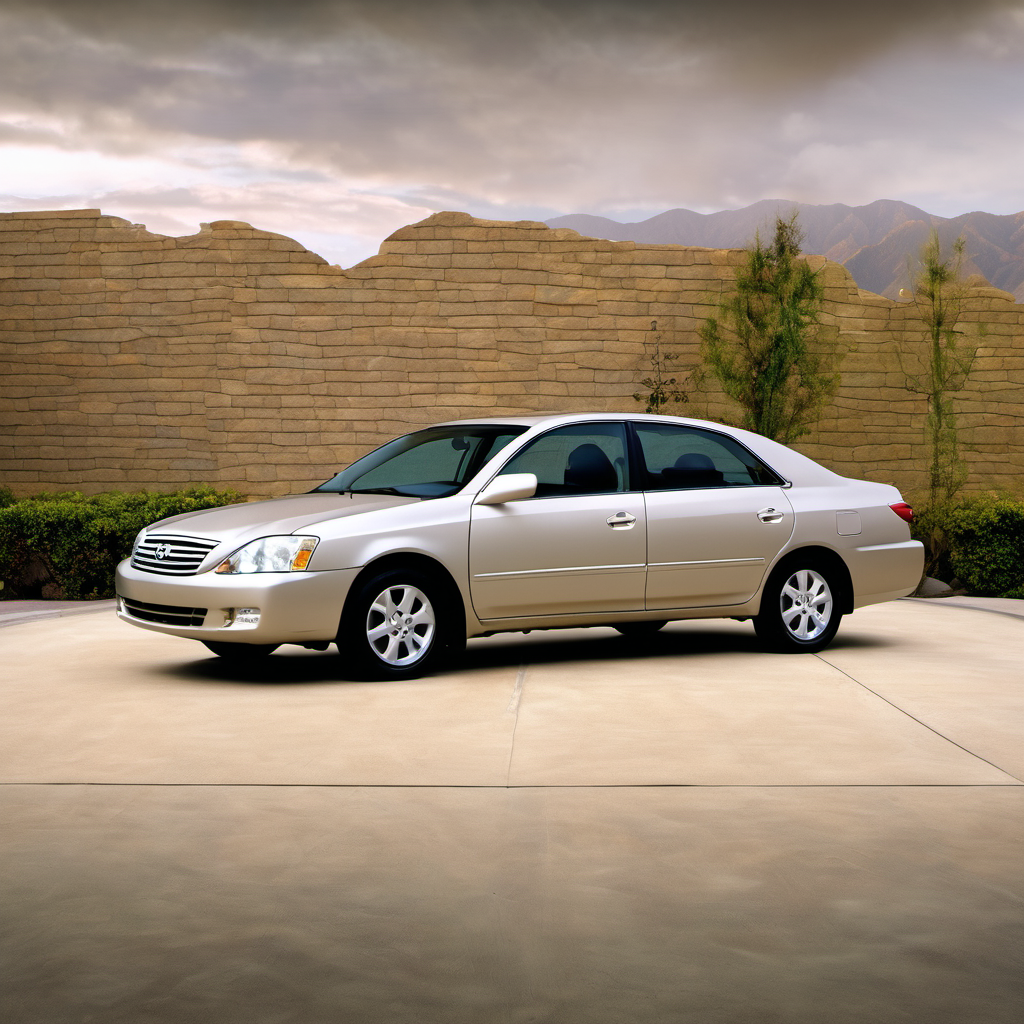
FWD full-size sedan in the same price band on the used market. Stronger long-term reliability reputation and better resale, but parts for the Bonneville are often cheaper due to GM's scale.