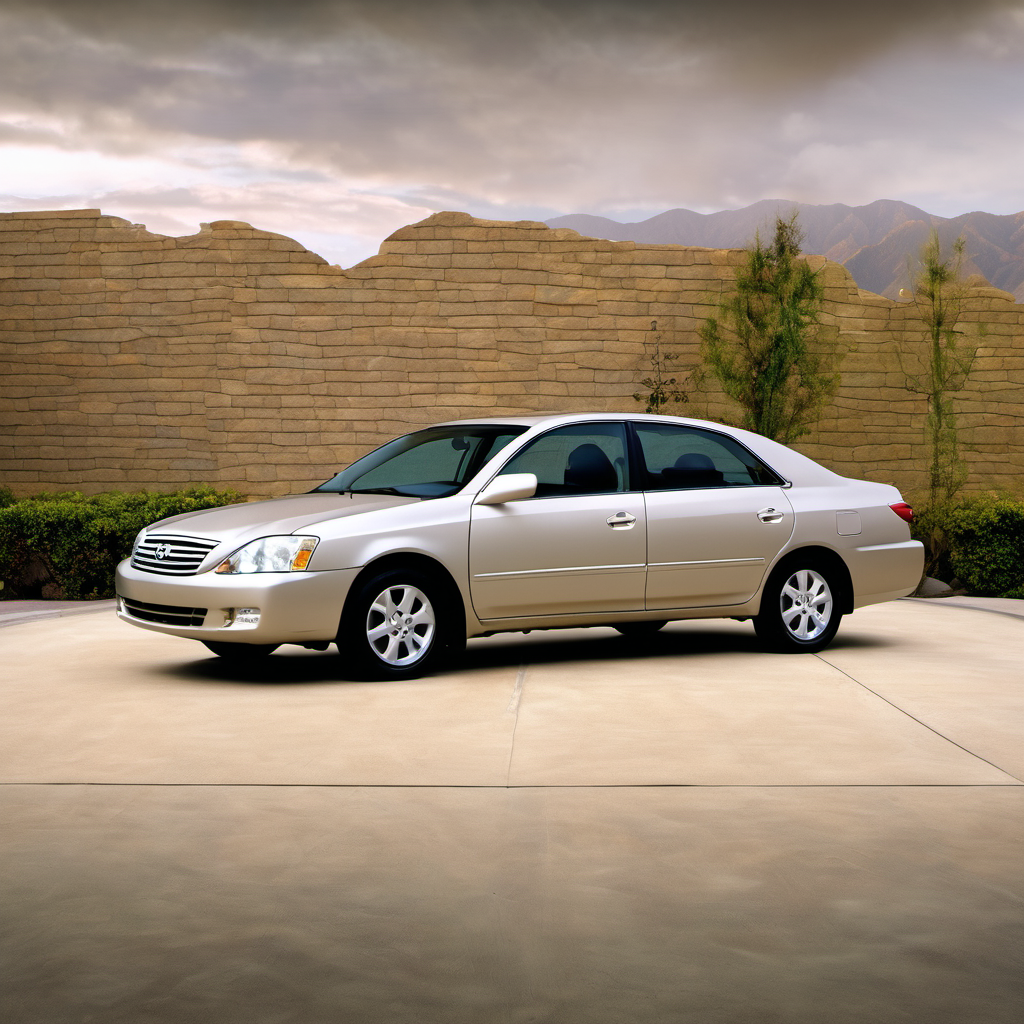
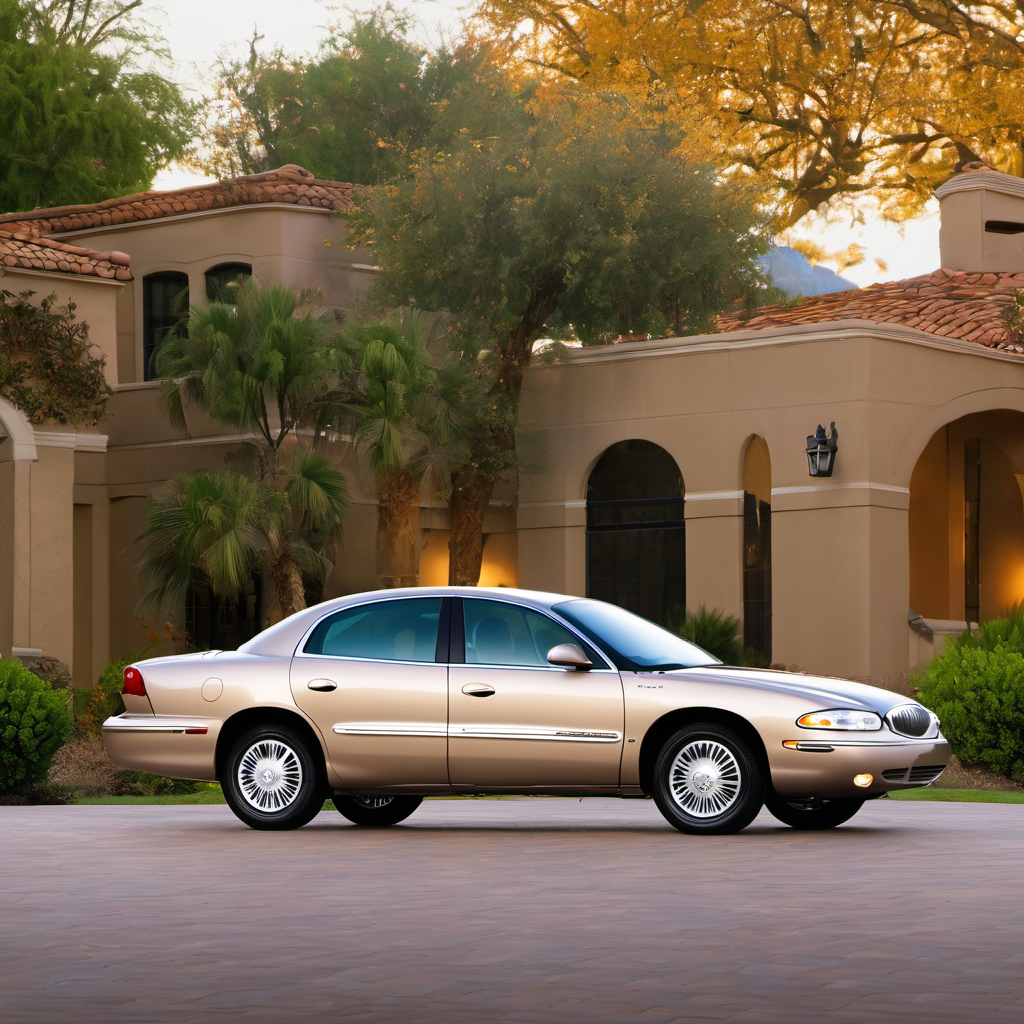
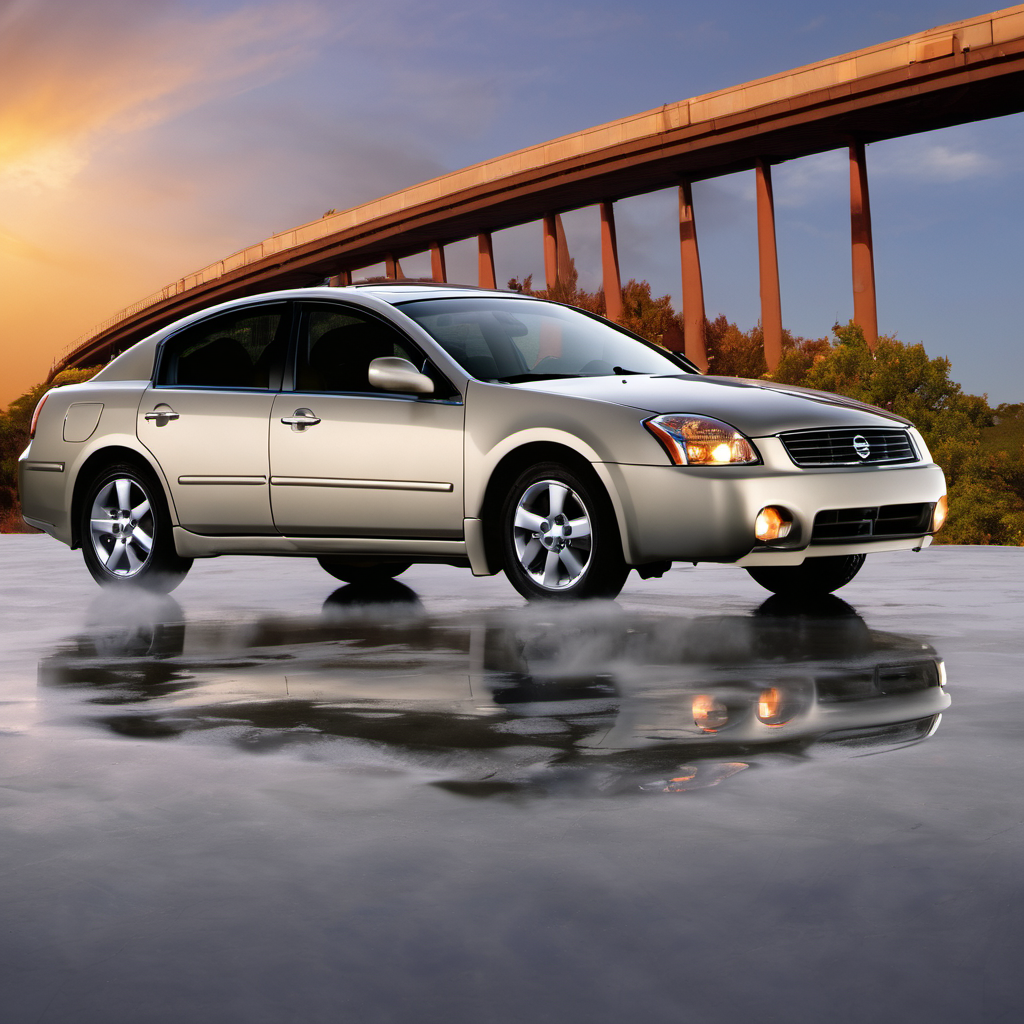
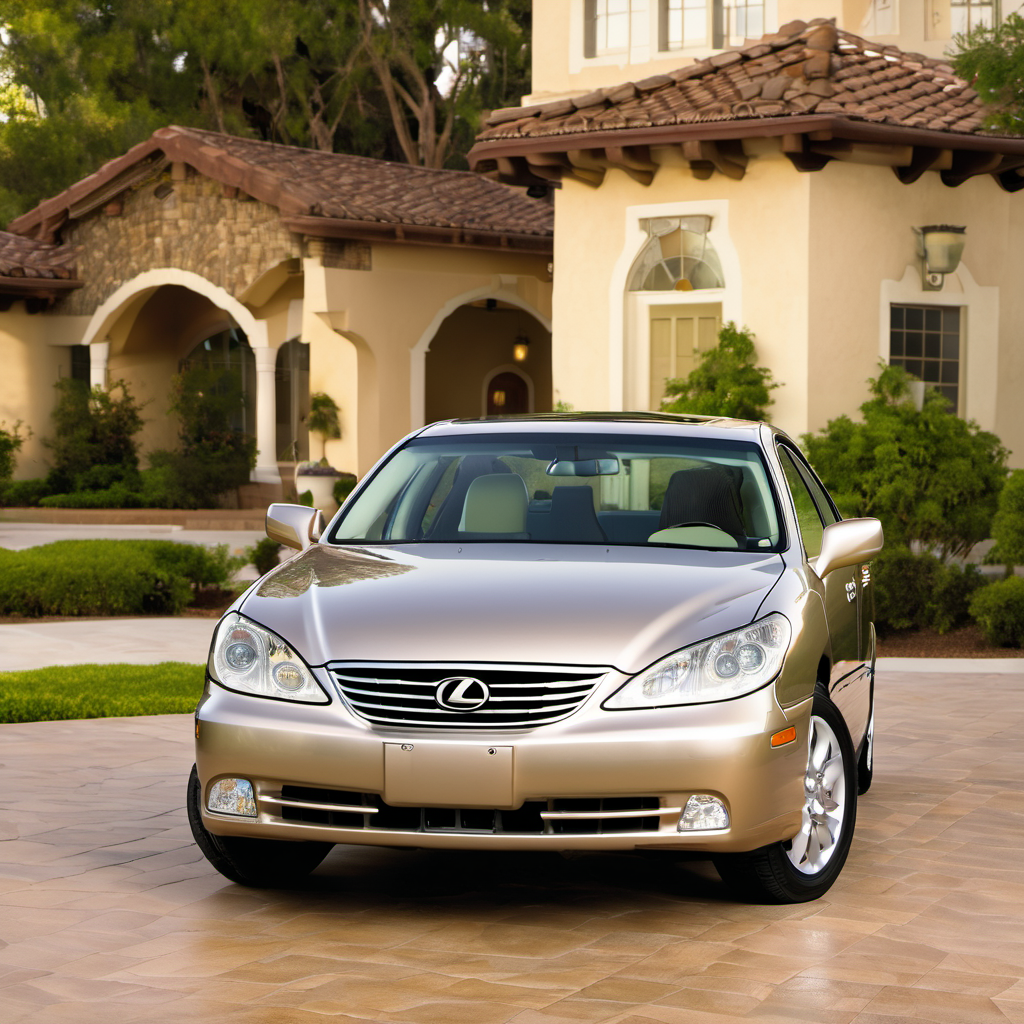
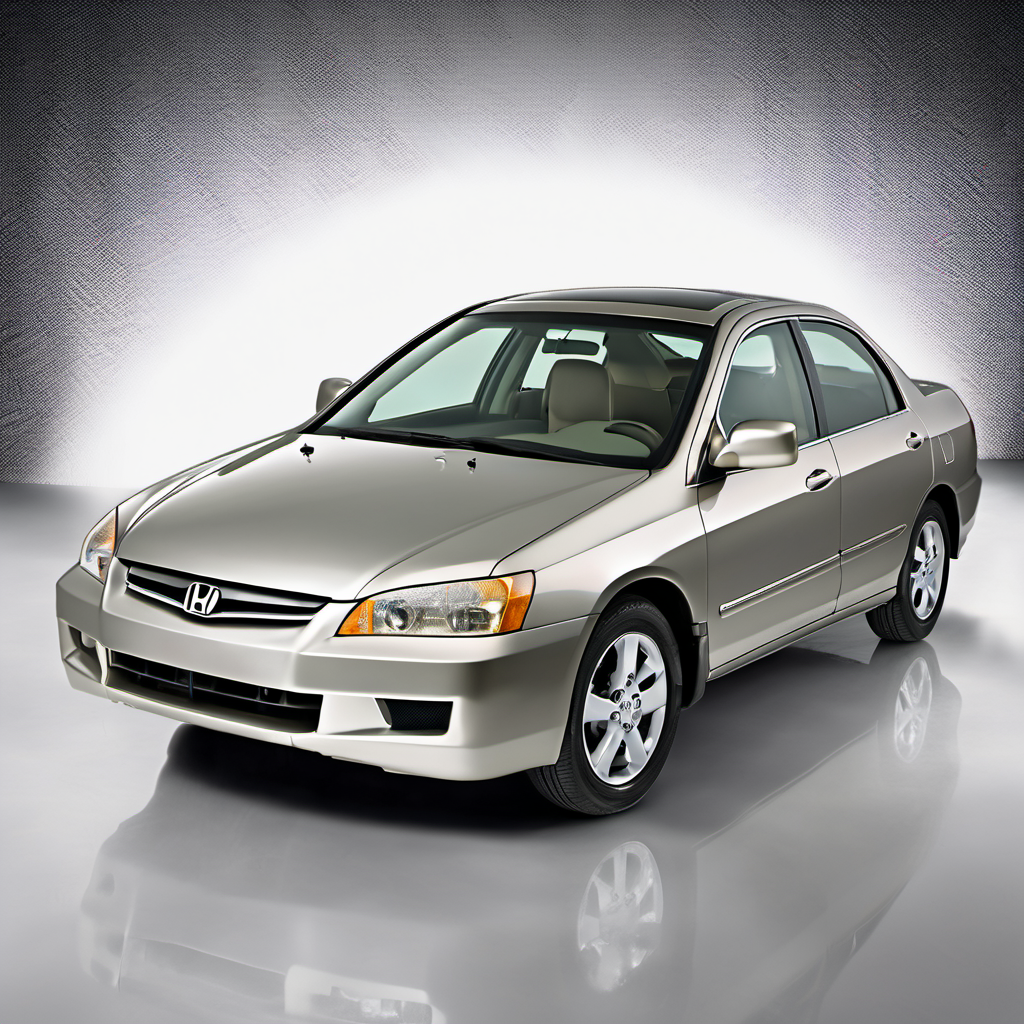
2004 Toyota Avalon Sedan

2004 Toyota

AvalonSedan

Sedan

The 2004 Toyota Avalon is the second-generation model (MCX20 platform), a full-size front-wheel-drive sedan built in Georgetown, Kentucky. It slots above the Camry as Toyota's flagship family sedan, offering a spacious interior — particularly in the rear seat — at a price well below European luxury competitors. Powered by Toyota's proven 3.0L 1MZ-FE V6 paired with a 4-speed automatic, it delivers smooth, unhurried performance with a focus on comfort and refinement. At 20 years old now, well-maintained examples are still running strong. The 1MZ-FE engine is bulletproof when oil changes are kept current, but it has known sludge vulnerability if intervals are neglected. The Avalon earned a reputation as the "old person's Lexus" — not a criticism, just an acknowledgment that Toyota built this car to last with minimal drama. For a Lake Geneva buyer, this is a sensible highway cruiser that handles Wisconsin winters adequately on good tires, though its low ground clearance means deep snow is not its friend. Rust inspection on the undercarriage and wheel wells is essential on any example from the upper Midwest.

Reliability
4/5
Verified data
Specs shown for Avalon — the most common configuration. Other trims may vary in engine, drivetrain, or fuel economy. Sign in to see your vehicle's exact specs.
Engine
[object Object]
Drivetrain
FWD
Fuel
Gasoline
MPG
19 city / 27 hwy / 22 combined
Seats
Doors
Body
Large Cars

Overview

AI-curated

The 2004 Toyota Avalon is the second-generation model (MCX20 platform), a full-size front-wheel-drive sedan built in Georgetown, Kentucky. It slots above the Camry as Toyota's flagship family sedan, offering a spacious interior — particularly in the rear seat — at a price well below European luxury competitors. Powered by Toyota's proven 3.0L 1MZ-FE V6 paired with a 4-speed automatic, it delivers smooth, unhurried performance with a focus on comfort and refinement. At 20 years old now, well-maintained examples are still running strong. The 1MZ-FE engine is bulletproof when oil changes are kept current, but it has known sludge vulnerability if intervals are neglected. The Avalon earned a reputation as the "old person's Lexus" — not a criticism, just an acknowledgment that Toyota built this car to last with minimal drama. For a Lake Geneva buyer, this is a sensible highway cruiser that handles Wisconsin winters adequately on good tires, though its low ground clearance means deep snow is not its friend. Rust inspection on the undercarriage and wheel wells is essential on any example from the upper Midwest.

Known for
  • Exceptionally roomy rear cabin for a sedan
  • Smooth, long-lived 1MZ-FE V6 engine
  • Quiet highway ride and refined cabin
  • Strong long-term reliability when properly maintained
  • High-value alternative to entry-level luxury sedans
Best for
  • Highway commuters and road-trippers
  • Buyers wanting near-luxury comfort without luxury repair bills
  • Families needing real rear-seat legroom
  • Owners who keep cars 10+ years
Watch for
  • Engine oil sludge if service history is unknown or spotty
  • Rust on subframe, exhaust, and wheel wells on upper-Midwest cars
  • Worn or leaking power steering rack on higher-mileage examples
  • Aging rubber seals causing minor water intrusion around windows

Common issues by mileage

6 known

Engine oil sludge (1MZ-FE)

medium
Typically appears
60–150k mi
Estimated repair
$1,500 – $6,000

Oxygen / A/F sensor failure

medium
Typically appears
80–130k mi
Estimated repair
$200 – $550

Power steering rack leak or noise

medium
Typically appears
100–180k mi
Estimated repair
$400 – $1,200

Strut and sway bar link wear

high
Typically appears
80–150k mi
Estimated repair
$300 – $900

Minor coolant seepage from water pump or hose fittings

medium
Typically appears
100–160k mi
Estimated repair
$250 – $700

Maintenance schedule

  1. 1
    Every 5,000 miles or 6 months — do not stretch Engine oil and filter change

    The 1MZ-FE is sludge-prone under extended intervals. Use full-synthetic 5W-30 and stay on schedule. This is the single most important thing you can do for this engine.

  2. 2
    Every 50,000 miles or 5 years Coolant flush

    Toyota's long-life coolant degrades and becomes acidic, accelerating water pump and radiator wear. Critical in Wisconsin's freeze-thaw climate.

  3. 3
    Every 60,000 miles Transmission fluid change

    Toyota's U140E 4-speed automatic is durable but benefits from fresh fluid. Many shops skip this on older cars; don't.

  4. 4
    Every 60,000 miles Spark plugs (iridium)

    The 1MZ-FE uses iridium plugs. Worn plugs increase misfire risk and can cause rough idle, especially in cold starts.

  5. 5
    Every 60,000 miles or at visible cracking Serpentine belt and tensioner inspection

    A snapped belt at highway speed leaves you stranded. Belt rubber degrades faster with Wisconsin's temperature extremes.

  6. 6
    Every 2–3 years Brake fluid flush

    Brake fluid absorbs moisture over time, lowering its boiling point and promoting internal corrosion on calipers and wheel cylinders.

  7. 7
    Every spring, after winter salt season Undercarriage wash and inspection

    Road salt attacks the exhaust, subframe, brake lines, and fuel lines. Catching surface rust early is far cheaper than replacing structural components.

  8. 8
    Every 60,000 miles or when timing codes appear VVT-i system service (oil control valve screen cleaning)

    The VVT-i oil control valve screen clogs with sludge deposits. A clogged screen causes camshaft timing codes and poor performance; cleaning or replacing the valve is inexpensive if caught early.

Always defer to the manufacturer's service manual for warranty-mandated intervals.

Cost of ownership

Annual maintenance
$400 – $900
Fuel
At 22 MPG combined and ~15,000 miles/year, expect roughly $2,000–$2,400/year at $2.90–$3.50/gal regular unleaded.
Insurance
Typically $900–$1,400/year for a 2004 Avalon in Wisconsin; varies by driver profile and coverage level.

The Avalon is one of the cheaper-to-own full-size sedans at this age. Routine service is affordable at an independent shop, parts are plentiful, and nothing exotic requires dealer-only tooling. The main financial risk is deferred maintenance — particularly skipped oil changes leading to sludge — which can turn a $3,000 car into a parts car overnight.
Seasonal care

Lake Geneva, WI
Winter
  • Switch to full-synthetic 5W-30 if not already — it flows far better in sub-zero cold starts, reducing wear on the sludge-prone 1MZ-FE.
  • Test the battery before November. A battery over 4–5 years old in Wisconsin winters is a tow-truck call waiting to happen.
  • Install a set of dedicated winter tires. The Avalon's FWD helps in light snow, but low ground clearance (5.5 in) means it can high-center in deeper accumulation.
  • Use a quality winter-rated washer fluid rated to at least -20°F. Lake Geneva roads are heavily salted and the fluid goes fast.
  • Inspect and replace wiper blades with winter beam-style blades before first snowfall.
  • After any significant snowfall or ice event, rinse the undercarriage — salt accelerates brake line and subframe corrosion on this age of vehicle.
Summer
  • Check tire pressure monthly — Wisconsin summer heat can cause pressure to climb 4–6 PSI above cold-fill spec, affecting handling and wear.
  • Inspect A/C system performance early in the season. The A/C condenser can accumulate road debris; a weak charge in July means a long wait at the shop.
  • Check coolant concentration (should protect to at least -34°F) and watch for any seepage at hose connections — heat cycles stress aging rubber.
  • Park in shade when possible. The Avalon's dashboard and interior plastics are 20 years old and UV exposure accelerates cracking.
  • Inspect the serpentine belt for cracking or glazing — summer heat accelerates rubber degradation.

Comparable vehicles

If you're shopping for one

Red flags
  • No service records or vague service history — sludge risk is too high to assume.
  • VVT-i rattle on cold start — can mean sludge damage already underway.
  • Any active camshaft timing DTC (P0012, P0015, P0022, P0025) without a clear, low-cost diagnosis.
  • Visible rust perforation on floor pan, subframe, or brake lines.
  • Coolant smell in the cabin or white residue around hose connections indicating a slow coolant leak.
  • Transmission that slips, hesitates, or bangs into gear — the U140E is normally very smooth.
What to inspect
  • Pull the oil cap and look for brown, mayonnaise-like sludge on the underside — a deal-breaker if present.
  • Request full service records, specifically looking for consistent oil change intervals under 5,000 miles.
  • Start the engine cold and listen for VVT-i rattle or ticking on startup, which indicates sludge in the timing system.
  • Inspect the undercarriage for rust on the subframe rails, brake lines, fuel lines, and exhaust — especially on any car that lived its life in Wisconsin or the upper Midwest.
  • Test the power steering for smooth operation and check for fluid leaks on the steering rack.
  • Check all four struts by pushing down hard on each corner — more than one bounce indicates worn struts.
  • Scan for any stored or pending DTCs before purchase, especially camshaft timing codes (P0012, P0015, P0022, P0025).
AI profile generated 12 days ago · claude-sonnet-4-6 · v2.