Spark plug ejection / broken plugs
high- Typically appears
- 80–150k mi
- Estimated repair
- $200 – $800

2004 Ford
Sedan
The 2004 Ford Crown Victoria is a full-size, body-on-frame rear-wheel-drive sedan built on Ford's Panther platform — the same architecture shared with the Mercury Grand Marquis and Lincoln Town Car. It was sold primarily to police fleets and taxi operators, which means most used examples have lived hard lives, but it also means the platform was engineered for extreme durability and ease of service. The 4.6L SOHC V8 is one of Ford's most proven engines, and the four-speed automatic transmission behind it is virtually bulletproof with proper fluid changes. For a civilian buyer, the Crown Vic offers something rare in its price bracket: a genuine full-size interior, a smooth ride on a long wheelbase, and a mechanically simple drivetrain that any shop can work on without specialty tooling. Parts are plentiful and cheap. The car is no longer in production (last model year was 2011), but the aftermarket support remains excellent. The trade-off is fuel economy — 15 city / 23 highway is firmly in truck territory for a sedan — and the fact that the majority of used Crown Vics have six-figure odometers from fleet service. Know what you're buying, inspect thoroughly, and this car can serve reliably for many years.
The 2004 Ford Crown Victoria is a full-size, body-on-frame rear-wheel-drive sedan built on Ford's Panther platform — the same architecture shared with the Mercury Grand Marquis and Lincoln Town Car. It was sold primarily to police fleets and taxi operators, which means most used examples have lived hard lives, but it also means the platform was engineered for extreme durability and ease of service. The 4.6L SOHC V8 is one of Ford's most proven engines, and the four-speed automatic transmission behind it is virtually bulletproof with proper fluid changes. For a civilian buyer, the Crown Vic offers something rare in its price bracket: a genuine full-size interior, a smooth ride on a long wheelbase, and a mechanically simple drivetrain that any shop can work on without specialty tooling. Parts are plentiful and cheap. The car is no longer in production (last model year was 2011), but the aftermarket support remains excellent. The trade-off is fuel economy — 15 city / 23 highway is firmly in truck territory for a sedan — and the fact that the majority of used Crown Vics have six-figure odometers from fleet service. Know what you're buying, inspect thoroughly, and this car can serve reliably for many years.
The 4.6L SOHC has aluminum heads. Plugs left in too long seize and can snap off during removal, turning a $150 job into a $500–800 head-repair job. Use motorcraft-spec plugs and anti-seize on the threads.
Ford's factory 'lifetime' fluid spec doesn't account for hard use. Fresh fluid and a filter change is cheap insurance for a transmission that's otherwise nearly indestructible.
The 4.6L runs hot when the cooling system is neglected. The thermostat and upper hose are common failure points; catching them early prevents overheating damage to the heads.
Police and taxi duty destroys ball joints, tie rod ends, and control arm bushings early. Even civilian cars wear these parts by 80–100k mi. Worn suspension also accelerates tire wear.
Air springs dry-rot and fail, especially after Wisconsin winters. Running on a failed compressor burns the motor out. Convert to passive coil springs if budget is a concern.
Moisture absorption in brake fluid lowers boiling point — a real concern on a heavy RWD sedan. Fleet cars often have neglected brake fluid.
The front subframe mounts and rocker panels are known rust targets on Panther-platform cars in salt states. Catching surface rust early with treatment is far cheaper than structural repair.
A clogged PCV valve causes oil sludge and pressure buildup on the 4.6L. Easy and cheap to do; neglecting it leads to oil leaks and potential gasket failures.
Always defer to the manufacturer's service manual for warranty-mandated intervals.
The Crown Victoria is one of the cheapest large cars to maintain if you stay on top of scheduled service. Parts are inexpensive and widely available. The main cost is fuel — this is a thirsty V8. Budget an extra $500–$1,500 up front on a used purchase for deferred maintenance catch-up (plugs, fluid services, suspension inspection), especially on any car with unknown or fleet history.
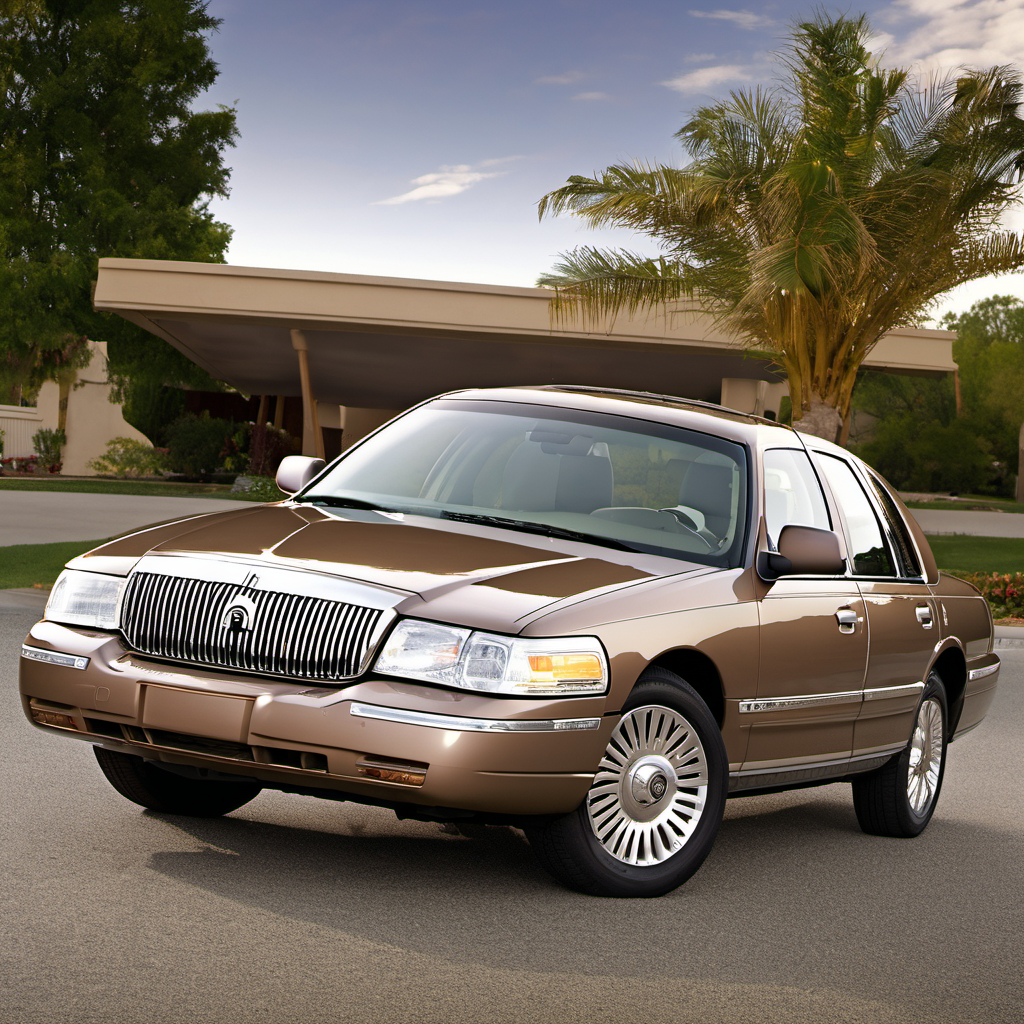
Identical Panther platform, same 4.6L V8, nearly the same car with slightly softer suspension tuning and more civilian-focused trim. Often priced similarly and shares 100% of mechanical parts.
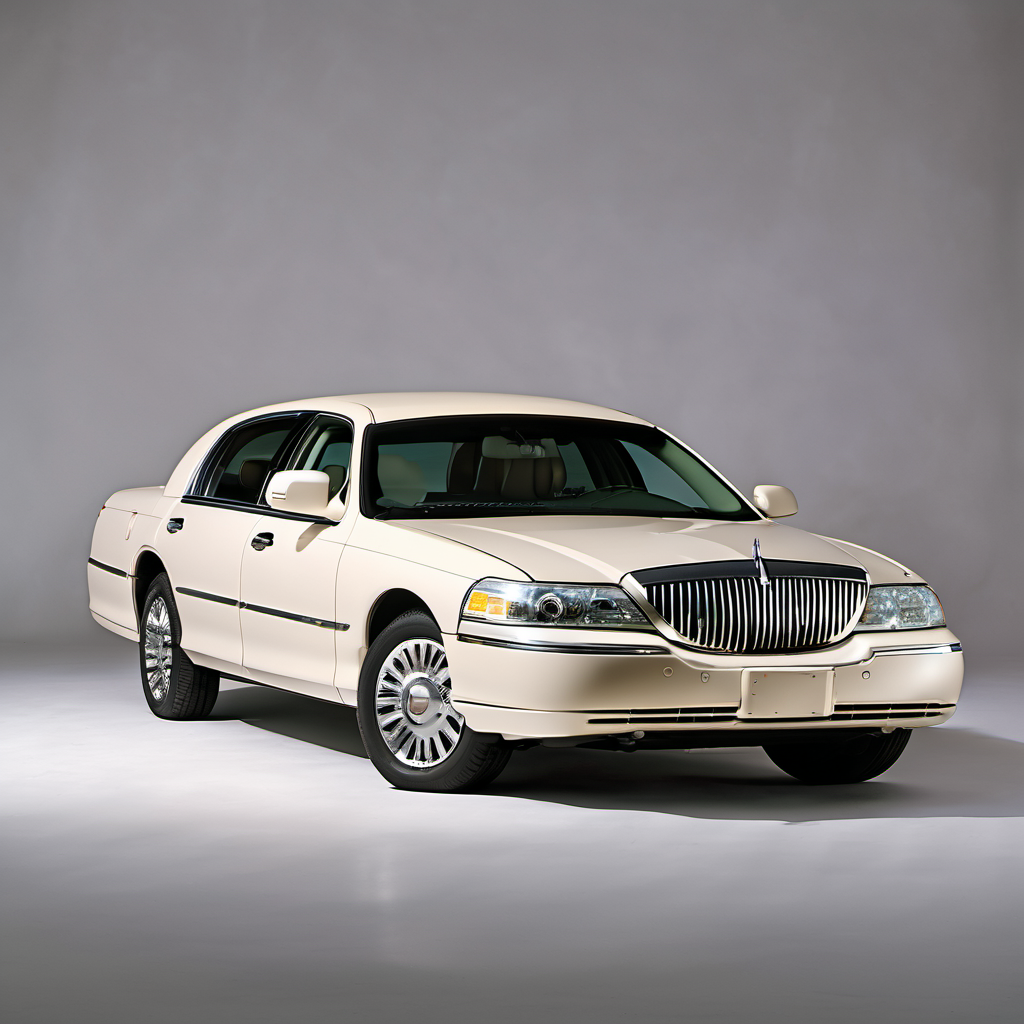
Same Panther platform, same engine family, but longer wheelbase and more luxury trim. Slightly more expensive to buy used but equally robust mechanically — a step up in interior quality for a similar price.
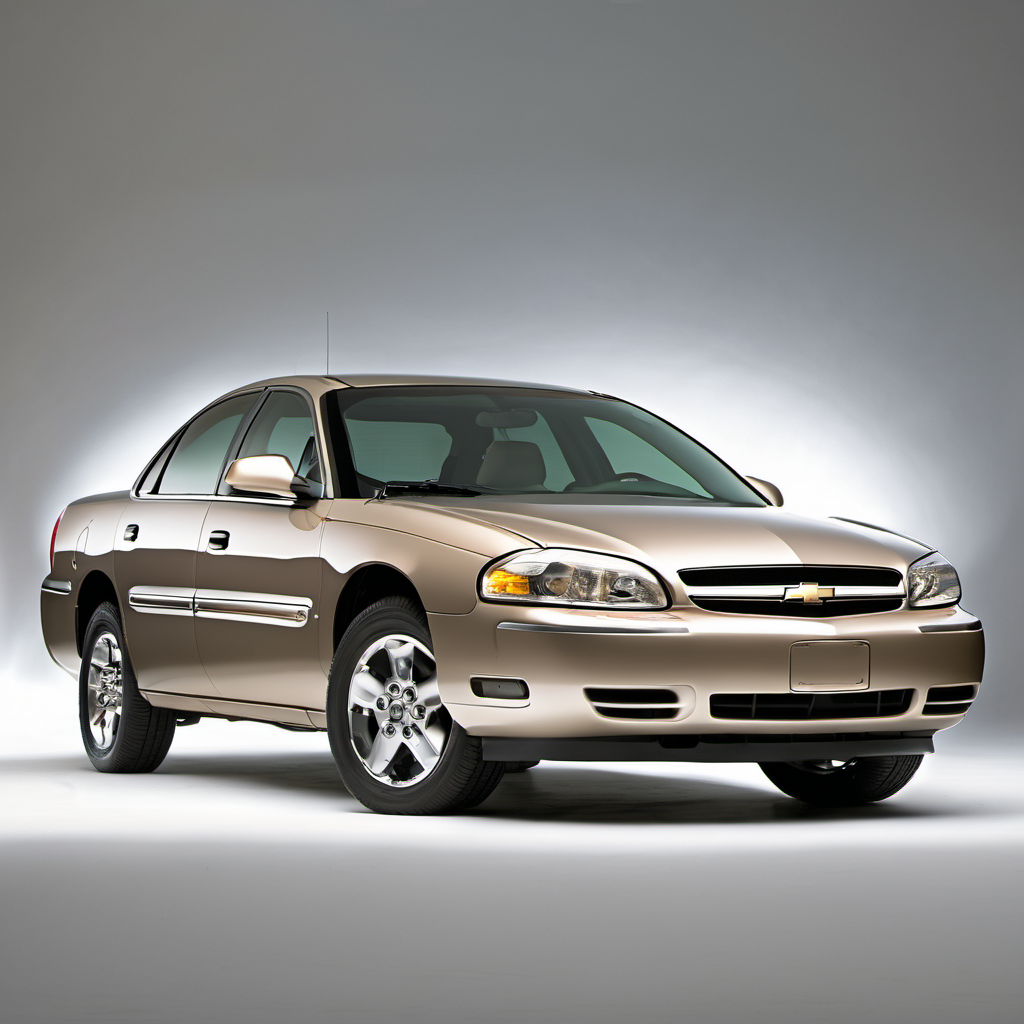
Full-size domestic sedan alternative with a proven V6, FWD layout, and similarly low running costs. Better fuel economy but a very different driving character and less interior room than the Crown Vic.
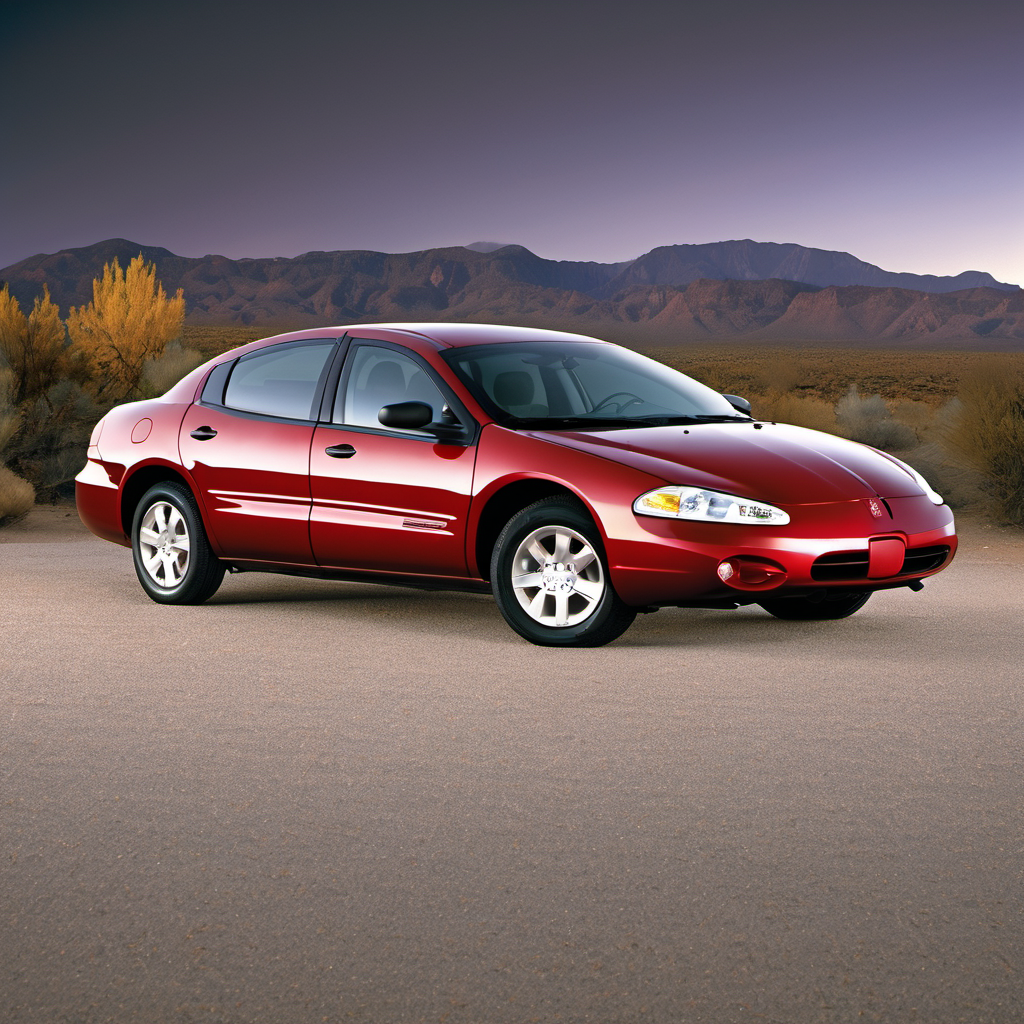
Large RWD-feel sedan at a similar price point with a smooth V6. Less proven long-term than the Crown Vic's drivetrain, but offers a similar full-size, highway-comfortable profile.