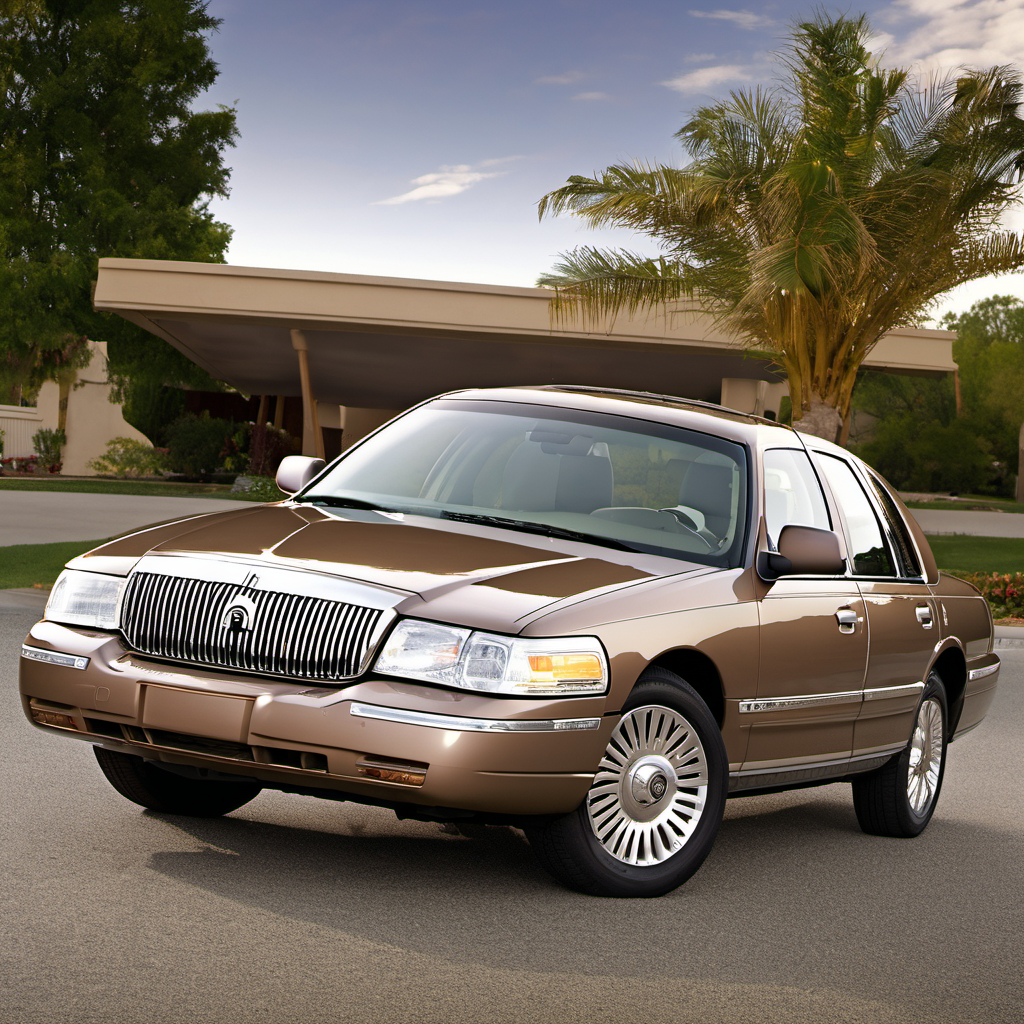
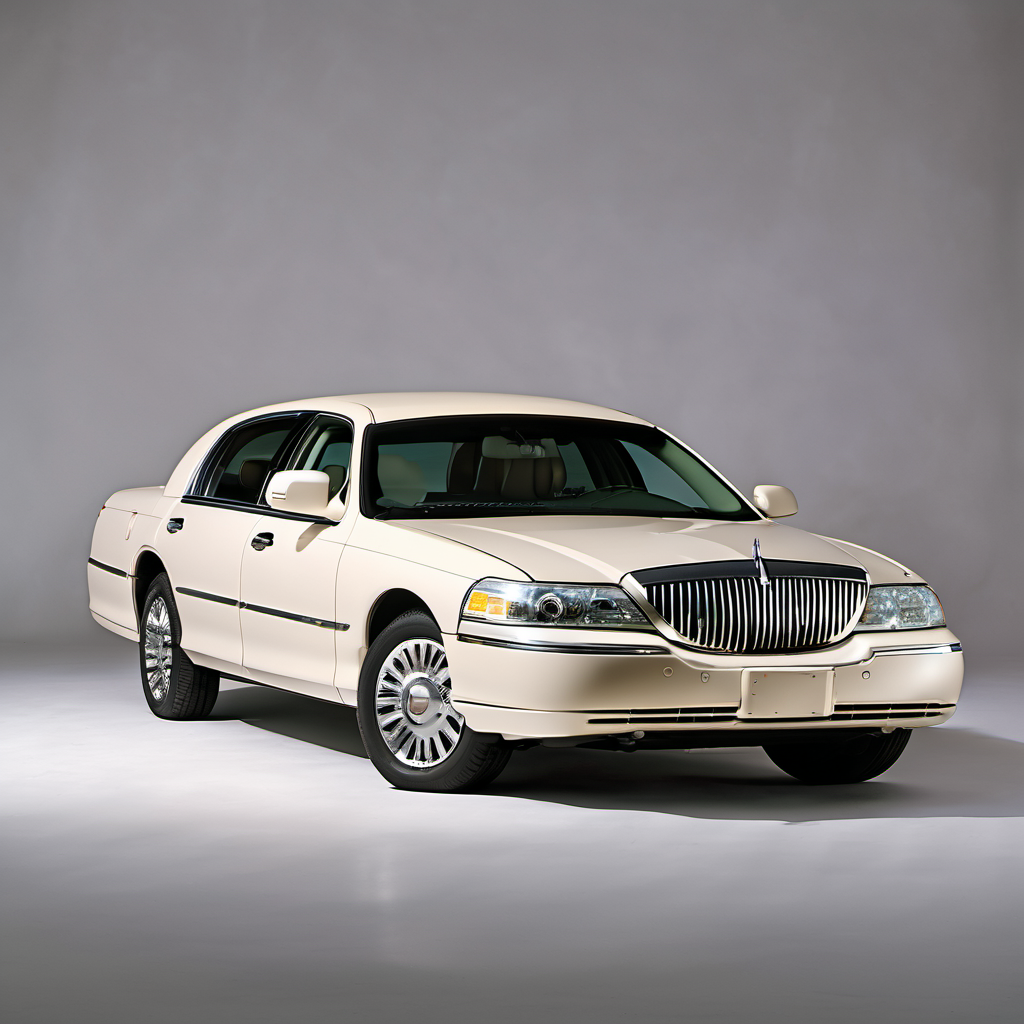
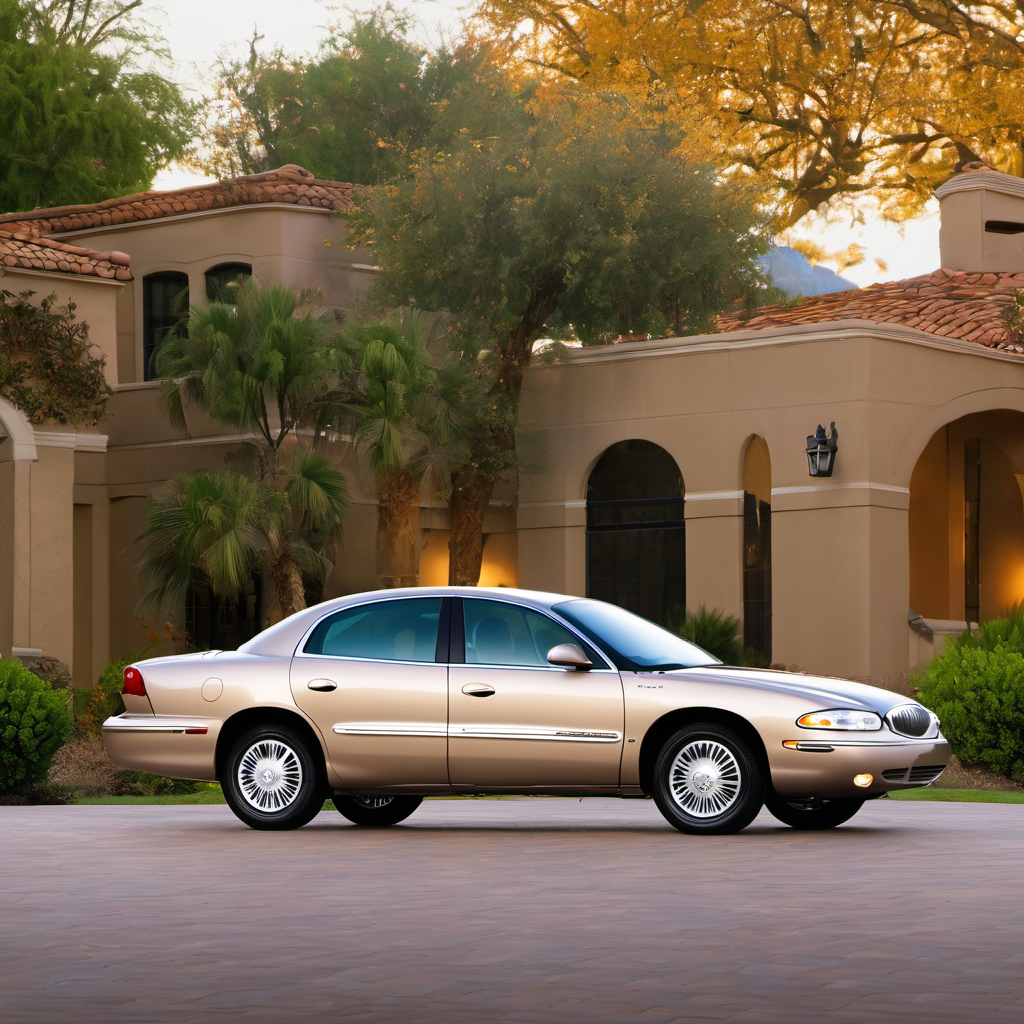
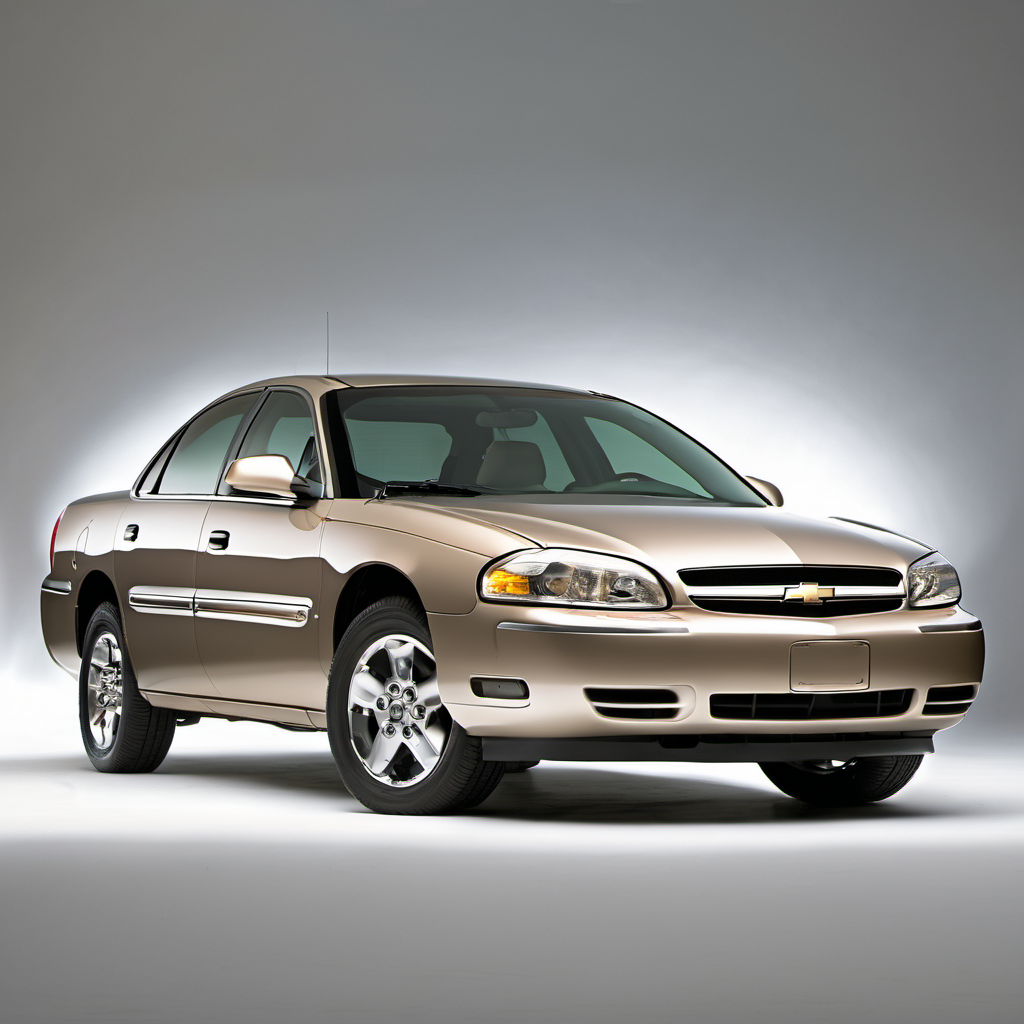
2004 Mercury Grand Marquis Sedan

2004 Mercury

Grand MarquisSedan

Sedan

The 2004 Mercury Grand Marquis is a full-size, body-on-frame rear-wheel-drive sedan built on Ford's venerable Panther platform — the same bones shared with the Ford Crown Victoria and Lincoln Town Car. By 2004 this platform had been refined for decades, and it shows: the Grand Marquis is straightforward to diagnose, cheap to fix, and extraordinarily tough when maintained. It was aimed squarely at comfort-focused buyers who wanted a big, quiet, American sedan with a proven V8. Under the hood sits Ford's 4.6L SOHC Modular V8, mated to a 4-speed automatic. The ride is soft and highway-mile friendly, trunk space is enormous, and parts availability remains excellent even two decades on. These traits made it a favorite of retirees, livery operators, and anyone logging serious highway miles. The Grand Marquis is not sporty, fuel-efficient, or technologically exciting. What it is, is honest. With routine maintenance it routinely crosses 200,000 miles. Just watch for rust on Midwest examples and don't ignore the rear air suspension if so equipped.

Reliability
4/5
Verified data
Specs shown for Grand Marquis — the most common configuration. Other trims may vary in engine, drivetrain, or fuel economy. Sign in to see your vehicle's exact specs.
Engine
[object Object]
Drivetrain
RWD
Fuel
Gasoline
MPG
15 city / 23 hwy / 18 combined
Seats
Doors
Body
Large Cars

Overview

AI-curated

The 2004 Mercury Grand Marquis is a full-size, body-on-frame rear-wheel-drive sedan built on Ford's venerable Panther platform — the same bones shared with the Ford Crown Victoria and Lincoln Town Car. By 2004 this platform had been refined for decades, and it shows: the Grand Marquis is straightforward to diagnose, cheap to fix, and extraordinarily tough when maintained. It was aimed squarely at comfort-focused buyers who wanted a big, quiet, American sedan with a proven V8. Under the hood sits Ford's 4.6L SOHC Modular V8, mated to a 4-speed automatic. The ride is soft and highway-mile friendly, trunk space is enormous, and parts availability remains excellent even two decades on. These traits made it a favorite of retirees, livery operators, and anyone logging serious highway miles. The Grand Marquis is not sporty, fuel-efficient, or technologically exciting. What it is, is honest. With routine maintenance it routinely crosses 200,000 miles. Just watch for rust on Midwest examples and don't ignore the rear air suspension if so equipped.

Known for
  • Extremely durable 4.6L Modular V8
  • Massive trunk and comfortable highway ride
  • Simple, mechanic-friendly Panther platform
  • Strong parts availability and low repair costs
  • Proven 4-speed automatic transmission
Best for
  • High-mileage highway commuters
  • Buyers who want a V8 sedan on a tight maintenance budget
  • Older drivers prioritizing comfort and ease of entry/exit
  • Anyone who wants a simple, fixable car
Watch for
  • Rust on frame, floor pans, and trunk floor on Midwest/salt-belt cars
  • Rear air suspension failure (if equipped with air ride)
  • Neglected coolant leading to intake manifold or coolant crossover issues
  • High mileage with no service records — these often get neglected late in life
  • Worn front-end suspension bushings and ball joints at higher mileage

Common issues by mileage

6 known

Coolant Crossover / Plastic Intake Manifold Crossover Leaks

high
Typically appears
80–140k mi
Estimated repair
$250 – $600

Front Suspension Wear — Ball Joints, Control Arm Bushings

high
Typically appears
100–180k mi
Estimated repair
$350 – $900

Timing Chain Tensioner / Chain Stretch (from neglected oil changes)

medium
Typically appears
120–200k mi
Estimated repair
$600 – $1,400

Oxygen Sensor / Heater Circuit Failures

medium
Typically appears
80–160k mi
Estimated repair
$150 – $400

Rust — Floor Pans, Trunk Floor, Frame Rails

high
Typically appears
Any mileage on salt-belt cars
Estimated repair
$500 – $3,000

Maintenance schedule

  1. 1
    Every 5,000 miles or 6 months Engine oil and filter change

    The 4.6L Modular V8's timing chain tensioners are oil-pressure fed. Neglected oil changes are the single biggest cause of early timing chain wear on this engine.

  2. 2
    Every 50,000 miles or 5 years Coolant flush and refill with Ford-spec orange coolant

    Degraded coolant accelerates corrosion in the plastic coolant crossover and aluminum heads, leading to expensive leaks. Do not mix green and orange coolant.

  3. 3
    Every 40,000–50,000 miles Transmission fluid change

    The 4R70W automatic is tough but responds well to fresh fluid. Burnt fluid shortens clutch pack life significantly.

  4. 4
    Every 30,000 miles or 2 years Inspect and lubricate front suspension — ball joints, tie rod ends, sway bar links

    The Panther platform uses greaseable ball joints. Keeping them lubricated dramatically extends their life and prevents expensive failures.

  5. 5
    Every 2 years Brake fluid flush

    Moisture absorption in brake fluid lowers its boiling point and promotes internal corrosion in calipers and wheel cylinders — especially important in Wisconsin's salt environment.

  6. 6
    Every 30,000 miles or 3 years Inspect rear air suspension air bags and compressor (if equipped)

    Air bags crack with age and Wisconsin freeze-thaw cycles. A failed compressor running constantly will burn out quickly. Early inspection prevents a roadside sag.

  7. 7
    Every 60,000 miles Spark plugs replacement

    The 4.6L uses standard coil-on-plug ignition. Fresh plugs maintain fuel economy and reduce misfires. Neglected plugs can seize in the aluminum head on high-mileage examples.

  8. 8
    Every year (pre-winter or post-winter) Inspect trunk floor and frame rails for rust

    Lake Geneva road salt is brutal. Catching surface rust early with a wire brush and rust converter is a $30 job; structural frame rot is a total-loss situation.

Always defer to the manufacturer's service manual for warranty-mandated intervals.

Cost of ownership

Annual maintenance
$500 – $1,200
Fuel
At 18 MPG combined and ~12,000 miles/year, expect roughly $1,400–$1,700/year in fuel at current Midwest gas prices. Mostly highway driving will push you toward the lower end.
Insurance
Typically low — full-size sedans of this era carry modest premiums due to low theft desirability and widely available parts. Expect $700–$1,100/year for full coverage depending on driver profile.

The Grand Marquis is one of the cheapest full-size V8 sedans to own and maintain. Parts are plentiful, labor hours are low (nothing is hard to reach), and independent shops know this platform well. The main budget risk is deferred maintenance catching up — especially rust repair and air suspension on high-mileage examples. Budget a little extra in the first year if service history is unknown.

Seasonal care

Lake Geneva, WI
Winter
  • Switch to 5W-20 full synthetic if not already in use — it flows immediately in sub-zero starts, protecting the timing chain tensioners during cold cranks.
  • Test the battery before November. The 4.6L V8 draws serious cold-cranking amps; a marginal battery that starts fine in September will strand you in January.
  • Flush washer fluid reservoir and top off with a -30°F or colder rated fluid. The Grand Marquis has a large windshield with significant spray exposure at highway speeds.
  • Install winter wiper blades — the standard blades ice up and streak badly on Wisconsin highways.
  • Inspect and treat all exposed frame rails, floor pan edges, and trunk floor with rust inhibitor before first heavy salt application.
  • If equipped with rear air suspension, confirm the system holds pressure overnight in cold temps — cold causes bags to contract and compressors to work harder.
Summer
  • Check A/C refrigerant charge and inspect the condenser for bug/debris buildup — the large front opening traps debris that restricts airflow and kills A/C efficiency on hot days.
  • Monitor tire pressure weekly in July and August; the Grand Marquis runs large tires and pressure rises quickly with heat, affecting handling and wear.
  • Inspect the coolant level and condition before summer heat — a slightly low or degraded coolant system that hid all winter will overheat in stop-and-go traffic.
  • Check the transmission fluid color and smell after winter; salt-belt driving and stop-and-go heat stress accelerate fluid breakdown in the 4R70W.

Comparable vehicles

If you're shopping for one

Red flags
  • Any visible rust perforation on the frame, floor, or trunk — walk away. Structural rust is not economically repairable on a car this value.
  • No service records and over 120,000 miles — high risk of deferred timing chain, transmission, and coolant service.
  • Sagging rear end that doesn't self-level — indicates a failed air suspension system needing immediate repair or conversion.
  • Milky or foamy oil on the dipstick — potential head gasket or coolant crossover failure.
  • Timing chain rattle on a cold start (metallic ticking that goes away after a minute) — expensive repair ahead.
  • Smoke from the exhaust at idle — worn valve stem seals or rings are common on high-mileage, oil-neglected examples.
What to inspect
  • Crawl under the car and inspect frame rails, floor pan edges, and trunk floor for rust perforation — this is the #1 killer of Midwest Grand Marquis examples.
  • Check the trunk floor from inside the trunk for rust bubbling under the mat.
  • With the engine warm, listen at idle for any timing chain rattle on startup — a sign of worn tensioners from oil neglect.
  • Test the rear suspension: push down hard on each corner. If equipped with air ride, it should self-level. A sagging rear or loud compressor is a red flag.
  • Look for coolant residue or dried deposits around the intake crossover area at the back of the engine valley.
  • Check all four corners of the windshield and rear window for seal separation or water intrusion staining.
  • Test the A/C on the hottest setting and confirm it blows cold — compressors and condensers on 20-year-old examples are due.
AI profile generated 11 days ago · claude-sonnet-4-6 · v2.