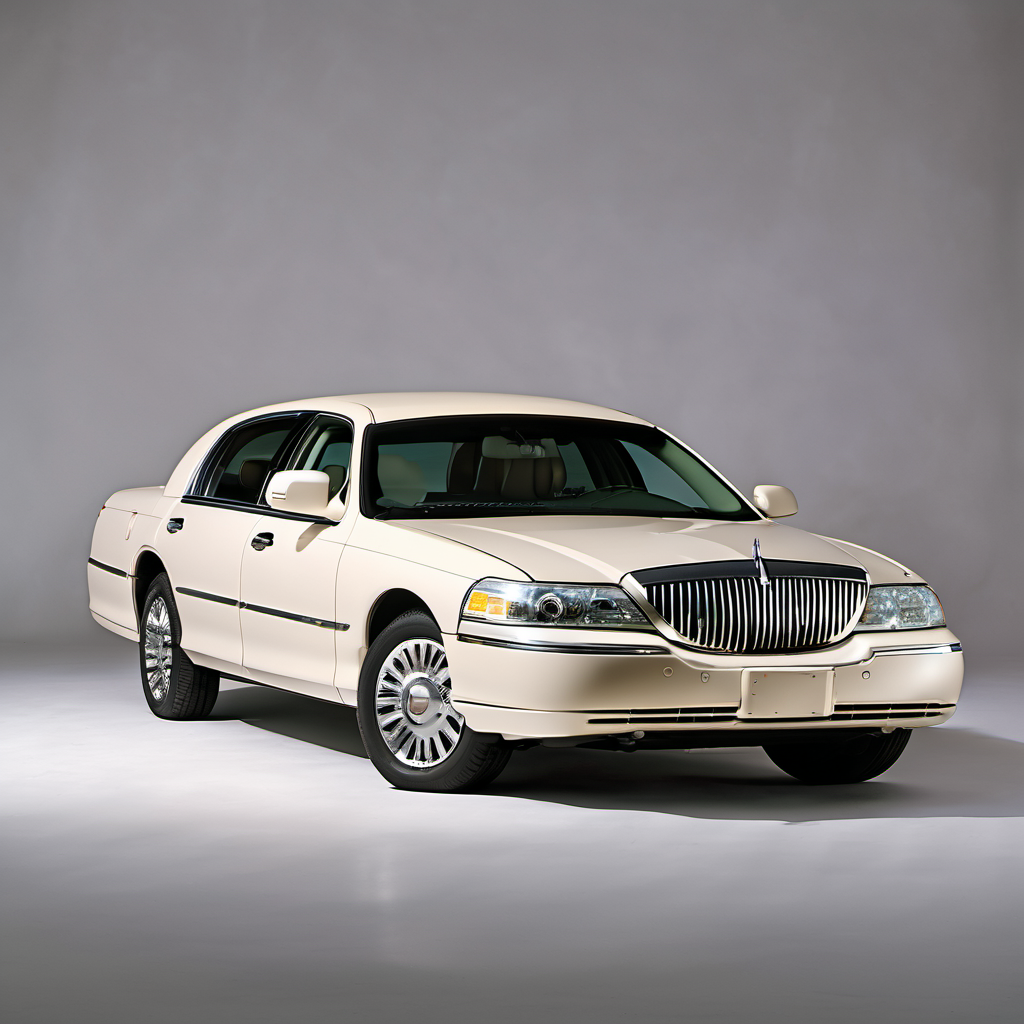
2004 Lincoln Town Car Sedan

2004 Lincoln

Town CarSedan

Sedan

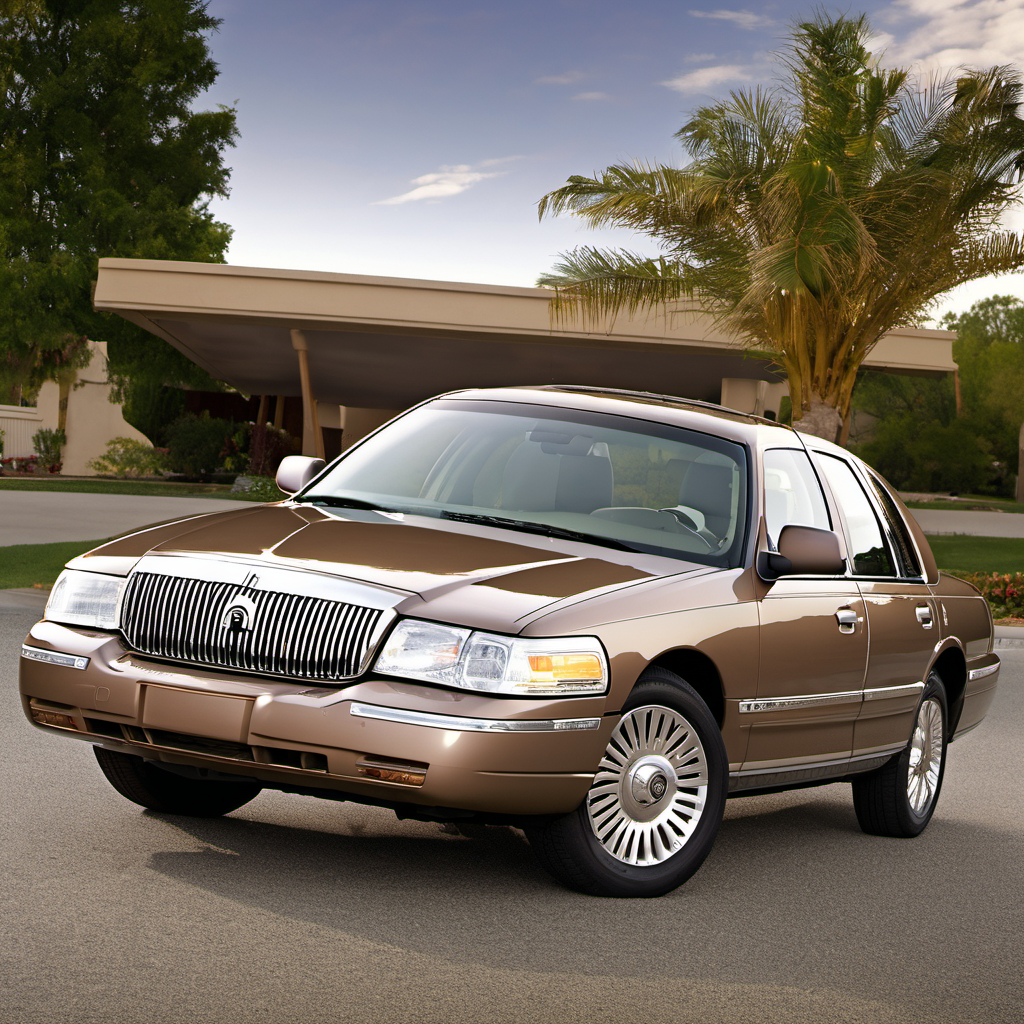
The 2004 Lincoln Town Car is a full-size, body-on-frame rear-wheel-drive luxury sedan — one of the last of a dying breed in the American market. Built on Ford's Panther platform alongside the Crown Victoria and Mercury Grand Marquis, it delivers a smooth, floaty ride that made it a staple of livery fleets, airport car services, and retirees who just want a big, quiet, comfortable car. The 4.6L V8 is proven, torquey, and will run deep into six-figure mileage when serviced regularly. The Town Car's cabin is spacious and particularly generous in the rear — legroom rivals a limousine. Build quality is solid for its era, though some interior electronics and air suspension components are age-sensitive. At 20 years old, most examples have been worked hard in fleet service or garage-kept by private owners; knowing which is key before buying. This is a practical classic more than a luxury statement. Parts are cheap, independent shops can fix everything on it, and the drivetrain is nearly bulletproof. If you can live with 15 MPG city and a footprint that fills a full parking stall, it rewards you with comfort and reliability that newer luxury cars at this price point rarely match.

Reliability
4/5
Verified data
Specs shown for Town Car — the most common configuration. Other trims may vary in engine, drivetrain, or fuel economy. Sign in to see your vehicle's exact specs.
Engine
[object Object]
Drivetrain
RWD
Fuel
Gasoline
MPG
15 city / 23 hwy / 18 combined
Seats
Doors
Body
Large Cars

Overview

AI-curated

The 2004 Lincoln Town Car is a full-size, body-on-frame rear-wheel-drive luxury sedan — one of the last of a dying breed in the American market. Built on Ford's Panther platform alongside the Crown Victoria and Mercury Grand Marquis, it delivers a smooth, floaty ride that made it a staple of livery fleets, airport car services, and retirees who just want a big, quiet, comfortable car. The 4.6L V8 is proven, torquey, and will run deep into six-figure mileage when serviced regularly. The Town Car's cabin is spacious and particularly generous in the rear — legroom rivals a limousine. Build quality is solid for its era, though some interior electronics and air suspension components are age-sensitive. At 20 years old, most examples have been worked hard in fleet service or garage-kept by private owners; knowing which is key before buying. This is a practical classic more than a luxury statement. Parts are cheap, independent shops can fix everything on it, and the drivetrain is nearly bulletproof. If you can live with 15 MPG city and a footprint that fills a full parking stall, it rewards you with comfort and reliability that newer luxury cars at this price point rarely match.

Known for
  • Exceptionally smooth, isolated ride quality
  • Proven 4.6L Modular V8 longevity
  • Enormous rear-seat legroom
  • Low parts cost and wide independent-shop serviceability
  • Livery and long-distance highway comfort
Best for
  • Long highway commuters and road trippers
  • Buyers who want maximum rear-seat comfort
  • Owners who prefer straightforward, well-understood mechanicals
  • Those on a budget who still want a quiet, plush ride
Watch for
  • Air suspension failure — common and expensive if neglected
  • High-mileage fleet examples with deferred maintenance
  • Rear air springs that have cracked or collapsed from age
  • Coolant leaks at intake manifold and water pump on high-mileage engines
  • Worn steering rack and front suspension bushings on 150k+ mi examples

Common issues by mileage

6 known

Intake Manifold & Coolant System Leaks

medium
Typically appears
100–180k mi
Estimated repair
$300 – $700

Oxygen Sensor / Heater Circuit Failure

medium
Typically appears
80–150k mi
Estimated repair
$150 – $350

Steering Rack Wear and Front Suspension Bushing Deterioration

medium
Typically appears
120–200k mi
Estimated repair
$500 – $1,400

Power Window Regulator and Trunk / Door Lock Actuator Failure

high
Typically appears
80–180k mi
Estimated repair
$120 – $350

Maintenance schedule

  1. 1
    Every 5,000 miles or 6 months Engine oil and filter change

    The 4.6L V8 is oil-sensitive at high mileage. Conventional oil is fine if changed on schedule; extended-drain intervals on a 20-year-old engine invite sludge and accelerated wear.

  2. 2
    Every 30,000 miles or annually Inspect and test rear air suspension springs and compressor

    Air springs age and crack regardless of mileage. Catching a slow leak early prevents the compressor from burning itself out trying to maintain ride height — compressor replacement adds significant cost.

  3. 3
    Every 60,000 miles or 5 years Coolant flush and hose inspection

    On a 20-year-old vehicle, original or aged hoses become brittle in Wisconsin winters. A coolant failure in sub-zero temps is a breakdown scenario; preventive replacement is cheap insurance.

  4. 4
    Every 45,000–60,000 miles Transmission fluid and filter service

    The 4R70W is robust but responds well to clean fluid. Many used examples have skipped this service; fresh fluid and a new filter extends transmission life significantly.

  5. 5
    Every 60,000 miles Spark plugs replacement

    Two-piece spark plugs in the 4.6L can seize if left too long, especially on high-mileage engines. Replacing on schedule prevents a minor service from becoming a costly broken-plug extraction job.

  6. 6
    Every 30,000 miles or annually Inspect front suspension bushings, ball joints, and tie rod ends

    The Panther platform's suspension is robust but rubber components wear with age and salt exposure. A worn front end causes tire wear and vague steering that's easy to miss on a car this smooth.

  7. 7
    Every fall, before Wisconsin winter Battery load test

    The 4.6L V8 in a 4,300-lb car demands a strong battery for cold cranking. A battery over 4 years old that hasn't been load-tested is a liability at -10°F.

  8. 8
    Every 3 years Brake fluid flush

    Brake fluid absorbs moisture over time and lowers the boiling point. On a nearly 4,400-lb car, effective braking is non-negotiable — especially in wet Wisconsin winters.

Always defer to the manufacturer's service manual for warranty-mandated intervals.

Cost of ownership

Annual maintenance
$600 – $1,600
Fuel
At 18 MPG combined and typical Wisconsin driving, expect roughly $2,000–$2,600/year at current mid-grade fuel prices. Highway-heavy drivers will do better; city-only drivers will do worse.
Insurance
Generally low — this vehicle is cheap to insure due to its age, low theft appeal, and slow depreciation curve. Expect $800–$1,400/year for full coverage depending on driver profile.

A well-maintained Town Car is one of the cheapest large luxury cars to own. Parts are plentiful, labor is straightforward, and independent shops can handle everything. The two budget risks are air suspension (can run $400–$900 when it fails) and deferred maintenance catch-up on a neglected example. Budget $800–$1,200 in the first year if buying used and bringing it up to date on fluids and wear items.

Seasonal care

Lake Geneva, WI
Winter
  • Load-test the battery every October — the large V8 needs strong cold-cranking amps at Wisconsin temps that can hit -20°F
  • Flush and refill washer fluid with a -20°F or lower rated formula before first freeze; the reservoir is large and refills fast in slushy conditions
  • Inspect the undercarriage annually for road salt damage — the Panther frame and rear suspension geometry arms are corrosion-prone after Wisconsin winters
  • Switch to winter wiper blades; the long hood and large windshield accumulate ice and the standard summer blades streak and skip
  • Check tire pressure monthly — every 10°F drop in temperature costs roughly 1 PSI, and this car's weight demands proper inflation for safe handling
  • Verify the rear air suspension is holding ride height before winter — a failing air spring that sags in cold temps can leave the rear dragging and handling dangerously
Summer
  • Inspect and recharge the A/C system if cooling is weak — the cabin is large and a marginal system won't keep up in July humidity
  • Check coolant level and concentration; the 4.6L runs warm in stop-and-go summer heat, and a low or degraded coolant mix risks overheating
  • Monitor tire pressure — summer heat increases pressure 4–6 PSI over cold readings, and overinflated tires on a nearly 4,400-lb car accelerate center-tread wear
  • Inspect the serpentine belt and tensioner before peak summer heat; belt failures strand you and can damage other accessories

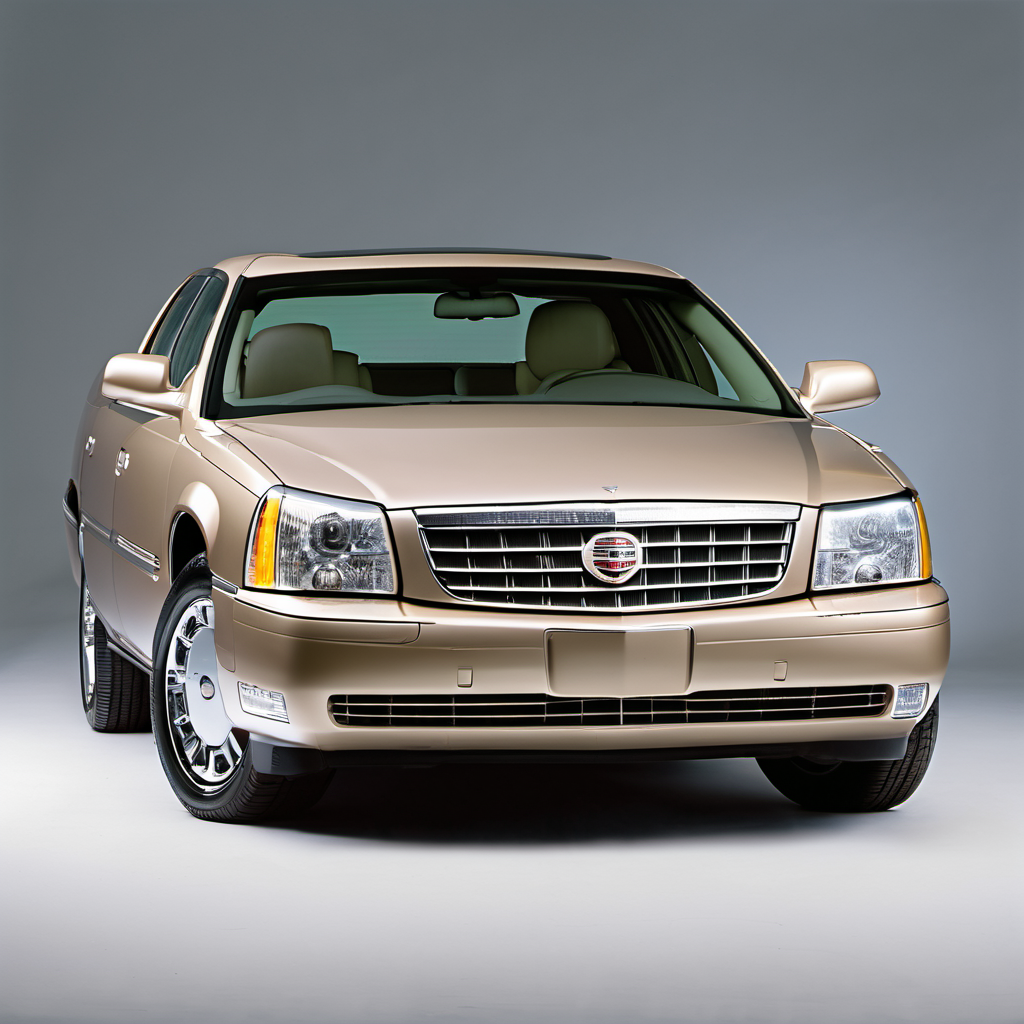
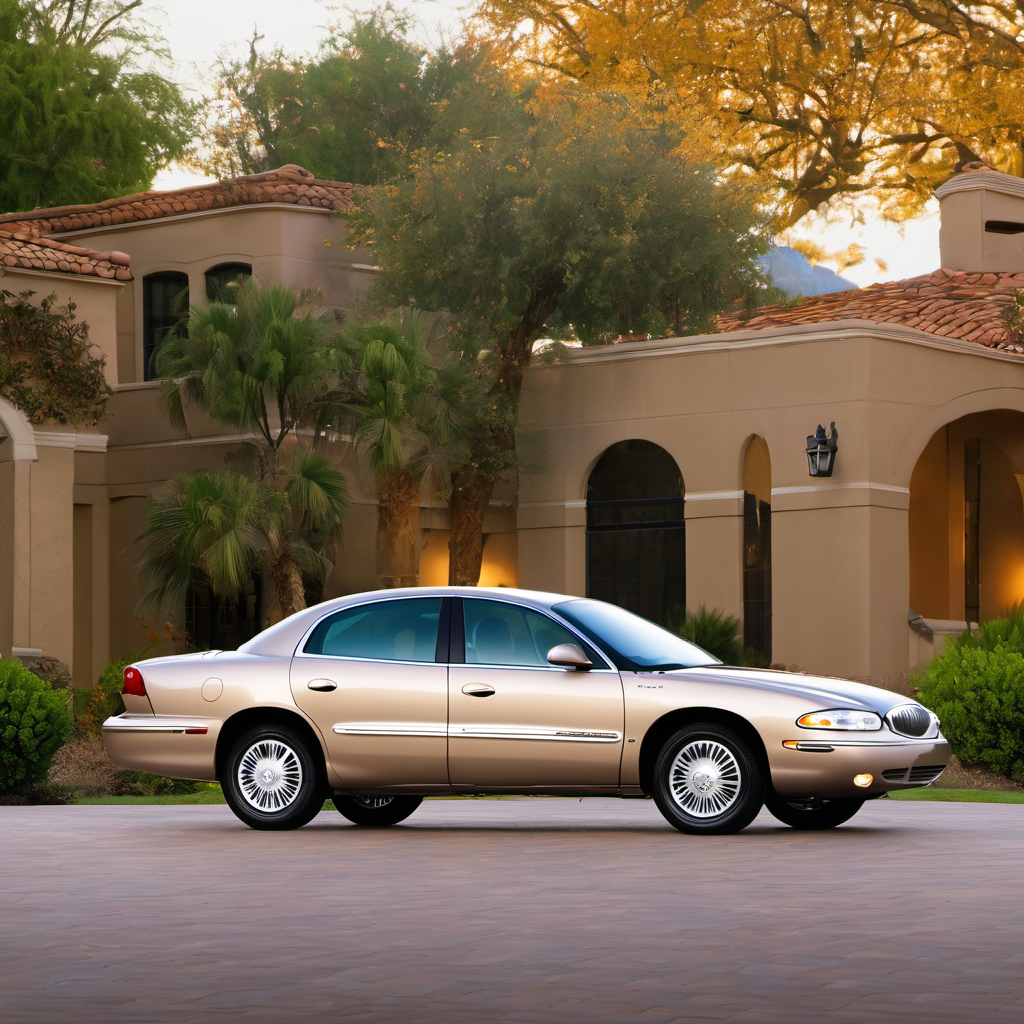
Comparable vehicles

If you're shopping for one

Red flags
  • No service records on a 150k+ mile example — assume all fluids and wear items need immediate replacement
  • Rear end sitting visibly low or compressor running constantly at startup — air suspension is already failing
  • Smoke from the exhaust at startup (blue = oil burning, white = coolant) on a V8 this old means internal engine wear or head gasket trouble
  • Former livery or fleet service markings — these cars were often run hard and serviced minimally; inspect twice as carefully
  • Any signs of transmission slipping, harsh shifts, or hesitation — the 4R70W is durable but high-mileage neglected units do fail
  • Rust-through on the rear wheel arches or trunk floor — cosmetic rust is manageable, structural rust on a body-on-frame car at this age is a deal-breaker
What to inspect
  • Rear suspension ride height with engine off — if the car is sitting low or uneven, the air springs are failing or the compressor is dead
  • Service records: look for oil change intervals, transmission service, and cooling system work — gaps in a high-mileage car are a red flag
  • Undercarriage for rust and frame corrosion, especially rear frame rails, subframe mounts, and brake lines — Wisconsin salt is brutal on these cars
  • All power accessories: windows, mirrors, trunk release, memory seat — actuators and regulators are common failures on 20-year-old examples
  • Coolant color and level — brown or oily coolant points to a head gasket issue or neglected flush on a high-mileage engine
  • Tire wear pattern — cupped or uneven wear signals worn shocks, front-end play, or alignment neglect that needs addressing before purchase
AI profile generated 8 days ago · claude-sonnet-4-6 · v2.