2.7L V6 Oil Sludge / Engine Failure
high- Typically appears
- 60–130k mi
- Estimated repair
- $2,500 – $6,500
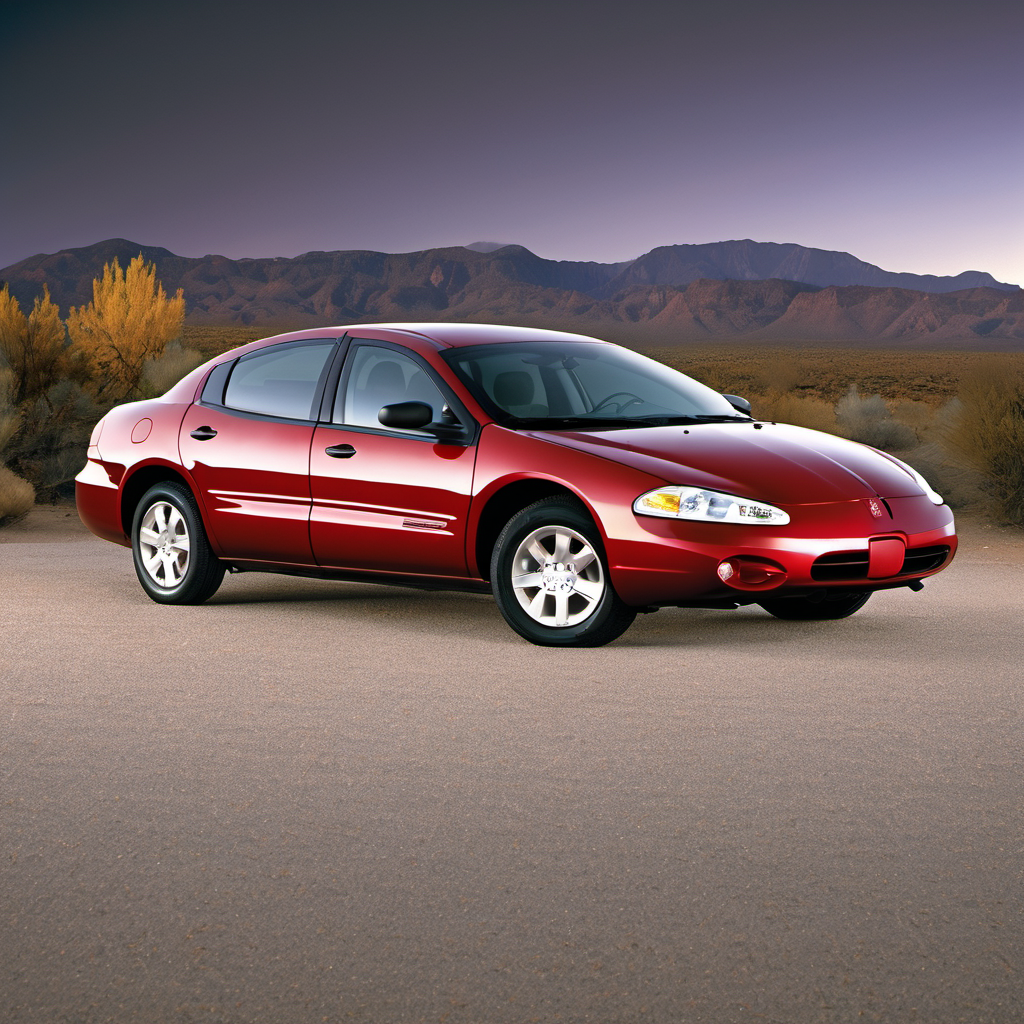
2004 Dodge
Sedan
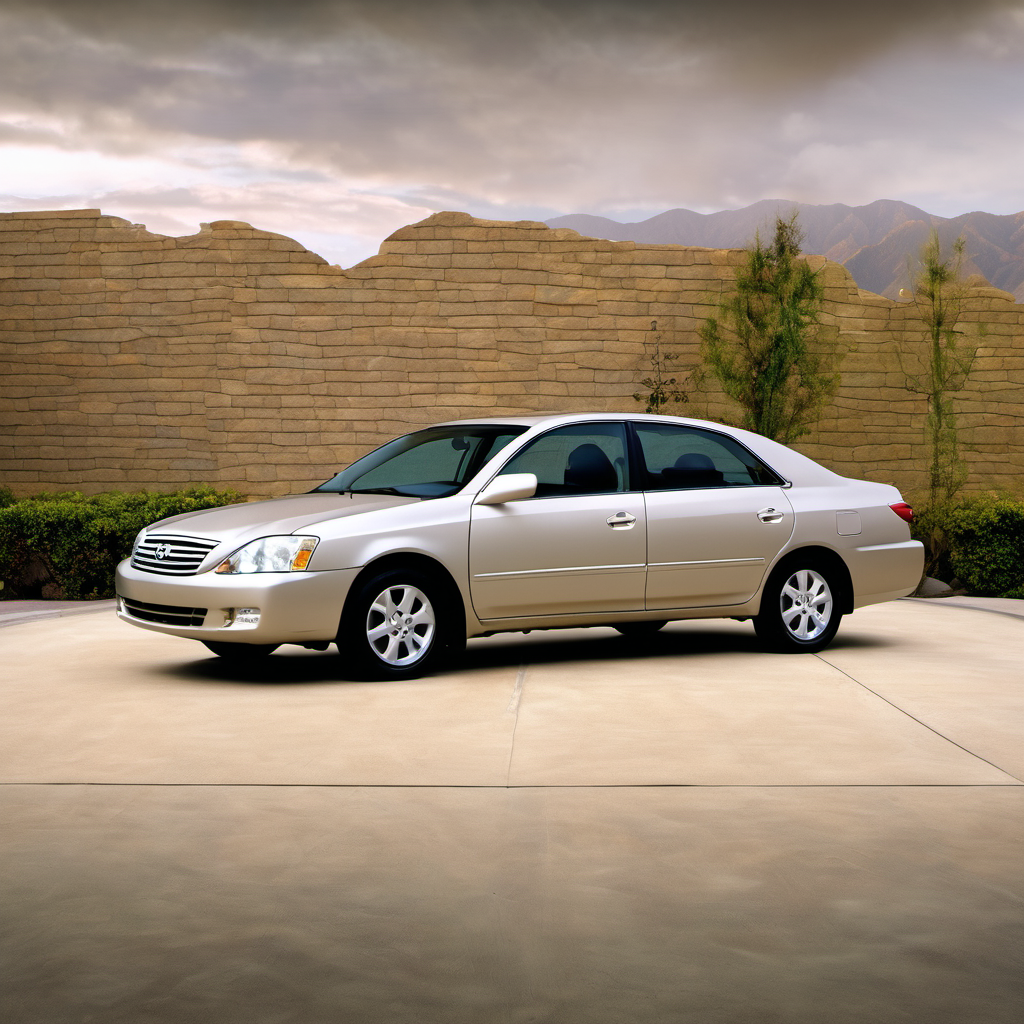
The 2004 Dodge Intrepid is a front-wheel-drive full-size sedan built on Chrysler's LH platform, sharing its bones with the Chrysler 300M and Concorde. It was Dodge's flagship car through two generations, offering a spacious cabin and a smooth highway ride at an affordable price point. By 2004, the Intrepid had reached the end of its production run — this is the final model year — which means parts availability is slowly shrinking and the existing fleet is aging into high-mileage territory. The 2.7L V6 is the base engine and the one to be most cautious about. It has a well-documented history of sludge buildup in the oil passages that can lead to catastrophic engine failure, particularly when oil changes were skipped or extended. The 3.5L V6 available in higher trims is a significantly more robust engine and far less prone to these issues. For buyers on a tight budget who need a large sedan with a comfortable ride, the Intrepid can still serve — but only with a clean maintenance history and a pre-purchase inspection focused on the engine. Maintenance-deferred examples are money pits.
The 2004 Dodge Intrepid is a front-wheel-drive full-size sedan built on Chrysler's LH platform, sharing its bones with the Chrysler 300M and Concorde. It was Dodge's flagship car through two generations, offering a spacious cabin and a smooth highway ride at an affordable price point. By 2004, the Intrepid had reached the end of its production run — this is the final model year — which means parts availability is slowly shrinking and the existing fleet is aging into high-mileage territory. The 2.7L V6 is the base engine and the one to be most cautious about. It has a well-documented history of sludge buildup in the oil passages that can lead to catastrophic engine failure, particularly when oil changes were skipped or extended. The 3.5L V6 available in higher trims is a significantly more robust engine and far less prone to these issues. For buyers on a tight budget who need a large sedan with a comfortable ride, the Intrepid can still serve — but only with a clean maintenance history and a pre-purchase inspection focused on the engine. Maintenance-deferred examples are money pits.
The 2.7L's oil passages are narrow and prone to sludge. Synthetic oil and frequent changes are the single best thing you can do to keep this engine alive. Extended intervals on conventional oil have killed thousands of these engines.
The water pump and thermostat are known weak points. Overheating accelerates the sludge problem in the 2.7L dramatically — catch cooling issues early.
Dodge's 42LE automatic benefits from regular fluid changes. Neglected fluid is a leading cause of early transmission wear on these cars.
Belt failure can leave you stranded and, on this engine, may cause overheating quickly.
Misfires put extra load on the catalytic converter and can mask other drivability issues.
Moisture-laden brake fluid lowers boiling point and accelerates caliper and ABS component corrosion — especially important in Wisconsin's wet winters.
Wisconsin road salt attacks the subframe, brake lines, and sills on this era of Chrysler products. Catch rust before it becomes structural.
Cold cranking a 2.7L with a weak battery stresses the starter and can strand you in sub-zero temps. Batteries on cars this old should be tested annually.
Always defer to the manufacturer's service manual for warranty-mandated intervals.
On paper, the Intrepid looks cheap to own. In practice, a 2.7L engine that hasn't been babied can turn into a $3,000–$6,500 engine job with no warning. Budget conservatively — routine maintenance is affordable, but the risk of a major engine or transmission repair is real and the car's resale value won't justify a big repair bill. Best-case, a well-maintained example costs $800–$1,200/year to keep up. Worst-case, deferred maintenance can make this car a financial loss within a single repair visit.
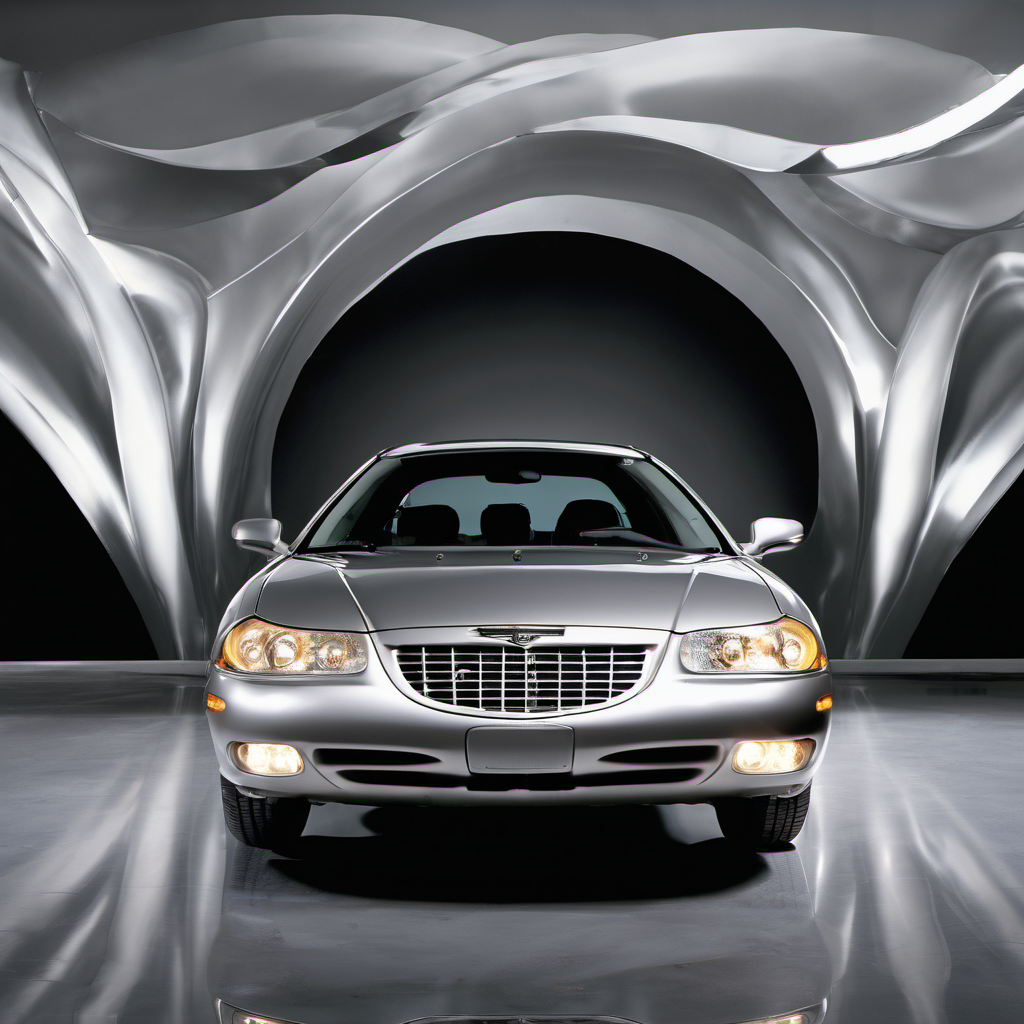
Built on the same LH platform with the same engine options. The 3.5L Concorde is a direct step up — same space, same ride, better powertrain.
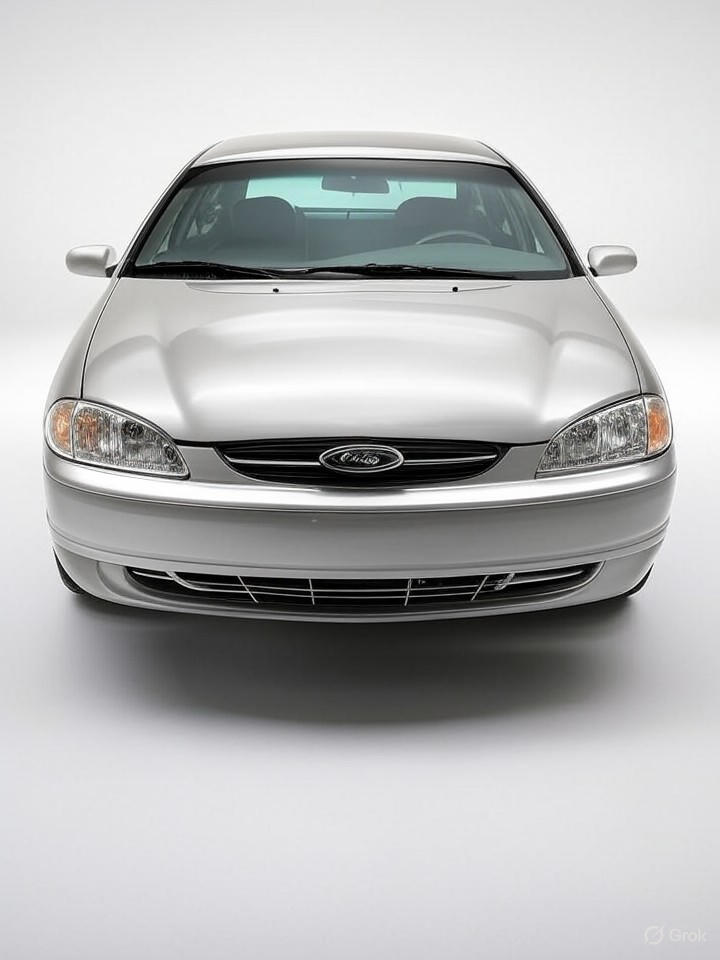
Similar size, similar price range used, more proven reliability record, and a larger parts/service ecosystem.
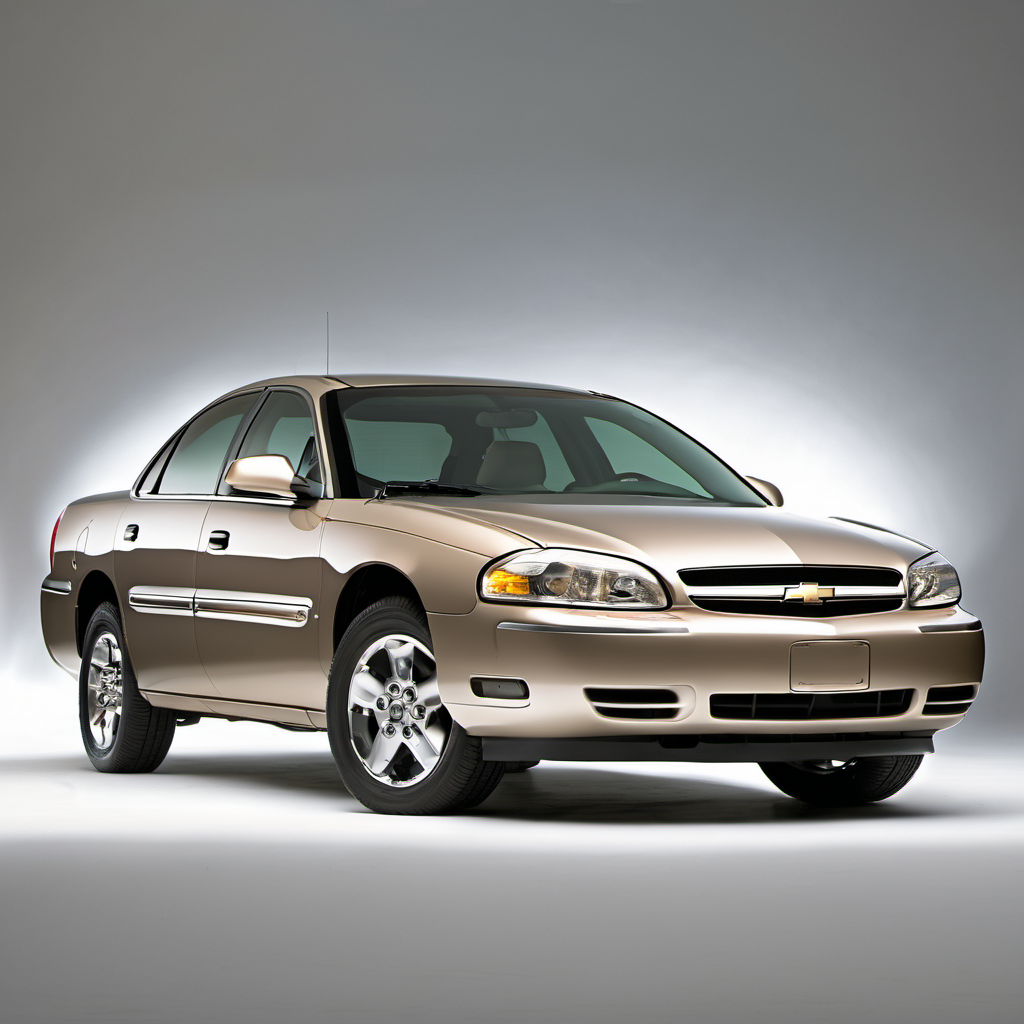
Full-size FWD sedan with comparable room and ride comfort, more reliable V6, and significantly better long-term parts availability.
If budget allows, the Avalon is in the same large-sedan class with dramatically better reliability and a V6 that routinely lasts 200k+ miles.