Front suspension wear — ball joints, tie rod ends, struts
high- Typically appears
- 80–130k mi
- Estimated repair
- $600 – $1,400
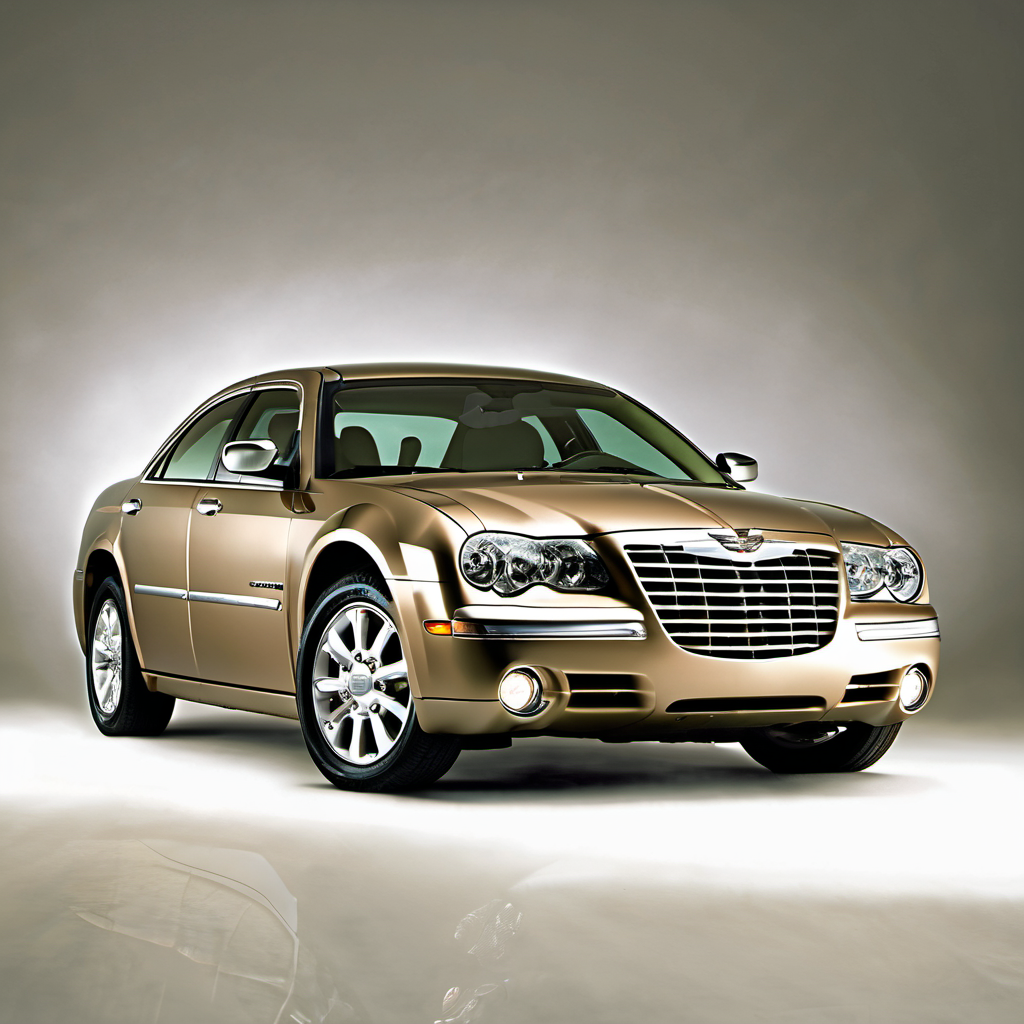
2004 Chrysler
3.5L V6 · Sedan
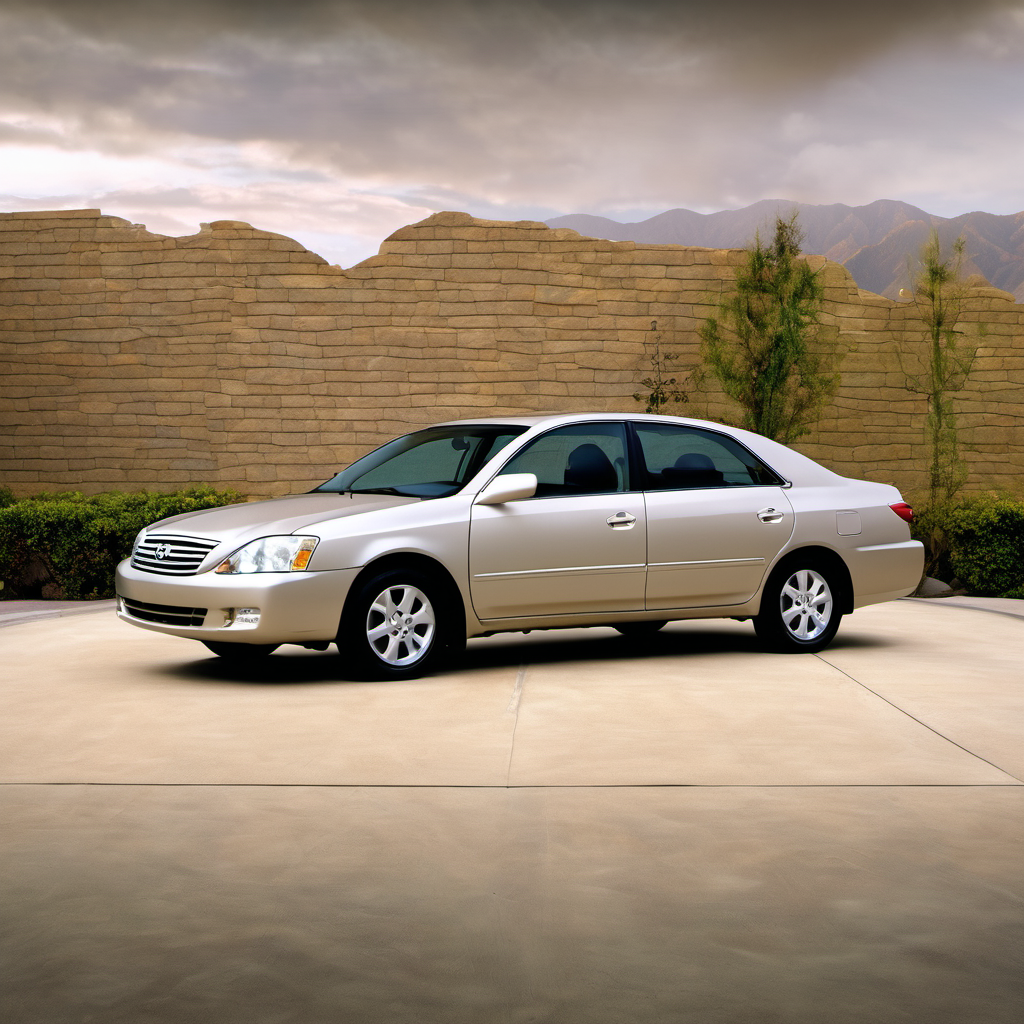
The 2004 Chrysler 300M is a front-wheel-drive, full-size sedan built on Chrysler's LH platform — the same architecture shared with the Dodge Intrepid and Chrysler Concorde. It was positioned as Chrysler's near-luxury flagship before the rear-wheel-drive 300C arrived for 2005, offering a distinctly European-influenced design with a long hood, short deck, and upscale interior. Power comes from Chrysler's 3.5L V6, which was a strong performer for its era and gives the 300M a legitimately sporty feel for a large sedan. The 300M was well-regarded for ride comfort, cabin space, and standard features at its price point. It was never a bare-bones car — most examples came loaded with dual-zone climate control, leather seating, and a premium sound system. That said, the complexity of its electronics and the cost of LH-platform suspension parts have made long-term ownership more expensive than comparable domestic sedans. 2004 is the final model year for the 300M, meaning parts availability is shrinking and dealer-level support is essentially gone. Mechanically, the car is straightforward for a shop familiar with the LH platform, but finding a clean example at this age takes careful inspection. Budget-conscious buyers should approach with realistic expectations about upcoming maintenance costs.
The 2004 Chrysler 300M is a front-wheel-drive, full-size sedan built on Chrysler's LH platform — the same architecture shared with the Dodge Intrepid and Chrysler Concorde. It was positioned as Chrysler's near-luxury flagship before the rear-wheel-drive 300C arrived for 2005, offering a distinctly European-influenced design with a long hood, short deck, and upscale interior. Power comes from Chrysler's 3.5L V6, which was a strong performer for its era and gives the 300M a legitimately sporty feel for a large sedan. The 300M was well-regarded for ride comfort, cabin space, and standard features at its price point. It was never a bare-bones car — most examples came loaded with dual-zone climate control, leather seating, and a premium sound system. That said, the complexity of its electronics and the cost of LH-platform suspension parts have made long-term ownership more expensive than comparable domestic sedans. 2004 is the final model year for the 300M, meaning parts availability is shrinking and dealer-level support is essentially gone. Mechanically, the car is straightforward for a shop familiar with the LH platform, but finding a clean example at this age takes careful inspection. Budget-conscious buyers should approach with realistic expectations about upcoming maintenance costs.
The 3.5L V6 relies on clean oil for valve train health. Extended intervals accelerate sludging, which is hard and expensive to reverse on this engine.
Degraded coolant accelerates water pump bearing wear and can eat through the plastic radiator end tanks common on LH-platform cars. Overheating on the 3.5L risks head gasket damage.
Chrysler's 4-speed automatic is sensitive to fluid condition. Fresh fluid is the single best way to extend transmission life on high-mileage examples.
LH-platform front suspension wears predictably. Catching loose ball joints early prevents tire wear and keeps the car safe to drive.
Worn plugs on the 3.5L cause misfires that stress the catalytic converters. Coil boots crack with age and cause intermittent misfires that can be misdiagnosed.
Cold cranking is hard on a marginal battery. The 300M's electronics are sensitive to low voltage — a weak battery can trigger false module faults before it ever fails to start.
Moisture-absorbed brake fluid lowers the boiling point and promotes internal corrosion in ABS components — a known cost item on aging Chrysler platforms.
Wisconsin road salt attacks the rear subframe and wheel arches on LH cars. Catching surface rust early is far cheaper than structural rust repair later.
Always defer to the manufacturer's service manual for warranty-mandated intervals.
The 300M looks cheap to buy — used examples often sell for $2,000–$5,000 — but ownership costs are moderate to high for a budget car. The 3.5L V6 drinks regular fuel and returns decent highway mileage, but aging suspension, electronics, and cooling components mean you should budget for at least one meaningful repair per year on a high-mileage example. A pre-purchase inspection is money well spent; deferred maintenance on a cheap 300M can quickly exceed the car's value.
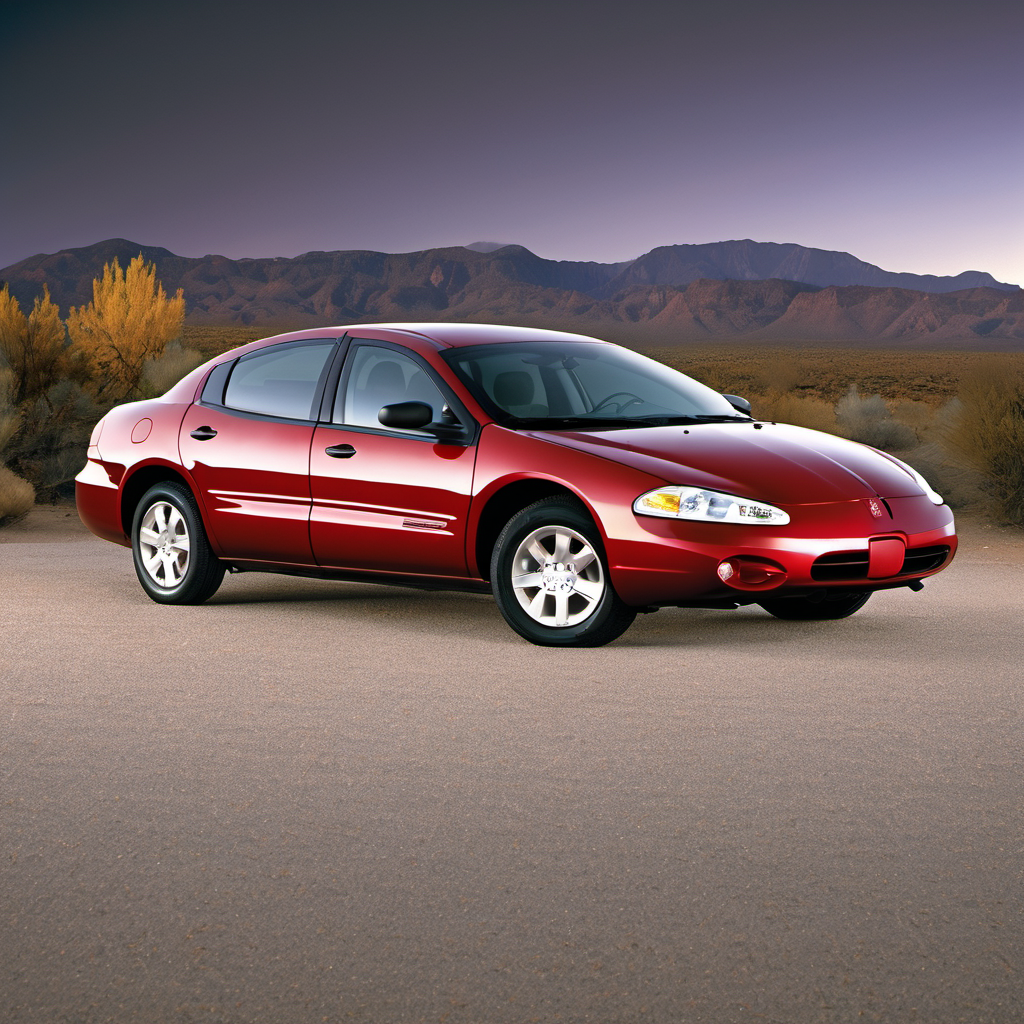
Same LH platform, same 3.5L V6 option, nearly identical mechanicals — just a different badge and slightly less premium interior trim. Parts are interchangeable and often cheaper.
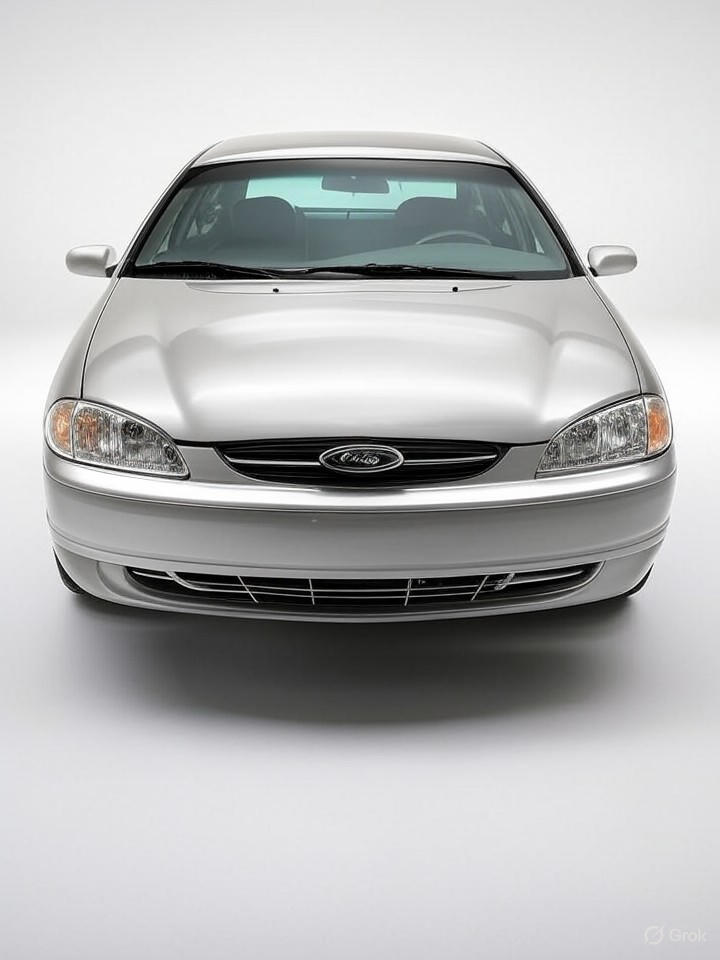
Comparable full-size FWD sedan at the same price point. Simpler mechanicals, better long-term parts availability, though less stylish and not as powerful.
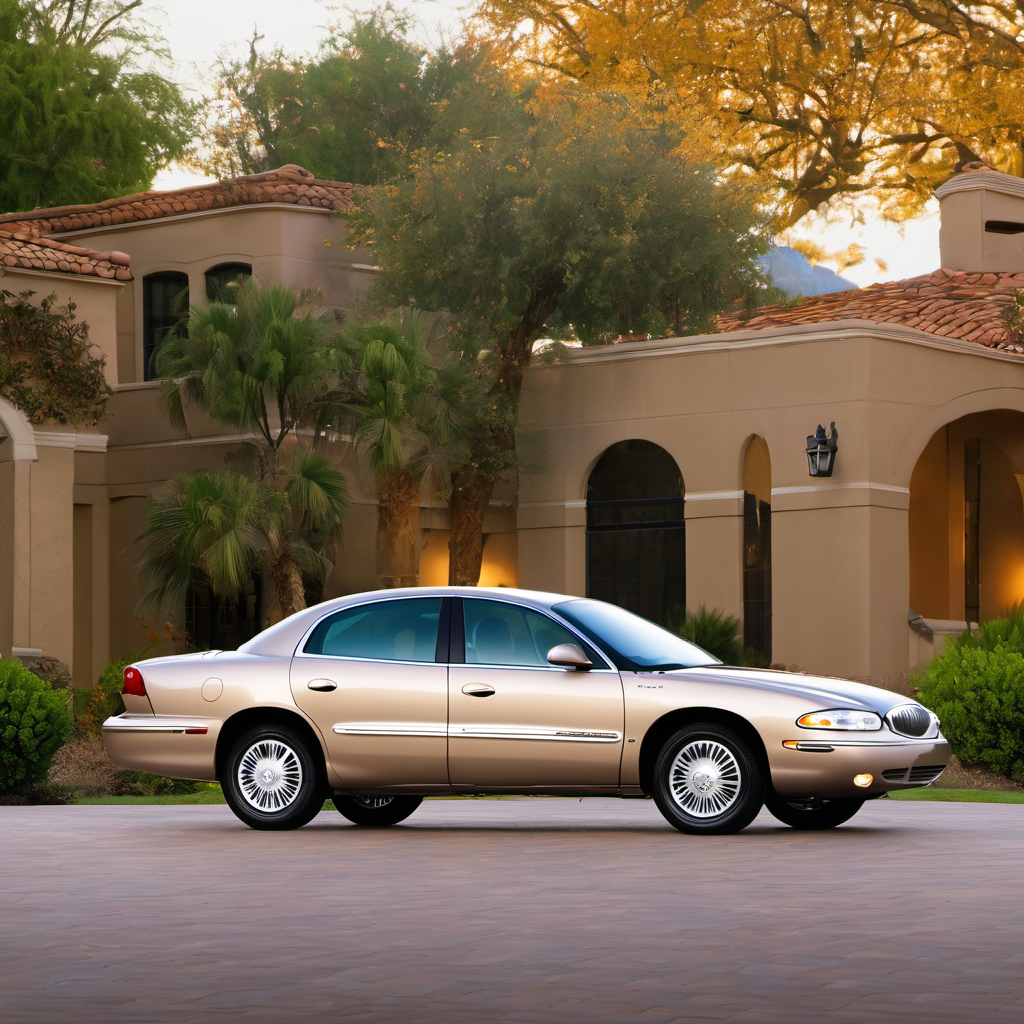
Full-size FWD sedan with a strong reliability record and a proven 3.8L V6. Less sporty but generally more durable long-term, with strong upper-Midwest owner loyalty.
Full-size FWD sedan at a similar original price. Significantly better long-term reliability and resale, though harder to find at the same low used-car price point.