Timing belt failure (interference engine)
high- Typically appears
- 60–105k mi (and every 90k thereafter)
- Estimated repair
- $450 – $750
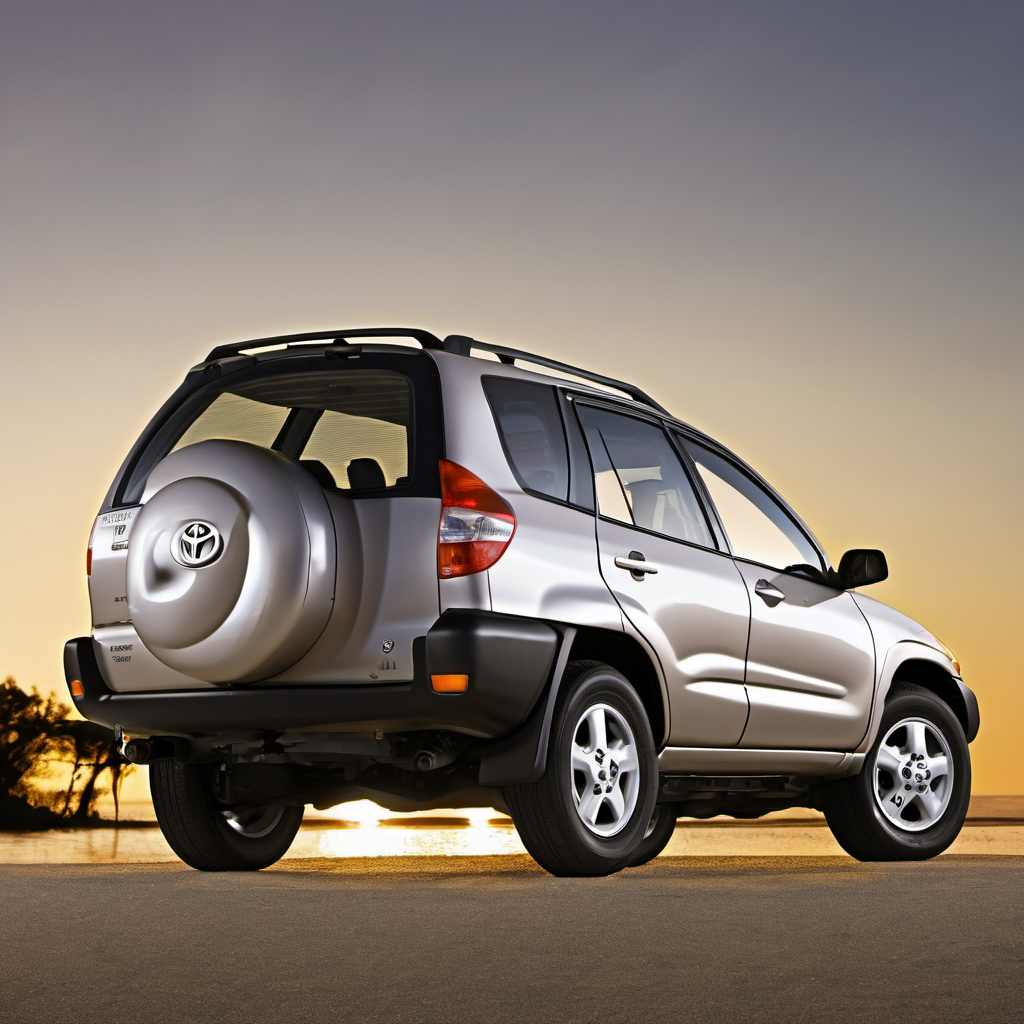
2003 Toyota
SUV
The 2003 Toyota RAV4 is a compact SUV from the second generation (2001–2005), offering a practical balance of car-like driving manners and light off-road capability. Powered by a 2.0L four-cylinder, it's light on its feet, reasonably fuel-efficient for its era, and built with the durability Toyota was known for at the time. By 2003 the RAV4 had matured into a reliable daily driver well-suited to families, commuters, and light adventurers. It isn't a trail-rated machine, but the available AWD variants handle Wisconsin snow and gravel roads without complaint. The FWD version sacrifices all-weather confidence for slightly better fuel economy. At this age (20+ years), the RAV4 is past its prime for carefree ownership but still capable of high mileage with disciplined maintenance. Rust, worn suspension, and neglected timing is where these trucks tend to fall apart — not the engine itself.
The 2003 Toyota RAV4 is a compact SUV from the second generation (2001–2005), offering a practical balance of car-like driving manners and light off-road capability. Powered by a 2.0L four-cylinder, it's light on its feet, reasonably fuel-efficient for its era, and built with the durability Toyota was known for at the time. By 2003 the RAV4 had matured into a reliable daily driver well-suited to families, commuters, and light adventurers. It isn't a trail-rated machine, but the available AWD variants handle Wisconsin snow and gravel roads without complaint. The FWD version sacrifices all-weather confidence for slightly better fuel economy. At this age (20+ years), the RAV4 is past its prime for carefree ownership but still capable of high mileage with disciplined maintenance. Rust, worn suspension, and neglected timing is where these trucks tend to fall apart — not the engine itself.
This is a non-negotiable on the 2.0L — it's an interference engine. If the belt snaps, the valves hit the pistons and the engine is typically destroyed. Always replace the water pump at the same time since you're already in there.
Clean oil is the single biggest factor in keeping this engine alive past 200k. At this age, use a quality conventional or synthetic blend — full synthetic can seep past older seals on high-mileage engines.
Toyota's long-life coolant degrades over time. Old coolant turns acidic and attacks the water pump and radiator — both expensive on a car this age.
Toyota often lists this as 'lifetime' fluid, but on a 20-year-old vehicle, fresh fluid is cheap insurance against a costly transmission rebuild.
Neglected diff fluid is the #1 cause of expensive AWD rear differential failures on this generation. It's a $30–$60 service that prevents a $1,000+ repair.
Brake fluid absorbs moisture over time, lowering its boiling point. Wisconsin winters are hard on brake systems — fresh fluid keeps the ABS and brake hydraulics reliable.
Ball joints and bushings on a 20+ year old vehicle in a salt-belt state need frequent checks. Catching a torn boot or dry joint early prevents a full control arm replacement.
Worn plugs cause misfires and put extra strain on ignition coils and the oxygen sensor. OEM-equivalent plugs are inexpensive and easy to access on this engine.
Always defer to the manufacturer's service manual for warranty-mandated intervals.
A well-maintained 2003 RAV4 is one of the more affordable older SUVs to keep on the road. Routine maintenance is cheap and most jobs are DIY-friendly. The wildcards are rust repair and any deferred timing belt work — budget for those upfront when buying a used example.
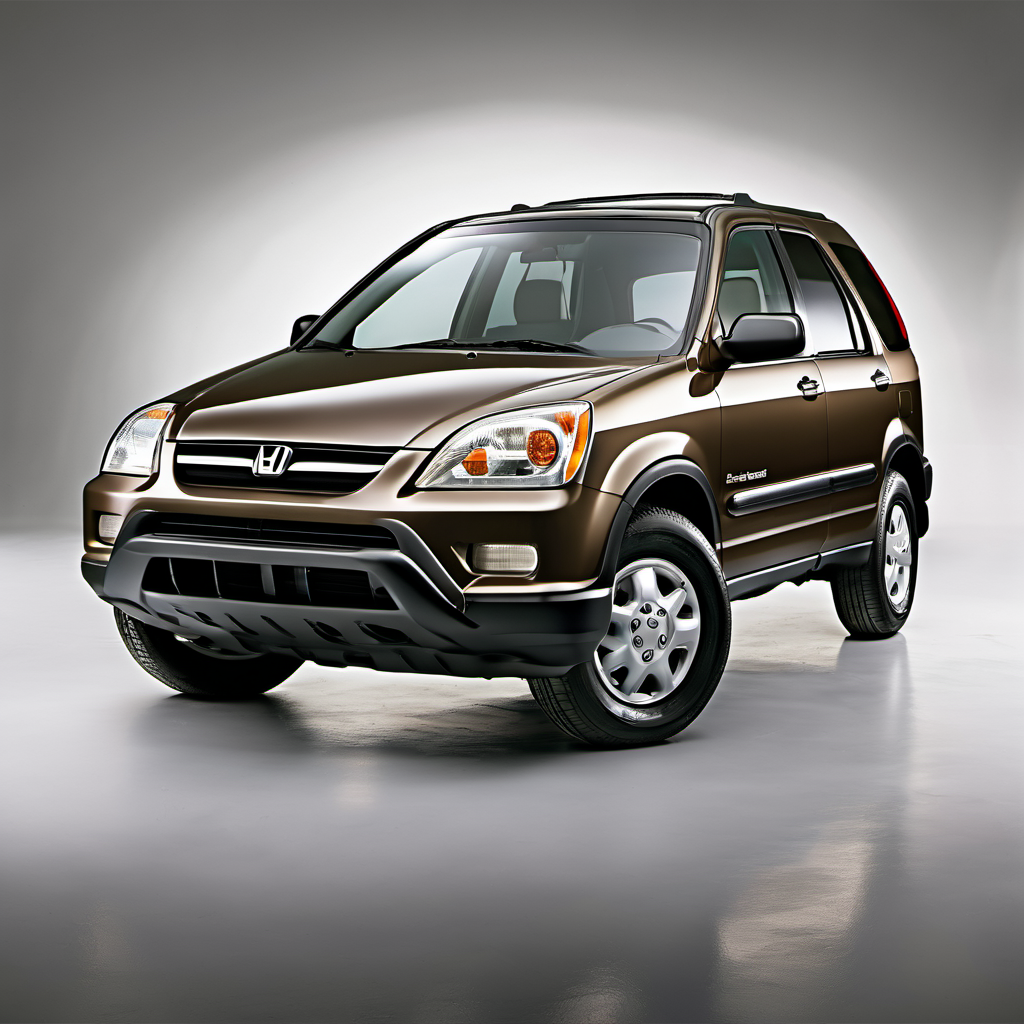
Nearly identical footprint, similar 2.4L four-cylinder reliability reputation, real-time AWD standard. Often comes in at similar used prices and is an equally strong long-term ownership pick.
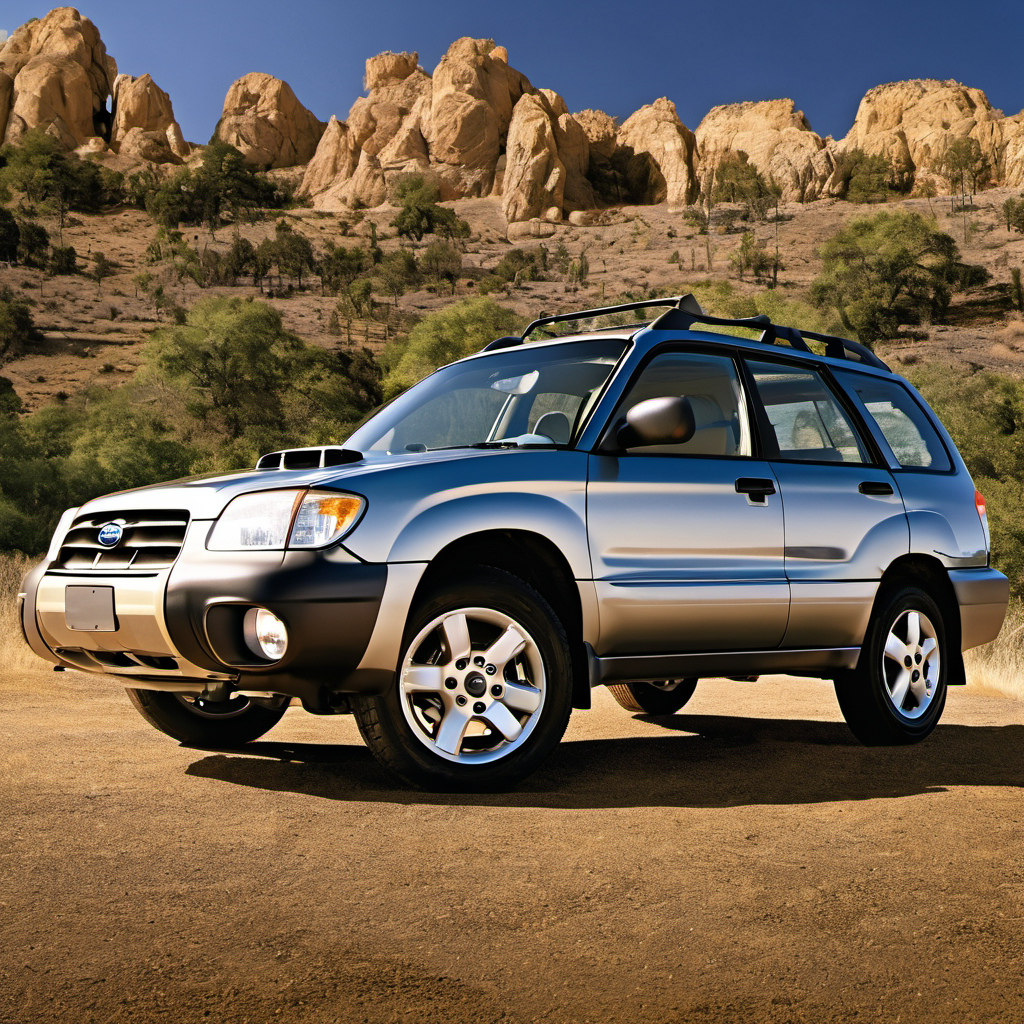
Standard AWD is a genuine winter advantage over the FWD RAV4. The 2.5L boxer engine is capable but watch for head gasket issues on this era — do a compression test before buying.
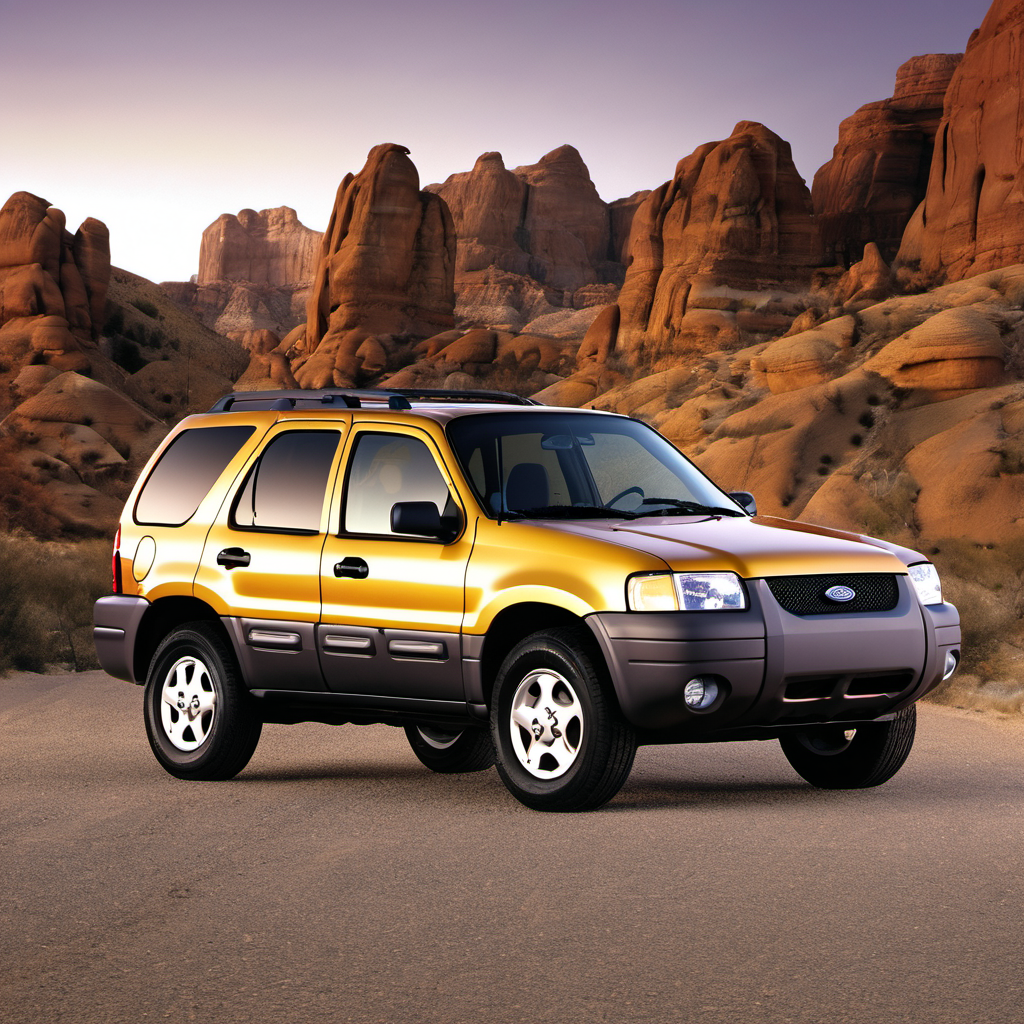
Same segment and price range with available AWD. Less long-term reliability than the RAV4 but parts are cheaper and more widely available. A solid choice if well-documented maintenance history exists.
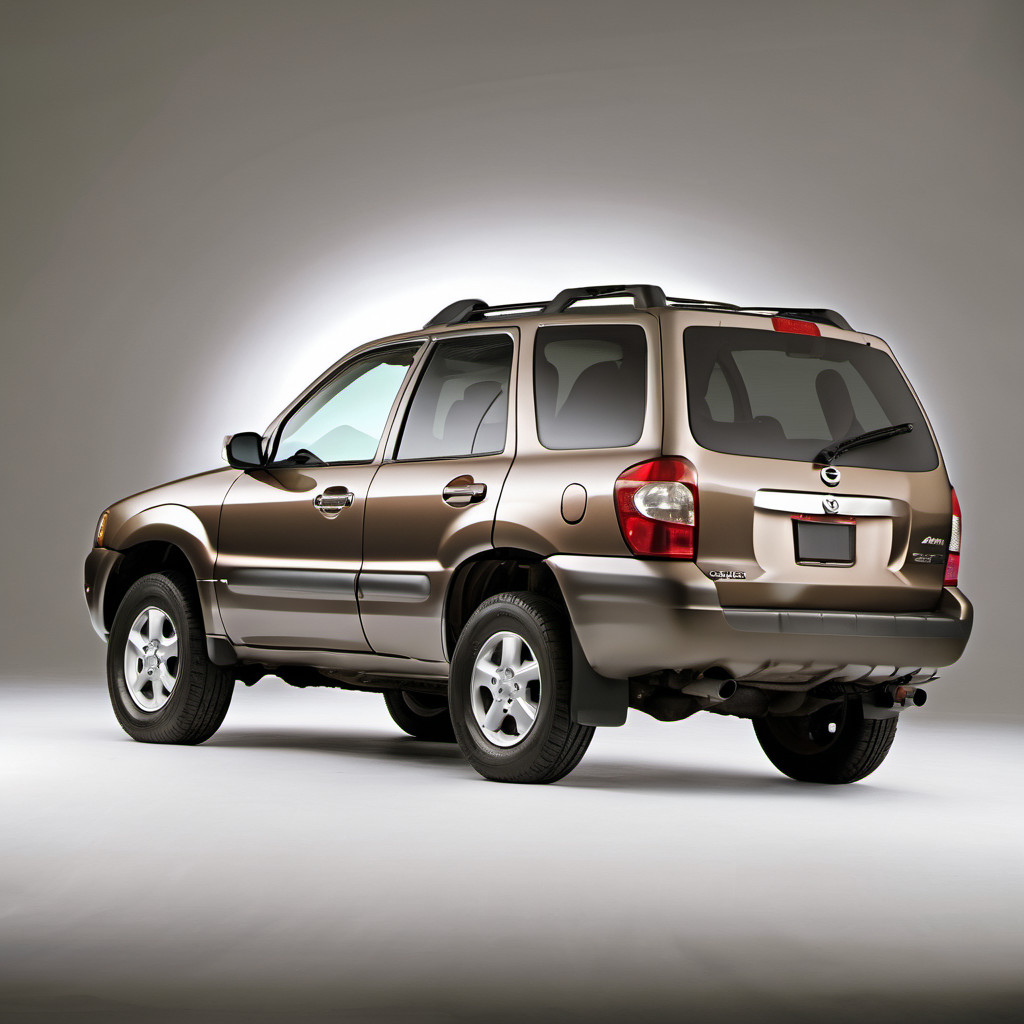
Shares its platform with the Ford Escape but with slightly sportier tuning. Similar ownership costs and reliability profile — same used-car inspection checklist applies.