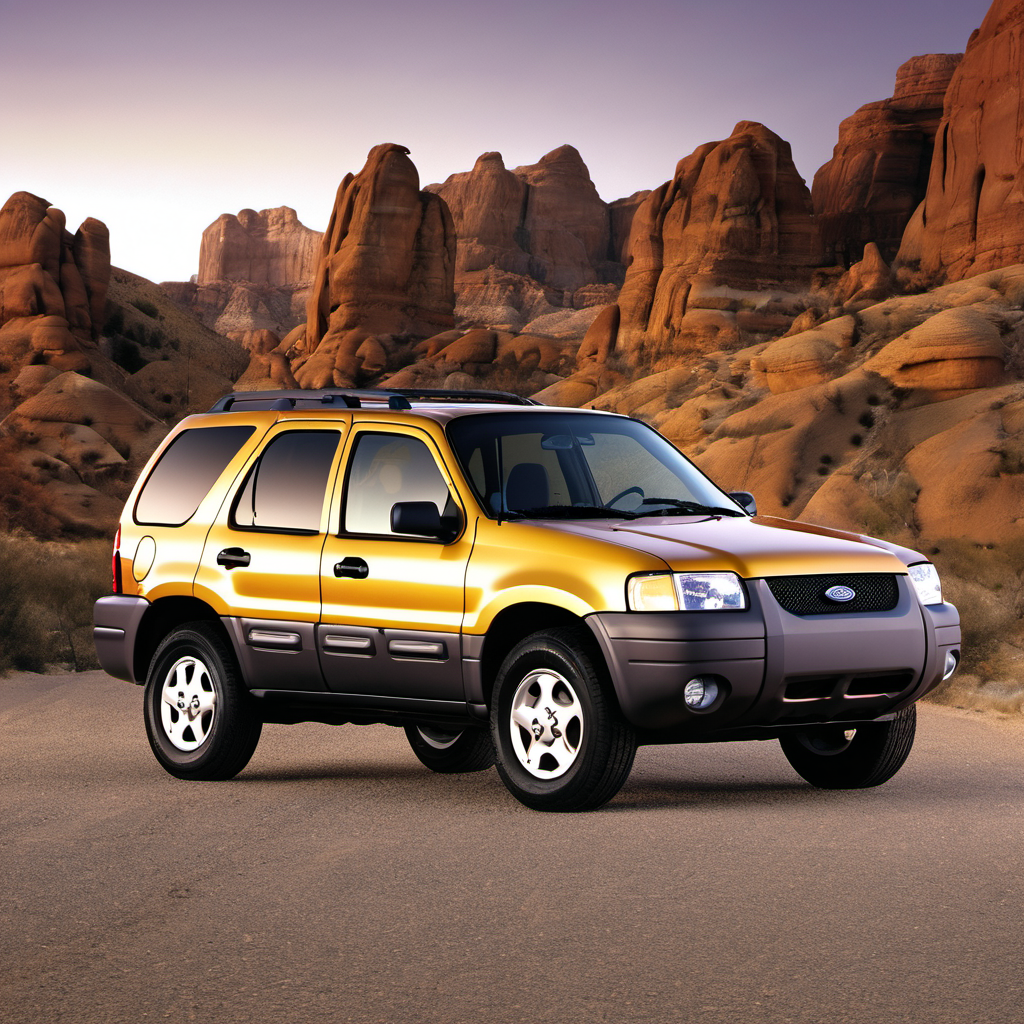
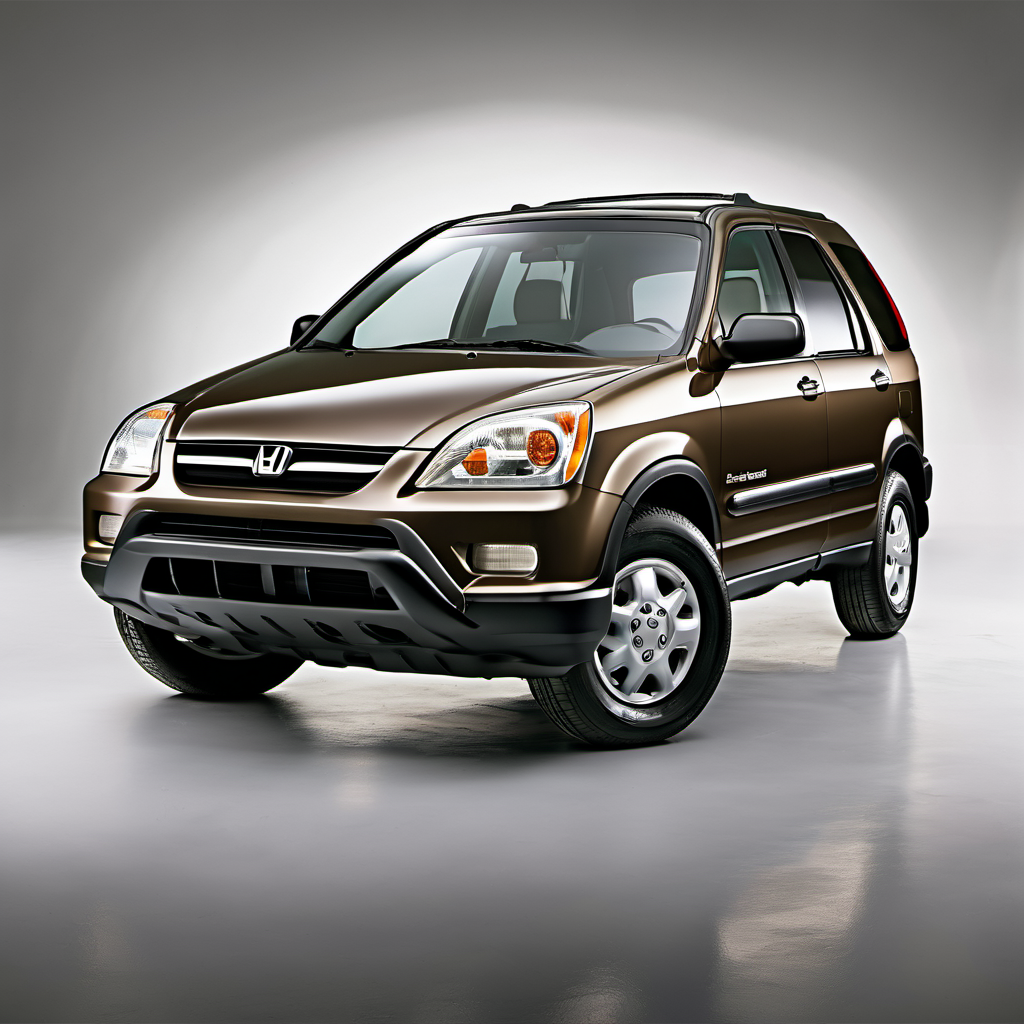
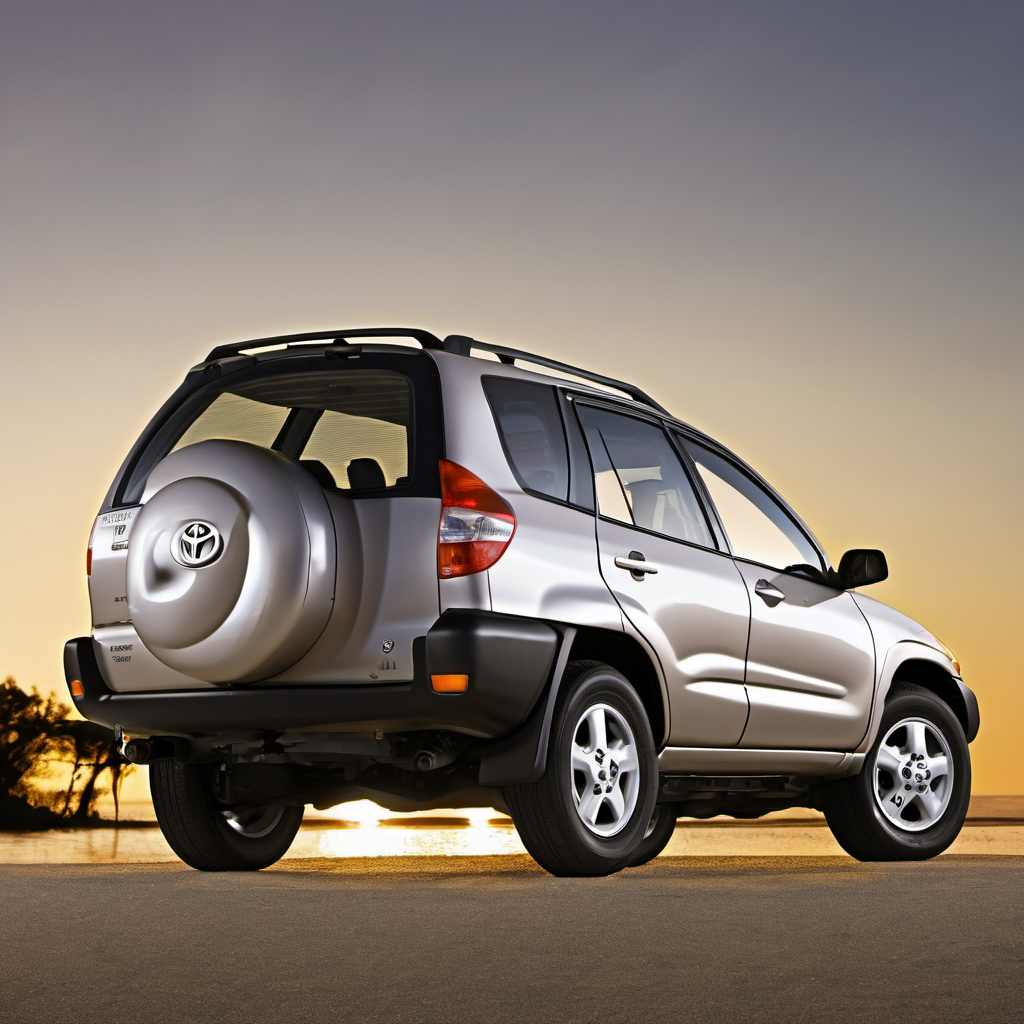
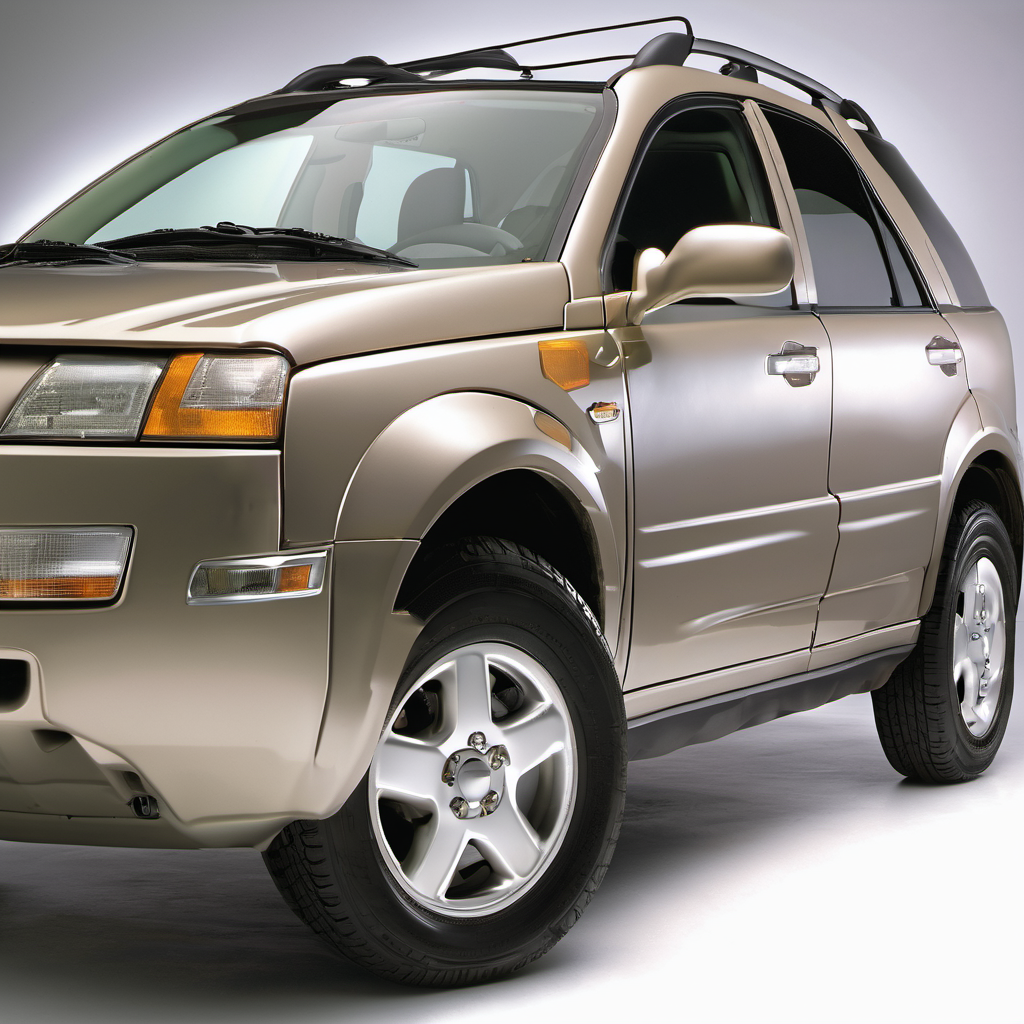
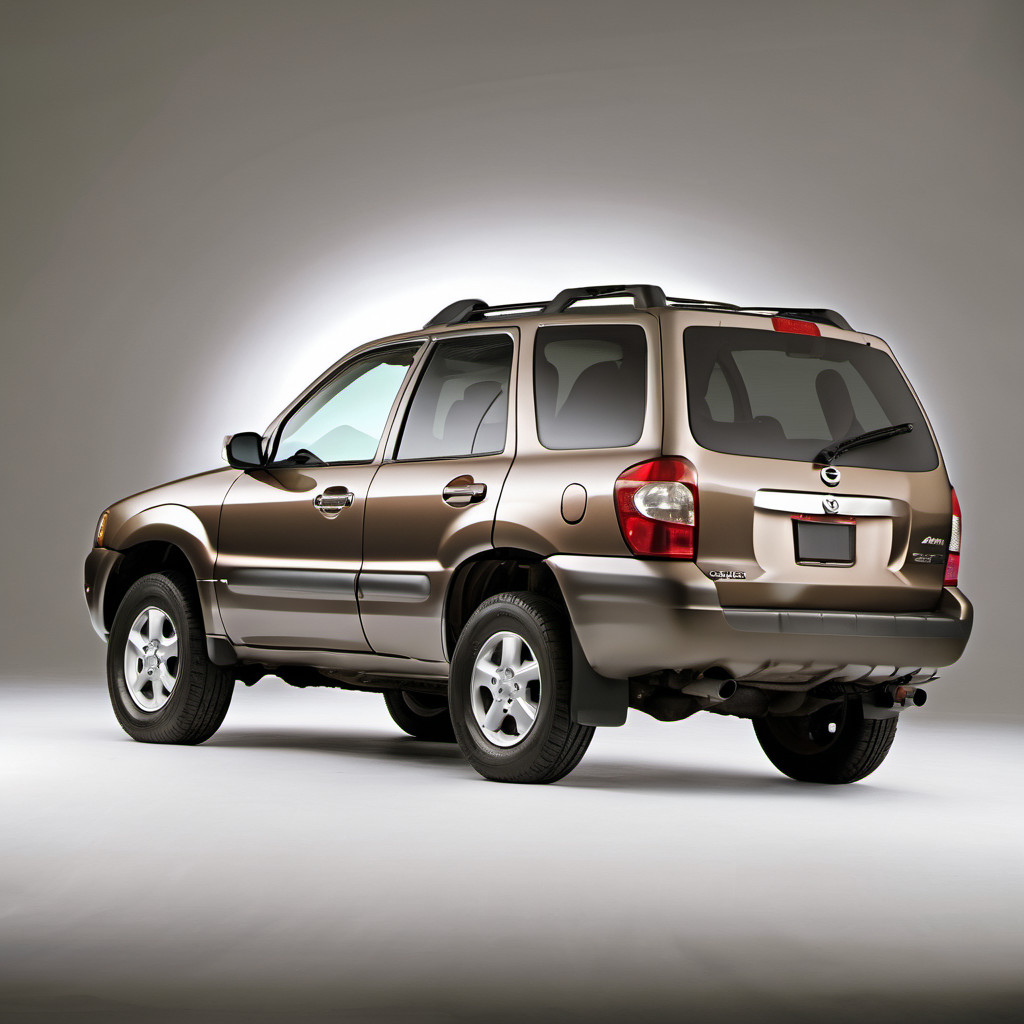
2003 Ford Escape SUV

2003 Ford

EscapeSUV

SUV

The 2003 Ford Escape is a compact SUV that arrived in Ford's lineup as a joint venture with Mazda, sharing its platform with the Mazda Tribute. It was one of the first small SUVs to offer a V6 engine option alongside a 4-cylinder, giving buyers flexibility between economy and performance. At 20-plus years old, most surviving examples have well over 100k miles, so condition and maintenance history matter enormously. The 2.0L 4-cylinder FWD configuration is the entry-level setup — adequate for daily commuting but underpowered when loaded or on the highway. Fuel economy is reasonable for the era. The Escape's car-based unibody construction makes it ride comfortably and handle better than traditional truck-based SUVs of the time. At this age, rust is the elephant in the room for Wisconsin owners. The Escape's wheel wells, subframe, and lower rocker panels are notorious for collecting road salt, and a 2003 model in the upper Midwest should be inspected closely underneath before purchase or continued use.

Reliability
2/5
Verified data
Specs shown for Escape 2WD — the most common configuration. Other trims may vary in engine, drivetrain, or fuel economy. Sign in to see your vehicle's exact specs.
Engine
[object Object]
Drivetrain
FWD
Fuel
Gasoline
MPG
20 city / 25 hwy / 22 combined
Seats
Doors
Body
Sport Utility Vehicle - 2WD

Overview

AI-curated

The 2003 Ford Escape is a compact SUV that arrived in Ford's lineup as a joint venture with Mazda, sharing its platform with the Mazda Tribute. It was one of the first small SUVs to offer a V6 engine option alongside a 4-cylinder, giving buyers flexibility between economy and performance. At 20-plus years old, most surviving examples have well over 100k miles, so condition and maintenance history matter enormously. The 2.0L 4-cylinder FWD configuration is the entry-level setup — adequate for daily commuting but underpowered when loaded or on the highway. Fuel economy is reasonable for the era. The Escape's car-based unibody construction makes it ride comfortably and handle better than traditional truck-based SUVs of the time. At this age, rust is the elephant in the room for Wisconsin owners. The Escape's wheel wells, subframe, and lower rocker panels are notorious for collecting road salt, and a 2003 model in the upper Midwest should be inspected closely underneath before purchase or continued use.

Known for
  • Car-like ride from unibody construction
  • Shared Mazda Tribute platform — parts interchangeability
  • Practical compact footprint for city and suburb use
  • Available AWD on V6 trims (not present on this FWD 4-cyl unit)
  • Early-generation compact SUV that helped define the segment
Best for
  • Light-duty daily commuters
  • Budget-conscious buyers needing SUV cargo utility
  • Urban and suburban driving
  • Owners comfortable with older vehicle upkeep
Watch for
  • Severe underbody rust on high-mileage Midwest examples
  • Automatic transmission failures — a known weak point
  • Coolant system issues leading to overheating on the 2.0L
  • Throttle body and idle problems on higher-mileage engines
  • Electrical gremlins from aged wiring and connectors

Common issues by mileage

6 known

Automatic Transmission Failure

high
Typically appears
80–130k mi
Estimated repair
$1,800 – $3,500

Coolant Leak / Overheating (Intake Manifold Gasket or Thermostat)

high
Typically appears
70–120k mi
Estimated repair
$300 – $900

Throttle Body / Idle Air Control Valve Failure

medium
Typically appears
80–150k mi
Estimated repair
$200 – $500

Oxygen Sensor Heater Circuit Failure

medium
Typically appears
80–150k mi
Estimated repair
$150 – $350

Subframe and Underbody Rust (Midwest salt exposure)

high
Typically appears
Any mileage on Midwest/salt-belt vehicles
Estimated repair
$500 – $3,000

Front Suspension Wear (Ball Joints, Control Arm Bushings)

high
Typically appears
90–150k mi
Estimated repair
$400 – $1,100

Maintenance schedule

  1. 1
    Every 5,000 miles or 6 months Engine Oil & Filter Change

    The 2.0L I4 is sensitive to sludge buildup from extended oil change intervals. Use the shorter interval on an older, higher-mileage engine — especially critical in cold Wisconsin winters where short trips prevent the oil from fully warming.

  2. 2
    Every 2 years or 30,000 miles Coolant Flush and System Inspection

    Coolant degradation accelerates corrosion inside the system. The 2.0L is prone to overheating when the cooling system is neglected. Check hoses, thermostat, and radiator cap condition at each flush.

  3. 3
    Every 30,000 miles Automatic Transmission Fluid Change

    Ford's factory interval is conservative for aging transmissions under real-world use. Fresh fluid extends the life of a transmission that is already known to be a weak point on this generation.

  4. 4
    Every 60,000 miles Spark Plug Replacement

    Worn plugs cause misfires and put extra load on the ignition coils. On a 20-year-old vehicle, if the plugs haven't been changed recently, do it now regardless of mileage.

  5. 5
    Every 2 years Brake Fluid Flush

    Brake fluid absorbs moisture over time, lowering its boiling point and accelerating internal corrosion in calipers and the master cylinder — a real concern on older vehicles in salt environments.

  6. 6
    Every spring (after winter salt exposure) Underbody Rust Inspection

    The Escape's subframe, rear crossmember, and rocker panels are known rust targets. Catching rust early — especially on structural components — is far cheaper than repairing compromised subframes.

  7. 7
    Every fall, before winter Battery Load Test

    A battery that tests acceptable in summer can fail to start a cold-soaked engine at -10°F. At 20+ years of vehicle age, even a newer replacement battery should be load-tested annually before Wisconsin winters.

  8. 8
    Every 15,000–20,000 miles or annually Air Filter Replacement

    A clogged air filter reduces power noticeably on the already modest 127-hp 2.0L and can worsen fuel economy and throttle response.

Always defer to the manufacturer's service manual for warranty-mandated intervals.

Cost of ownership

Annual maintenance
$900 – $2,200
Fuel
At 22 MPG combined and ~12,000 miles/year, expect roughly $1,600–$1,900/year at current Upper Midwest gas prices. The 2.0L FWD is the most fuel-efficient Escape configuration.
Insurance
Typically low — expect $700–$1,100/year for full coverage on a vehicle this age, depending on driver profile. Actual cash value is modest, so liability-only may be worth evaluating.

On paper, a 20-year-old Escape looks cheap to own. In practice, deferred maintenance on a high-mileage example can produce $1,500–$3,500 repair bills in a single year. Budget on the higher end of annual maintenance unless you have solid service records. Transmission and suspension repairs are the biggest single-event risks.
Seasonal care

Lake Geneva, WI
Winter
  • Load-test the battery every fall — cold cranking amps drop sharply below 0°F and the 2.0L needs a strong battery to start reliably in Lake Geneva winters.
  • Switch to a full-synthetic 5W-30 oil if not already used — it flows faster on cold starts and reduces wear during the critical first minutes of a sub-zero startup.
  • Fill the washer fluid reservoir with a rated -20°F or colder formula. The stock reservoir is exposed and lines can freeze with diluted fluid.
  • Inspect the undercarriage each spring for salt-induced rust on the subframe, brake lines, and fuel lines — these are structural and safety concerns, not just cosmetic.
  • Check antifreeze concentration with a tester — a 50/50 mix protects to around -34°F, which is adequate for Wisconsin. Don't assume it's fine just because coolant was added recently.
  • Swap to dedicated winter tires if you're in a snow zone — the FWD-only drivetrain has no AWD safety net and all-seasons on a 20-year-old Escape are a liability on icy roads.
Summer
  • Check tire pressure every few weeks — for every 10°F rise in ambient temperature, tire pressure increases by about 1 PSI, which can push already-worn tires toward their limits.
  • Inspect the A/C system for refrigerant charge and condenser condition before the first hot stretch — A/C compressors on vehicles this age often show declining output.
  • Monitor the temperature gauge closely during summer traffic — the 2.0L's cooling system is not robust, and heat soak in stop-and-go traffic can expose a marginal thermostat or water pump.
  • Check all coolant hoses for softness, cracking, or swelling — summer heat accelerates hose deterioration on rubber that is already 20 years old.

Comparable vehicles

If you're shopping for one

Red flags
  • Any signs of subframe or structural rust — walk away unless you have a firm repair estimate.
  • Transmission that slips, clunks, or hesitates between gears — budget $2,000–$3,500 for a rebuild or replacement.
  • Overheating history or recent head gasket work with no documentation of proper repair.
  • Milky or foamy oil on the dipstick or under the oil cap — coolant intrusion is a serious and costly problem.
  • Check engine light combined with rough idle — could indicate multiple deferred maintenance issues.
  • Any seller who cannot provide at least some maintenance history on a 20-year-old vehicle.
What to inspect
  • Put the vehicle on a lift and inspect the subframe, rear crossmember, and rocker panels for rust penetration — structural rust can make an otherwise running Escape not worth repairing.
  • Check brake lines and fuel lines underneath for rust perforations or heavy scale — these are safety-critical and common failure points in salt-belt states.
  • Drive it through all gear ranges and check for slipping, hard shifts, or delayed engagement — transmission issues are expensive and common on this generation.
  • Warm the engine fully and watch for overheating, coolant smell, or white exhaust smoke — signs of head gasket or cooling system trouble.
  • Check the coolant reservoir for milky or oily contamination, which indicates coolant-oil mixing (head gasket concern).
  • Test the A/C and all power accessories — windows, locks, mirrors — as electrical repairs on 20-year-old vehicles add up quickly.
  • Ask for any service records, especially transmission fluid changes and cooling system work.
AI profile generated 16 days ago · claude-sonnet-4-6 · v2.