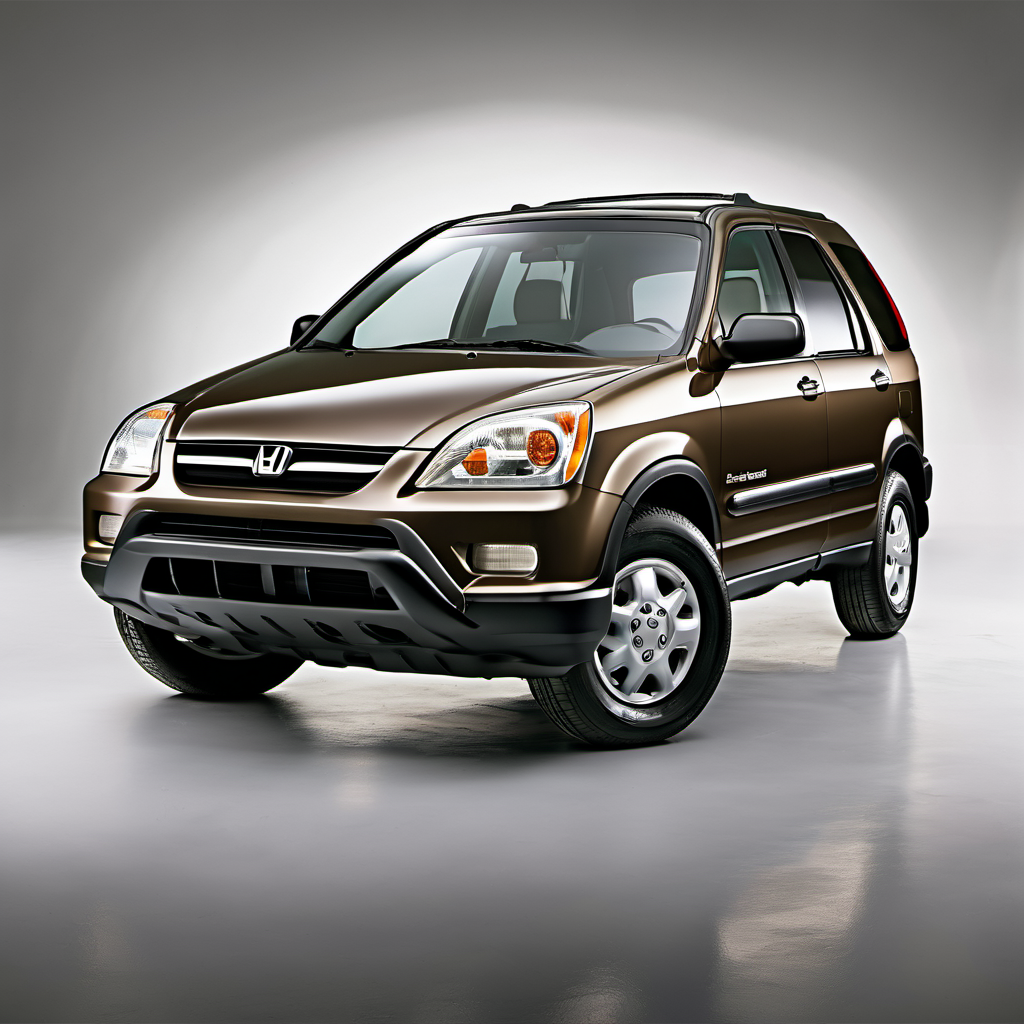
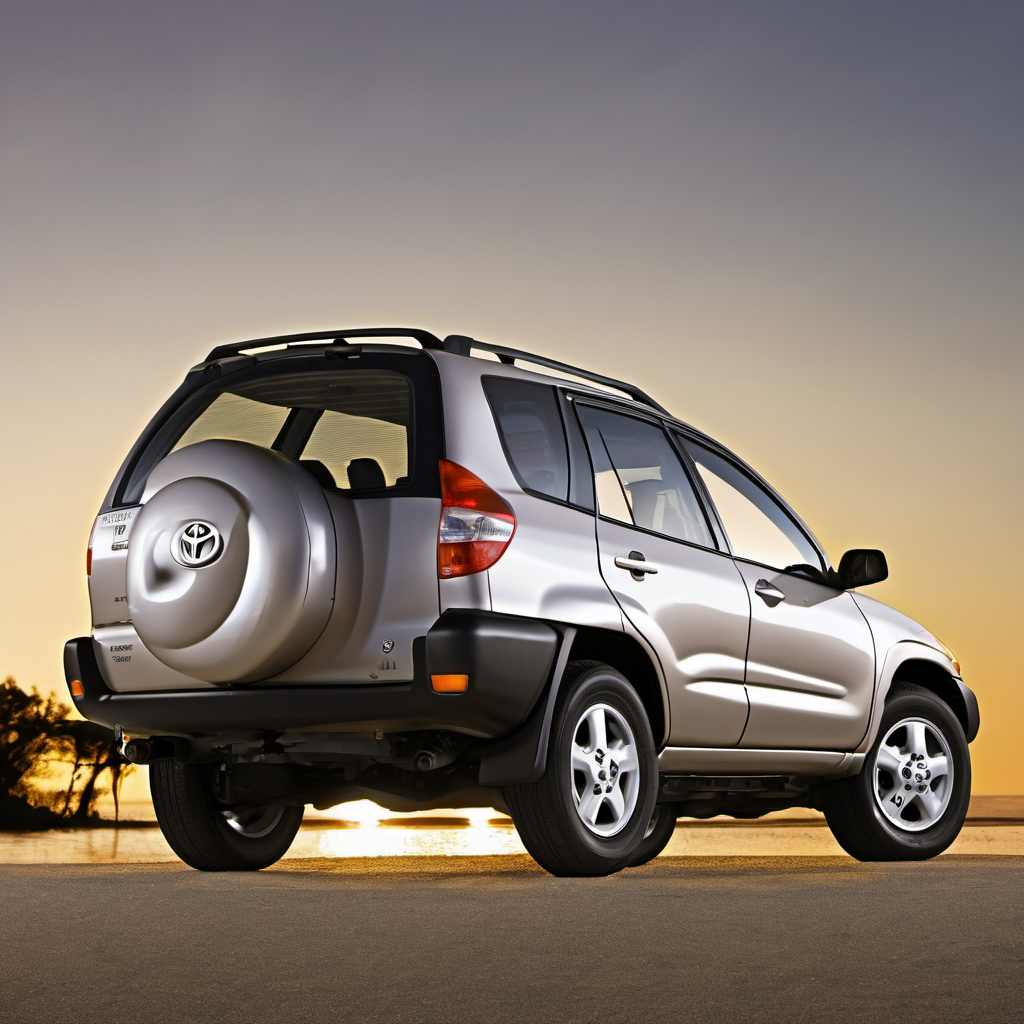
2003 Honda CR-V SUV

2003 Honda

CR-VSUV

SUV

The 2003 Honda CR-V is a second-generation (2002–2006) compact SUV that hit a sweet spot between practicality and efficiency. Honda replaced the first-gen's gutless B-series engine with the 2.4L K24 four-cylinder, giving the CR-V a meaningful boost in power and torque without sacrificing reliability. It rides on a car-based platform, drives more like a tall wagon than a truck, and handles Wisconsin roads with confidence. By 2003 the CR-V had already earned a reputation as one of the most sensible used-car purchases in its class. The interior is cleverly packaged — that fold-flat magic seat in the cargo area is still useful today — and most examples logged 200k+ miles with nothing more than oil changes and timing chain service. These trucks aged gracefully, and well-kept examples are still worth owning. The main things that age against a 2003 CR-V are its age itself: rubber seals, suspension bushings, and underbody components are all 20+ years old on any surviving example. Wisconsin salt exposure is the real enemy here. Mechanically the K24 engine is a known quantity and parts are cheap. If the body and undercarriage are solid, this is still a very usable daily driver.

Reliability
4/5
Verified data
Specs shown for CR-V 2WD — the most common configuration. Other trims may vary in engine, drivetrain, or fuel economy. Sign in to see your vehicle's exact specs.
Engine
[object Object]
Drivetrain
FWD
Fuel
Gasoline
MPG
20 city / 26 hwy / 22 combined
Seats
Doors
Body
Sport Utility Vehicle - 2WD

Overview

AI-curated

The 2003 Honda CR-V is a second-generation (2002–2006) compact SUV that hit a sweet spot between practicality and efficiency. Honda replaced the first-gen's gutless B-series engine with the 2.4L K24 four-cylinder, giving the CR-V a meaningful boost in power and torque without sacrificing reliability. It rides on a car-based platform, drives more like a tall wagon than a truck, and handles Wisconsin roads with confidence. By 2003 the CR-V had already earned a reputation as one of the most sensible used-car purchases in its class. The interior is cleverly packaged — that fold-flat magic seat in the cargo area is still useful today — and most examples logged 200k+ miles with nothing more than oil changes and timing chain service. These trucks aged gracefully, and well-kept examples are still worth owning. The main things that age against a 2003 CR-V are its age itself: rubber seals, suspension bushings, and underbody components are all 20+ years old on any surviving example. Wisconsin salt exposure is the real enemy here. Mechanically the K24 engine is a known quantity and parts are cheap. If the body and undercarriage are solid, this is still a very usable daily driver.

Known for
  • Reliable K24 2.4L four-cylinder with strong longevity record
  • Car-like ride quality and easy maneuverability
  • Clever interior packaging with fold-flat rear seat
  • Respectable fuel economy for its class and era
Best for
  • Buyers wanting a low-drama, affordable daily driver
  • Light-duty hauling and family errands
  • Drivers who prioritize long-term reliability over performance
  • First-time SUV owners or commuters
Watch for
  • 20+ years of potential rust and salt damage underneath
  • High-mileage timing chain stretch if oil changes were skipped
  • Worn suspension bushings and ball joints common at this age
  • Air conditioning systems that may need recharge or compressor work after two decades

Common issues by mileage

6 known

Timing chain stretch / VTC actuator rattle

medium
Typically appears
100k–180k mi
Estimated repair
$400 – $900

Oil consumption (K24 rings)

medium
Typically appears
80k–150k mi
Estimated repair
$100 – $500

Front suspension wear — ball joints, sway bar links, bushings

high
Typically appears
80k+ mi
Estimated repair
$200 – $600

Rear differential fluid breakdown (AWD models) — not applicable to this FWD example, but inspect if AWD

low
Typically appears
60k–100k mi
Estimated repair
$80 – $180

Air conditioning compressor failure

medium
Typically appears
100k+ mi
Estimated repair
$500 – $1,100

Rust and corrosion — subframe, brake lines, exhaust (Wisconsin salt exposure)

high
Typically appears
Any mileage, age-driven
Estimated repair
$300 – $2,500

Maintenance schedule

  1. 1
    Every 5,000 miles or 6 months Engine oil and filter change

    The K24 engine's timing chain tensioner and VTC actuator are oil-pressure dependent. Skipping or stretching oil changes is the #1 cause of timing chain noise and premature wear on this engine.

  2. 2
    Every 30,000 miles Transmission fluid change (automatic)

    Honda 5-speed automatics from this era are sensitive to fluid condition. Use Honda-spec ATF. Dark or burnt fluid accelerates clutch pack wear.

  3. 3
    Every 30,000 miles Spark plugs

    The K24 uses iridium-tipped plugs but at this age they should be inspected regardless. Worn plugs reduce fuel economy and can cause misfires.

  4. 4
    Every 5 years or 60,000 miles Coolant flush

    Degraded coolant becomes acidic and attacks aluminum components. Critical in Wisconsin where freeze protection must be verified before winter.

  5. 5
    Every 2–3 years Brake fluid flush

    Brake fluid absorbs moisture over time, lowering its boiling point. On a 20-year-old vehicle, this is especially important — the fluid is likely long overdue.

  6. 6
    Every 2 years or at each brake service Inspect and lubricate brake caliper slide pins

    Seized slide pins cause uneven pad wear and premature rotor damage. Very common on vehicles exposed to road salt.

  7. 7
    Every year, ideally before winter Underbody inspection for rust — brake lines, fuel lines, subframe

    This is a 20+ year old vehicle in a salt-belt state. A rusted brake line is a safety emergency. Annual inspection catches problems before they become catastrophic.

  8. 8
    Every 15,000–20,000 miles Cabin and engine air filter replacement

    Clogged engine filter hurts fuel economy. A dirty cabin filter restricts airflow to the heater — critical for defrost performance in Wisconsin winters.

Always defer to the manufacturer's service manual for warranty-mandated intervals.

Cost of ownership

Annual maintenance
$500 – $1,200
Fuel
At ~22 MPG combined and typical Lake Geneva driving, expect roughly $1,800–$2,400/year based on current regional gas prices.
Insurance
Typically low — older compact SUV with modest book value. Expect $800–$1,400/year depending on driver profile and coverage level.

The 2003 CR-V is one of the cheaper compact SUVs to keep running. Parts are widely available, labor is straightforward, and independent shops can handle nearly everything. The wildcard at this age is surprise rust or deferred maintenance catch-up — budget extra in year one if history is unknown.
Seasonal care

Lake Geneva, WI
Winter
  • Test and replace the battery before temperatures drop below 20°F — cold-cranking amps drop sharply in sub-zero weather and a 20-year-old battery is a liability
  • Switch to winter washer fluid rated to at least -20°F; Lake Geneva salt spray will quickly exhaust a full reservoir
  • Install winter wiper blades to prevent snow and ice buildup from skipping across the windshield
  • Verify coolant freeze protection to at least -34°F with a test strip or refractometer before first hard freeze
  • Inspect rubber door and hatch seals — cracked seals on a 20-year-old vehicle let in moisture that freezes door panels shut
  • Check brake lines and connections for rust pitting before winter; a corroded line under road-salt stress can fail without warning
Summer
  • Check tire pressure monthly — pressure drops roughly 1 PSI per 10°F temperature change, and summer heat after a cold spring can leave tires under-inflated
  • Inspect the A/C system for proper cooling before July; recharge if needed and listen for compressor noise that indicates bearing wear
  • Check coolant level and condition — summer heat combined with a marginal cooling system can lead to overheating, especially at highway speeds
  • Inspect the serpentine belt for cracking or glazing; heat accelerates rubber aging on a 20+ year old vehicle

Comparable vehicles

If you're shopping for one

Red flags
  • Engine rattle on cold start that disappears after warm-up — timing chain or VTC actuator wear, not cheap to ignore
  • Visible rust holes or flaking on the subframe, control arms, or brake lines — walk away or price in major repairs
  • No maintenance records and high mileage (150k+) — deferred oil changes on the K24 cause expensive internal damage
  • Transmission that slips, hesitates, or clunks between gears — Honda automatics from this era don't tolerate neglect
  • Check engine light on — get a scan before purchasing; camshaft position codes (P0012) on a cold-start rattle vehicle mean timing chain service is due
What to inspect
  • Crawl under and look at the subframe, brake lines, fuel lines, and exhaust — salt damage here is a dealbreaker or a major negotiating point
  • Start the engine cold and listen for a rattling noise from the top of the engine in the first 5–10 seconds; this is a VTC actuator or timing chain issue
  • Check the oil dipstick for color and smell — black, gritty oil suggests deferred maintenance; a milky appearance means coolant contamination
  • Pull the transmission dipstick (if accessible) and smell the ATF — burnt smell means the transmission has been stressed
  • Test the A/C with a thermometer in a vent; should reach 40–45°F on a warm day. If it barely cools, budget for service
  • Open all doors, the hood, and the tailgate — check for rust in the door jambs, around the windshield, and under the spare tire well
AI profile generated 17 days ago · claude-sonnet-4-6 · v2.