Head Gasket Failure (External Coolant/Oil Seep or Internal Combustion Leak)
high- Typically appears
- 80–150k mi
- Estimated repair
- $1,400 – $2,200
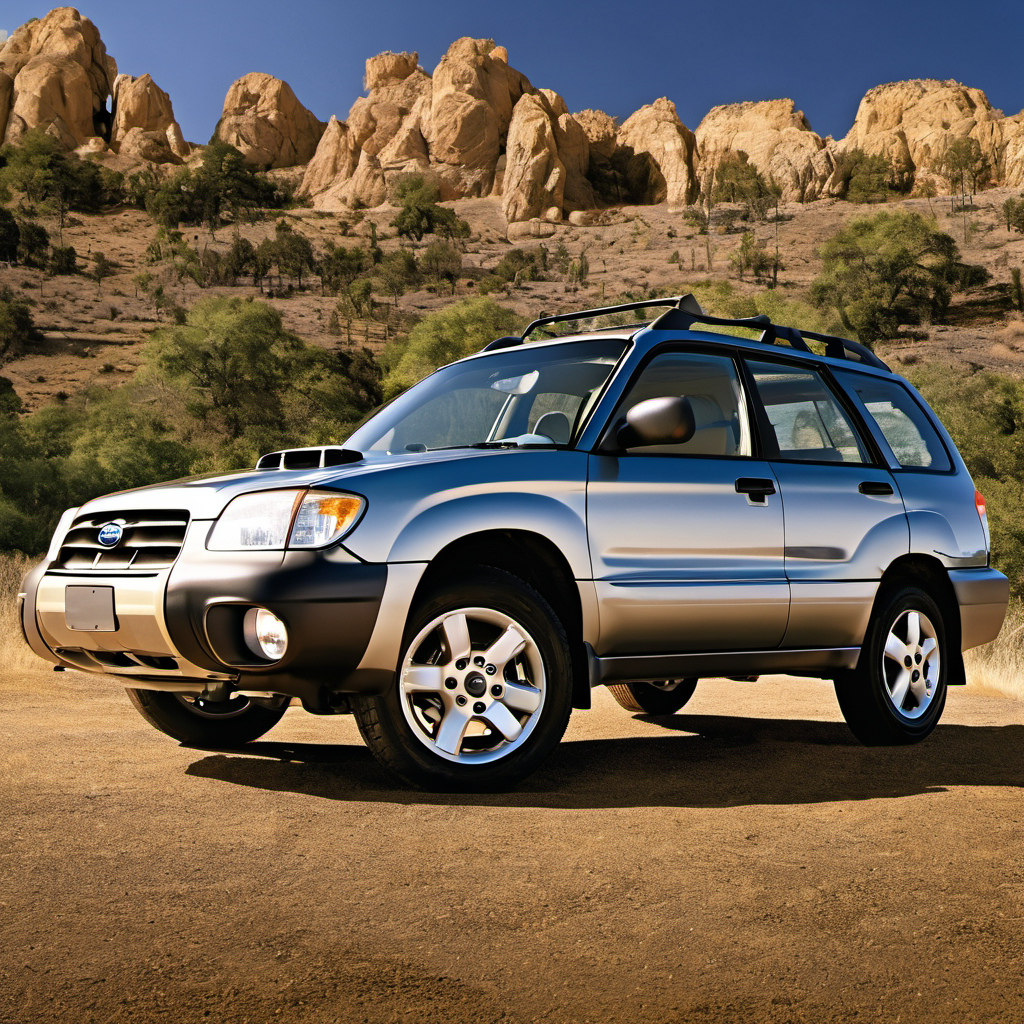
2003 Subaru
SUV
The 2003 Subaru Forester is a compact SUV built on a car platform, combining the practicality of a raised wagon with Subaru's full-time symmetrical AWD. It sits in the first generation (1998–2002 was Gen 1; the 2003 is part of the lightly refreshed continuation before the Gen 2 redesign in 2004), offering a tall roofline, good cargo room, and a driver-focused feel that's closer to a sedan than a body-on-frame truck. Powered by the 2.5L naturally aspirated flat-four (EJ253 family), the non-turbo Forester is modest on power but dead-reliable by Subaru standards when properly maintained. The symmetrical AWD system is genuinely capable in Wisconsin snow — it's not just marketing. Fuel economy is average for the era, and the driving position gives excellent visibility. The biggest ownership concern on this generation is head gasket failure on the 2.5L engine, a well-documented Subaru issue that can become expensive if ignored. Buyers and current owners alike need to stay on top of coolant condition and watch for early symptoms. Otherwise, a well-kept 2003 Forester can run well past 200,000 miles.
The 2003 Subaru Forester is a compact SUV built on a car platform, combining the practicality of a raised wagon with Subaru's full-time symmetrical AWD. It sits in the first generation (1998–2002 was Gen 1; the 2003 is part of the lightly refreshed continuation before the Gen 2 redesign in 2004), offering a tall roofline, good cargo room, and a driver-focused feel that's closer to a sedan than a body-on-frame truck. Powered by the 2.5L naturally aspirated flat-four (EJ253 family), the non-turbo Forester is modest on power but dead-reliable by Subaru standards when properly maintained. The symmetrical AWD system is genuinely capable in Wisconsin snow — it's not just marketing. Fuel economy is average for the era, and the driving position gives excellent visibility. The biggest ownership concern on this generation is head gasket failure on the 2.5L engine, a well-documented Subaru issue that can become expensive if ignored. Buyers and current owners alike need to stay on top of coolant condition and watch for early symptoms. Otherwise, a well-kept 2003 Forester can run well past 200,000 miles.
The EJ25 is an interference engine — if the timing belt snaps, pistons collide with valves and the engine is destroyed. At this vehicle's age, confirm the last replacement date and mileage. If unknown, do it now.
Fresh coolant with the correct conditioner additive helps protect the head gasket sealing surfaces — a known weak point on the 2.5L EJ series. Do not use generic green antifreeze; use the correct blue or pink long-life formula with conditioner.
The flat-four engine relies on good oil circulation to the horizontally-mounted cylinders. Shorter intervals reduce sludge and oil consumption issues that develop at higher mileage. Synthetic oil is especially important for cold Wisconsin starts.
The 4EAT automatic is sensitive to degraded fluid. Dark or burnt-smelling fluid is an early warning sign. Do not use a flush machine — drain and fill only to avoid disturbing sediment in older units.
The viscous-coupled AWD system depends on clean fluid. Neglected fluid leads to premature wear in the rear differential. Especially important if the vehicle has been used in mud or water.
Wisconsin road salt accelerates bushing deterioration and corrodes brake hardware. Torn CV boots allow grease loss and grit entry, leading to axle failure. Catch these early — they're cheap to fix when caught before failure.
Salt trapped in subframe seams and rocker panels causes structural rust that can make otherwise sound vehicles unrepairable. Pressure wash undercarriage at the end of winter and inspect subframe mounting points carefully.
A battery that tests fine in summer can fail to crank the flat-four at sub-zero temperatures. The EJ25 needs a strong battery for cold starts. Replace proactively if the battery is 4+ years old.
Always defer to the manufacturer's service manual for warranty-mandated intervals.
The 2003 Forester is inexpensive to insure and fuel. Annual maintenance stays reasonable ($600–$900) when the vehicle is caught up on timing belt, coolant, and fluids. Budget the high end ($1,200–$1,400) in any year that includes a major service like timing belt or head gasket work. The head gasket job, if it hasn't been done, is a one-time but unavoidable cost on the 2.5L — plan for it.
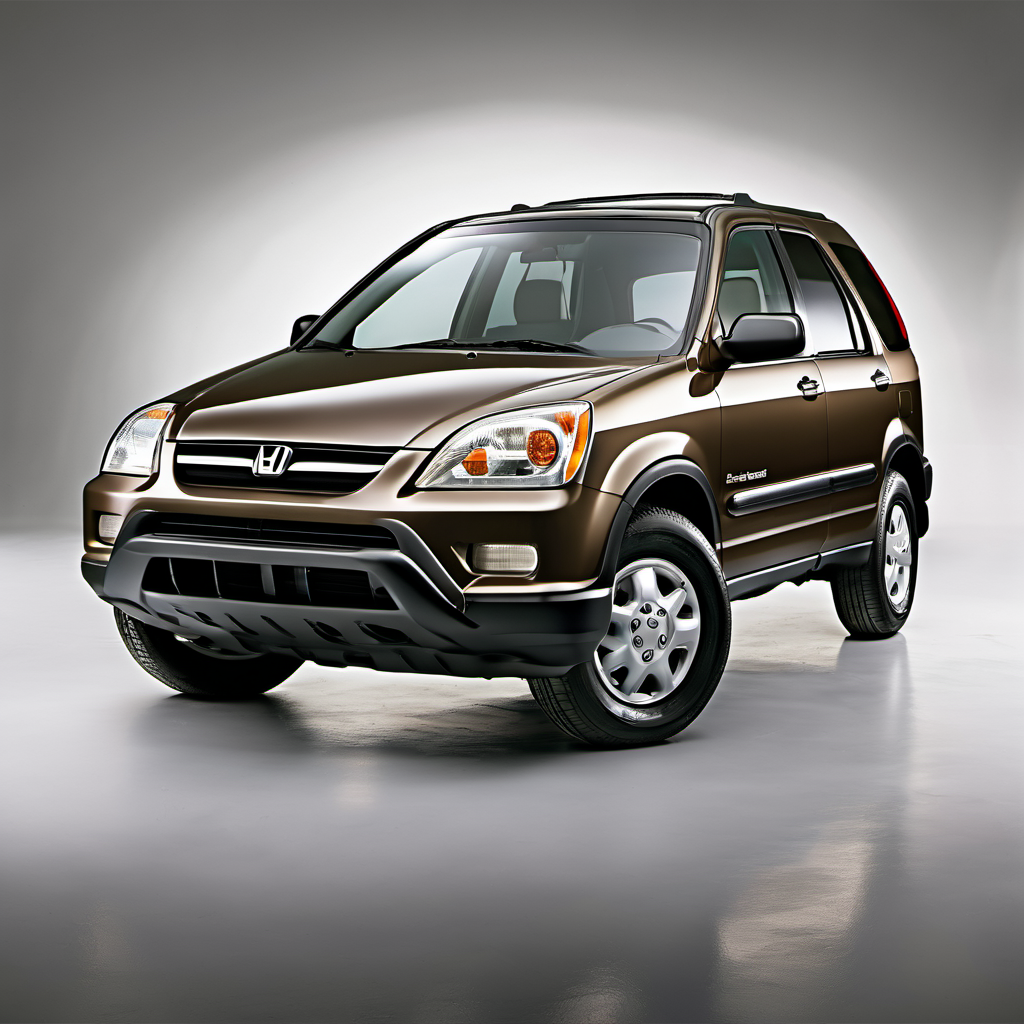
Same compact AWD crossover segment, similar price used, very reliable, but uses a real-time AWD system that's less capable in deep snow — a meaningful trade-off for Wisconsin buyers.
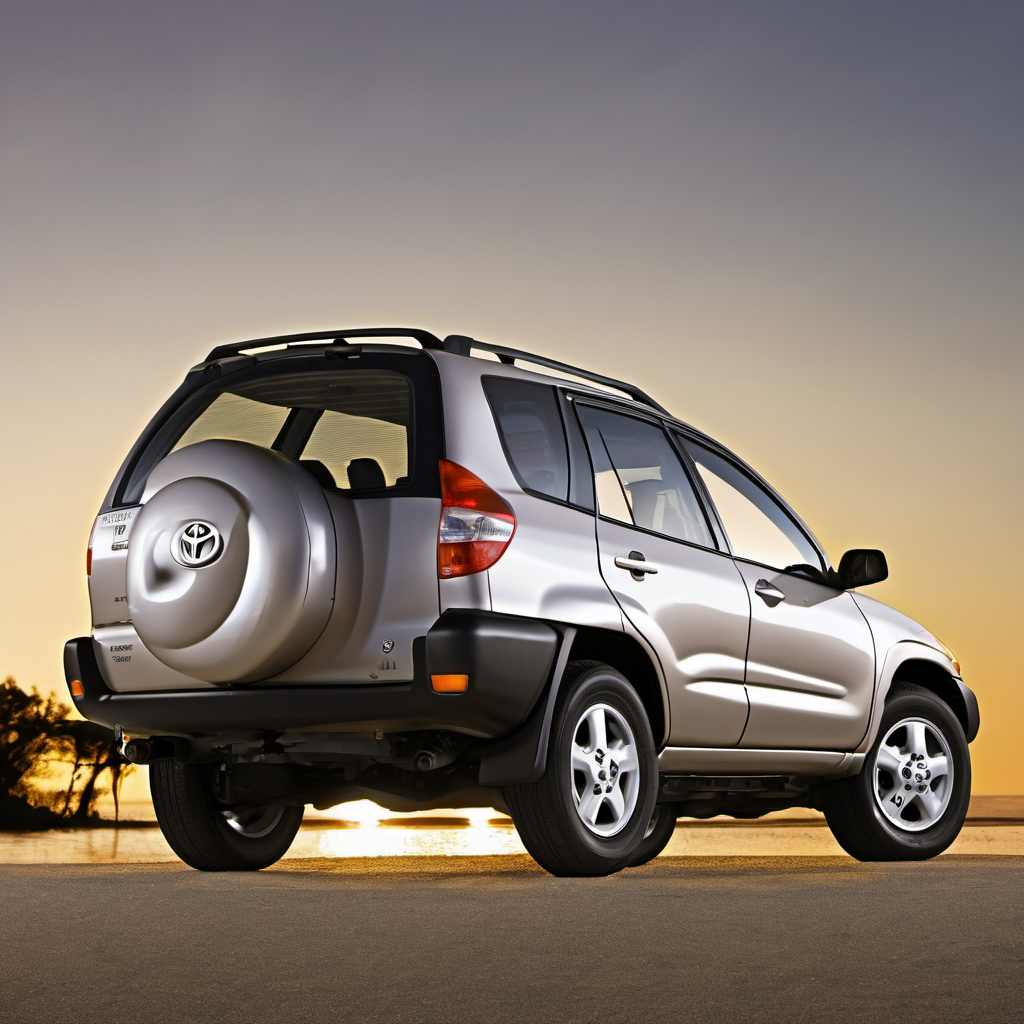
Similar size and mission, excellent long-term reliability, available AWD. Less cargo headroom than the Forester's tall roofline, but the drivetrain is arguably more worry-free.
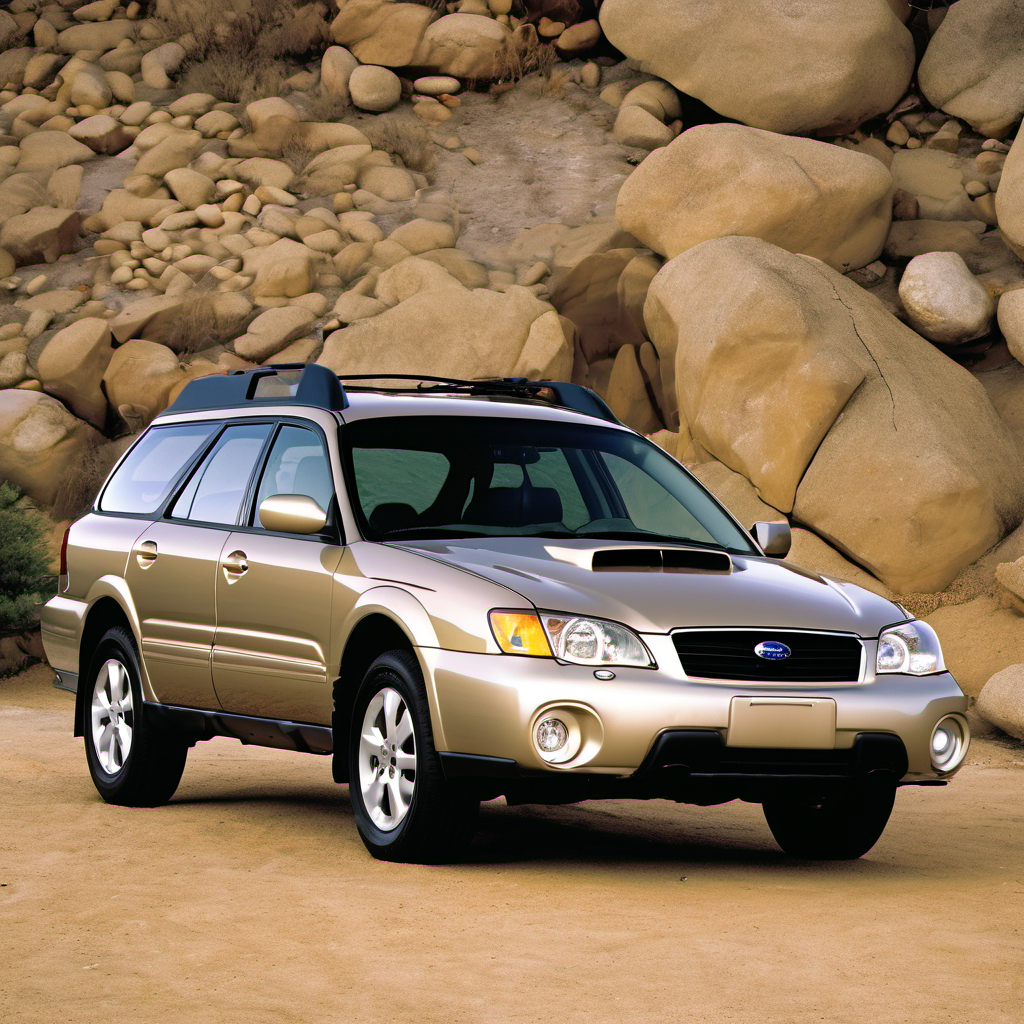
Same EJ25 engine and AWD platform, more wagon-like stance with higher ground clearance. Has the same head gasket concern but offers a slightly longer wheelbase and more highway comfort.
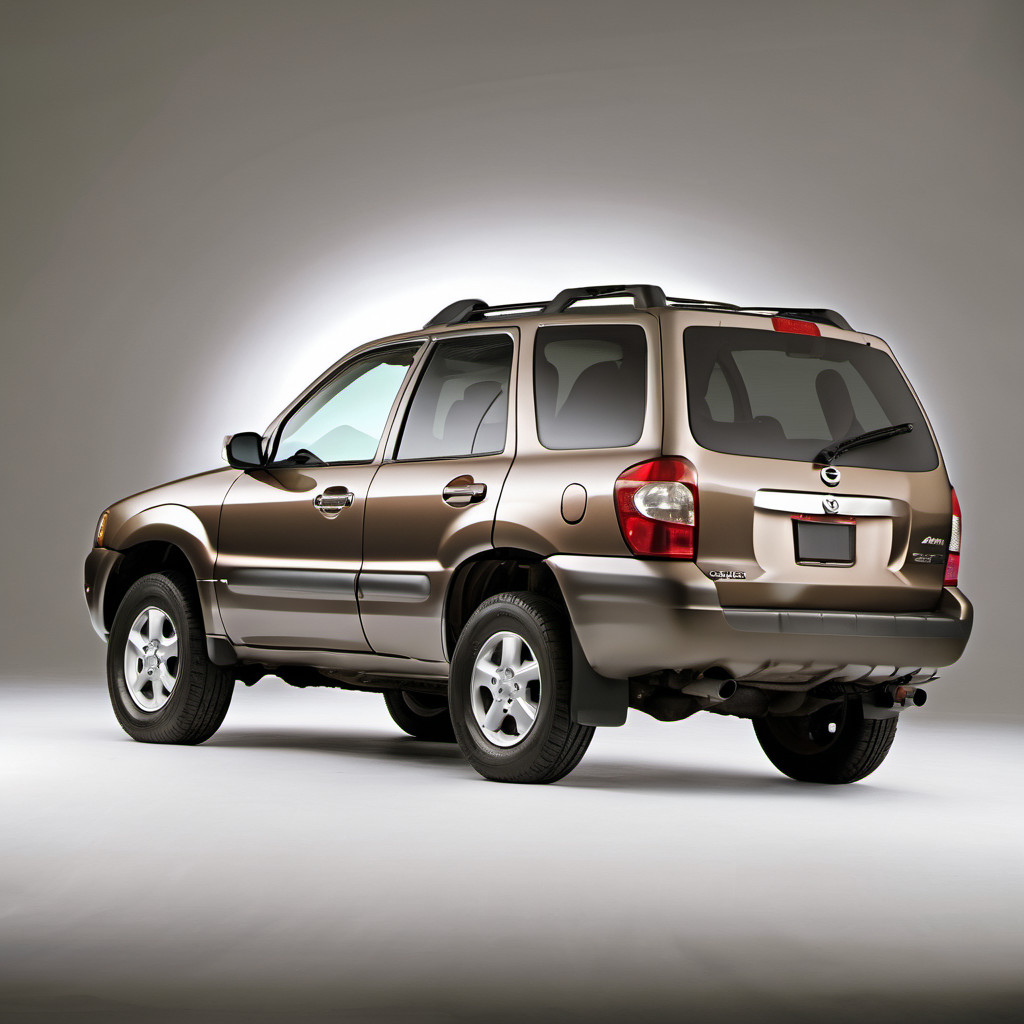
Priced similarly on the used market, available AWD, Ford Escape platform underneath. Less proven in extreme snow than the Subaru's symmetrical AWD, but fewer head gasket concerns.