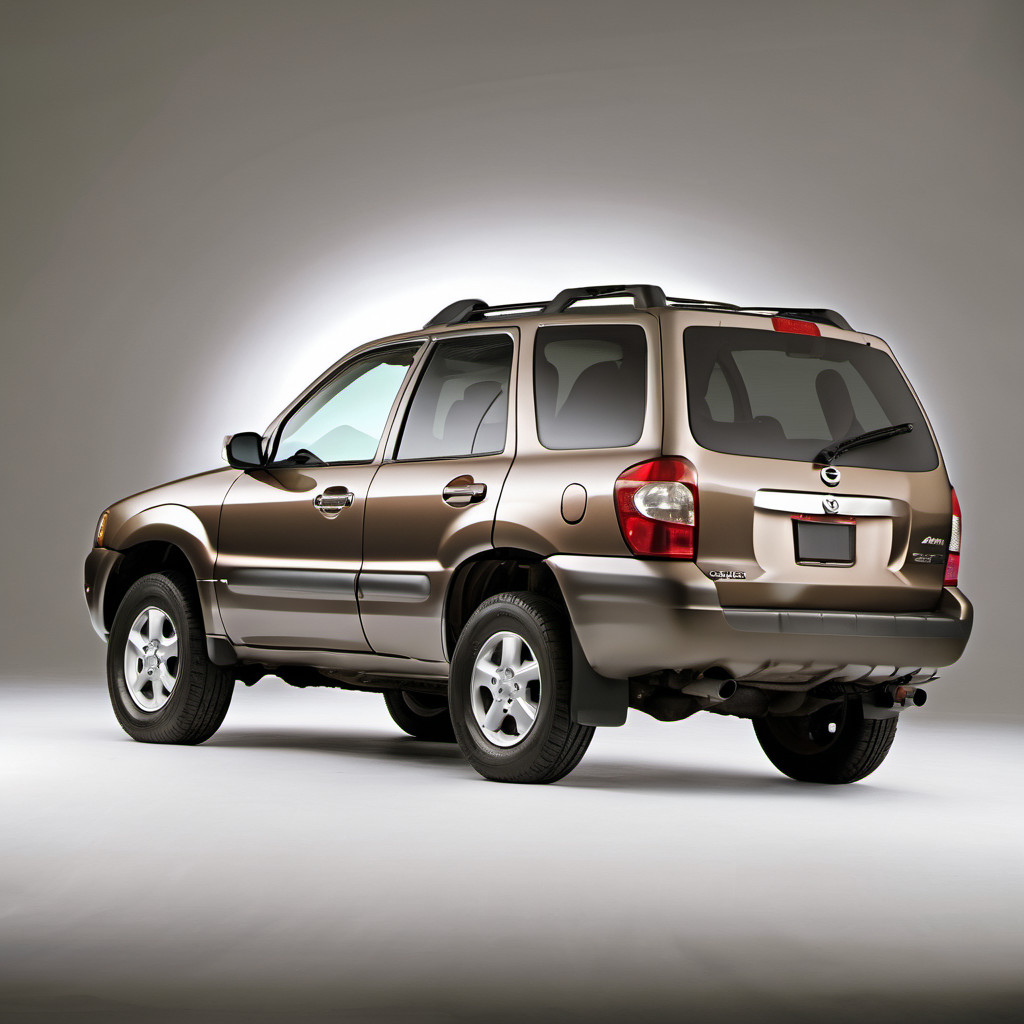
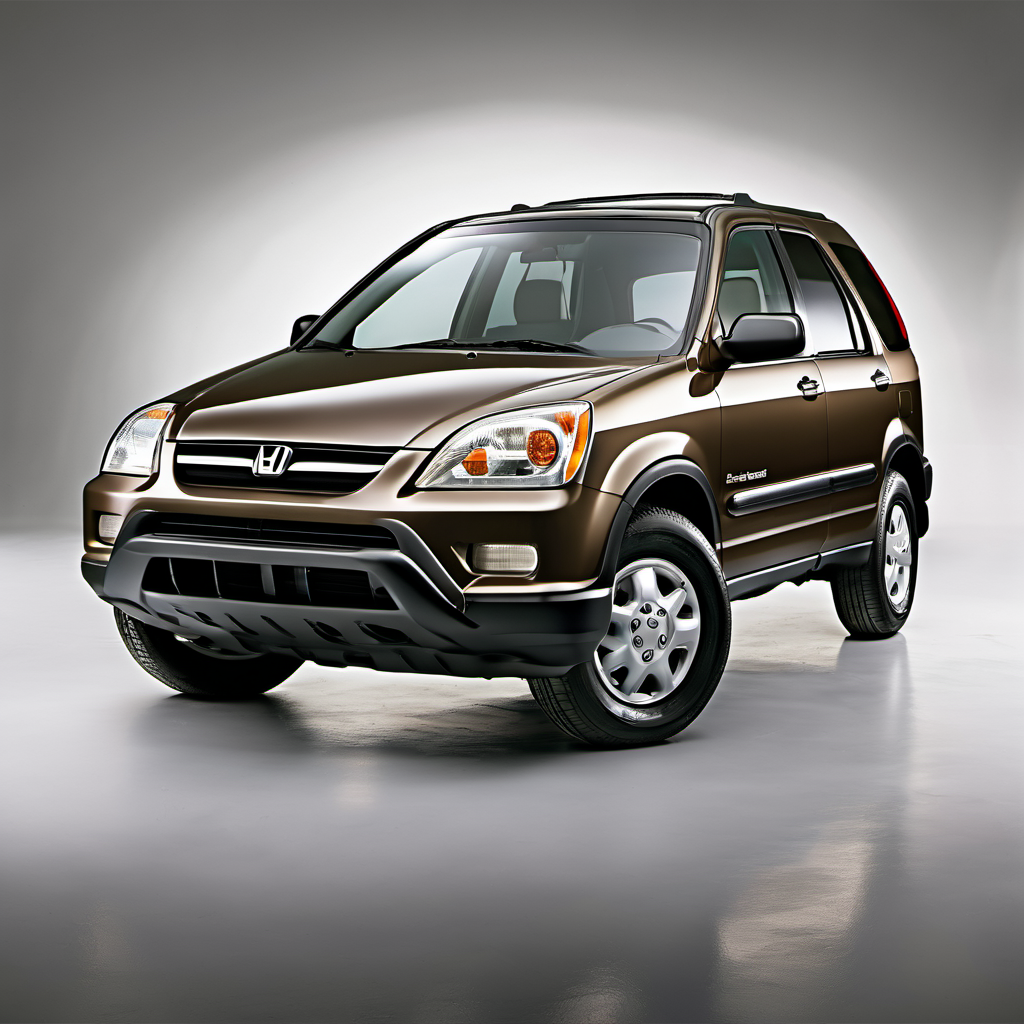
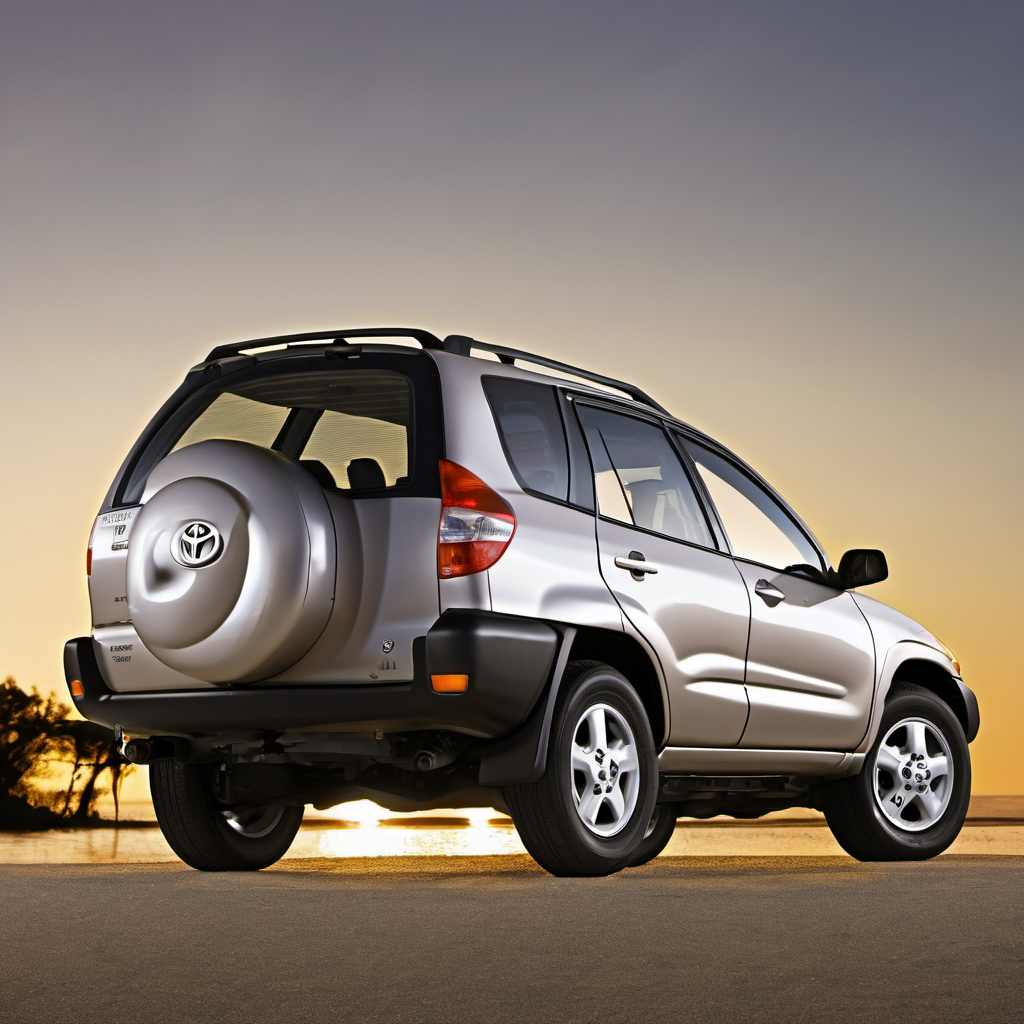
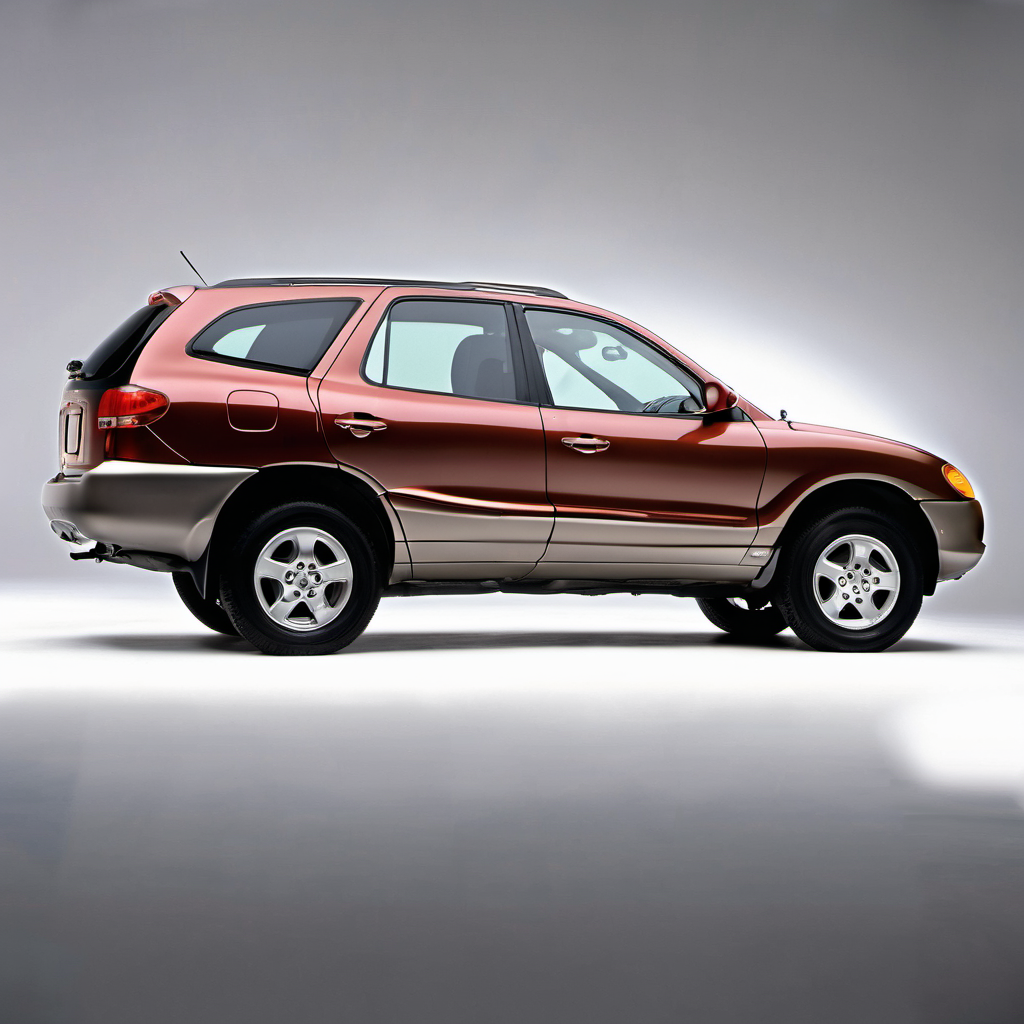
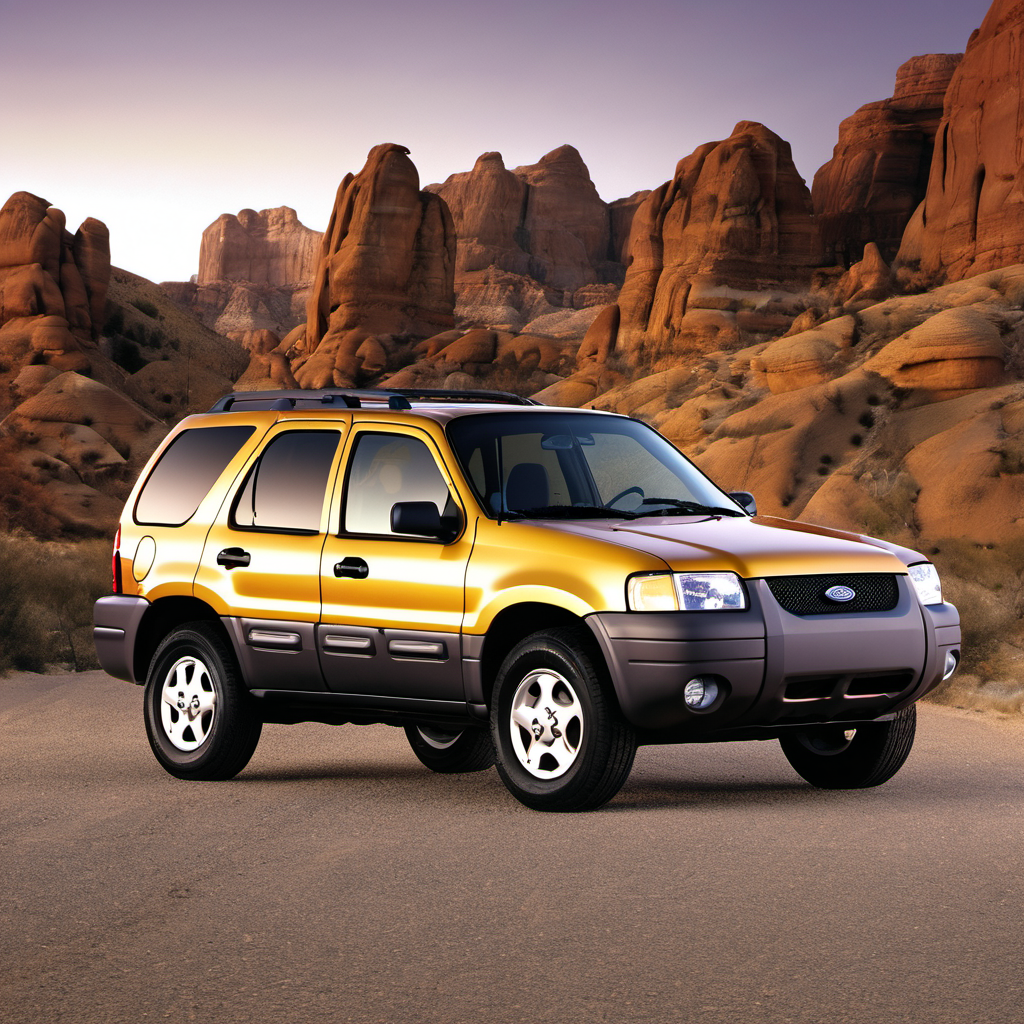
2003 MAZDA Tribute SUV

2003 MAZDA

TributeSUV

SUV

The 2003 Mazda Tribute is a compact SUV built on the same platform as the Ford Escape, developed through a Mazda-Ford joint venture. It was Mazda's entry into the growing compact SUV segment and offered a car-like ride with a reasonably practical interior. The 2.0L four-cylinder version paired with FWD is the most fuel-efficient configuration in the lineup and suits buyers who prioritize economy over towing or off-road capability. By 2003, the Tribute had settled into its first-generation form with minor refinements. It competes well on interior space and driving dynamics for its era, though it lags behind newer designs in safety features and technology. At this age, condition and maintenance history matter far more than the model's reputation. Parts availability is good thanks to the shared Ford Escape platform — many components are interchangeable, which keeps repair costs lower than a purely Mazda-exclusive design would suggest.

Reliability
3/5
Verified data
Specs shown for Tribute 2WD — the most common configuration. Other trims may vary in engine, drivetrain, or fuel economy. Sign in to see your vehicle's exact specs.
Engine
[object Object]
Drivetrain
FWD
Fuel
Gasoline
MPG
20 city / 25 hwy / 22 combined
Seats
Doors
Body
Sport Utility Vehicle - 2WD

Overview

AI-curated

The 2003 Mazda Tribute is a compact SUV built on the same platform as the Ford Escape, developed through a Mazda-Ford joint venture. It was Mazda's entry into the growing compact SUV segment and offered a car-like ride with a reasonably practical interior. The 2.0L four-cylinder version paired with FWD is the most fuel-efficient configuration in the lineup and suits buyers who prioritize economy over towing or off-road capability. By 2003, the Tribute had settled into its first-generation form with minor refinements. It competes well on interior space and driving dynamics for its era, though it lags behind newer designs in safety features and technology. At this age, condition and maintenance history matter far more than the model's reputation. Parts availability is good thanks to the shared Ford Escape platform — many components are interchangeable, which keeps repair costs lower than a purely Mazda-exclusive design would suggest.

Known for
  • Shared Ford Escape platform with strong parts availability
  • Car-like handling for a compact SUV
  • Practical cargo area and usable rear seat
  • Relatively good fuel economy for the era
Best for
  • Budget-conscious buyers needing a small SUV
  • Light daily driving and errands
  • Buyers comfortable doing routine maintenance
  • Owners who want access to affordable, widely available parts
Watch for
  • Rust on underbody, frame rails, and wheel wells — especially critical in Wisconsin
  • High-mileage examples with deferred maintenance
  • Aging plastic intake components and gaskets
  • Transmission wear on high-mileage units

Common issues by mileage

6 known

Intake manifold runner control (IMRC) failure

high
Typically appears
80–140k mi
Estimated repair
$150 – $400

Oxygen sensor failure or heater circuit fault

high
Typically appears
80–150k mi
Estimated repair
$120 – $280

Thermostat failure / coolant temperature issues

medium
Typically appears
70–120k mi
Estimated repair
$80 – $180

Automatic transmission slipping or rough shifts

medium
Typically appears
100–160k mi
Estimated repair
$300 – $2,200

Underbody / wheel well rust (structural concern in Midwest)

high
Typically appears
Any mileage — age-driven
Estimated repair
$500 – $3,000

Power window regulator failure

medium
Typically appears
80–130k mi
Estimated repair
$120 – $300

Maintenance schedule

  1. 1
    Every 5,000 miles or 6 months Engine oil and filter change

    The 2.0L I4 is oil-change sensitive — dirty oil accelerates wear on valve train and piston rings on higher-mileage engines. Use the manufacturer-specified viscosity.

  2. 2
    Every 30,000 miles Automatic transmission fluid change

    Mazda/Ford recommends longer intervals, but at this age and mileage, fresh fluid every 30k is cheap insurance against the transmission wear this platform is known for. Do not flush a high-mileage unit that has never been serviced — a drain-and-fill is safer.

  3. 3
    Every 30,000 miles or 2 years Coolant flush

    Degraded coolant accelerates corrosion inside the cooling system. A 20-year-old vehicle needs fresh coolant and an inspection of hoses and clamps.

  4. 4
    Every 60,000 miles Spark plugs replacement

    Worn plugs cause misfires, poor economy, and hard starting in cold Wisconsin winters. Inspect plug threads for corrosion on removal.

  5. 5
    Every 2 years Brake fluid flush

    Brake fluid is hygroscopic and absorbs moisture. In sub-zero temps, this can contribute to corrosion in brake lines — already a concern on a 20-year-old Midwestern vehicle.

  6. 6
    Every spring (after road-salt season) Underbody rust inspection and treatment

    Wisconsin road salt is the primary life-limiting factor on a 2003 Tribute. Annual inspection of the frame rails, subframe mounts, brake lines, and fuel lines can catch rust before it becomes structural.

  7. 7
    Every 15,000–20,000 miles Air filter replacement

    A clogged air filter hurts fuel economy and can contribute to rough idle on an already aging engine.

  8. 8
    Every fall / annually Battery test and terminal cleaning

    Cold cranking demand in a Wisconsin winter can expose a marginal battery that functions fine in warm weather. A battery over 4–5 years old should be tested before November.

Always defer to the manufacturer's service manual for warranty-mandated intervals.

Cost of ownership

Annual maintenance
$600 – $1,400
Fuel
At 22 MPG combined and ~12,000 miles/year, expect roughly $1,600–$1,900/year in fuel costs at current Wisconsin gas prices. FWD keeps it on the lower end of running costs.
Insurance
Typically low — this is an older compact SUV with modest values. Liability-only coverage is common for vehicles at this price point and age.

A 2003 Tribute is cheap to insure and moderately cheap to fuel. Maintenance costs are reasonable when parts are sourced using Ford Escape cross-compatibility. The real financial wildcard is rust repair or transmission work — either can cost more than the vehicle's current market value. Budget for surprises on any example at this age.
Seasonal care

Lake Geneva, WI
Winter
  • Test the battery every fall — cold cranking amps drop sharply below 0°F and a weak battery will fail to start a carbureted engine in a Wisconsin January.
  • Switch to a full-synthetic oil if not already using one; it flows better at sub-zero temperatures and reduces cold-start wear.
  • Inspect and replace wiper blades with winter-rated blades before the first freeze; fill washer fluid reservoir with -20°F or colder rated fluid.
  • Check brake lines and fuel lines for rust pinholes before winter — road salt will exploit any existing corrosion aggressively.
  • Keep the fuel tank at least half full during cold snaps to reduce moisture condensation in the fuel system.
  • Rinse the underbody regularly at a touchless car wash after salt events to slow corrosion on this already-aging vehicle.
Summer
  • Check tire pressure monthly — tires lose roughly 1 PSI for every 10°F drop and gain similarly in heat; over-inflation in summer can cause uneven wear.
  • Inspect the A/C system for refrigerant leaks and proper cooling — the compressor and seals on a 20-year-old vehicle may need attention.
  • Check coolant level and condition; heat soak in summer traffic stresses an aging cooling system more than highway driving.
  • Inspect belts and hoses for cracking or softening — heat accelerates rubber degradation on older components.

Comparable vehicles

If you're shopping for one

Red flags
  • Rust holes or severe scaling on frame rails, subframe, or brake lines — walk away
  • Transmission that slips, hunts for gears, or has never had fluid changed on a 100k+ mile example
  • Overheating history or milky oil (head gasket failure)
  • Check-engine light that reappears immediately after being cleared
  • Any structural rust repair that has been painted over without proper treatment
What to inspect
  • Frame rails and subframe mounting points for rust perforation — poke with a screwdriver if needed
  • Brake lines and fuel lines for rust pitting or bubbling under the vehicle
  • Transmission behavior: smooth upshifts, no slipping, no shudder on light throttle
  • Underside of wheel arches for rust that has migrated into the body structure
  • Coolant condition (should not be brown or oily) and check for signs of head gasket seepage
  • Oxygen sensor and check-engine light history — codes P0030–P0036 are common on aged examples
AI profile generated 15 days ago · claude-sonnet-4-6 · v2.