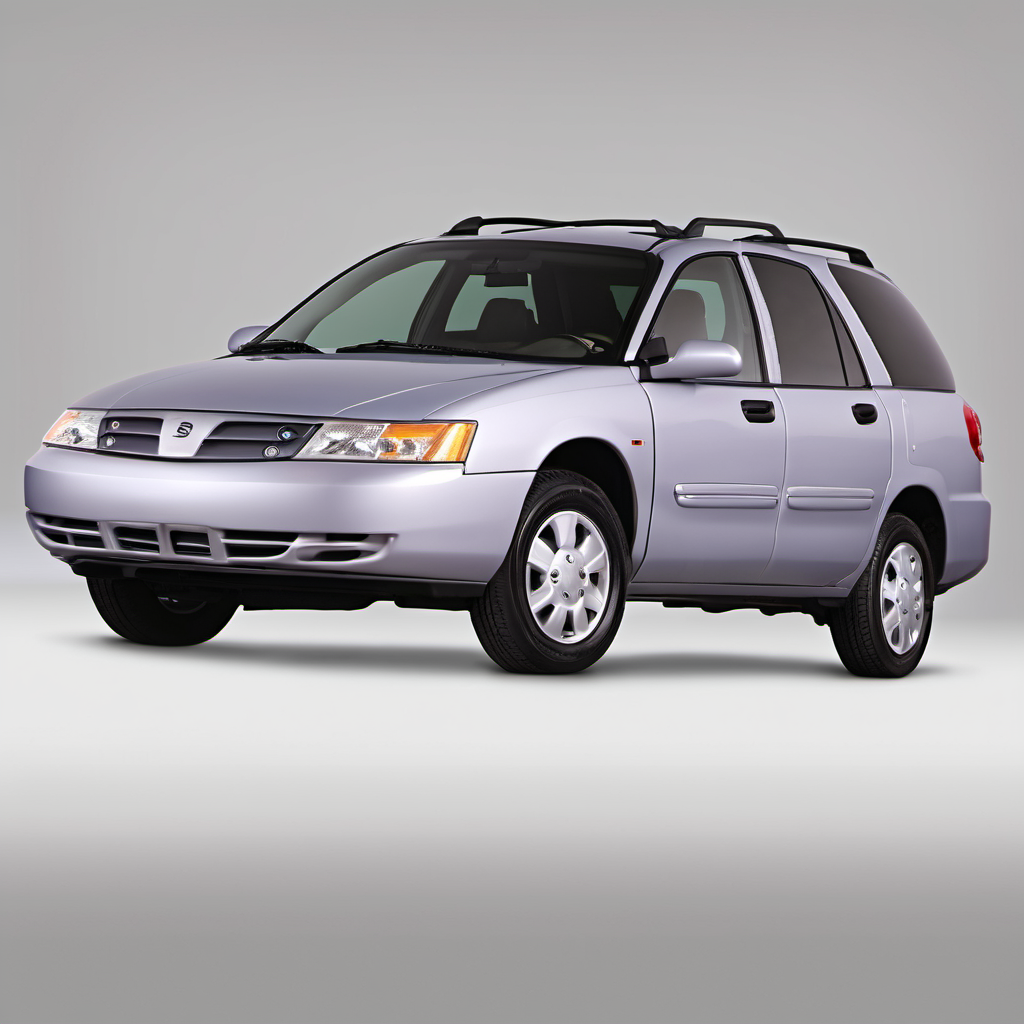
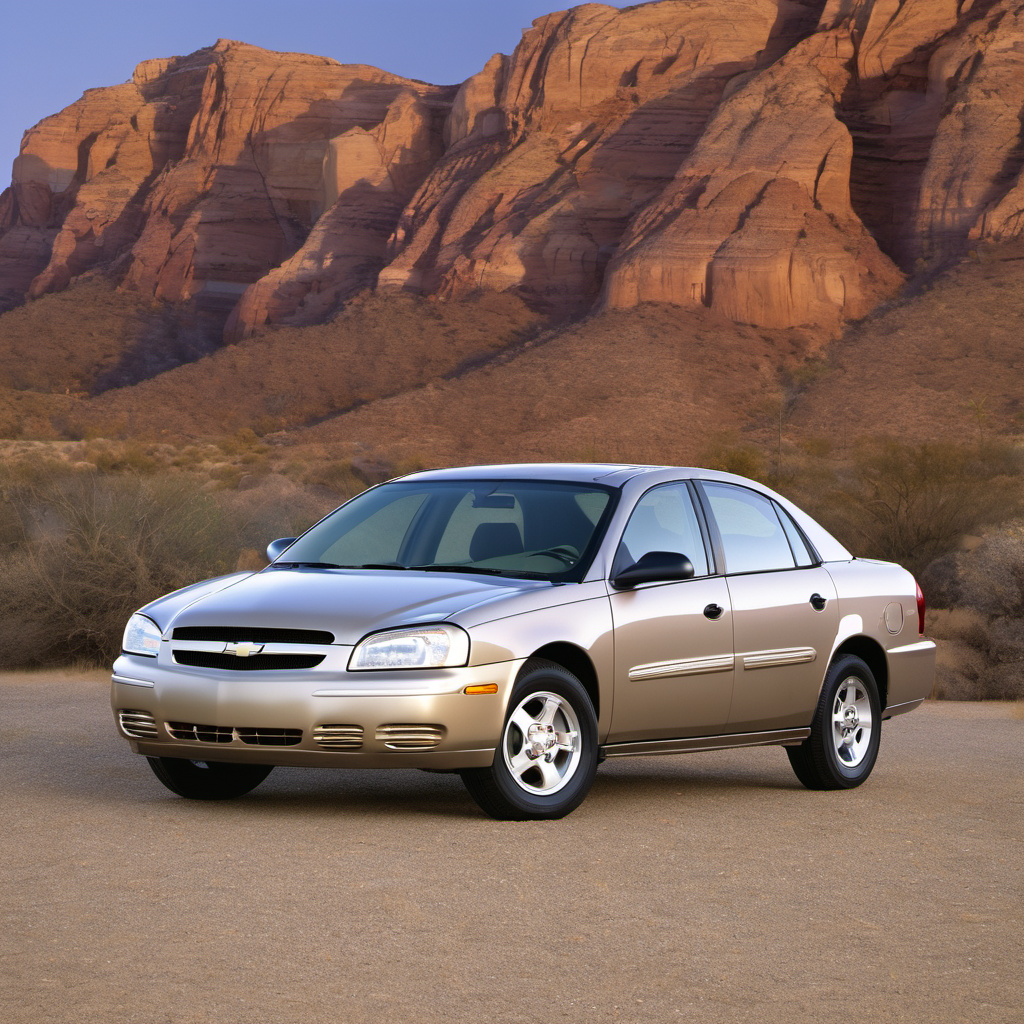
2003 Saturn L-Series Sedan

2003 Saturn

L-SeriesSedan

2.2L I4 · Sedan

The 2003 Saturn L-Series is a compact-to-midsize front-wheel-drive sedan that shared its platform with the Opel Vectra, making it one of the more globally engineered Saturns of its era. It was offered with a 2.2L inline-4 or a 3.0L V6, and was positioned as a step up from Saturn's plastic-panel S-Series. Build quality and feature content improved over earlier Saturns, but the L-Series never captured strong sales or enthusiast loyalty before Saturn discontinued the nameplate entirely in 2005. By 2003, the L-Series was at the tail end of its production run, and it shows in parts availability and shop support. Opel-sourced components (especially electrical and HVAC) can be harder to source than domestic equivalents, and independent shops need to be aware of the European engineering DNA under the skin. That said, owners who keep up with basic maintenance can get reasonable mileage out of these cars. At 20+ years old, most surviving L-Series examples have high mileage and varying maintenance histories. Rust is a serious concern for any Wisconsin-kept example — the body panels are steel (unlike the S-Series), and the upper Midwest's road salt accelerates corrosion on the subframe, brake lines, and wheel wells. Buy carefully and inspect thoroughly.

Reliability
2/5
Verified data
Engine
2.2L I4
Drivetrain
FWD
Fuel
Gasoline
MPG
24 city / 32 hwy / 27 combined
Seats
5
Doors
4
Body
Sedan
MSRP
$18,795

Overview

AI-curated

The 2003 Saturn L-Series is a compact-to-midsize front-wheel-drive sedan that shared its platform with the Opel Vectra, making it one of the more globally engineered Saturns of its era. It was offered with a 2.2L inline-4 or a 3.0L V6, and was positioned as a step up from Saturn's plastic-panel S-Series. Build quality and feature content improved over earlier Saturns, but the L-Series never captured strong sales or enthusiast loyalty before Saturn discontinued the nameplate entirely in 2005. By 2003, the L-Series was at the tail end of its production run, and it shows in parts availability and shop support. Opel-sourced components (especially electrical and HVAC) can be harder to source than domestic equivalents, and independent shops need to be aware of the European engineering DNA under the skin. That said, owners who keep up with basic maintenance can get reasonable mileage out of these cars. At 20+ years old, most surviving L-Series examples have high mileage and varying maintenance histories. Rust is a serious concern for any Wisconsin-kept example — the body panels are steel (unlike the S-Series), and the upper Midwest's road salt accelerates corrosion on the subframe, brake lines, and wheel wells. Buy carefully and inspect thoroughly.

Known for
  • Opel Vectra-based platform with European engineering character
  • Available 3.0L V6 with adequate performance for its class
  • Dent-resistant plastic body cladding on lower panels
  • Competitive feature content for its price when new
  • Short production run — discontinued after 2005
Best for
  • Budget-conscious buyers comfortable with older, lower-volume vehicles
  • Owners who want a simple daily driver and can do basic maintenance themselves
  • Someone already familiar with GM/Opel parts sourcing
Watch for
  • Rust on subframe, brake lines, and wheel wells — critical in Wisconsin
  • Electrical gremlins tied to aging Opel-sourced wiring and connectors
  • Limited parts availability as the car ages out of mainstream supply chains
  • Cooling system issues including thermostat housing and coolant leaks on the 2.2L
  • Transmission shift quality issues, particularly on the automatic

Common issues by mileage

6 known

Coolant leaks — thermostat housing and intake manifold gasket (2.2L)

high
Typically appears
70–130k mi
Estimated repair
$150 – $450

Oxygen sensor / heater circuit failure

medium
Typically appears
60–120k mi
Estimated repair
$120 – $350

Subframe and brake line corrosion (Wisconsin/salt-belt specific)

high
Typically appears
Any mileage on salt-exposed vehicles
Estimated repair
$400 – $2,500

Automatic transmission harsh shifting / slipping

medium
Typically appears
90–150k mi
Estimated repair
$250 – $2,800

CAN bus / module communication faults — aging wiring and connectors

medium
Typically appears
100k+ mi
Estimated repair
$150 – $900

Maintenance schedule

  1. 1
    Every 5,000 miles or 6 months Engine oil and filter change — use full synthetic 5W-30

    The 2.2L Ecotec is sensitive to oil sludge buildup. Extended drain intervals accelerate timing chain wear and can trigger camshaft position codes. Full synthetic is worth the extra cost on this engine.

  2. 2
    Every 50,000 miles or 5 years Coolant flush and thermostat housing inspection

    The plastic thermostat housing and coolant crossover on the 2.2L crack and leak with age. Catch it early — an overheated engine on this platform is expensive to repair.

  3. 3
    Every 45,000 miles Transmission fluid service (automatic)

    GM's 'lifetime fluid' recommendation is not realistic on a 20-year-old transmission. Fresh fluid helps maintain shift quality and extends transmission life.

  4. 4
    Every year, ideally before winter Brake line inspection — full undercarriage visual

    Wisconsin road salt eats steel brake lines from the inside out. A line failure is a safety emergency. Inspect every fall and replace any lines showing external corrosion or bubbling.

  5. 5
    Every 60,000 miles Spark plug replacement

    The 2.2L Ecotec uses iridium plugs rated for 60k. Neglected plugs increase misfires and strain the ignition coils.

  6. 6
    Every 60,000 miles or at first sign of cracking/squealing Serpentine belt and tensioner inspection

    Belt failure leaves you stranded and can damage accessories. The tensioner pulley bearing also wears on high-mileage examples.

  7. 7
    Every 20,000 miles or 2 years Cabin air filter and HVAC inspection

    The Opel-derived HVAC system uses components that are increasingly hard to find. Keeping the system clean reduces strain on the blower motor and evaporator.

  8. 8
    Every fall (before Wisconsin winter) Battery load test

    A battery that tests fine in September can fail at -10°F in January. The L-Series electrical system is already aging — a weak battery stresses modules and can trigger communication faults.

Always defer to the manufacturer's service manual for warranty-mandated intervals.

Cost of ownership

Annual maintenance
$600 – $1,800
Fuel
Expect roughly $1,800–$2,400/year based on 15,000 miles at current Midwest gas prices and EPA combined 27 MPG for the 2.2L.
Insurance
Low — older vehicle with low book value; liability-only coverage is common on examples in this price range. Full coverage may not be cost-effective.

On paper the L-Series is cheap to own — low purchase price and reasonable fuel economy. In practice, a 20-year-old example with deferred maintenance can surprise you. Budget on the higher end of maintenance costs if the car's history is unknown. Parts sourcing for Opel-specific components adds cost and lead time compared to mainstream GM vehicles. Rust repair is the wildcard — a clean undercarriage keeps costs manageable, but a salt-damaged one can turn a $1,500 car into a money pit quickly.
Seasonal care

Lake Geneva, WI
Winter
  • Load-test the battery every October — cold cranking amps drop sharply below 0°F and this car's aging electrical system cannot tolerate a weak battery.
  • Switch to full synthetic 5W-30 if not already running it; it flows better at sub-zero temperatures and protects the Ecotec on cold starts.
  • Inspect and replace brake lines showing any corrosion before snow season — salt accelerates hidden internal rust, and brake line failure on icy roads is catastrophic.
  • Use winter-rated washer fluid rated to at least -20°F; summer fluid will freeze in the reservoir and lines at Wisconsin temperatures.
  • Check coolant concentration — antifreeze should be good to at least -34°F. A 50/50 mix of fresh coolant is the minimum.
  • Install winter wiper blades and keep an ice scraper in the car; the L-Series rear defroster can be slow to clear on very cold mornings.
Summer
  • Check tire pressure monthly — pressure drops roughly 1 PSI for every 10°F temperature change, and underinflated tires run hot.
  • Inspect the A/C system for proper cooling; the Opel-derived HVAC components are aging and refrigerant leaks at fittings are common on cars this old.
  • Check coolant level and inspect hoses for softness or cracking — heat soak accelerates coolant system wear and the 2.2L is already prone to leaks.
  • Park in shade or use a sunshade — the interior plastics on L-Series cars are brittle at this age and UV exposure accelerates cracking.

Comparable vehicles

If you're shopping for one

Red flags
  • Any visible rust on the subframe or brake lines — walk away unless you have a firm repair estimate and the price reflects it.
  • Oil sludge visible under the valve cover cap — indicates chronic neglect and likely internal engine wear.
  • U0100–U0104 network communication codes active at time of purchase — these can indicate widespread wiring or module failures.
  • Transmission that slips, shudders, or delays engagement — rebuilds are expensive relative to the car's value.
  • Coolant that smells of exhaust or oil in the coolant reservoir — head gasket failure is a near-certain expensive repair.
  • Any seller who cannot provide basic maintenance records — at this age and mileage, an unknown history is a red flag on its own.
What to inspect
  • Full undercarriage inspection for rust — specifically the subframe mounting points, steel brake lines, and wheel well seams. This is the single most important check on any Wisconsin L-Series.
  • Oil condition and evidence of sludge — pull the oil cap and look for thick, dark buildup inside the valve cover. Sludgy oil on this engine means probable timing chain and cam solenoid wear.
  • Coolant color and smell — brown or rusty coolant means a neglected system; sniff for exhaust smell in the coolant reservoir, which indicates a possible head gasket issue.
  • Transmission operation — test all gears including reverse; note any harsh shifts, slipping, or delayed engagement.
  • All electrical functions: windows, locks, HVAC blower speeds, instrument cluster, and warning lights. Opel-sourced electrics fail silently or intermittently and can be expensive to diagnose.
  • Check for any stored or active DTCs with a scan tool before purchase — U0100-series network codes suggest module communication failures that can be complex and costly.
AI profile generated 11 days ago · claude-sonnet-4-6 · v2.