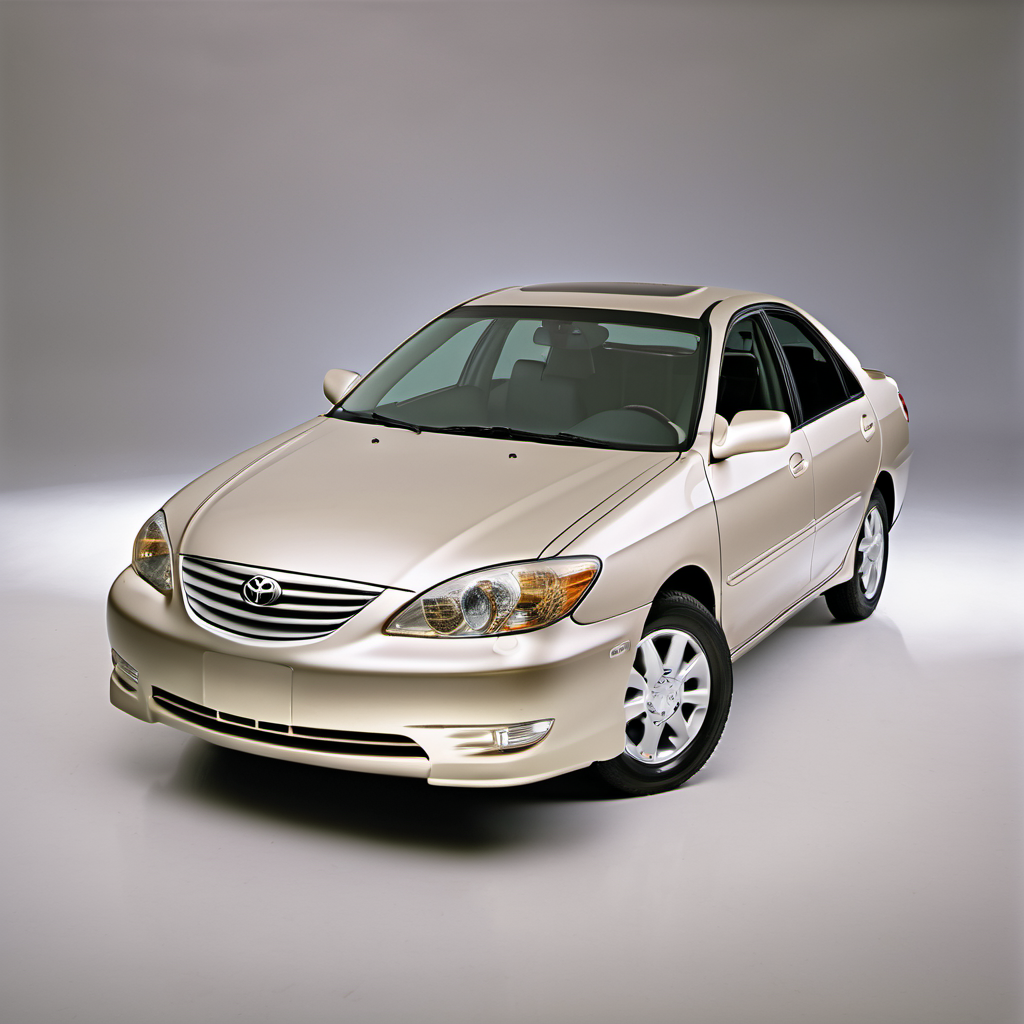
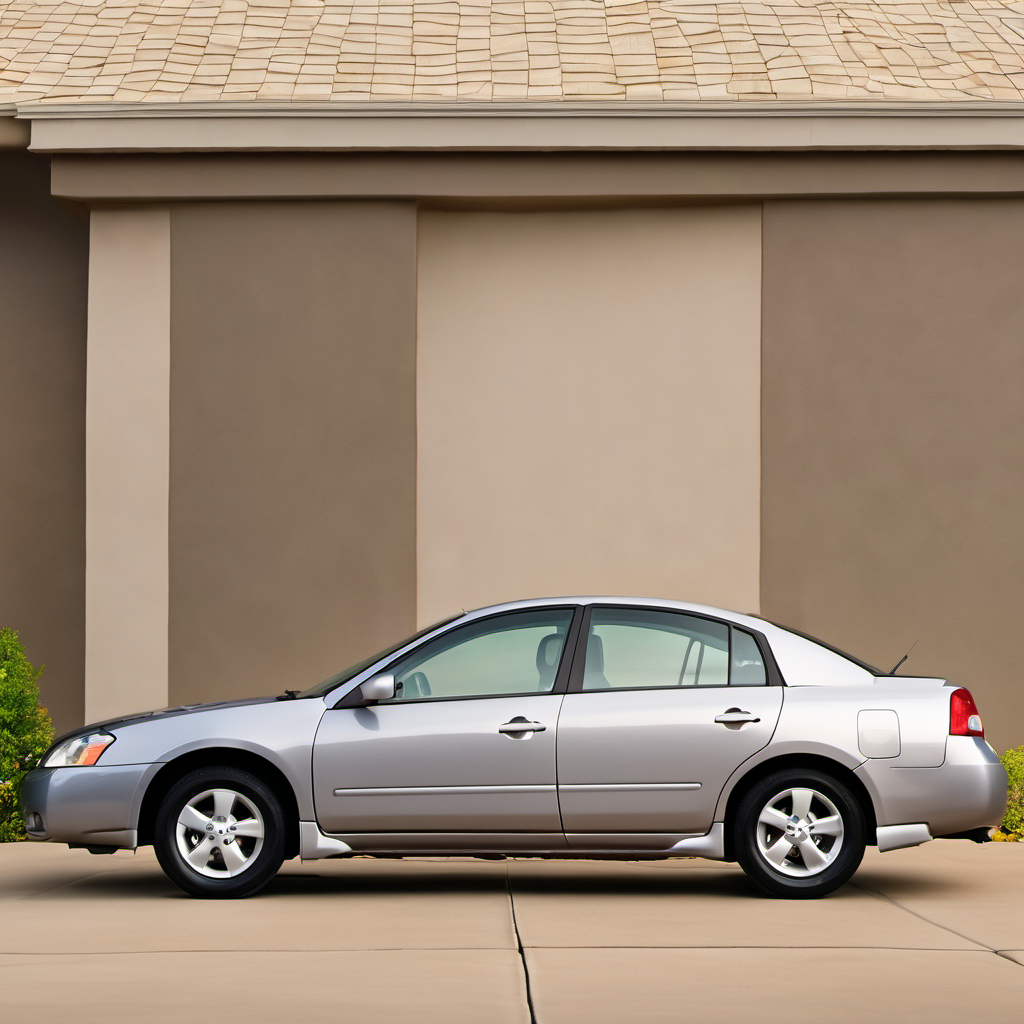
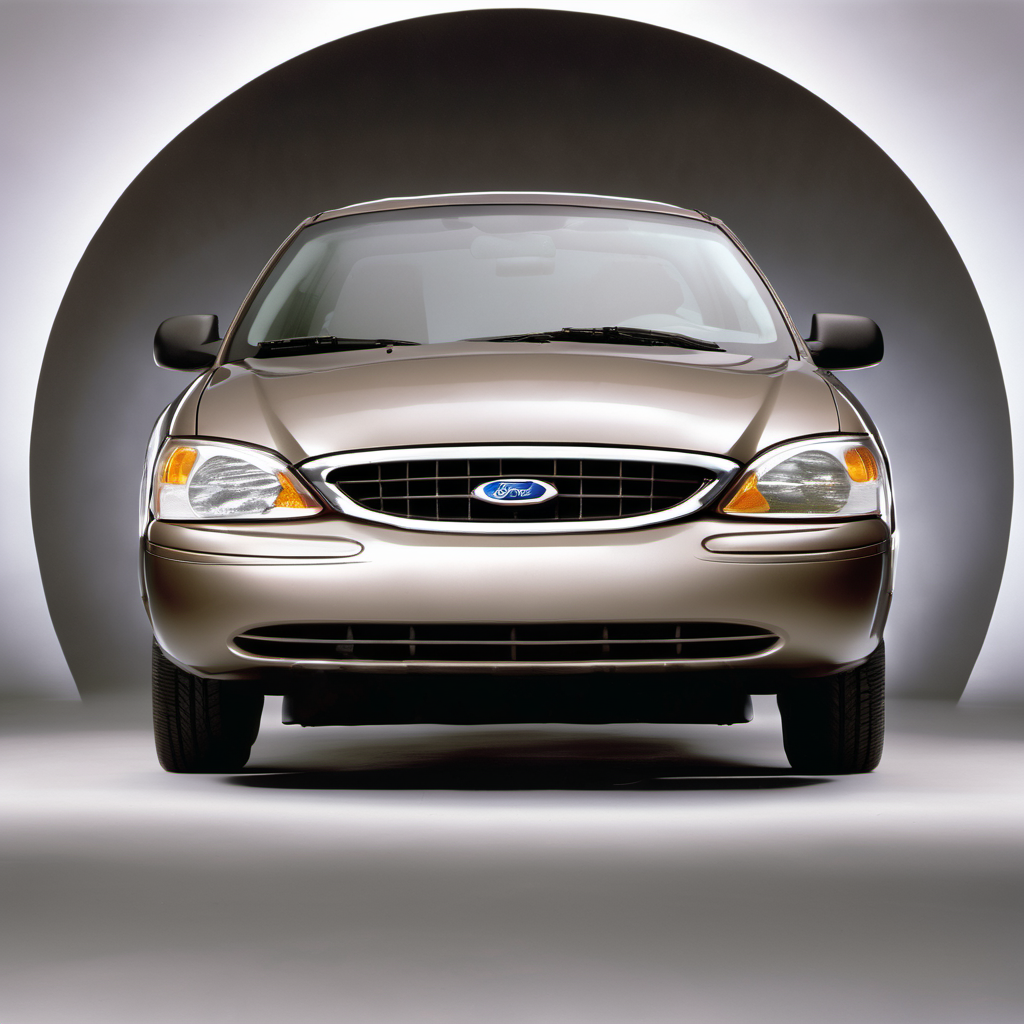
2003 Toyota Camry Sedan

2003 Toyota

CamrySedan

Sedan

The 2003 Toyota Camry is the fifth generation of America's best-selling sedan, a title it had already held for years by this point. Powered by a 2.4L four-cylinder (2AZ-FE) paired to a 4-speed automatic, it delivers a smooth, unfussy daily-driving experience with a well-earned reputation for longevity. Interior quality is utilitarian but durable, and the mechanicals are straightforward enough that independent shops can handle nearly all work. At 20+ years old, most examples have crossed the 150k-mile mark. The good news is the platform responds well to basic maintenance and can realistically reach 250k+ miles. The bad news is deferred maintenance is common on high-mileage Camrys, and Wisconsin salt exposure puts extra stress on brake and suspension components beneath the car. This is still a practical, cost-effective choice as a used buy — provided you do a thorough inspection and verify the service history. Budget for some catch-up maintenance and you'll likely have a reliable, cheap-to-run sedan for years.

Reliability
4/5
Verified data
Specs shown for Camry Solara Convertible — the most common configuration. Other trims may vary in engine, drivetrain, or fuel economy. Sign in to see your vehicle's exact specs.
Engine
[object Object]
Drivetrain
FWD
Fuel
Gasoline
MPG
20 city / 28 hwy / 23 combined
Seats
Doors
Body
Subcompact Cars

Overview

AI-curated

The 2003 Toyota Camry is the fifth generation of America's best-selling sedan, a title it had already held for years by this point. Powered by a 2.4L four-cylinder (2AZ-FE) paired to a 4-speed automatic, it delivers a smooth, unfussy daily-driving experience with a well-earned reputation for longevity. Interior quality is utilitarian but durable, and the mechanicals are straightforward enough that independent shops can handle nearly all work. At 20+ years old, most examples have crossed the 150k-mile mark. The good news is the platform responds well to basic maintenance and can realistically reach 250k+ miles. The bad news is deferred maintenance is common on high-mileage Camrys, and Wisconsin salt exposure puts extra stress on brake and suspension components beneath the car. This is still a practical, cost-effective choice as a used buy — provided you do a thorough inspection and verify the service history. Budget for some catch-up maintenance and you'll likely have a reliable, cheap-to-run sedan for years.

Known for
  • Exceptional long-term reliability when maintained
  • Smooth, quiet 2.4L four-cylinder engine
  • Low cost of ownership and widely available parts
  • Comfortable, if unexciting, daily driver
  • Strong resale value relative to peers
Best for
  • High-mileage daily commuters
  • Budget-conscious buyers wanting dependability
  • First-time used-car buyers
  • Families needing a practical four-door sedan
Watch for
  • Oil sludge in 2AZ-FE engines with infrequent oil changes — can be catastrophic
  • Rust on subframe, brake lines, and underbody from Wisconsin road salt
  • Worn motor mounts causing vibration at idle (very common at this age)
  • Oxygen sensor failures triggering check engine lights
  • Automatic transmission fluid that has never been serviced

Common issues by mileage

6 known

Engine oil sludge (2AZ-FE)

medium
Typically appears
80–150k mi
Estimated repair
$500 – $3,000

Oxygen sensor failure (Bank 1 Sensor 1 or Sensor 2)

high
Typically appears
100–160k mi
Estimated repair
$150 – $350

Worn or collapsed engine/transmission mounts

high
Typically appears
100k+ mi
Estimated repair
$200 – $500

VVT-i oil control valve / camshaft timing issues

medium
Typically appears
120–180k mi
Estimated repair
$200 – $600

Brake line and caliper corrosion (salt-belt specific)

high
Typically appears
100k+ mi
Estimated repair
$300 – $900

Power steering rack seepage / rack-and-pinion wear

medium
Typically appears
130k+ mi
Estimated repair
$400 – $900

Maintenance schedule

  1. 1
    Every 5,000 miles or 6 months — do not stretch Engine oil and filter change

    The 2AZ-FE is prone to oil sludge when oil changes are deferred. On a used example with unknown history, do one immediately and inspect the oil cap/valve cover for mayonnaise-like deposits.

  2. 2
    Every 30,000 miles if not done recently Transmission fluid change (automatic)

    Many used Camrys have never had the ATF changed. Dark or burnt-smelling fluid accelerates clutch pack wear. Drain-and-fill (not flush) at an independent shop is preferred.

  3. 3
    Every 50,000 miles or 5 years Coolant flush

    Toyota's long-life coolant degrades over time. Old coolant becomes acidic and attacks aluminum engine components. Critical on a 20-year-old car.

  4. 4
    Every 60,000 miles Spark plugs (iridium OEM spec)

    Worn plugs cause misfires and rough idle. On a high-mileage used Camry, verify when they were last replaced.

  5. 5
    Every 60,000 miles or at first sign of cracking/glazing Serpentine belt and tensioner inspection

    At this vehicle's age, the belt is likely original or on its second life. A snapped belt leaves you stranded and can damage accessories.

  6. 6
    Every 2 years regardless of mileage Brake fluid flush

    Brake fluid absorbs moisture over time, lowering boiling point. Wisconsin winters are hard on brakes; fresh fluid is cheap insurance.

  7. 7
    Every spring after winter season Underbody inspection for rust and brake line integrity

    Lake Geneva road salt is particularly aggressive on brake lines, fuel lines, and subframe mounting points. Catch soft spots early before a line fails.

  8. 8
    Every fall before winter Battery load test

    Cold cranking amps drop significantly in sub-zero temps. A battery that seems fine in October can strand you in January. Most batteries last 4–5 years.

Always defer to the manufacturer's service manual for warranty-mandated intervals.

Cost of ownership

Annual maintenance
$500 – $1,200
Fuel
At 23 MPG combined and typical Wisconsin driving, expect roughly $1,800–$2,200/year at current fuel prices for average annual mileage.
Insurance
Generally low — typically $800–$1,300/year for a standard policy on a vehicle of this age and value in Wisconsin, depending on driver profile.

The 2003 Camry is one of the cheapest-to-own used sedans you can buy. Parts are abundant and affordable, labor is straightforward at an independent shop, and fuel costs are moderate. The main wildcard is deferred maintenance on a high-mileage used example — if the previous owner skipped oil changes or never serviced the transmission, catch-up costs can push year-one expenses to $2,000–$3,500. After that, expect lean years.
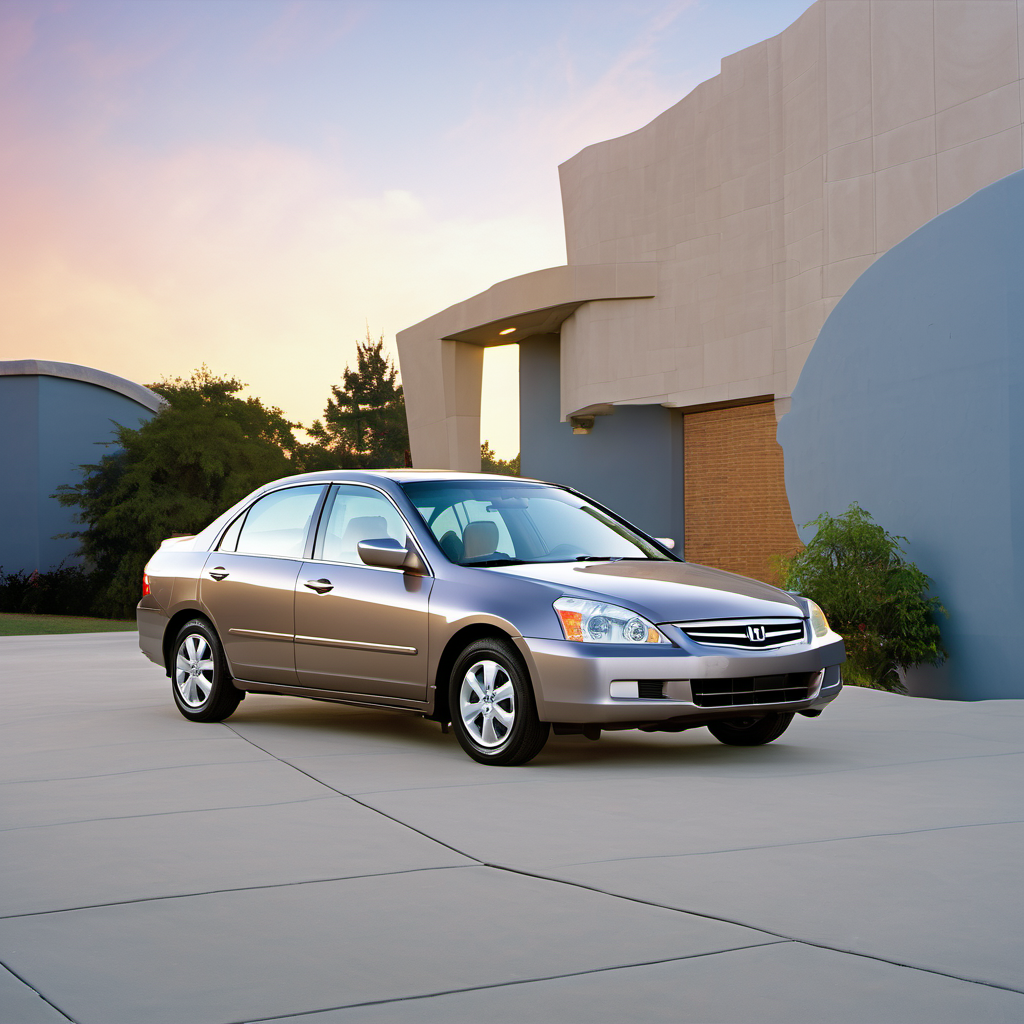
Seasonal care

Lake Geneva, WI
Winter
  • Load-test the battery every October — cold starts at -10°F demand full cold-cranking amps and this car is old enough that a weak battery won't give much warning.
  • Switch to a winter-grade washer fluid rated to at least -20°F; the stock reservoir and lines can freeze solid overnight in Lake Geneva temperatures.
  • Inspect and replace wiper blades with winter-rated blades before first snowfall — the standard blades ice up quickly.
  • Check coolant freeze protection with a tester; a 50/50 mix protects to around -34°F, which is adequate for Wisconsin.
  • Inspect brake lines and hoses every fall — salt accelerates corrosion on these steel lines and a failure in winter is dangerous.
  • Keep the gas tank at least half-full in extreme cold to reduce moisture condensation in the fuel system and add weight for traction.
Summer
  • Check tire pressure monthly — tires gain roughly 1 PSI for every 10°F rise in temperature, which can push them over the door-placard spec.
  • Test the A/C system before hot weather arrives; the 2003 Camry A/C is robust but refrigerant does leak slowly on 20-year-old systems.
  • Inspect the cabin air filter — pollen season in Wisconsin is significant and a clogged filter kills A/C airflow.
  • Check coolant level and look for any signs of seepage around the water pump or hoses; heat soak on a stationary engine stresses older hoses.
  • After a wet spring, inspect the underbody drainage points around door sills and rocker panels to prevent trapped moisture from accelerating rust.

Comparable vehicles

If you're shopping for one

Red flags
  • Oil sludge visible at filler cap or dipstick — walk away unless priced for engine replacement.
  • Rust-through on rocker panels, wheel arches, or visible brake lines — structural and safety concern.
  • Transmission that slips, hunts for gears, or has a burnt ATF smell — rebuild cost exceeds the car's value in many cases.
  • Any smoke from the exhaust at operating temperature — blue smoke means oil consumption, white smoke can indicate head gasket issues.
  • A seller who can't produce any service records on a 20-year-old car — especially critical given the oil sludge risk.
What to inspect
  • Pull the oil filler cap and look for brown, creamy sludge — this is the single most important check on any used 2AZ-FE engine.
  • Check the automatic transmission: should shift smoothly through all gears with no slipping, shuddering, or delayed engagement. Check fluid color — should be pink/red, not brown or burnt-smelling.
  • Put the car on a lift and inspect brake lines, fuel lines, and the subframe for rust. Salt-belt cars this age often have significant underbody corrosion.
  • Look for oil seepage around the valve cover gasket and at the front of the engine (cam seals). Minor seepage is common; active dripping warrants negotiation.
  • Test the A/C on max cold — should blow cold within 60 seconds. Weak cooling on a 20-year-old system often means the refrigerant has leaked down.
  • Check all four tires for even wear — cupped or feathered wear indicates worn struts or alignment issues.
  • Request a full OBD-II scan even if no check engine light is on — pending codes can reveal issues the seller cleared before the sale.
AI profile generated 16 days ago · claude-sonnet-4-6 · v2.