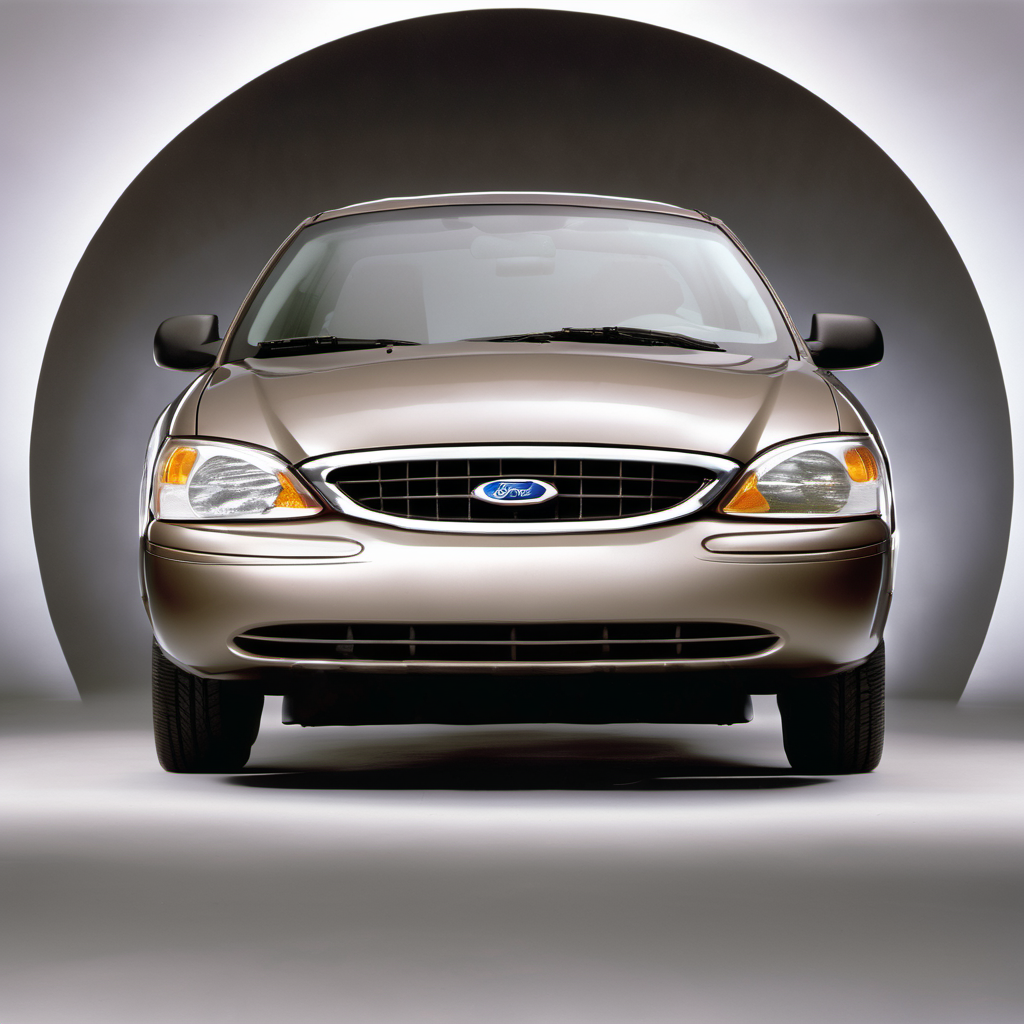
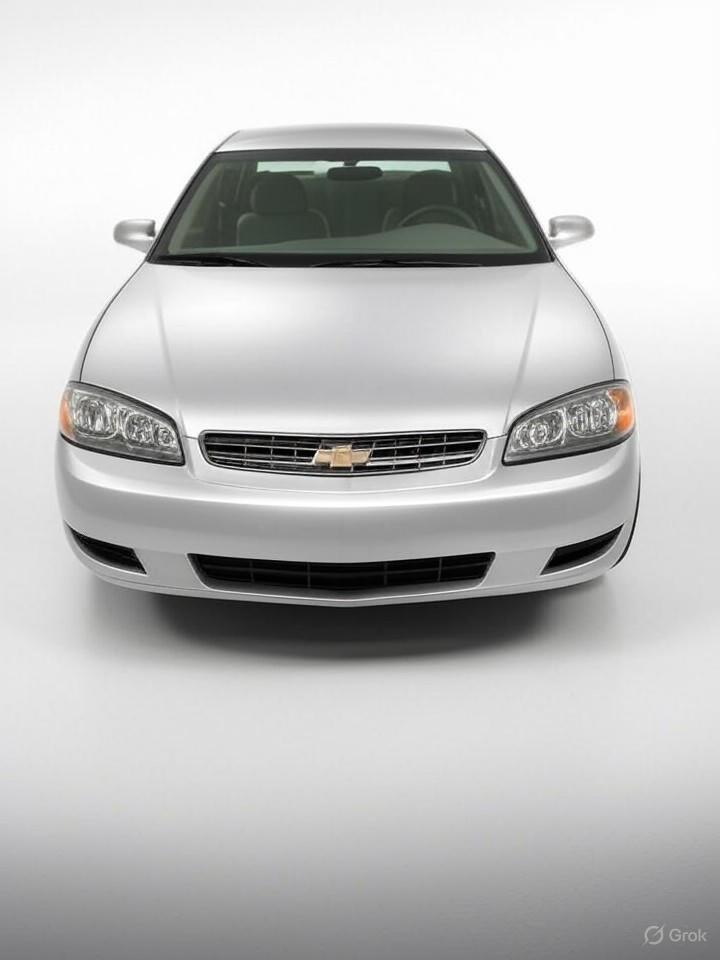
2003 Ford Taurus Sedan

2003 Ford

TaurusSedan

Sedan

The 2003 Ford Taurus Sedan was one of the best-selling family cars in America for good reason — it was affordable, roomy, and easy to own. By 2003, the Taurus was in its fourth generation and had been refined into a competent, if unremarkable, daily driver. The standard 3.0L Vulcan V6 is a simple, proven pushrod engine with a strong track record for durability when basic maintenance is kept up. That said, this is now a 20-plus-year-old vehicle, and age-related wear is the dominant concern. Cooling system components, intake gaskets, and the transmission are the areas most likely to need attention on a high-mileage example. Parts are cheap and widely available, which keeps repair costs reasonable at an independent shop. If you find a well-maintained example with service records, the 2003 Taurus can still serve as reliable basic transportation. Avoid examples with deferred maintenance or signs of coolant leaks — these are the cars that turn into money pits.

Reliability
3/5
Verified data
Specs shown for Taurus — the most common configuration. Other trims may vary in engine, drivetrain, or fuel economy. Sign in to see your vehicle's exact specs.
Engine
[object Object]
Drivetrain
FWD
Fuel
Gasoline
MPG
18 city / 26 hwy / 21 combined
Seats
Doors
Body
Large Cars

Overview

AI-curated

The 2003 Ford Taurus Sedan was one of the best-selling family cars in America for good reason — it was affordable, roomy, and easy to own. By 2003, the Taurus was in its fourth generation and had been refined into a competent, if unremarkable, daily driver. The standard 3.0L Vulcan V6 is a simple, proven pushrod engine with a strong track record for durability when basic maintenance is kept up. That said, this is now a 20-plus-year-old vehicle, and age-related wear is the dominant concern. Cooling system components, intake gaskets, and the transmission are the areas most likely to need attention on a high-mileage example. Parts are cheap and widely available, which keeps repair costs reasonable at an independent shop. If you find a well-maintained example with service records, the 2003 Taurus can still serve as reliable basic transportation. Avoid examples with deferred maintenance or signs of coolant leaks — these are the cars that turn into money pits.

Known for
  • Bulletproof 3.0L Vulcan V6 engine when properly maintained
  • Spacious, comfortable interior for the class
  • Extremely affordable parts and widespread mechanic familiarity
  • Smooth, compliant ride quality
Best for
  • Budget-conscious commuters needing reliable A-to-B transportation
  • Buyers who want a roomy sedan at low cost
  • Owners comfortable with basic DIY maintenance
  • Low-mileage second-car duty
Watch for
  • Intake manifold coolant crossover leaks — a known Vulcan V6 weakness
  • Transmission wear on high-mileage examples (AX4N/4F50N)
  • Rust on subframes, brake lines, and rocker panels — especially critical in Wisconsin
  • Cooling system neglect leading to head gasket damage
  • Power window regulator failures

Common issues by mileage

6 known

Intake Manifold Coolant Crossover Leak

high
Typically appears
80–150k mi
Estimated repair
$300 – $600

Automatic Transmission Slipping / Delayed Engagement (AX4N / 4F50N)

medium
Typically appears
100–180k mi
Estimated repair
$1,500 – $3,200

Oxygen Sensor Heater Circuit Failure

medium
Typically appears
80–130k mi
Estimated repair
$120 – $280

Thermostat / Cooling System Failure (overheating)

medium
Typically appears
90–160k mi
Estimated repair
$150 – $400

Power Window Regulator Failure

high
Typically appears
80–200k mi
Estimated repair
$120 – $250

Brake Line Rust / Failure (salt-belt corrosion)

high
Typically appears
Any mileage on Wisconsin/salt-road cars
Estimated repair
$400 – $900

Maintenance schedule

  1. 1
    Every 5,000 miles or 6 months Engine oil and filter change

    The Vulcan V6 thrives on clean oil. Neglecting this is the single fastest way to shorten engine life on an otherwise durable motor.

  2. 2
    Every 2 years / 30,000 miles Coolant flush and inspect intake crossover for leaks

    The plastic coolant crossover on the intake manifold is a known failure point. Fresh coolant slows corrosion; catching a weeping crossover early prevents a full overheating event.

  3. 3
    Every 30,000 miles Transmission fluid change

    Ford's 'lifetime' fluid claim does not hold up on a 20-year-old vehicle. Fresh fluid extends AX4N/4F50N transmission life noticeably on high-mileage cars.

  4. 4
    Every year — before winter Brake line inspection (undercar)

    Wisconsin road salt destroys steel brake lines from the outside in. A rusted-through line is a sudden, total brake failure. Annual visual inspection is non-negotiable on a car this age in this region.

  5. 5
    Every 60,000 miles Spark plug replacement

    The 2-valve Vulcan uses standard copper-tip plugs. Keeping them fresh maintains fuel economy and prevents misfires that can damage the catalytic converter.

  6. 6
    Every fall / before Wisconsin winter Battery load test

    A marginal battery that starts fine in September can fail at -10°F in January. Load testing costs nothing at most shops and prevents a roadside surprise.

  7. 7
    Every 60,000–75,000 miles or at first sign of cracking Serpentine belt inspection and replacement

    A snapped belt strands you and immediately kills power steering and charging. Cheap insurance on a vehicle this age.

  8. 8
    Every 15,000–20,000 miles Cabin air filter and HVAC check

    A clogged filter strains the blower motor. On a car this age, blower motors are already working harder — keeping airflow clear extends their life.

Always defer to the manufacturer's service manual for warranty-mandated intervals.

Cost of ownership

Annual maintenance
$600 – $1,400
Fuel
At 21 MPG combined and typical Lake Geneva driving mix, expect roughly $1,800–$2,200/year at current Midwest gas prices for a normal commuter.
Insurance
Typically very low — full coverage on a 2003 Taurus often runs $600–$900/year for a clean driving record. Actual liability-only policies can be under $400.

The Taurus is one of the cheaper sedans to keep running. Parts are plentiful and inexpensive, and most repairs are straightforward. The budget-buster risks are a transmission rebuild and rust-related undercar work, both of which are more likely on high-mileage Wisconsin examples. Budget a little extra for brake lines and cooling system work as preventive spending.
Seasonal care

Lake Geneva, WI
Winter
  • Load-test the battery every October — cold cranking amps drop sharply below 0°F and a weak battery will leave you stranded.
  • Switch to a full-synthetic 5W-30 if using conventional oil — it flows faster on sub-zero cold starts, reducing engine wear in those first critical seconds.
  • Flush washer fluid reservoir and top off with -20°F or colder rated fluid; the stock reservoir and lines are exposed and will freeze with summer fluid.
  • Inspect and replace wiper blades with winter-rated blades before the first ice storm — the Taurus wiper system is not particularly robust.
  • Spray undercarriage and wheel wells with a rust inhibitor before first salt application; this car's subframe and brake lines are rust-prone.
  • Check tire tread depth and cold-weather inflation — tires lose roughly 1 PSI per 10°F of temperature drop, and underinflated tires lose traction on ice.
Summer
  • Monitor coolant level and temperature gauge closely — the intake crossover leak tends to worsen with heat cycles, and an overheating event can crack a head.
  • Check A/C system refrigerant charge and cabin airflow; condenser fins on this generation collect road debris and reduce cooling efficiency.
  • Inspect tire pressure after any major temperature swing — summer heat inflates tires above the door placard spec and can cause uneven wear.
  • Check power steering fluid level — the rack and pump seals age with heat, and low fluid causes pump noise and accelerated wear.

Comparable vehicles

If you're shopping for one

Red flags
  • Any sign of overheating history (milky oil cap residue, coolant stains on engine, replaced head bolts).
  • Rust holes or severe pitting on brake lines — walk away, this is a safety failure waiting to happen.
  • Transmission that hesitates, shudders, or slips — rebuilds start at $1,500.
  • No service records at all on a car this old — deferred maintenance on cooling and transmission is hard to reverse.
  • Structural rust on the subframe — repair costs can exceed the car's value.
What to inspect
  • Crawl under and look hard at the brake lines, subframe, and rocker panels for rust perforation — this is the biggest safety risk on a Wisconsin-market 2003 Taurus.
  • Check coolant color and smell at the reservoir. Brown, oily, or sweet-smelling coolant signals a leaking intake crossover or worse.
  • With the engine warm, look for any steam or drips near the front of the intake manifold.
  • Test all four power windows — regulators fail regularly and each one is a $150–$250 repair.
  • Drive it through 1st–2nd–3rd gear shifts and watch for any shudder, slip, or delayed engagement — transmission issues on the AX4N are expensive.
  • Check for any active warning lights or scan for stored DTCs before purchase.
AI profile generated 16 days ago · claude-sonnet-4-6 · v2.