Intake Manifold Gasket Failure (Lower Gasket)
high- Typically appears
- 60–120k mi
- Estimated repair
- $350 – $650
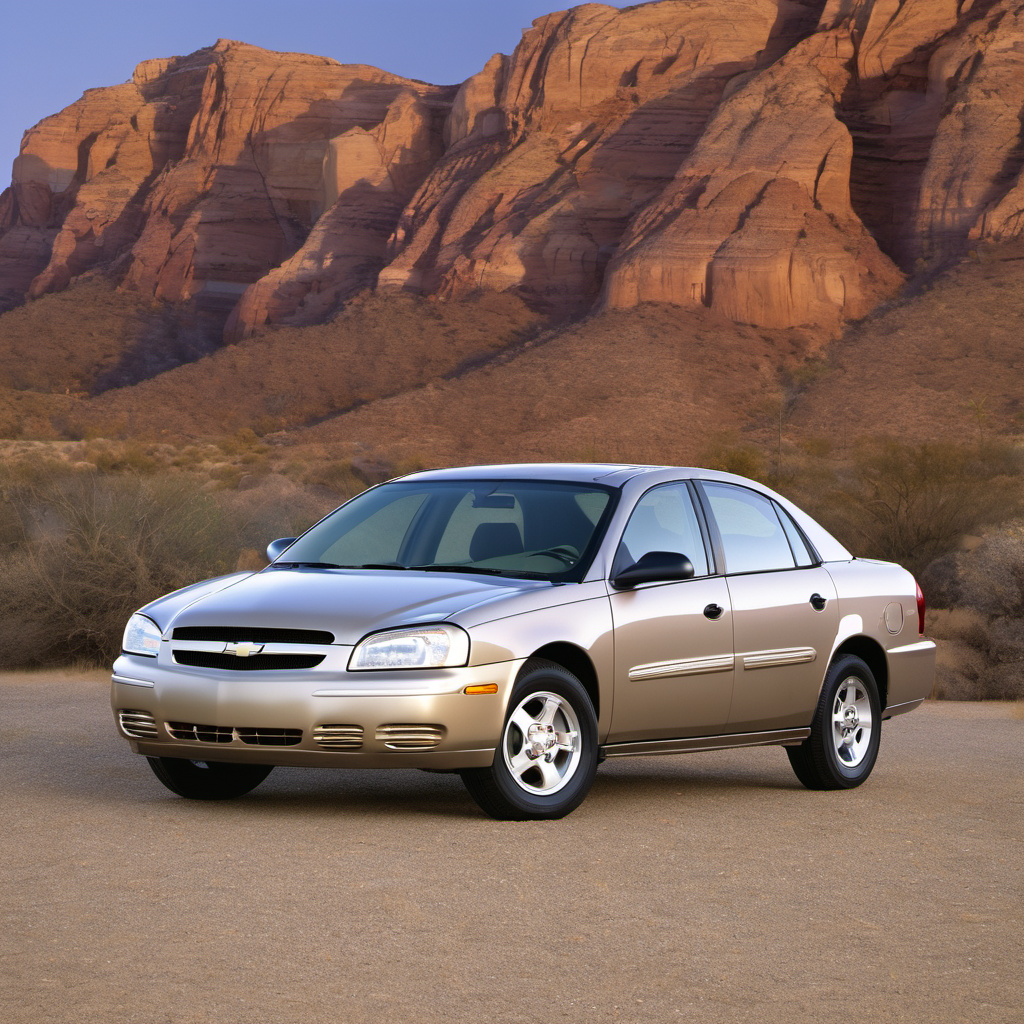
2003 Chevrolet
Sedan
The 2003 Chevrolet Malibu marked a significant reboot for the nameplate. After years of the rental-fleet-grade Malibu (1997–2003 gen), GM launched an all-new platform mid-cycle, and the 2003 model sits at the tail end of the older generation — sharing its bones with the Cavalier-era GM N/W platform. It was a straightforward front-wheel-drive family sedan aimed squarely at value buyers who needed reliable basic transportation without complexity. The 3.1L V6 is the engine most owners ended up with, offering adequate power and decent highway fuel economy for its era. This generation's strengths are simplicity and low parts cost. Nearly every component is inexpensive and widely available. The flip side is that GM's quality control on interior materials and some mechanical assemblies was below average for the early 2000s. Expect wear items to be well-used on any survivor at this age, and budget accordingly. For a vehicle now 20+ years old, the honest frame for evaluation is condition-first. A well-maintained, rust-free example can still serve as basic daily transportation. A neglected one — especially a Wisconsin car exposed to road salt — is likely near the end of economical repair life.
The 2003 Chevrolet Malibu marked a significant reboot for the nameplate. After years of the rental-fleet-grade Malibu (1997–2003 gen), GM launched an all-new platform mid-cycle, and the 2003 model sits at the tail end of the older generation — sharing its bones with the Cavalier-era GM N/W platform. It was a straightforward front-wheel-drive family sedan aimed squarely at value buyers who needed reliable basic transportation without complexity. The 3.1L V6 is the engine most owners ended up with, offering adequate power and decent highway fuel economy for its era. This generation's strengths are simplicity and low parts cost. Nearly every component is inexpensive and widely available. The flip side is that GM's quality control on interior materials and some mechanical assemblies was below average for the early 2000s. Expect wear items to be well-used on any survivor at this age, and budget accordingly. For a vehicle now 20+ years old, the honest frame for evaluation is condition-first. A well-maintained, rust-free example can still serve as basic daily transportation. A neglected one — especially a Wisconsin car exposed to road salt — is likely near the end of economical repair life.
The 3.1L V6 is prone to intake manifold gasket failure when coolant is neglected or contaminated. Fresh coolant and pliable hoses are the cheapest insurance against an expensive overheating event.
Lower intake gasket leaks are the single most common costly repair on this engine. Catch it early (external seep, oil in coolant, coolant loss without visible puddle) and the repair is manageable. Ignored, it can cause engine damage.
GM's 4T45-E automatic benefits from fresh fluid, especially on a vehicle with unknown service history. Dark or burnt-smelling fluid is a warning sign of future transmission problems.
The V6 uses a coil-on-wire ignition system. Worn plugs and cracked wire boots cause misfires and poor fuel economy.
Steel brake lines on 20-year-old upper Midwest cars are highly susceptible to rust perforation from road salt. A rusted-through brake line is a sudden, dangerous failure. Inspect every fall.
Lower ball joints wear faster on pothole-heavy roads and are a known failure point. A failed lower ball joint causes sudden loss of steering control.
Batteries over 4 years old should be load-tested before Wisconsin winters. Cold-cranking amps drop sharply below 0°F and an aging battery that starts fine in October may fail in January.
The PCV system on the 3.1L is inexpensive to service and a clogged valve accelerates oil consumption and sludge buildup.
Always defer to the manufacturer's service manual for warranty-mandated intervals.
This is a low-cost vehicle to insure and fuel, but maintenance costs on a 20-year-old car can be unpredictable. A car in good condition needs only routine items. A neglected example could easily need $2,000–$4,000 in catch-up repairs (brake lines, intake gasket, suspension) before it's genuinely reliable. Budget generously and get a pre-purchase inspection — the repair bill on a surprise failure often exceeds the car's market value.
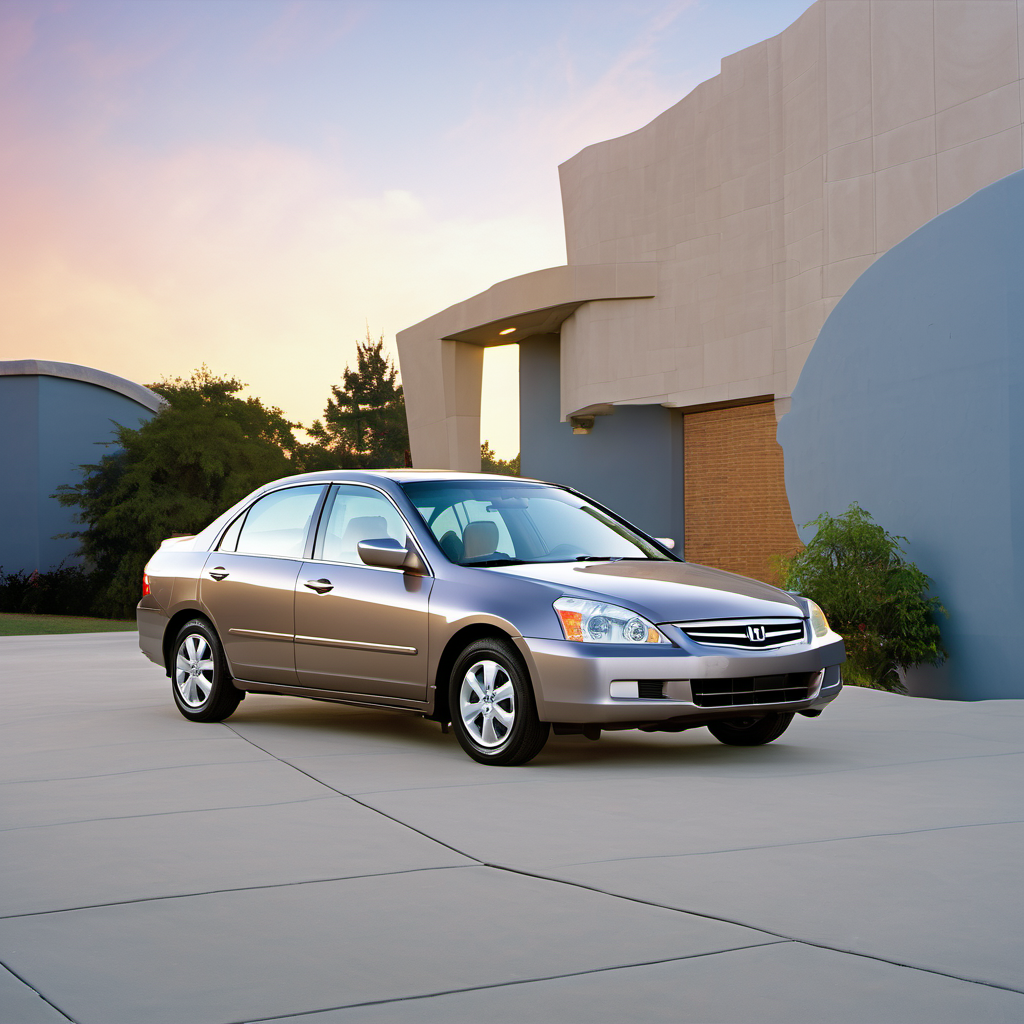
Same era, same segment — but significantly better build quality, longer-term reliability, and stronger resale value. Worth paying more for a comparable-mileage example.
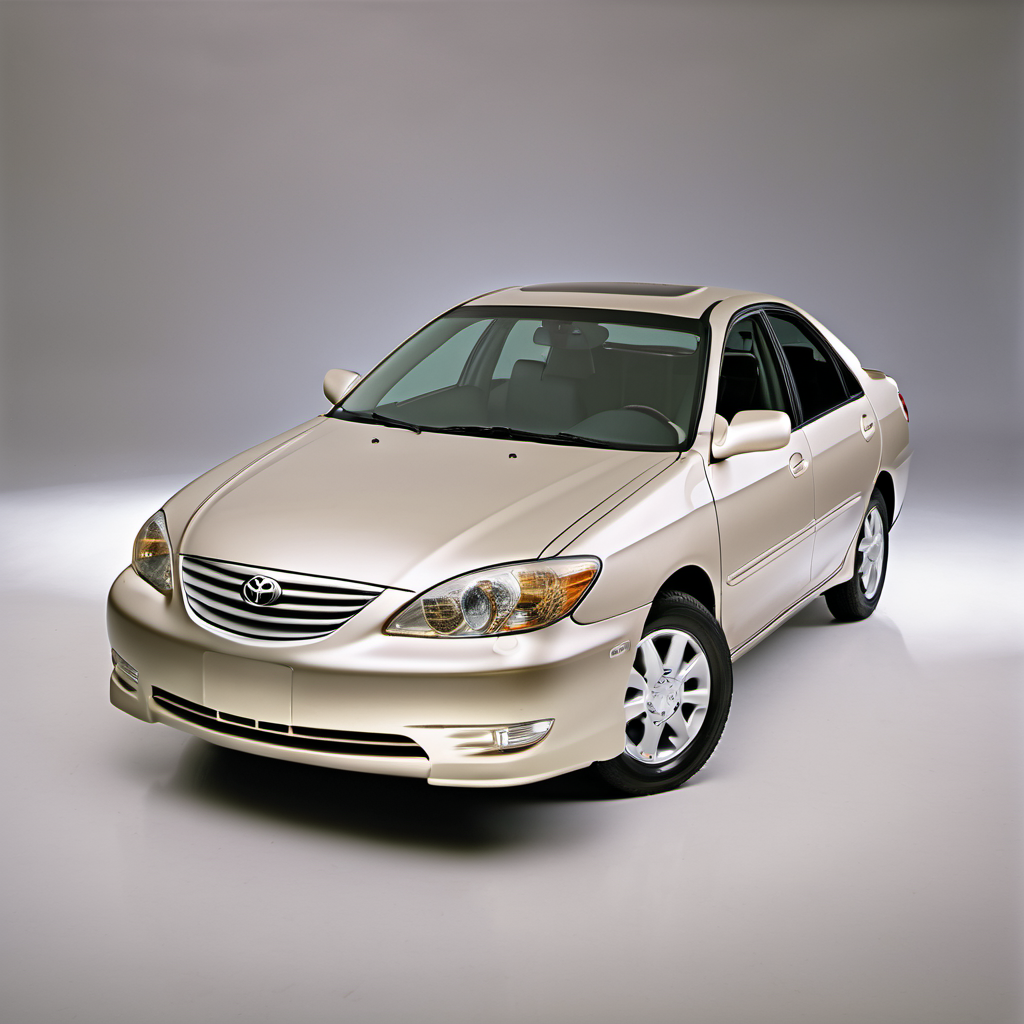
The benchmark mid-size sedan of this era. More expensive used but substantially more reliable over 150k+ miles. A better long-term investment if the budget allows.
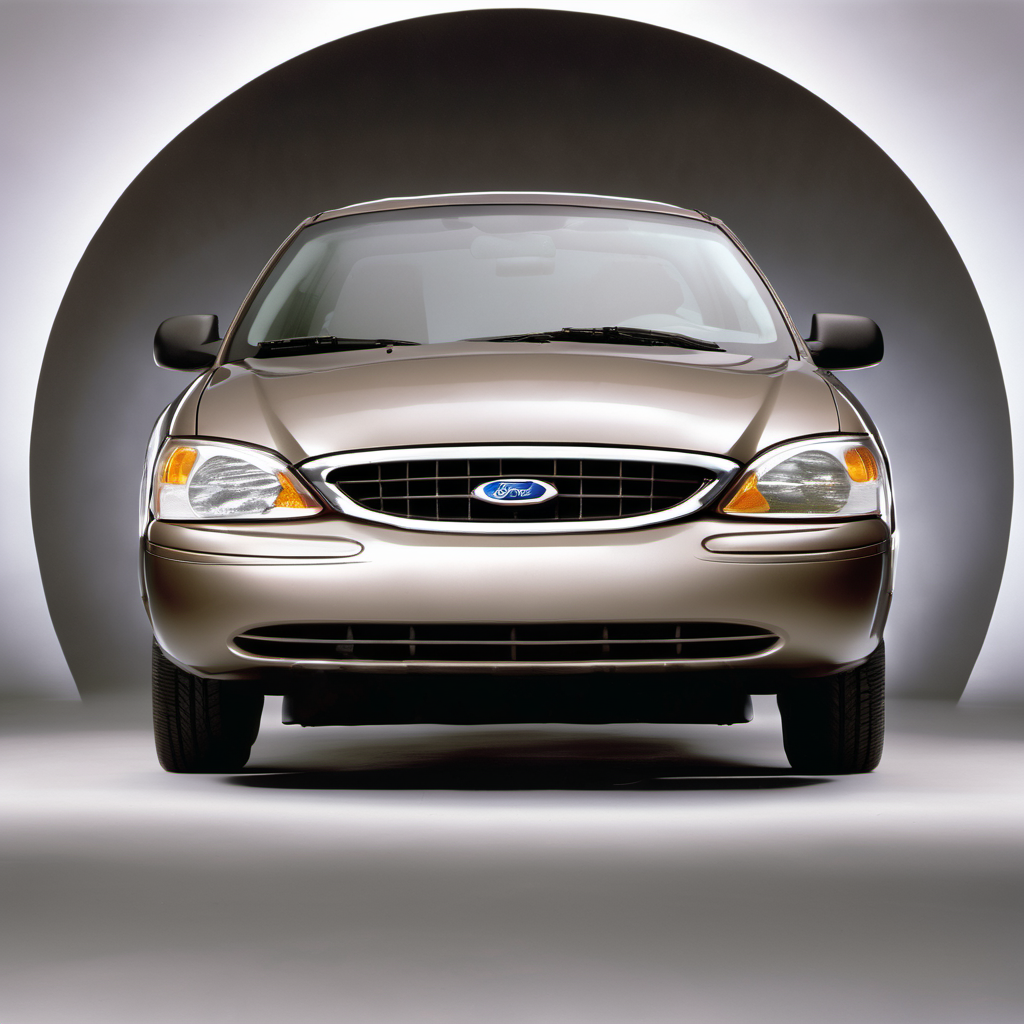
Direct competitor at a similar price point. The Vulcan 3.0L V6 shares the Malibu's simplicity and parts availability. Rust and age concerns are identical.
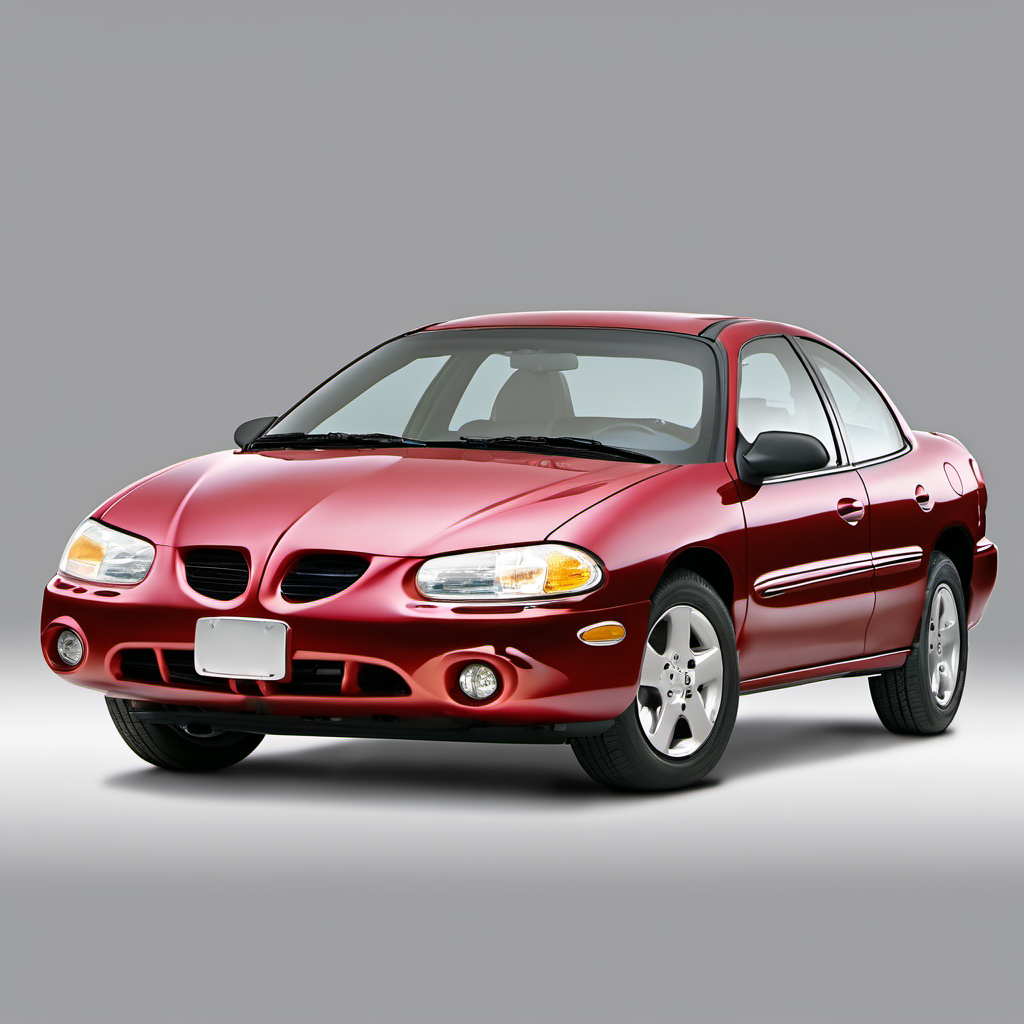
Shares GM's same platform and 3.4L V6 option. Nearly identical ownership cost and reliability profile. Only consider if the specific car's condition is clearly better than available Malibus.