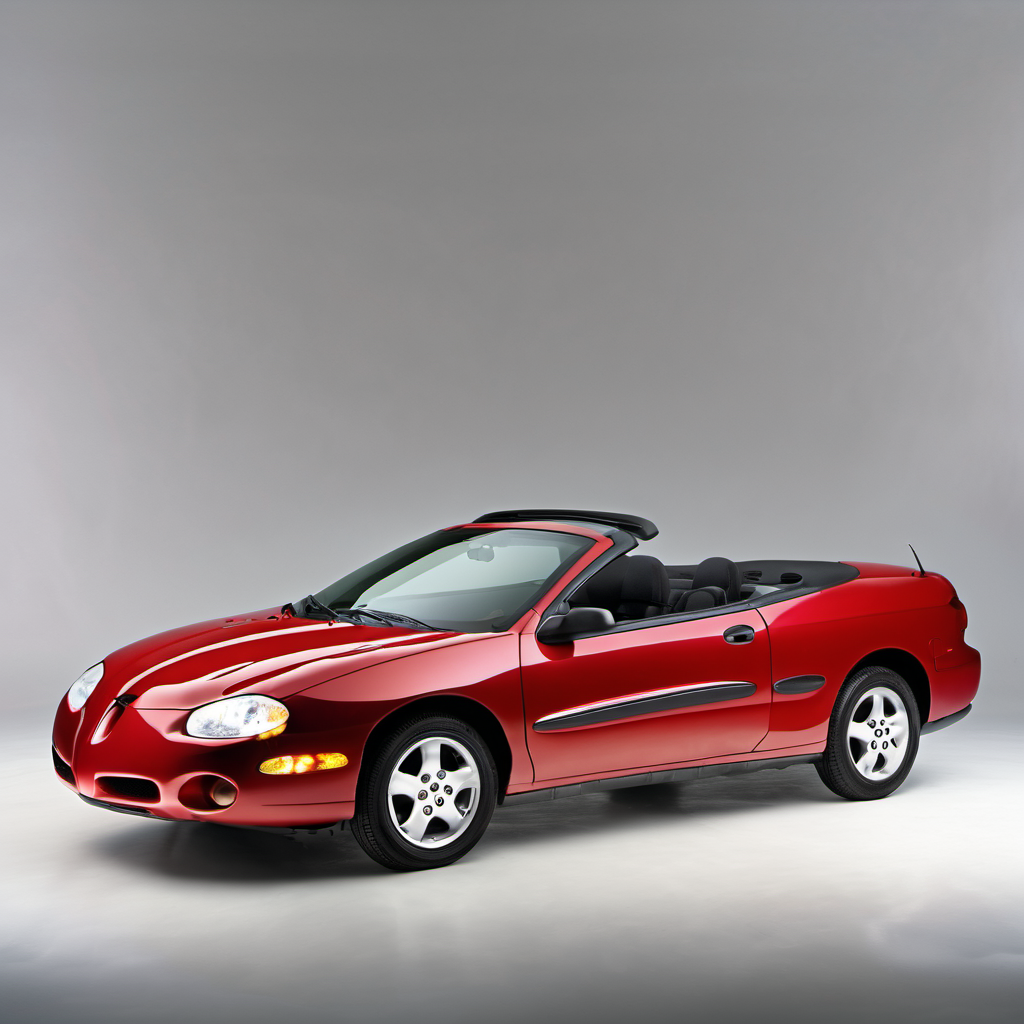
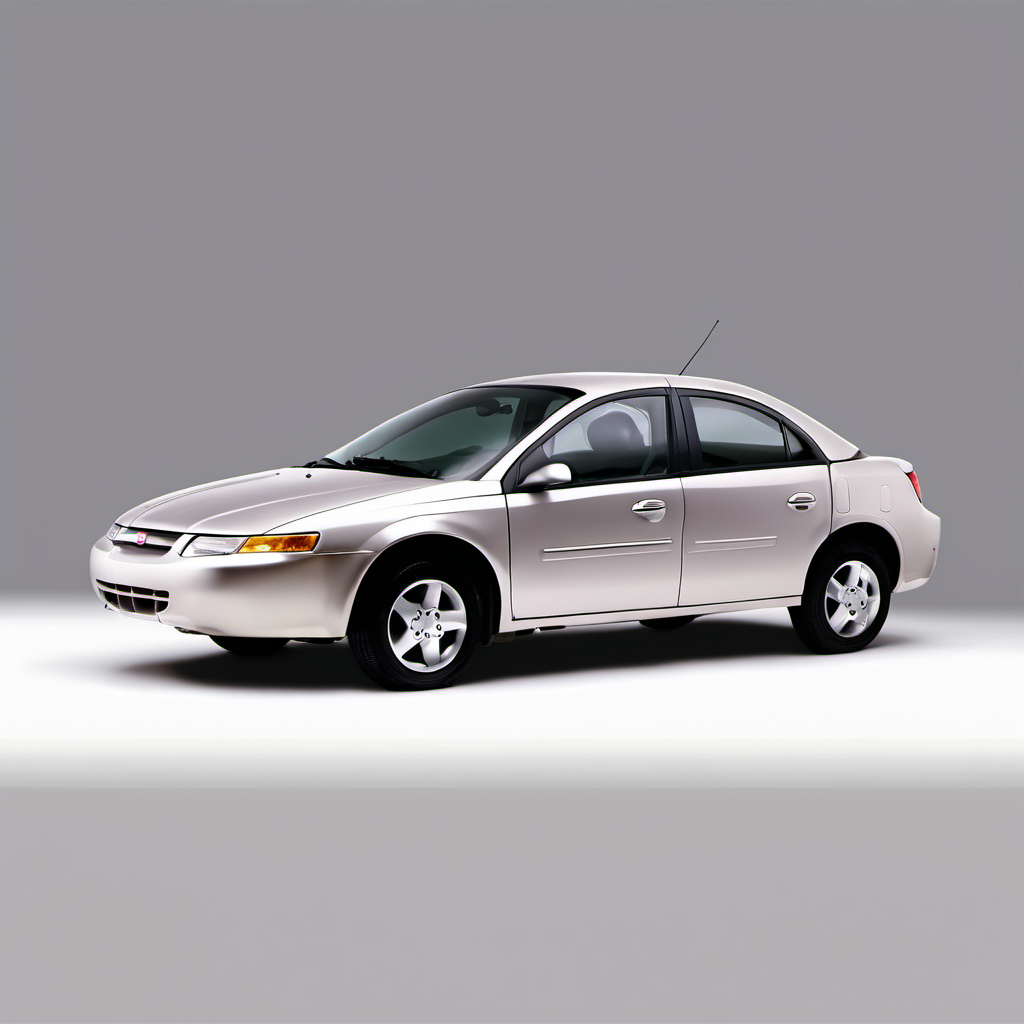
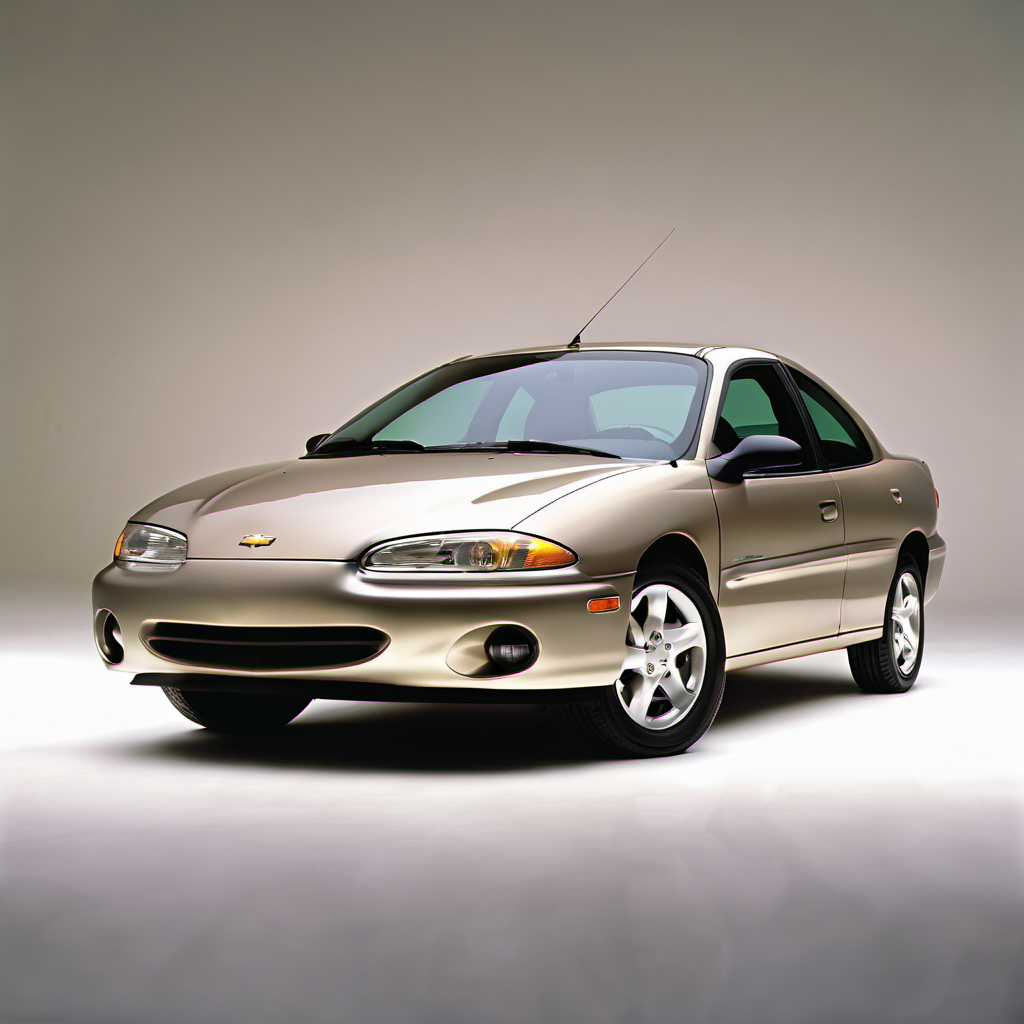
2003 Pontiac Sunfire Coupe

2003 Pontiac

SunfireCoupe

Coupe

The 2003 Pontiac Sunfire Coupe is a compact front-wheel-drive economy car built on GM's J-body platform, shared with the Chevrolet Cavalier. By 2003, the Sunfire was a mature — some would say aging — design that had been on sale in essentially the same form since 1995. It was aimed squarely at budget-conscious buyers who needed reliable transportation without a lot of frills. Power comes from GM's Ecotec 2.2L inline-4, which was actually a significant upgrade over the older pushrod engine used in earlier Sunfires. The Ecotec is a modern DOHC design with solid fuel economy and reasonable durability when maintained. The 4-speed automatic or 5-speed manual transmission are both reasonably robust for light-duty commuter use. At 20+ years old, surviving Sunfires are cheap to buy but require honest inspection. Most issues stem from neglected maintenance, rust (a serious concern in Wisconsin), worn suspension bushings, and aging electrical components. Parts are inexpensive and widely available, making this a workable choice for a mechanically-inclined owner or someone on a strict budget — provided they go in with eyes open.

Reliability
2/5
Verified data
Specs shown for Sunfire — the most common configuration. Other trims may vary in engine, drivetrain, or fuel economy. Sign in to see your vehicle's exact specs.
Engine
[object Object]
Drivetrain
FWD
Fuel
Gasoline
MPG
21 city / 30 hwy / 25 combined
Seats
Doors
Body
Compact Cars

Overview

AI-curated

The 2003 Pontiac Sunfire Coupe is a compact front-wheel-drive economy car built on GM's J-body platform, shared with the Chevrolet Cavalier. By 2003, the Sunfire was a mature — some would say aging — design that had been on sale in essentially the same form since 1995. It was aimed squarely at budget-conscious buyers who needed reliable transportation without a lot of frills. Power comes from GM's Ecotec 2.2L inline-4, which was actually a significant upgrade over the older pushrod engine used in earlier Sunfires. The Ecotec is a modern DOHC design with solid fuel economy and reasonable durability when maintained. The 4-speed automatic or 5-speed manual transmission are both reasonably robust for light-duty commuter use. At 20+ years old, surviving Sunfires are cheap to buy but require honest inspection. Most issues stem from neglected maintenance, rust (a serious concern in Wisconsin), worn suspension bushings, and aging electrical components. Parts are inexpensive and widely available, making this a workable choice for a mechanically-inclined owner or someone on a strict budget — provided they go in with eyes open.

Known for
  • Low purchase price and cheap parts availability
  • Decent fuel economy for a 2003-era economy car
  • Ecotec 2.2L engine is a step up in refinement over older pushrod units
  • Sporty-ish coupe styling on a tight budget
Best for
  • Budget-conscious commuters needing basic A-to-B transportation
  • First-time car owners or students
  • Owners comfortable doing their own basic maintenance
  • Low-mileage, well-preserved examples only
Watch for
  • Heavy rust on subframes, floor pans, and brake lines — especially on Wisconsin vehicles
  • Intake manifold gasket leaks (common on 2.2L Ecotec of this era)
  • Worn or collapsed front struts and control arm bushings at higher mileage
  • Aging ABS modules and wheel speed sensors causing brake warning lights
  • Electrical gremlins from aging connectors and ground straps

Common issues by mileage

6 known

Intake Manifold Gasket Leak

high
Typically appears
60–120k mi
Estimated repair
$200 – $450

Front Strut and Control Arm Bushing Wear

high
Typically appears
80–150k mi
Estimated repair
$300 – $700

Oxygen Sensor / O2 Sensor Heater Circuit Failure

medium
Typically appears
70–130k mi
Estimated repair
$100 – $250

Rust — Brake Lines, Subframe, and Floor Pan

high
Typically appears
Any mileage on Midwest vehicles
Estimated repair
$300 – $2,000

Thermostat and Cooling System Failure

medium
Typically appears
60–100k mi
Estimated repair
$120 – $300

Maintenance schedule

  1. 1
    Every 5,000 miles or 6 months Engine oil and filter change

    The 2.2L Ecotec runs cleaner with fresh oil. At this age, extended oil change intervals increase sludge risk, especially if the car sits frequently during cold Wisconsin winters.

  2. 2
    Every 3 years or 45,000 miles Coolant flush and thermostat inspection

    The Ecotec's cooling system is prone to thermostat failure and silicate coolant degradation. Fresh coolant also protects aluminum engine components during freeze-thaw cycles.

  3. 3
    Every year, before winter Brake line inspection for rust

    Salt exposure on Wisconsin roads accelerates brake line corrosion. A pinhole leak in a brake line is a safety emergency — catch it before it fails on the road.

  4. 4
    Every 30,000 miles Spark plug replacement

    The Ecotec 2.2L uses conventional spark plugs that wear more quickly than iridium units. Fresh plugs maintain fuel economy and prevent misfires.

  5. 5
    Every 60,000 miles or 5 years Serpentine belt and tensioner inspection

    Belt and tensioner wear is common at this mileage and age. A snapped belt leaves you stranded and can cause power steering and cooling loss simultaneously.

  6. 6
    Every 45,000 miles Transmission fluid change (automatic)

    The 4T40/45E automatic used in the Sunfire does not have a 'lifetime' fluid rating. Fresh fluid extends clutch pack life significantly.

  7. 7
    Every 2 years or 30,000 miles Suspension bushing and strut inspection

    Control arm bushings and front struts wear quickly on potholed Midwest roads. Worn struts compromise handling and braking distance.

  8. 8
    Every fall, before temperatures drop below freezing Battery load test

    A battery that tests 'OK' in summer can fail to crank at -10°F. The Ecotec's cold cranking demands make a marginal battery a liability in Wisconsin winters.

Always defer to the manufacturer's service manual for warranty-mandated intervals.

Cost of ownership

Annual maintenance
$600 – $1,800
Fuel
At 25 MPG combined and typical driving of ~12,000 miles/year, expect roughly $1,400–$1,700/year at current Wisconsin gas prices.
Insurance
Generally low — expect $800–$1,300/year for full coverage on a 20-year-old economy coupe, depending on driver history and ZIP code.

The Sunfire is cheap to insure and fuel, and parts are inexpensive. The wildcard is deferred maintenance: a car this old that hasn't had its brake lines, struts, and cooling system addressed can generate repair bills that quickly exceed the vehicle's market value. Budget realistically for catch-up work on any used example.
Seasonal care

Lake Geneva, WI
Winter
  • Load-test the battery every fall — cold cranking a 2.2L at sub-zero temps will expose any weak battery immediately.
  • Inspect and replace brake lines showing surface rust or scale before the first heavy salt season. This is the most critical safety item on old Midwest Sunfires.
  • Switch to a full-synthetic 5W-30 oil if not already using one — it flows better at cold starts and reduces wear during the critical first minutes of a cold soak.
  • Top off washer fluid with a -40°F rated winter formula. The stock reservoir is small and runs out quickly when roads are salted.
  • Check wiper blades and consider winter wiper blades — the lightweight hood and low cowl design allows ice buildup that can stress standard blade frames.
  • Rinse the undercarriage at a coin-operated car wash every 2 weeks during heavy salting periods to slow brake line and subframe corrosion.
Summer
  • Check tire pressure monthly — the Sunfire's recommended pressure drops quickly with temperature swings and the small tires are sensitive to underinflation.
  • Inspect the A/C system refrigerant level and cabin filter if equipped — the system is simple but aging seals may have lost charge over 20 years.
  • Watch coolant temperature closely during stop-and-go heat — the Ecotec's thermostat is a common failure point and an overheating event can warp the head.
  • Check the serpentine belt for cracking — heat accelerates rubber degradation on a belt that may already be near end of life on a 20-year-old vehicle.

Comparable vehicles

If you're shopping for one

Red flags
  • Any visible rust perforation on the floor pan, rocker panels, or subframe — walk away, repair costs will exceed car value.
  • Coolant in the oil (milky dipstick) or oil in the coolant reservoir — head gasket or worse.
  • Brake pedal that feels soft, spongy, or sinks slowly — immediately suspect rusted brake lines or a failing master cylinder.
  • A/C that blows warm — recharging a system with leaking 20-year-old seals is money down the drain.
  • Any check engine light that the seller cannot explain with a documented repair — pull codes before agreeing to purchase.
What to inspect
  • Crawl under the car and look at every brake line from the master cylinder to each wheel — surface rust is normal, but scale, pitting, or pinhole rust means immediate replacement before driving.
  • Check subframe mounting points and front lower control arm brackets for rust-through, which is common on Wisconsin J-body cars and expensive to properly repair.
  • Start the engine cold and listen for ticking or rattling from the top end — indicates low oil pressure or worn cam followers.
  • Look for coolant smell or white residue around the intake manifold area — signs of a leaking intake gasket.
  • Test all power accessories, windows, and locks — electrical gremlins are common at this age and can be difficult to chase.
  • Verify the ABS light extinguishes after startup — a lit ABS light often means a dead wheel speed sensor, which is a hidden safety issue in slippery Wisconsin conditions.
AI profile generated 15 days ago · claude-sonnet-4-6 · v2.