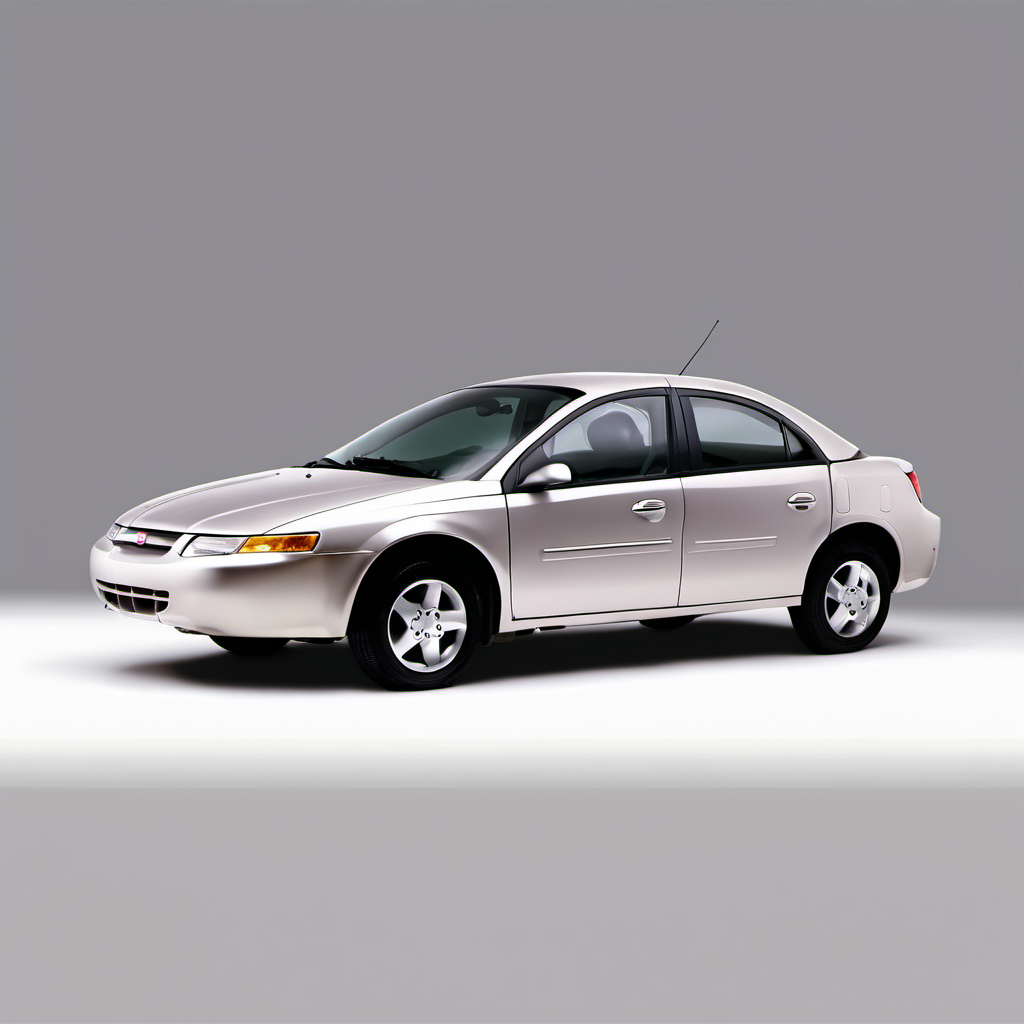
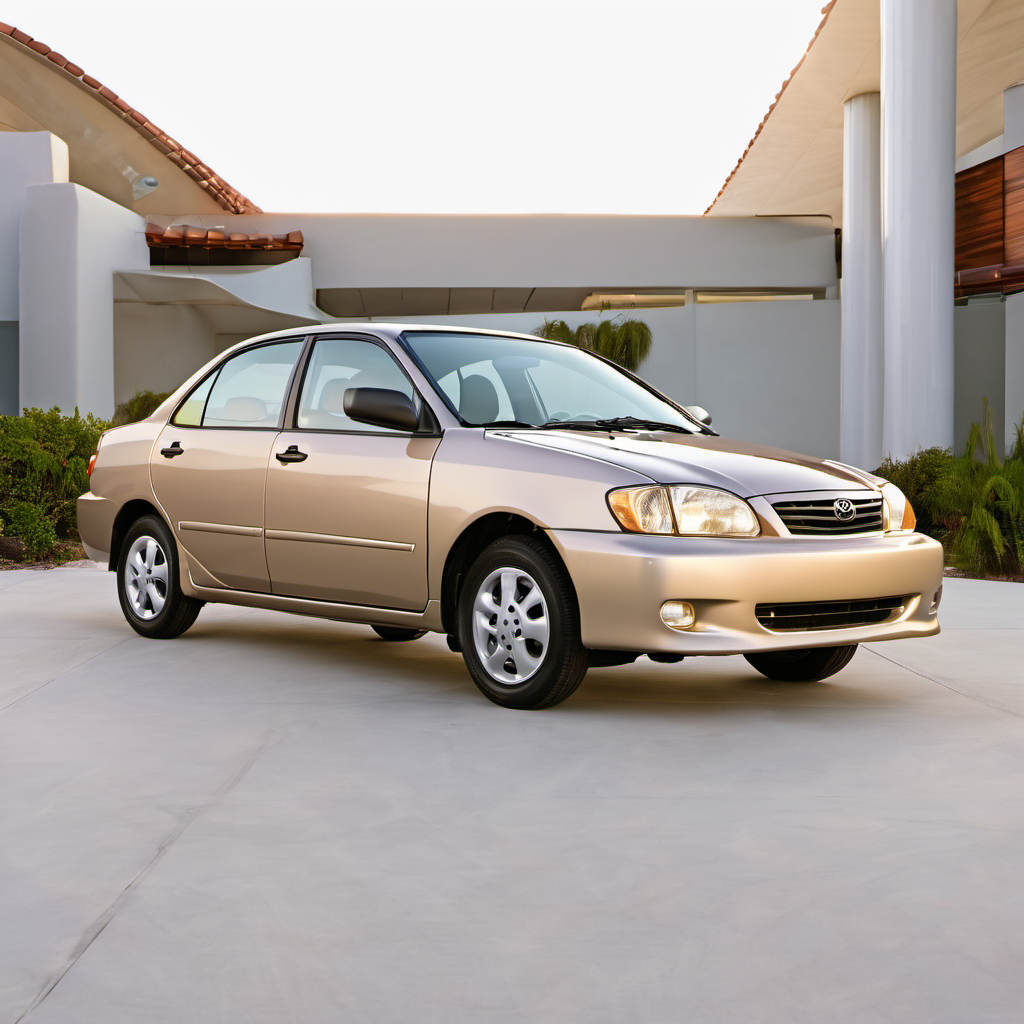
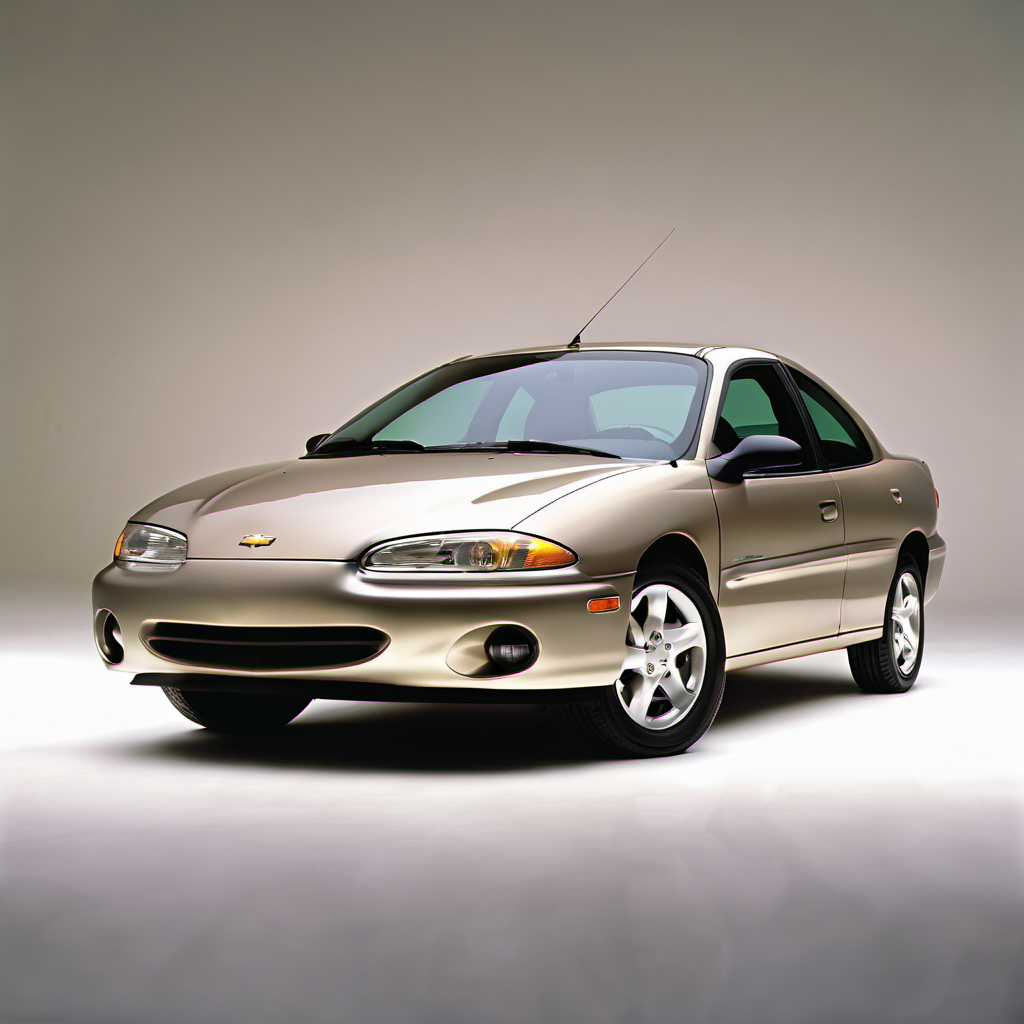
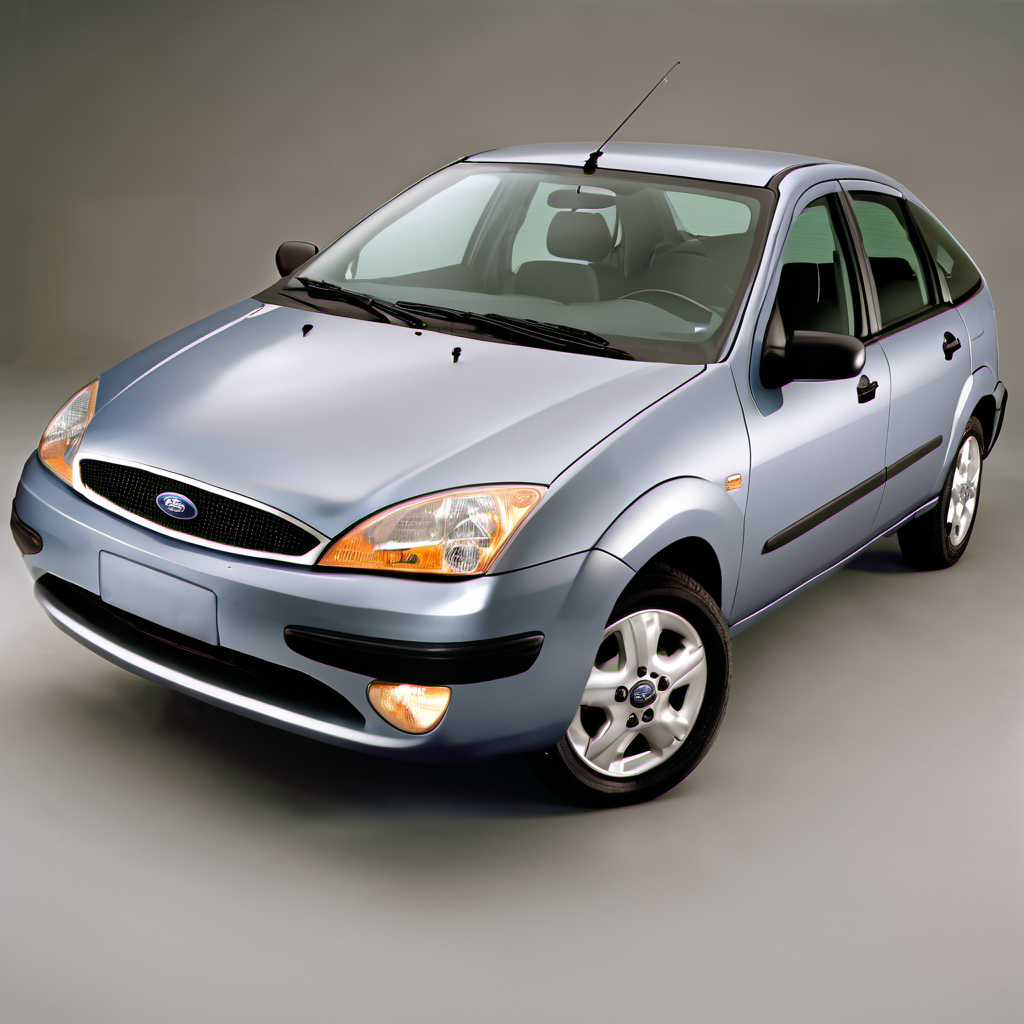
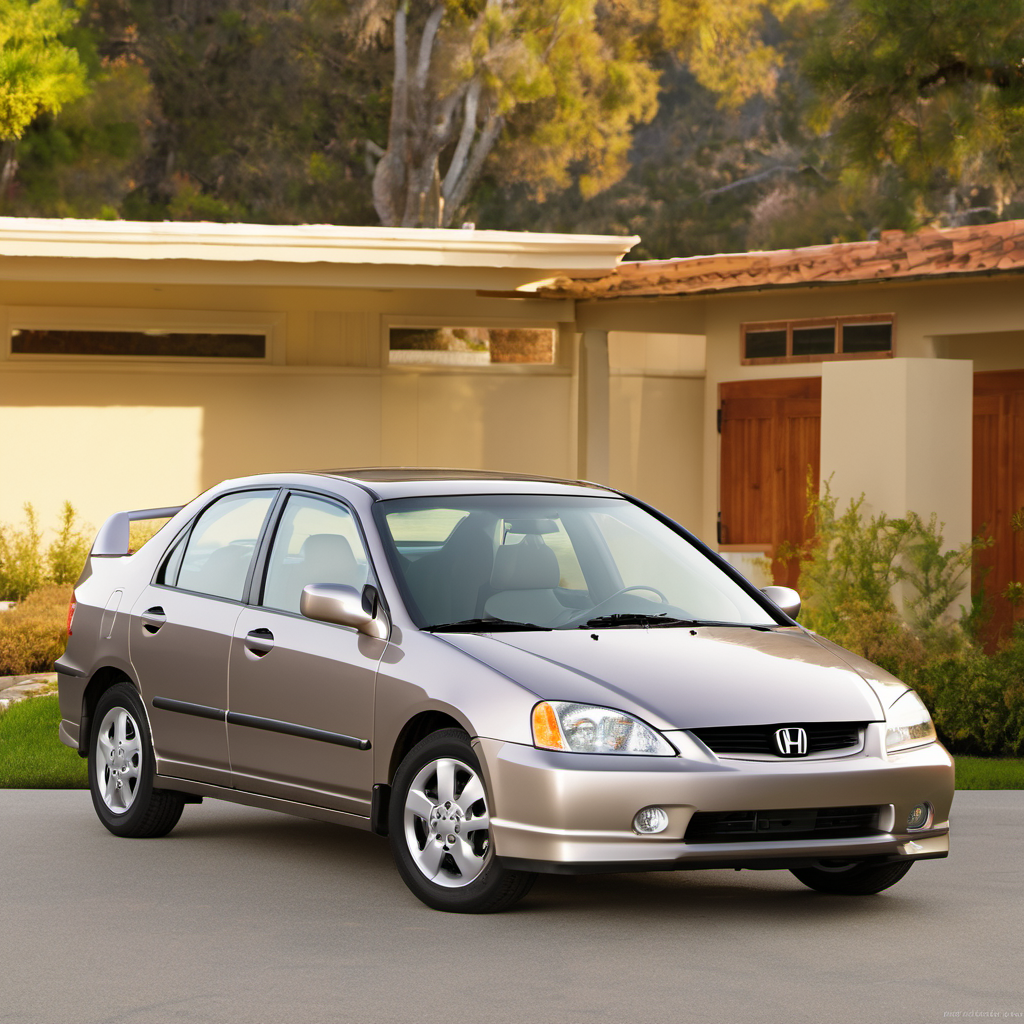
2003 Saturn Ion Sedan

2003 Saturn

IonSedan

Sedan

The 2003 Saturn Ion is a compact front-wheel-drive sedan that replaced the aging Saturn SL in GM's lineup. Built on the GM Delta platform and assembled in Spring Hill, Tennessee, it was Saturn's attempt to modernize the brand with a fresh body and a standard 2.2L Ecotec four-cylinder engine. The Ion came in sedan and quad coupe body styles, with the sedan being the more common choice for everyday commuters. In terms of driving dynamics and practicality, the Ion is unremarkable but functional. It offered adequate fuel economy for its era, a reasonably spacious interior for the class, and low initial purchase prices. However, GM's corner-cutting on interior materials and some mechanical components showed early, and the Ion never shed a reputation for feeling cheap relative to Japanese competitors at the same price point. By today's standards, the 2003 Ion is a high-mileage used car and should be evaluated accordingly. Parts are still widely available through the GM/Ecotec supply chain, and independent shops can service it affordably. That said, rust from Wisconsin winters is the single biggest concern on any surviving example — more so than mechanical issues.

Reliability
3/5
Verified data
Specs shown for Ion — the most common configuration. Other trims may vary in engine, drivetrain, or fuel economy. Sign in to see your vehicle's exact specs.
Engine
[object Object]
Drivetrain
FWD
Fuel
Gasoline
MPG
21 city / 29 hwy / 24 combined
Seats
Doors
Body
Compact Cars

Overview

AI-curated

The 2003 Saturn Ion is a compact front-wheel-drive sedan that replaced the aging Saturn SL in GM's lineup. Built on the GM Delta platform and assembled in Spring Hill, Tennessee, it was Saturn's attempt to modernize the brand with a fresh body and a standard 2.2L Ecotec four-cylinder engine. The Ion came in sedan and quad coupe body styles, with the sedan being the more common choice for everyday commuters. In terms of driving dynamics and practicality, the Ion is unremarkable but functional. It offered adequate fuel economy for its era, a reasonably spacious interior for the class, and low initial purchase prices. However, GM's corner-cutting on interior materials and some mechanical components showed early, and the Ion never shed a reputation for feeling cheap relative to Japanese competitors at the same price point. By today's standards, the 2003 Ion is a high-mileage used car and should be evaluated accordingly. Parts are still widely available through the GM/Ecotec supply chain, and independent shops can service it affordably. That said, rust from Wisconsin winters is the single biggest concern on any surviving example — more so than mechanical issues.

Known for
  • Affordable entry-level pricing when new
  • Reliable 2.2L Ecotec four-cylinder engine
  • Distinctive center-mounted instrument cluster
  • Notoriously cheap interior plastics
  • Saturn's quirky "no-haggle" dealer model
Best for
  • Budget-conscious commuters needing basic transportation
  • Buyers comfortable doing their own basic maintenance
  • Short to medium daily drives where reliability is priority over comfort
  • First-time car owners on a tight budget
Watch for
  • Heavy underbody and rocker panel rust on Midwest examples
  • Power steering pump failures (electric power steering issues on some trims)
  • Ignition switch and key cylinder problems common on this generation
  • Worn or collapsed engine mounts causing vibration
  • Aging interior components — window regulators and door handles break frequently

Common issues by mileage

6 known

Ignition Switch / Key Cylinder Failure

high
Typically appears
60–150k mi
Estimated repair
$150 – $450

Intake Manifold / Throttle Body Carbon Buildup

medium
Typically appears
80–130k mi
Estimated repair
$100 – $300

Power Steering Pump Noise or Failure (Hydraulic Trims)

medium
Typically appears
70–120k mi
Estimated repair
$200 – $500

Engine / Transmission Mount Wear

high
Typically appears
80–150k mi
Estimated repair
$150 – $400

Window Regulator and Door Handle Breakage

high
Typically appears
60–120k mi
Estimated repair
$75 – $250

Oxygen Sensor / O2 Heater Circuit Failure

medium
Typically appears
80–140k mi
Estimated repair
$100 – $280

Maintenance schedule

  1. 1
    Every 5,000 miles or 6 months Engine oil and filter change

    The 2.2L Ecotec is oil-change sensitive. Extended intervals accelerate sludge buildup and shorten engine life significantly on this unit.

  2. 2
    Every 60,000 miles or at first sign of cracking Inspect and replace serpentine belt

    A snapped belt leaves you stranded and can cause secondary damage. Cold Wisconsin winters accelerate belt degradation.

  3. 3
    Every 5 years / 50,000 miles Coolant flush

    GM's Dex-Cool coolant degrades over time and can cause intake manifold gasket issues if neglected. Flush and refill with fresh coolant.

  4. 4
    Every 60,000 miles Spark plug replacement

    OEM spec iridium or platinum plugs. Worn plugs contribute to rough idle and reduced fuel economy on the Ecotec.

  5. 5
    Every 2 years Brake fluid flush

    Brake fluid absorbs moisture over time, lowering the boiling point and promoting internal corrosion — especially important in humid Midwest conditions.

  6. 6
    Every spring after salt season Inspect underbody, rockers, and subframe for rust

    Road salt is the Ion's worst long-term enemy. Catching rust early on the subframe or brake lines is a safety and cost issue — delayed action turns a $200 problem into a total-loss situation.

  7. 7
    Annually Inspect brake lines and fuel lines for corrosion

    Steel brake and fuel lines on early 2000s GM vehicles are known to rust through in salt-belt states. A failed brake line is a safety emergency.

  8. 8
    Every 20,000–25,000 miles Air filter replacement

    A clogged air filter reduces fuel economy and stresses the Ecotec. Easy DIY task that keeps the engine breathing clean.

Always defer to the manufacturer's service manual for warranty-mandated intervals.

Cost of ownership

Annual maintenance
$400 – $900
Fuel
At 24 MPG combined and typical mixed driving, expect roughly $1,600–$2,100/year at current upper Midwest gas prices, depending on annual mileage.
Insurance
Generally low — expect $700–$1,100/year for full coverage on a vehicle of this age and value; liability-only would be significantly less.

The Ion is one of the cheapest vehicles to own on paper. Parts are inexpensive and widely available, labor is straightforward at an independent shop, and insurance is low due to the vehicle's modest value. The hidden cost is rust remediation — a Midwest Ion that hasn't been undercoated may need brake line replacement, exhaust work, or subframe attention that can easily outstrip the car's market value. Budget realistically for what you find under the car.
Seasonal care

Lake Geneva, WI
Winter
  • Switch to a full synthetic 5W-30 oil before temperatures drop below freezing — the 2.2L Ecotec cold-starts more cleanly and builds oil pressure faster with synthetic in sub-zero temps.
  • Test and replace the battery if it's 3+ years old. Cold cranking amps drop sharply below 0°F and the Ion's battery tray is prone to corrosion from road salt intrusion.
  • Flush and refill windshield washer fluid with a -20°F or lower rated fluid. The Ion's reservoir is easy to access but the lines can freeze if standard fluid is left in.
  • Inspect and replace wiper blades with winter-rated blades before first snowfall — standard blades ice up quickly at highway speeds.
  • Apply a quality undercarriage spray or rust inhibitor to the subframe, rocker panels, and brake line runs before salt season. This is the most important winter prep step for any Wisconsin Ion.
  • Check tire tread depth and consider winter tires — the Ion's FWD helps in light snow but worn all-seasons are dangerous on Lake Geneva's icy side streets.
Summer
  • Inspect the A/C system for refrigerant level and compressor operation — the Ion's A/C is basic and the compressor clutch can wear, especially on high-mileage examples.
  • Check tire pressure monthly; hot pavement raises pressure and underinflated tires from winter can become overinflated in July heat, affecting handling.
  • Inspect the cooling system hoses and radiator cap before hot weather arrives — a 20-year-old Ion can develop slow coolant leaks that become serious in summer heat.
  • Clean the cabin air filter or replace it if equipped — summer pollen clogs filters fast and reduces A/C airflow noticeably on this platform.

Comparable vehicles

If you're shopping for one

Red flags
  • Any perforation or flaking rust on the subframe, brake lines, or fuel lines — walk away or price in full replacement costs.
  • Ignition key that sticks, feels loose, or has a worn cylinder — known failure point that can leave you stranded.
  • Check engine light combined with rough idle and a complaint of stalling — may indicate deeper Ecotec or ignition system issues beyond routine maintenance.
  • Evidence of coolant in the oil (milky oil cap residue) — head gasket or intake gasket concern on a 20-year-old Ecotec.
  • Accident history involving front-end damage — the Ion's repair costs can exceed the vehicle's value quickly.
  • Any seller unwilling to allow a pre-purchase inspection at an independent shop — non-negotiable on a car this age.
What to inspect
  • Get under the car and physically inspect the subframe, rocker panels, floor pans, and brake lines for rust perforation — this is a pass/fail item on a 20-year-old Wisconsin car.
  • Test the ignition switch carefully: insert and remove the key multiple times, check for sticking, and verify no warning lights flicker abnormally on key-on.
  • Listen for power steering whine at low speed and at full lock — indicates pump wear or low fluid.
  • Rock the car from the engine bay to check for sloppy or collapsed engine/transmission mounts — a sign of deferred maintenance.
  • Test all power windows and door handles; interior hardware failures are common and can be a negotiating point.
  • Warm the engine fully and check for any coolant or oil leaks around the intake manifold and valve cover gasket area.
AI profile generated 11 days ago · claude-sonnet-4-6 · v2.