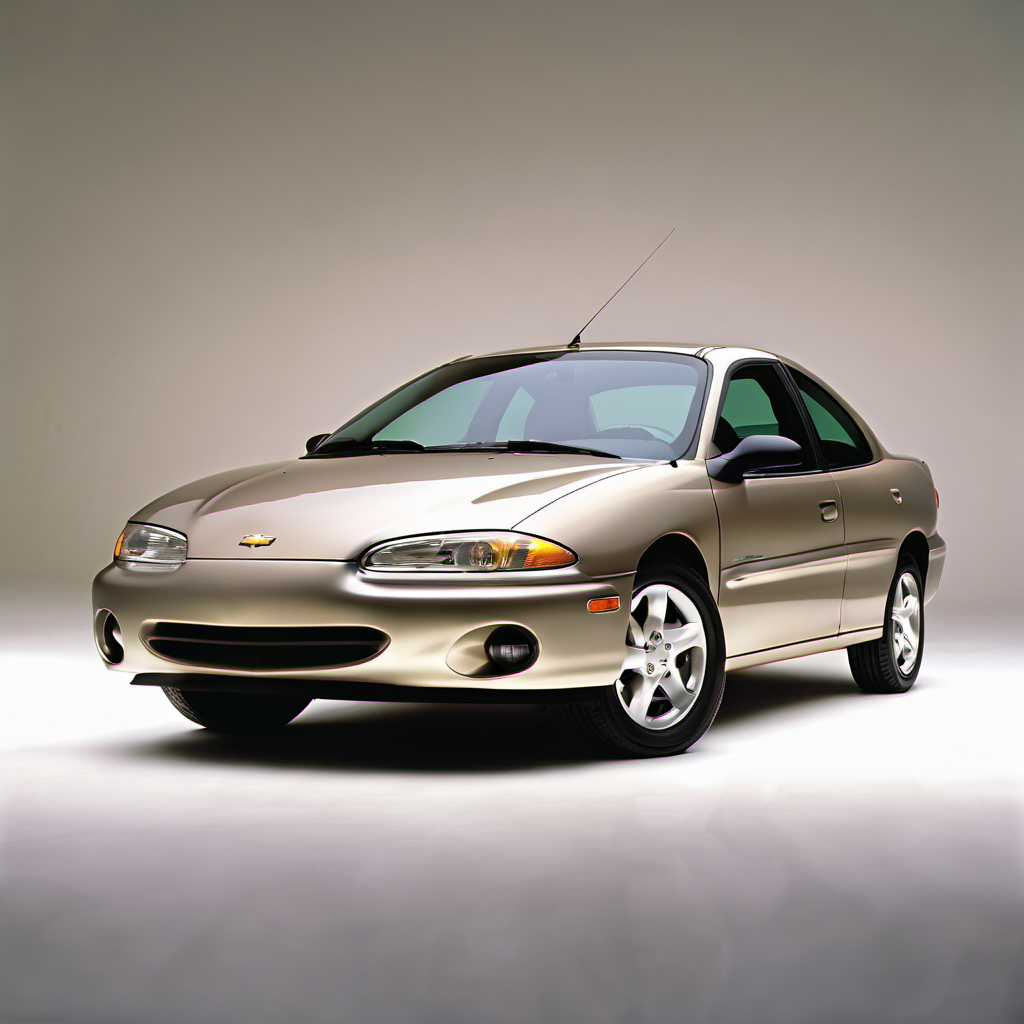
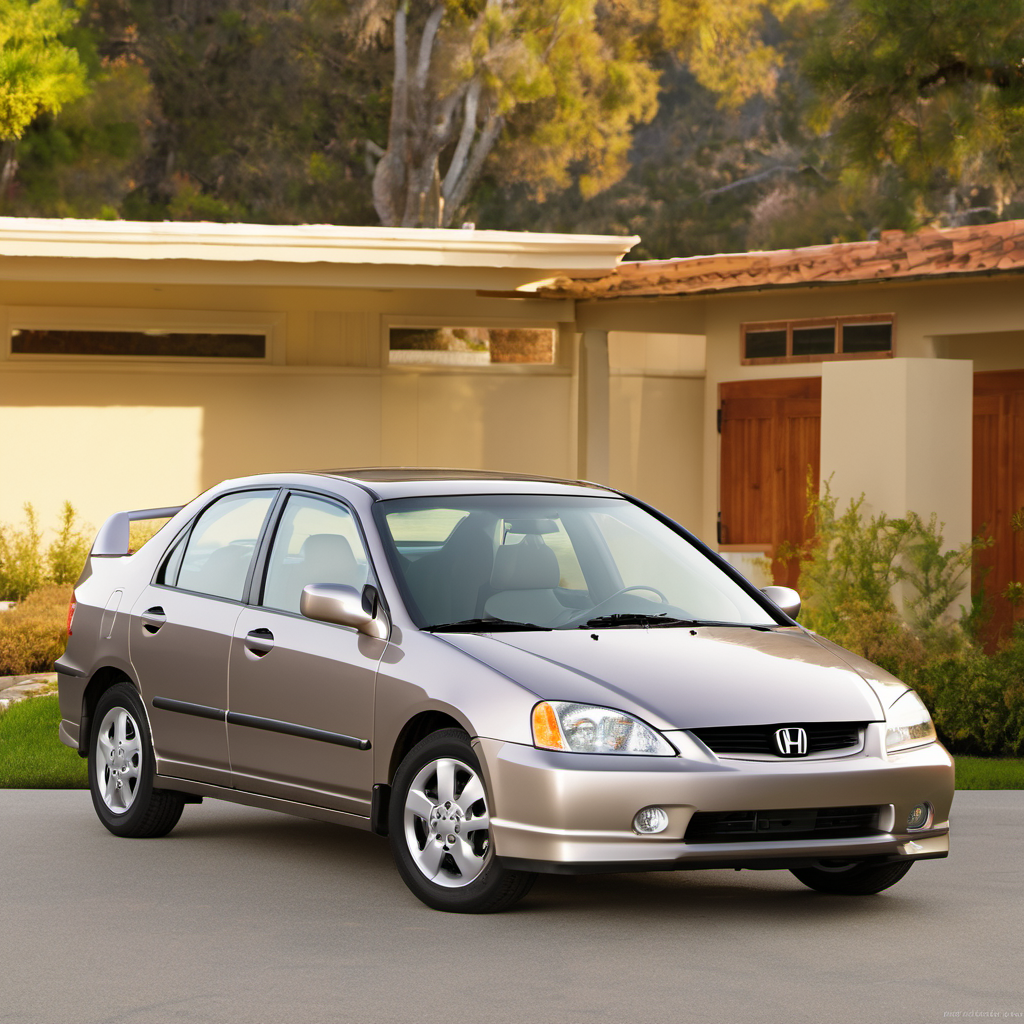
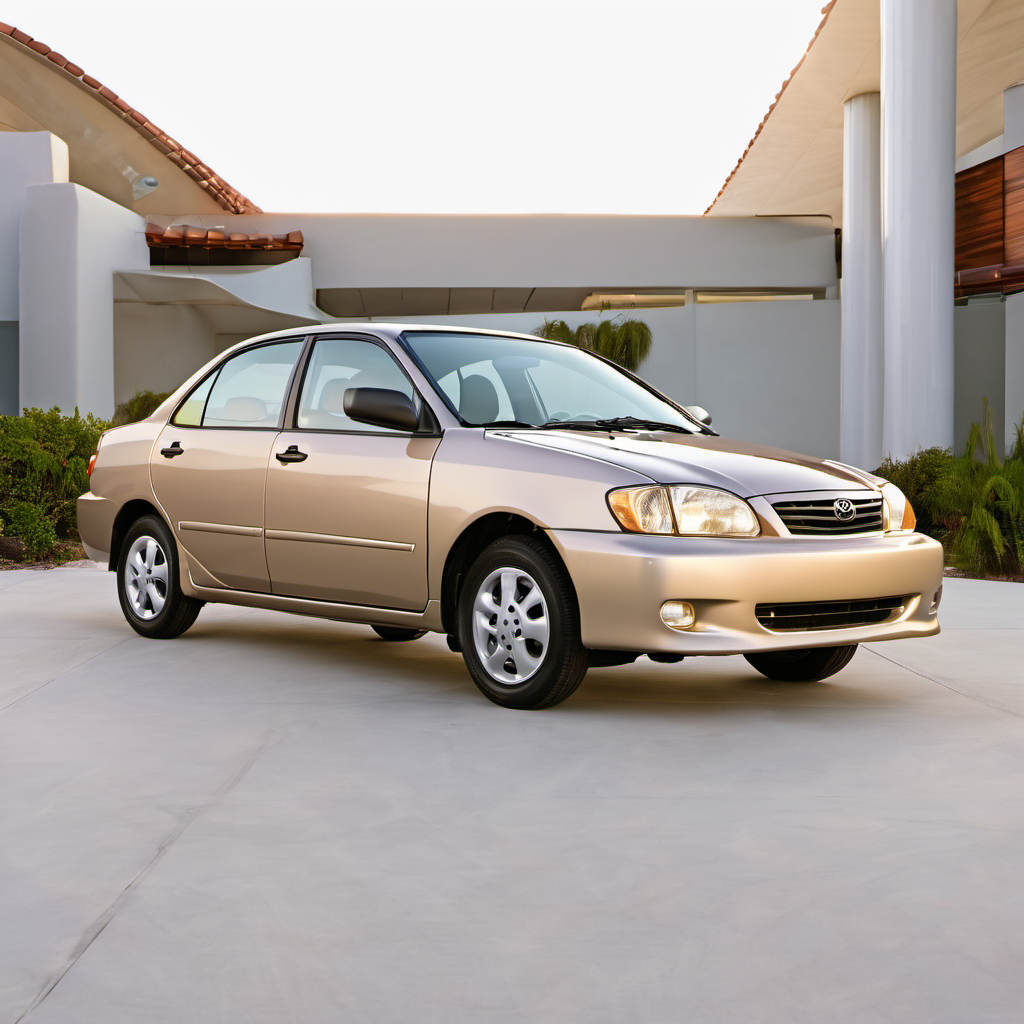
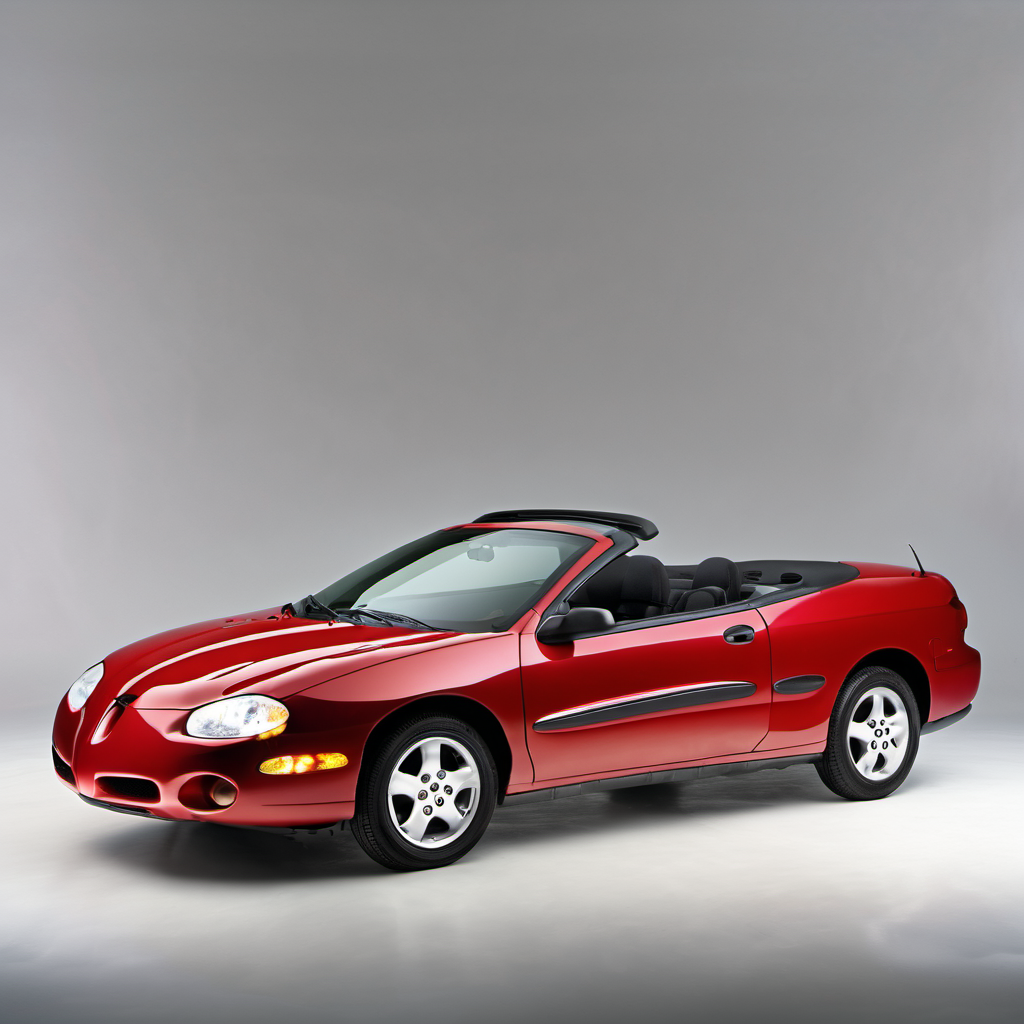
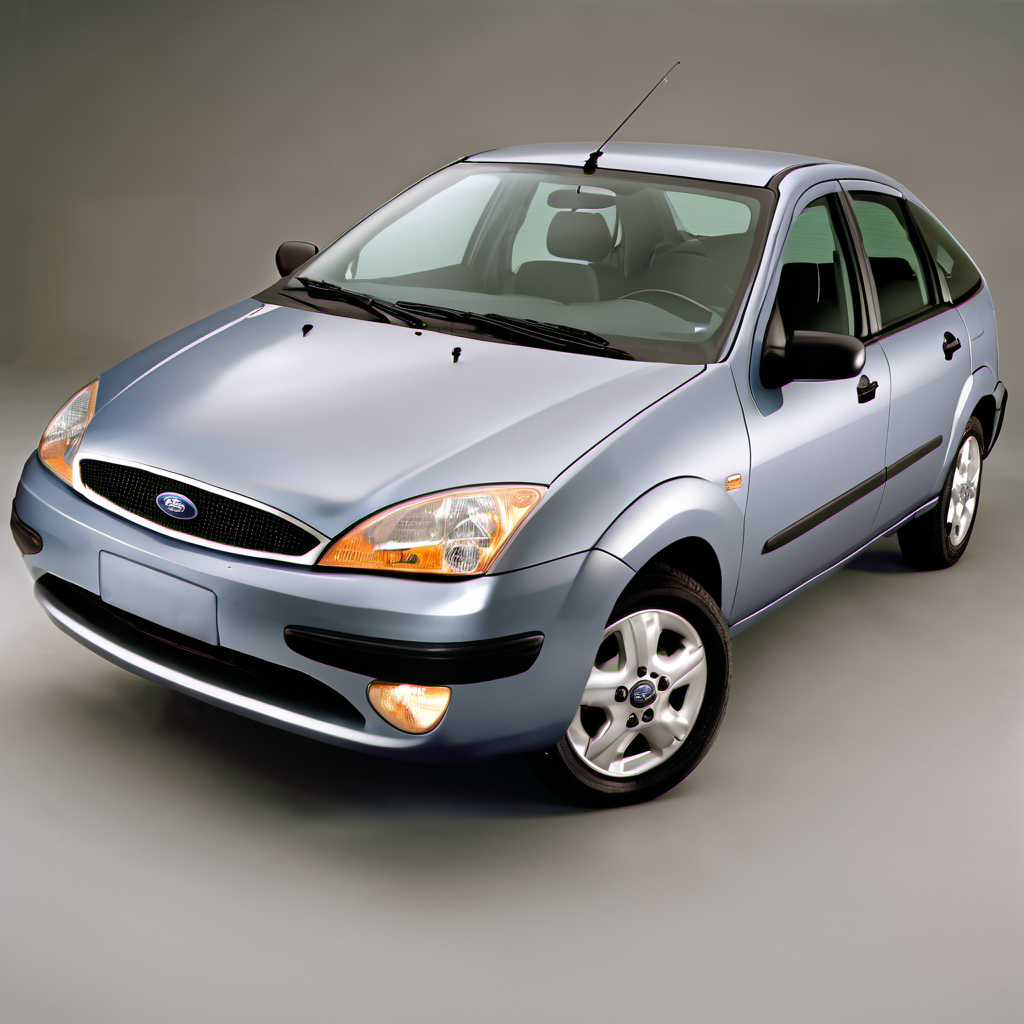
2003 Chevrolet Cavalier Sedan

2003 Chevrolet

CavalierSedan

Sedan

The 2003 Chevrolet Cavalier is a front-wheel-drive compact sedan that spent over two decades as GM's entry-level car in North America. By 2003 it was in its final full model year before the Cobalt replaced it, but that also means the platform was well-sorted. It earned its reputation as cheap transportation — stripped-down, easy to fix, and affordable to insure and fuel. Don't expect a refined driving experience; road noise is high, interior materials are budget-grade, and crash ratings were average at best for the era. The 2.2L Ecotec four-cylinder introduced in 2002 was a genuine improvement over the older pushrod 2.2L. It runs cleaner, pulls better, and — when maintained — can easily reach 200k miles. The four-speed automatic is the weak link for longevity; the manual five-speed is the more durable choice if you find one. For Lake Geneva buyers, know that these cars are now 20+ years old and rust is the number-one killer. Wisconsin salt eats the subframe, floor pans, and brake lines on neglected examples. A clean, well-maintained Cavalier is still a practical budget commuter; a crusty one is a money pit.

Reliability
3/5
Verified data
Specs shown for Cavalier — the most common configuration. Other trims may vary in engine, drivetrain, or fuel economy. Sign in to see your vehicle's exact specs.
Engine
[object Object]
Drivetrain
FWD
Fuel
Gasoline
MPG
21 city / 30 hwy / 25 combined
Seats
Doors
Body
Compact Cars

Overview

AI-curated

The 2003 Chevrolet Cavalier is a front-wheel-drive compact sedan that spent over two decades as GM's entry-level car in North America. By 2003 it was in its final full model year before the Cobalt replaced it, but that also means the platform was well-sorted. It earned its reputation as cheap transportation — stripped-down, easy to fix, and affordable to insure and fuel. Don't expect a refined driving experience; road noise is high, interior materials are budget-grade, and crash ratings were average at best for the era. The 2.2L Ecotec four-cylinder introduced in 2002 was a genuine improvement over the older pushrod 2.2L. It runs cleaner, pulls better, and — when maintained — can easily reach 200k miles. The four-speed automatic is the weak link for longevity; the manual five-speed is the more durable choice if you find one. For Lake Geneva buyers, know that these cars are now 20+ years old and rust is the number-one killer. Wisconsin salt eats the subframe, floor pans, and brake lines on neglected examples. A clean, well-maintained Cavalier is still a practical budget commuter; a crusty one is a money pit.

Known for
  • Low purchase and insurance costs
  • Simple, mechanic-friendly engine bay
  • Decent fuel economy for its era
  • High road and wind noise cabin
  • Rust susceptibility in salt-belt states
Best for
  • Budget-conscious commuters
  • New or young drivers needing cheap transportation
  • DIY mechanics comfortable with basic repairs
  • Short-trip city driving
Watch for
  • Subframe and floor pan rust on any Wisconsin/salt-belt example
  • Brake line corrosion — critical safety issue on aged cars
  • Intake manifold gasket leaks on the Ecotec 2.2L
  • Worn or leaking strut mounts causing handling vagueness
  • Automatic transmission longevity if not regularly serviced

Common issues by mileage

6 known

Intake manifold gasket leak

high
Typically appears
80–140k mi
Estimated repair
$300 – $550

Lower intake / coolant leak causing overheating

medium
Typically appears
90–150k mi
Estimated repair
$200 – $450

Strut and strut mount failure (front)

high
Typically appears
70–120k mi
Estimated repair
$300 – $600

Brake line corrosion / failure

high
Typically appears
Any mileage on salt-belt cars
Estimated repair
$250 – $700

Oxygen sensor heater circuit fault

medium
Typically appears
80–130k mi
Estimated repair
$120 – $280

Automatic transmission slipping / delayed engagement

medium
Typically appears
100–160k mi
Estimated repair
$800 – $2,200

Maintenance schedule

  1. 1
    Every 5,000 miles or 6 months Engine oil and filter change

    The Ecotec 2.2L is tolerant but sludges quickly on extended drain intervals, especially with stop-and-go driving. Fresh oil is the single biggest factor in engine longevity.

  2. 2
    Every 2 years or 30,000 miles Coolant flush and inspection for leaks

    Intake manifold gasket leaks often show up as slow coolant loss. Catching it early prevents overheating damage. Inspect hoses and the thermostat housing at the same time.

  3. 3
    Every 30,000 miles Transmission fluid change (automatic)

    GM's 4T40-E automatic is sensitive to degraded fluid. Many failures on high-mileage cars trace back to extended service intervals. Use Dexron VI.

  4. 4
    Every year, before winter Brake line inspection

    At 20+ years old in Wisconsin, brake lines are a critical rust risk. Have a technician put it on a lift and inspect the full line from master cylinder to each corner.

  5. 5
    Every 30,000 miles Spark plug replacement

    The Ecotec uses conventional spark plugs at this vintage. Fouled or worn plugs cause rough idle and misfires. Straightforward DIY job.

  6. 6
    Every 60,000 miles or if any squealing is heard Serpentine belt and tensioner inspection

    Belt failure leaves you stranded and can damage accessories. Tensioner wear is common by 100k miles.

  7. 7
    Every 2 years or if any pulling, clunking, or vibration is noticed Front struts, mounts, and tie rod ends inspection

    Suspension wear is accelerated by Wisconsin's frost-heaved roads. Worn strut mounts are a common complaint and affect braking stability.

  8. 8
    Every fall before winter Battery load test

    Cold cranking demand spikes in Wisconsin winters. A battery that passes in September may fail to start the car at -10°F in January. Test proactively.

Always defer to the manufacturer's service manual for warranty-mandated intervals.

Cost of ownership

Annual maintenance
$600 – $1,400
Fuel
At 25 MPG combined and ~12,000 miles/year, expect roughly $1,300–$1,600/year at current Midwest gas prices.
Insurance
Among the cheapest cars to insure — expect $600–$1,100/year for full coverage depending on driver profile, given its low replacement value.

The Cavalier remains one of the lowest-cost cars to own on paper. Parts are inexpensive and widely available. The wild card at this age is deferred maintenance and rust repair — a corroded brake line or rotted subframe bracket can run several hundred dollars and catch owners off guard. Budget for those one-time repairs on a used example.
Seasonal care

Lake Geneva, WI
Winter
  • Have brake lines inspected every fall — road salt accelerates corrosion on 20-year-old steel lines, and a failure is a serious safety event.
  • Load-test the battery in October. The Ecotec 2.2L starts fine in cold weather when the battery is healthy, but a weak battery will leave you stranded fast at Wisconsin temps.
  • Switch to a winter-rated wiper fluid rated to at least -25°F. The standard reservoir fill is not adequate for Lake Geneva winters.
  • Check tire pressure monthly — it drops roughly 1 PSI for every 10°F of temperature loss. Under-inflated tires hurt traction and fuel economy.
  • If the car sits outside, consider a block heater or battery maintainer for stretches of sub-zero weather.
  • Rinse the undercarriage at a touchless car wash every 2–3 weeks during active salt season to slow subframe and rocker panel corrosion.
Summer
  • Inspect coolant level and hose condition before hot weather — a slow intake manifold gasket leak becomes an overheating problem faster in 90°F temperatures.
  • Check tire pressure monthly in summer too; heat expands air and can push pressures above the door-placard spec, increasing wear.
  • Run the A/C system and check for weak cooling — the refrigerant charge on a 20-year-old car may be low, and compressor seals degrade with age and disuse.
  • Inspect the serpentine belt for cracking or glazing; heat accelerates belt degradation and a summer breakdown is just as inconvenient as a winter one.

Comparable vehicles

If you're shopping for one

Red flags
  • Visible rust holes or soft floor pans — structural rust makes the car unsafe and repair costs can exceed the car's value.
  • Any sign of overheating history (stained coolant reservoir, white residue in oil fill cap, or warped head) — the Ecotec can suffer head damage from overheating.
  • Automatic transmission that hesitates, slips, or shudders — rebuilds start around $1,200 at an independent shop.
  • No service records on a high-mileage car — on a 20-year-old economy car, maintenance history is the biggest predictor of remaining life.
  • Soft or spongy brake pedal — could indicate a failing master cylinder or, more seriously, a corroded line that is about to fail completely.
What to inspect
  • Lift the car and inspect the subframe, floor pans, rocker panels, and brake lines for rust — this is non-negotiable on any Wisconsin-registered example.
  • Check for coolant smell or residue around the intake manifold and thermostat housing; slow leaks are common and often go unreported.
  • Test the automatic transmission for smooth shifts in all gears and listen for any slipping, shuddering, or delayed engagement.
  • Inspect struts for leaking oil and test the car over bumps for clunking, which points to worn strut mounts.
  • Check all four oxygen sensors and look for any stored or pending DTCs with a code reader before purchase.
AI profile generated 18 days ago · claude-sonnet-4-6 · v2.