Intake Manifold Lower Gasket Failure (Coolant/Oil Leak)
high- Typically appears
- 60–130k mi
- Estimated repair
- $350 – $650
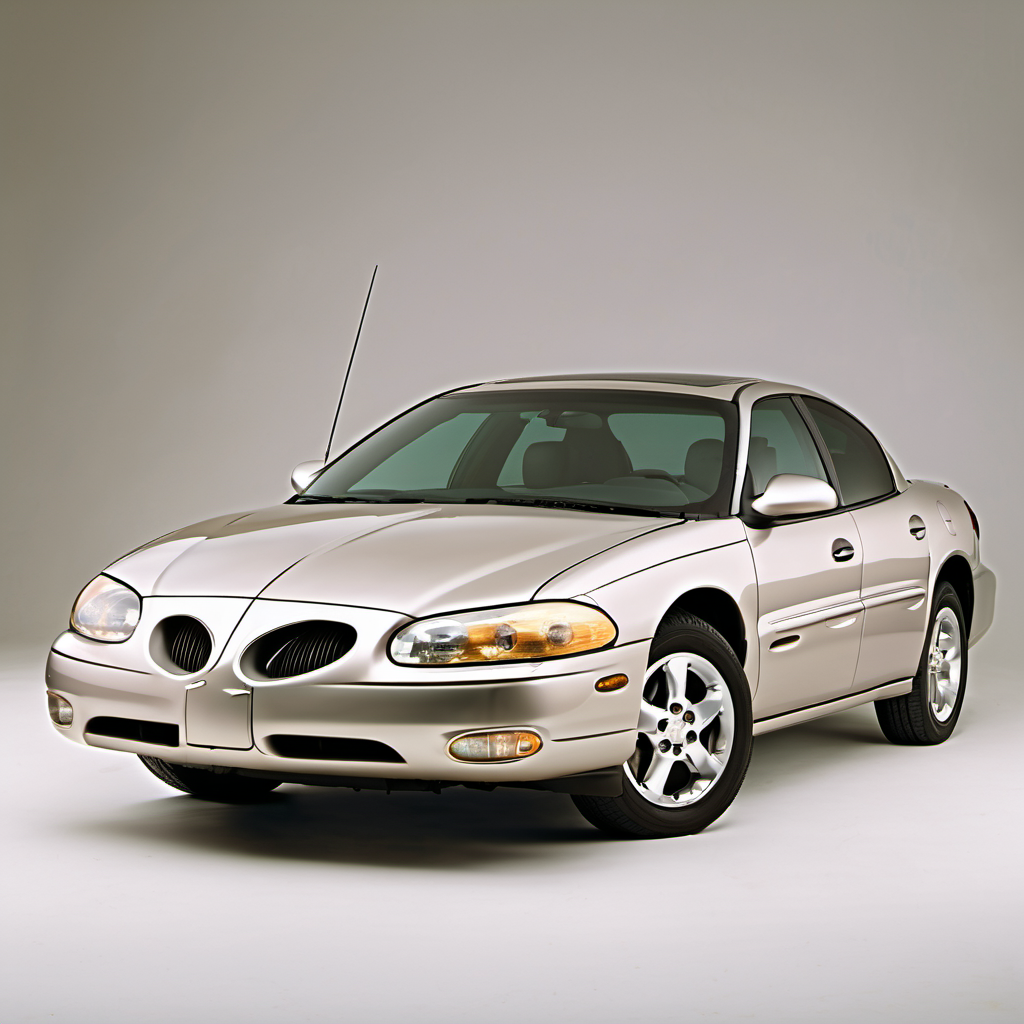
2003 Pontiac
Sedan
The 2003 Pontiac Grand Prix is a front-wheel-drive full-size sedan built on GM's W-body platform, shared with the Buick Regal and Chevrolet Impala. It was Pontiac's everyday performance flagship — wider than most cars in its class, with a sporty interior and a smooth-revving 3.1L V6 as the base powerplant. A supercharged 3.8L V6 GTP trim also existed, though the 3.1L was the volume seller. By 2003 the Grand Prix had been on its fourth-generation W-body since 1997, meaning the platform was well-sorted but aging. It offered a comfortable, roomy cabin, a relatively low price point, and decent highway fuel economy for its size. It was a popular choice for families wanting something sportier than a Malibu without crossing into full luxury territory. At 20+ years old, these cars are now deep into their second or third ownership cycle. Rust from Wisconsin road salt is the primary structural threat. Mechanically, the 3.1L V6 is straightforward and parts are abundant, but the car's age means cooling system components, intake manifold gaskets, and suspension bushings are likely well past their service life on any unrestored example.
The 2003 Pontiac Grand Prix is a front-wheel-drive full-size sedan built on GM's W-body platform, shared with the Buick Regal and Chevrolet Impala. It was Pontiac's everyday performance flagship — wider than most cars in its class, with a sporty interior and a smooth-revving 3.1L V6 as the base powerplant. A supercharged 3.8L V6 GTP trim also existed, though the 3.1L was the volume seller. By 2003 the Grand Prix had been on its fourth-generation W-body since 1997, meaning the platform was well-sorted but aging. It offered a comfortable, roomy cabin, a relatively low price point, and decent highway fuel economy for its size. It was a popular choice for families wanting something sportier than a Malibu without crossing into full luxury territory. At 20+ years old, these cars are now deep into their second or third ownership cycle. Rust from Wisconsin road salt is the primary structural threat. Mechanically, the 3.1L V6 is straightforward and parts are abundant, but the car's age means cooling system components, intake manifold gaskets, and suspension bushings are likely well past their service life on any unrestored example.
The 3.1L V6 lower intake manifold gaskets are a known failure — coolant leaks into oil, causing rapid engine damage if ignored. This is the single most important repair to verify on any used example.
Dex-Cool coolant becomes acidic over time and eats gaskets and hoses from the inside. On a 20-year-old car, all rubber cooling components and the water pump are high-risk.
GM's 4T65-E is generally reliable but suffers when fluid is neglected. Fresh fluid extends life significantly on aging examples.
The rear bank of plugs on a transverse V6 is harder to access; many owners skip them. Misfires put extra load on the catalytic converter and O2 sensors.
W-body suspension is robust but rubber components are now 20+ years old. Failed strut mounts cause clunking and handling instability, especially on Wisconsin roads.
Wisconsin road salt is brutal on these cars. Brake and fuel lines on 20-year-old Grand Prix sedans are a genuine safety concern. Steel brake lines can fail without warning.
Cold cranking amps drop sharply in sub-zero temperatures. A battery that passes a test in summer can fail to start the car on a -10°F Wisconsin morning.
Aging O2 sensors cause rich running, poor fuel economy, and catalytic converter damage. Heater circuit codes are the first sign of a failing sensor on this platform.
Always defer to the manufacturer's service manual for warranty-mandated intervals.
The Grand Prix is cheap to insure and fuel costs are moderate. Parts are inexpensive and widely available at any auto parts store. The real cost risk is deferred maintenance — intake gaskets, cooling system, and rust repairs can stack up fast on a neglected example. Budget $1,000–$1,800/year for maintenance on a high-mileage car that hasn't been recently serviced.
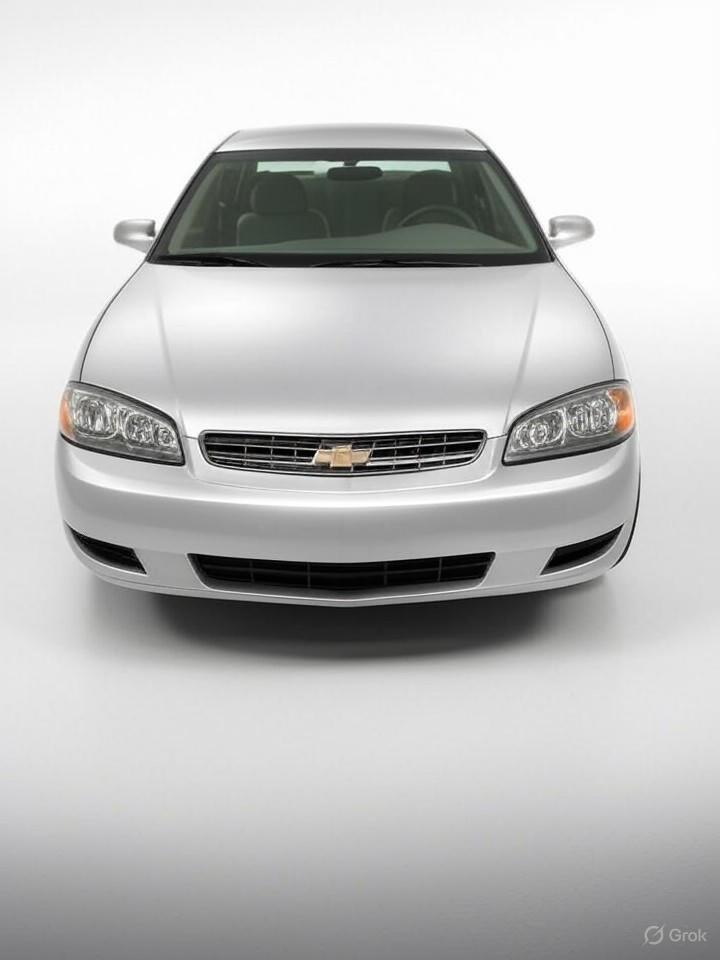
Shares the same GM W-body platform and 3.8L/3.4L V6 options. More practical trunk, nearly identical reliability profile, often cheaper to buy used.
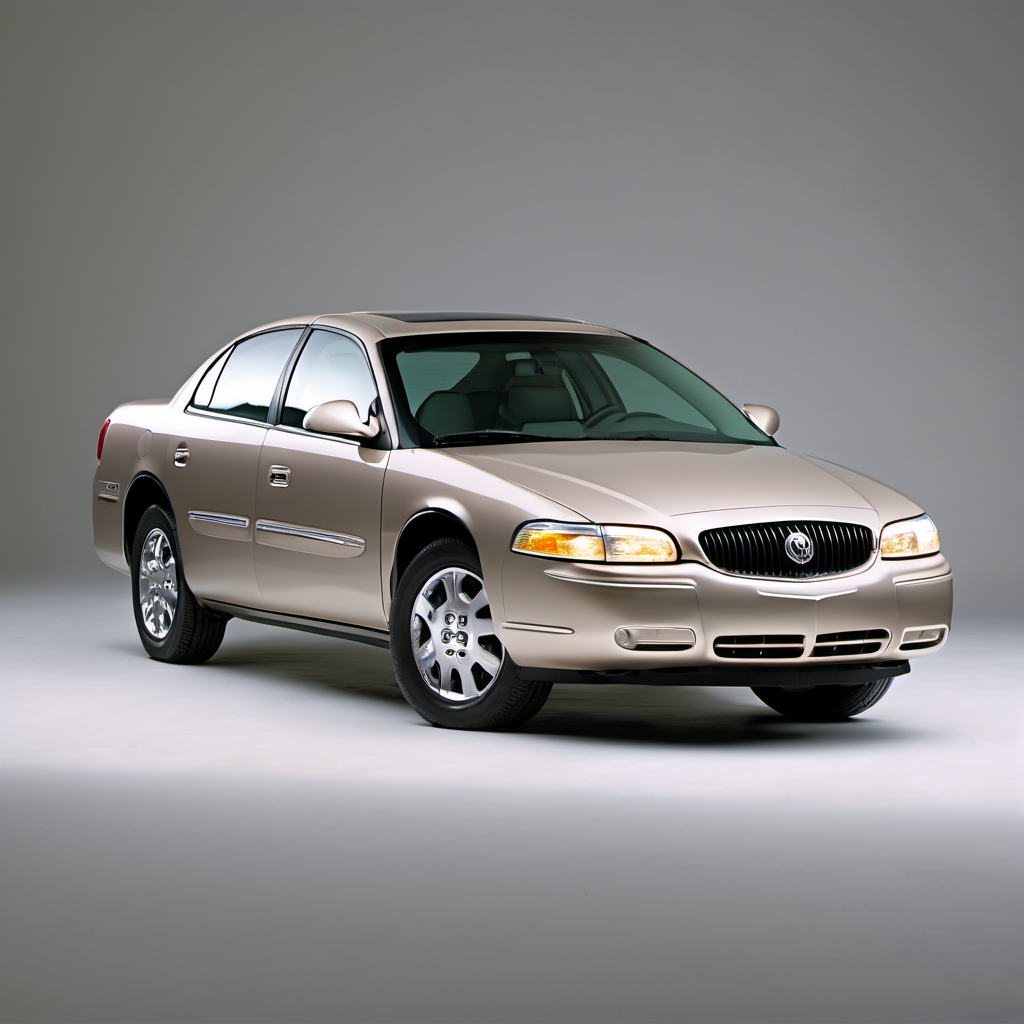
Same W-body platform, same basic drivetrain, slightly more upscale interior. Often better maintained by original owners and can be found for similar money.
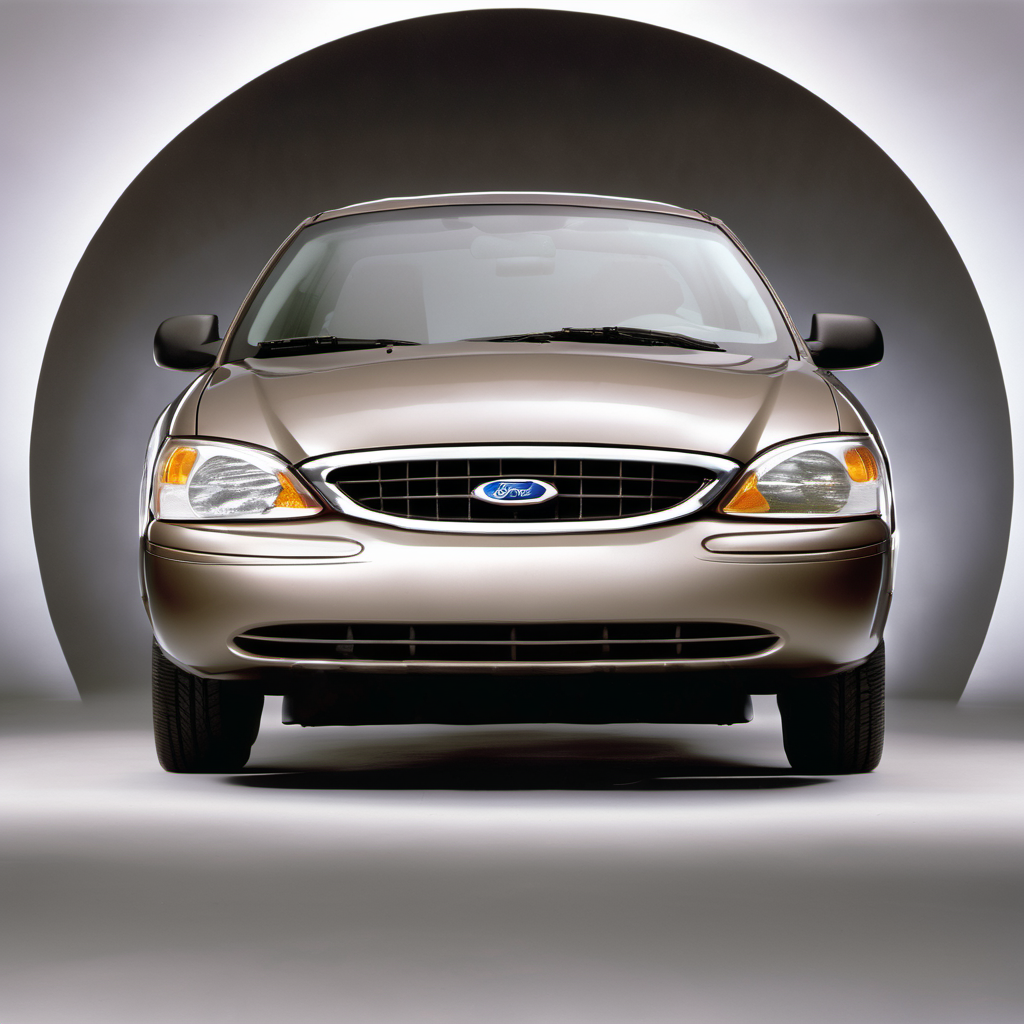
Direct FWD family sedan competitor from the same era. The Vulcan V6 has fewer known gasket issues; parts are equally cheap and abundant.
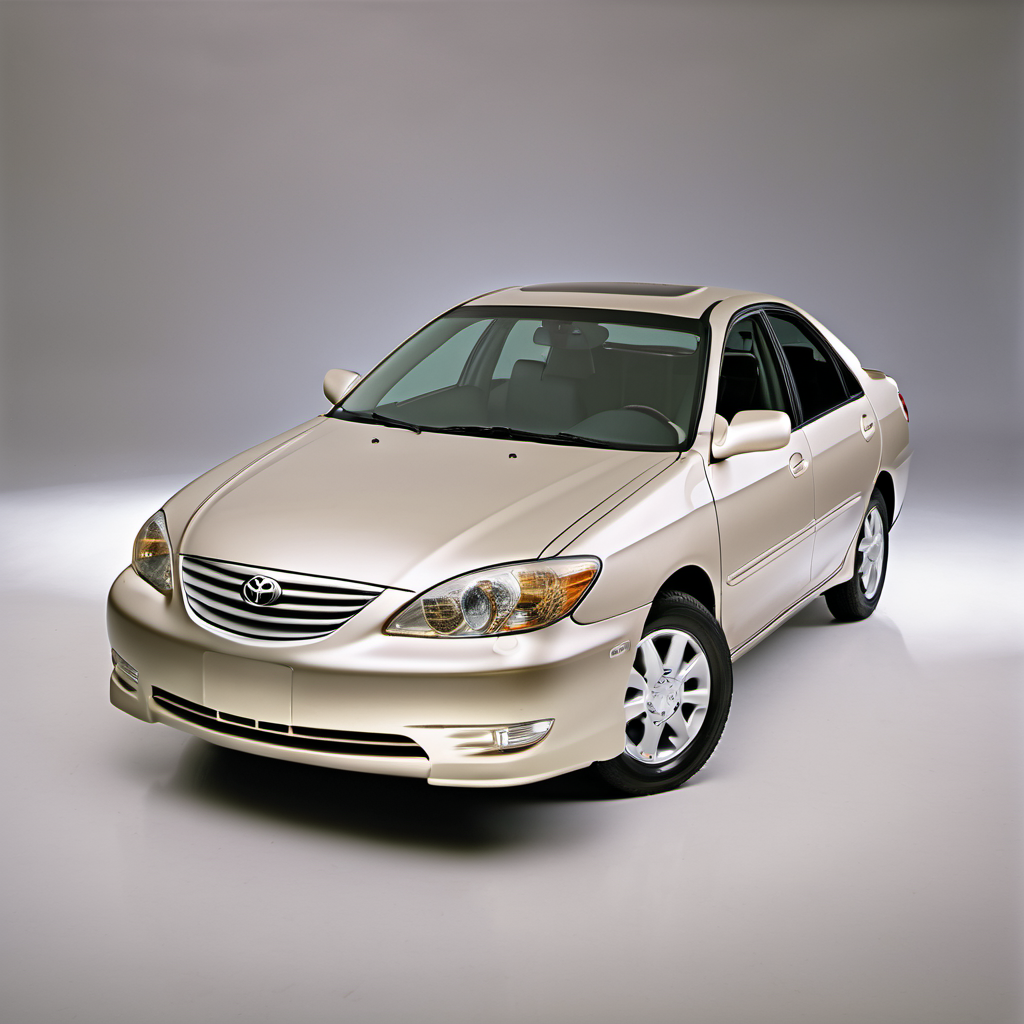
If budget allows a step up, the same-era Camry V6 offers significantly better long-term reliability and rust resistance, though it costs more used.