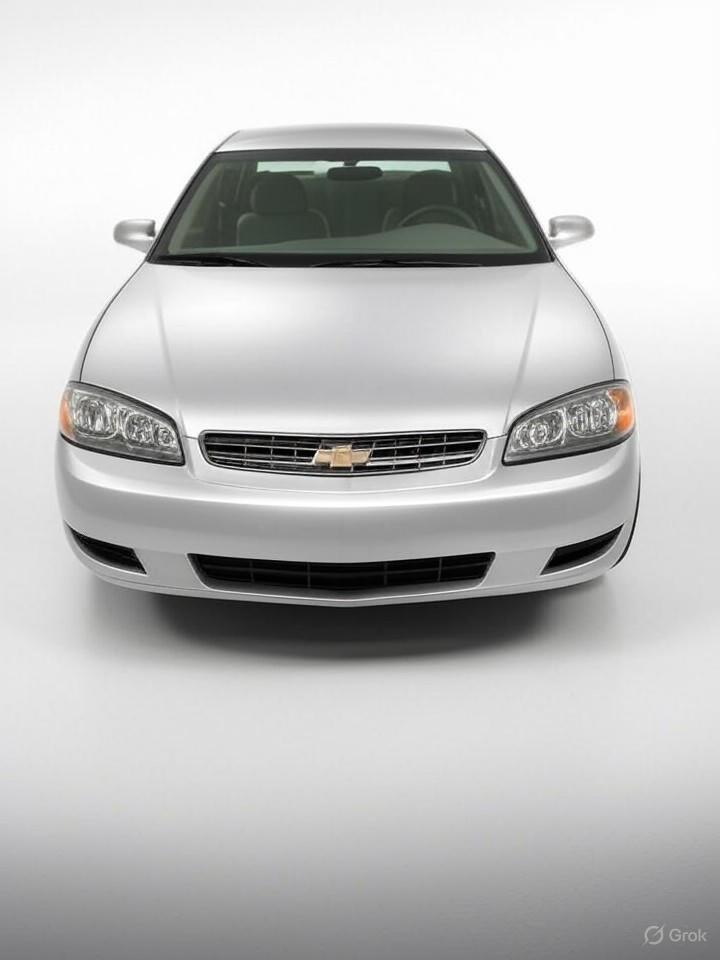
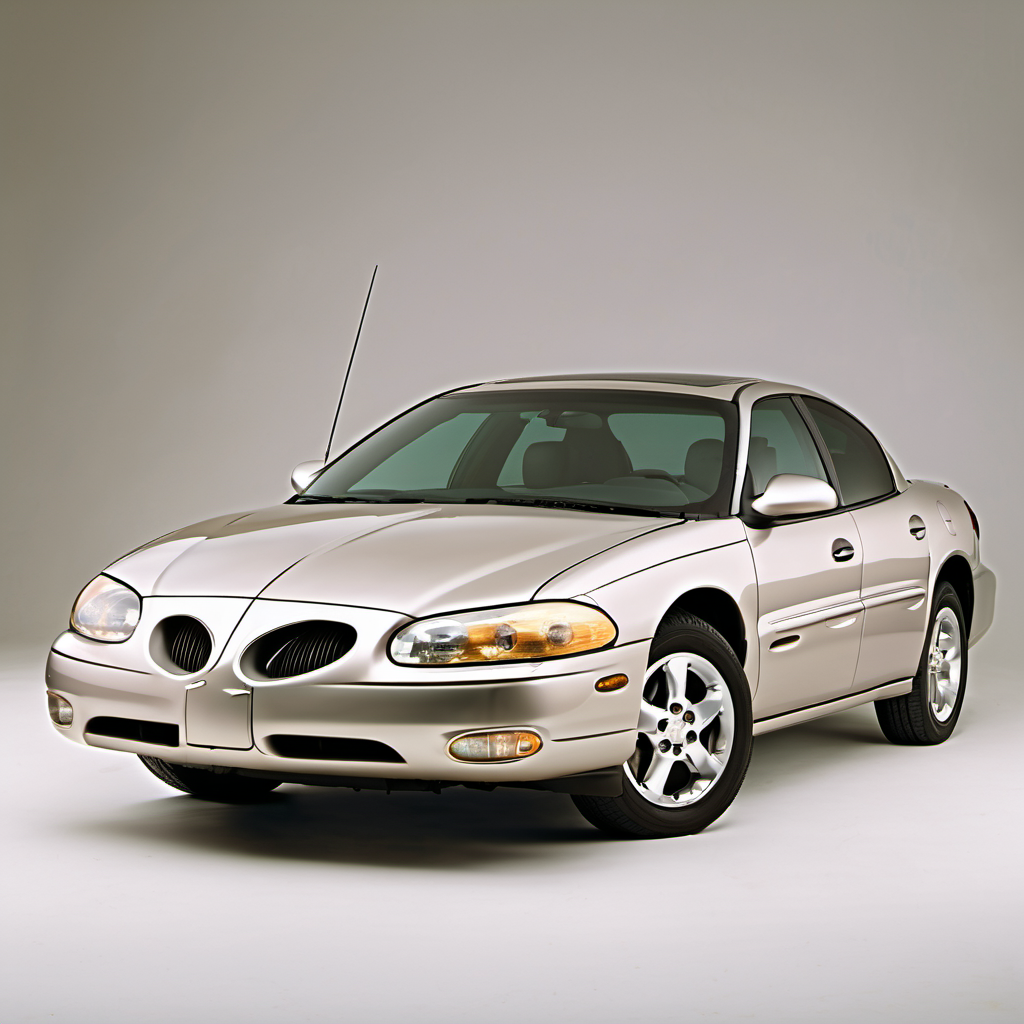
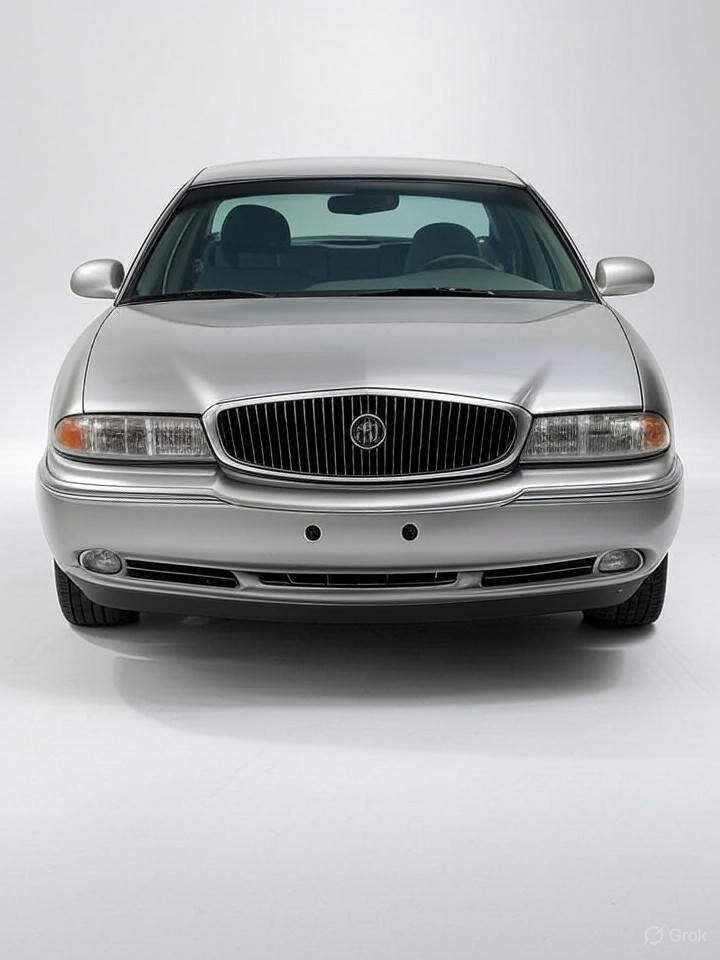
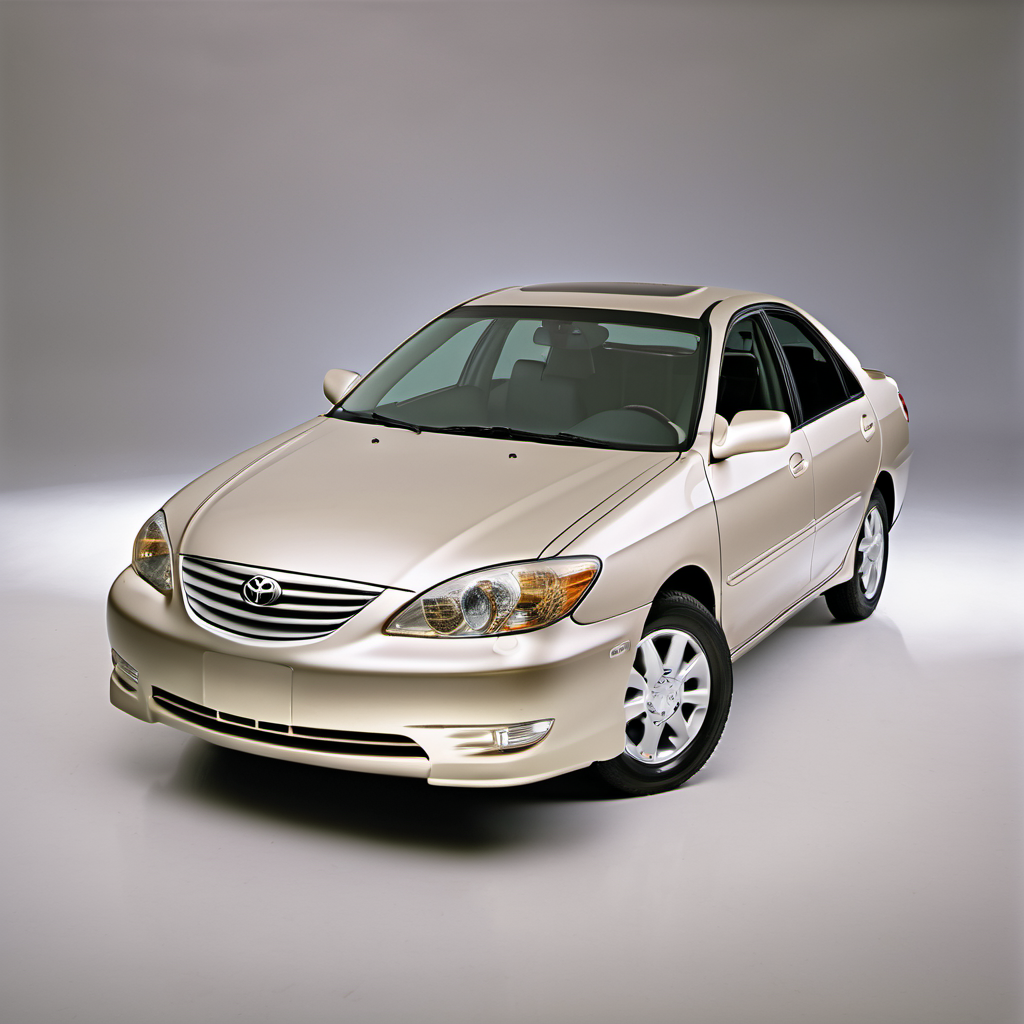
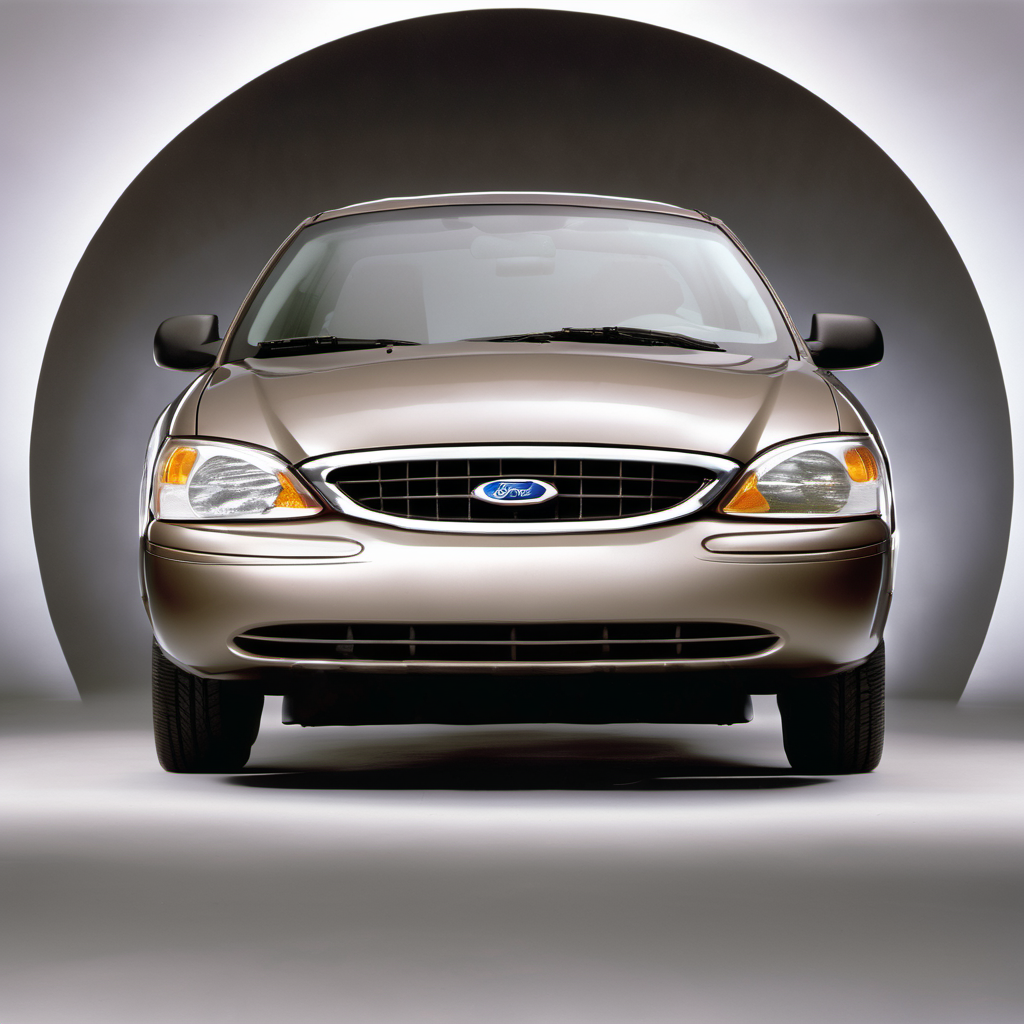
2003 Chevrolet Impala Sedan

2003 Chevrolet

ImpalaSedan

Sedan

The 2003 Chevrolet Impala is a front-wheel-drive full-size sedan built on GM's W-body platform, a design shared with the Buick Century, Regal, and Pontiac Grand Prix. It was one of the best-selling cars in America at the time, prized for its spacious interior, comfortable ride, and straightforward mechanicals that most independent shops can service easily. The base 3.4L V6 is a proven, low-stress engine that rewards regular oil changes with long life. The 4T65-E four-speed automatic paired to it is generally durable, though it can show wear after 100k miles if transmission fluid was never serviced. Overall, this is a practical, affordable used car with a large parts supply and no shortage of mechanics who know it. At 20+ years old, any surviving 2003 Impala needs a thorough inspection focused on rust (especially in Wisconsin), cooling system condition, and suspension wear. The good news: parts are cheap and plentiful, and labor rates at an independent shop keep ownership cost manageable.

Reliability
3/5
Verified data
Specs shown for Impala — the most common configuration. Other trims may vary in engine, drivetrain, or fuel economy. Sign in to see your vehicle's exact specs.
Engine
[object Object]
Drivetrain
FWD
Fuel
Gasoline
MPG
19 city / 29 hwy / 22 combined
Seats
Doors
Body
Large Cars

Overview

AI-curated

The 2003 Chevrolet Impala is a front-wheel-drive full-size sedan built on GM's W-body platform, a design shared with the Buick Century, Regal, and Pontiac Grand Prix. It was one of the best-selling cars in America at the time, prized for its spacious interior, comfortable ride, and straightforward mechanicals that most independent shops can service easily. The base 3.4L V6 is a proven, low-stress engine that rewards regular oil changes with long life. The 4T65-E four-speed automatic paired to it is generally durable, though it can show wear after 100k miles if transmission fluid was never serviced. Overall, this is a practical, affordable used car with a large parts supply and no shortage of mechanics who know it. At 20+ years old, any surviving 2003 Impala needs a thorough inspection focused on rust (especially in Wisconsin), cooling system condition, and suspension wear. The good news: parts are cheap and plentiful, and labor rates at an independent shop keep ownership cost manageable.

Known for
  • Roomy, comfortable cabin for a mid-price family sedan
  • 3.4L V6 known for solid longevity with proper maintenance
  • Large parts availability keeps repair costs low
  • Smooth, compliant ride quality for long highway drives
  • Strong sales volume means plenty of used examples to compare
Best for
  • Budget-conscious buyers wanting a reliable daily driver
  • Families needing seating for five with trunk space
  • High-mileage commuters on a tight maintenance budget
  • First-time used-car buyers who want a simple, proven platform
Watch for
  • Intake manifold gasket failure — extremely common on the 3.4L V6
  • Rust on frame rails, subframe, and rocker panels in salt-belt states
  • Transmission fluid that has never been serviced in high-mileage examples
  • Worn or cracked lower ball joints and tie rod ends
  • Coolant leaks going unnoticed and causing overheating damage

Common issues by mileage

6 known

Intake Manifold Gasket Failure (Lower Gasket)

high
Typically appears
70–130k mi
Estimated repair
$350 – $650

Lower Ball Joint and Tie Rod End Wear

high
Typically appears
80–150k mi
Estimated repair
$200 – $500

Transmission Slipping / Harsh Shifts (4T65-E)

medium
Typically appears
100–160k mi
Estimated repair
$150 – $2,800

Coolant Reservoir Cracking / Coolant Loss

high
Typically appears
60–120k mi
Estimated repair
$50 – $200

Oxygen Sensor Heater Circuit Fault

medium
Typically appears
80–150k mi
Estimated repair
$100 – $300

Rust — Rocker Panels, Subframe, and Wheel Wells

high
Typically appears
Any mileage on salt-belt vehicles
Estimated repair
$300 – $3,000

Maintenance schedule

  1. 1
    Every 5,000 miles or 6 months Engine oil and filter change

    The 3.4L V6 develops sludge under extended drain intervals, which accelerates wear on the camshaft and lifters. Consistent oil changes are the single best thing you can do for this engine.

  2. 2
    Every 30,000 miles or 2 years; inspect annually Coolant system flush and inspection

    Degraded Dex-Cool becomes acidic and accelerates the intake manifold gasket failure this engine is famous for. Use the correct orange Dex-Cool formulation and don't let it go past its service life.

  3. 3
    Every 30,000–45,000 miles Transmission fluid and filter service

    The 4T65-E automatic is durable but sensitive to burnt fluid. Many used Impalas have never had this done — it's one of the first things to check and service on any used purchase.

  4. 4
    Inspect every oil change; replace at first sign of cracking Coolant reservoir inspection and replacement

    Plastic reservoirs become brittle with age and heat cycles. A cracked reservoir leads to coolant loss and overheating — cheap prevention vs. expensive head gasket repair.

  5. 5
    Every 60,000 miles or at first sign of cracking/glazing Serpentine belt and tensioner inspection

    A snapped serpentine belt leaves you stranded and can damage accessories. At 20+ years old, inspect annually regardless of mileage.

  6. 6
    Every 30,000 miles or annually Front suspension inspection — ball joints, tie rods, sway bar links

    The FWD front suspension takes heavy abuse on Wisconsin roads. Worn ball joints are a safety issue and a failed lower ball joint can cause sudden loss of steering control.

  7. 7
    Every 2–3 years Brake fluid flush

    Brake fluid absorbs moisture over time, lowering its boiling point and promoting corrosion inside the ABS modulator — expensive to replace on this platform.

  8. 8
    Every fall before winter season Underbody rust inspection and treatment

    Wisconsin road salt destroys the subframe, brake lines, and rocker panels on W-body cars. Annual inspection catches problems before they become structural or safety failures.

Always defer to the manufacturer's service manual for warranty-mandated intervals.

Cost of ownership

Annual maintenance
$400 – $1,000
Fuel
At 22 MPG combined and typical Lake Geneva driving mix, expect roughly $1,800–$2,400/year at current Wisconsin gas prices for average annual mileage.
Insurance
Typically low — an older full-size sedan with low market value generally falls in the minimum-coverage or low-comp category. Expect $600–$1,200/year depending on driver profile.

The 2003 Impala is one of the cheaper full-size sedans to own day-to-day. Parts are inexpensive and widely available, and independent shops know this platform well. The wildcard is deferred maintenance: an Impala that skipped coolant and transmission service can hit you with a $500–$3,000 repair bill quickly. Budget for the intake manifold gasket if it hasn't been done — it's a 'when,' not an 'if' on the 3.4L.
Seasonal care

Lake Geneva, WI
Winter
  • Check battery health before first hard freeze — cold cranking amps drop significantly below 0°F and a marginal battery that starts fine in October will fail in January.
  • Switch to a full-synthetic 5W-30 oil if using conventional; thinner cold-start viscosity protects the 3.4L during sub-zero morning starts.
  • Inspect and replace wiper blades with winter-rated blades; top off washer fluid with a -25°F or colder rated formula — Wisconsin winters will freeze standard fluid in the lines.
  • Inspect brake lines and fuel lines under the car for rust-through before winter — salt accelerates any existing corrosion and a leaking brake line in winter is a serious safety hazard.
  • Check tire tread depth and inflation; cold air drops tire pressure roughly 1 PSI per 10°F drop — under-inflated tires reduce traction on ice and snow significantly.
  • Apply an underbody rinse after every heavy salting event when temperatures allow; the W-body subframe and rocker panels are rust-vulnerable and salt accumulation is the primary enemy of these cars in Wisconsin.
Summer
  • Inspect the cooling system thoroughly before summer heat — pressure-test the system, check the coolant reservoir for cracks, and confirm the thermostat opens correctly. Overheating is this car's biggest summer risk.
  • Check A/C refrigerant charge and cabin air filter; the 2003 Impala uses R-134a. A weak A/C on a hot Wisconsin July day often just needs a recharge and a new cabin filter.
  • Check tire pressure monthly — heat expands air and an overinflated tire on hot pavement reduces contact patch and wears unevenly.
  • Inspect the serpentine belt and belt tensioner; heat and high accessory load in summer accelerate belt degradation on aging vehicles.

Comparable vehicles

If you're shopping for one

Red flags
  • Visible rust perforation on rocker panels or subframe — structural rust can make the car uneconomical to repair.
  • Coolant reservoir with brown sludge or oil sheen — likely means a blown intake manifold gasket at minimum; could mean worse.
  • Transmission that slips, hesitates, or bangs into gear — fluid-starved 4T65-E units are expensive to rebuild.
  • Any sign of overheating history: discolored coolant, warped hood paint above the engine, or a replaced thermostat without a cooling system flush.
  • Mismatched panel gaps or overspray suggesting accident repair — check CarFax and inspect closely under bright light.
  • An asking price that seems low even by Impala standards — at this age, 'cheap' usually means someone already knows about a problem.
What to inspect
  • Crawl under the car and check the front subframe, rear subframe mounts, rocker panels, and brake lines for rust-through — this is the number-one deal-killer on Wisconsin-driven W-body Impalas.
  • Pull the engine oil dipstick and look for milky or sludgy oil — a sign of coolant intrusion from the intake manifold gasket or head gasket failure.
  • Check the coolant reservoir for brown slime or oily film on the cap — another indicator of a compromised intake manifold gasket.
  • With the engine warm and idling, look for white steam from the exhaust or coolant smell — not to be confused with normal cold-start condensation.
  • Test drive with attention to transmission behavior: firm, consistent shifts from 1–2 and 2–3 are normal. Slipping, flaring RPMs, or hard clunks suggest deferred fluid service or internal wear.
  • Bounce each corner of the car and listen for clunking — worn strut mounts and sway bar end links are common and easy to hear.
  • Check all power windows, locks, and the HVAC blend door — these small electrical items are common failure points on 20-year-old GM interiors.
AI profile generated 13 days ago · claude-sonnet-4-6 · v2.