Timing Belt Failure (Interference Engine)
high- Typically appears
- 60–105k mi (then every 60k thereafter)
- Estimated repair
- $350 – $600
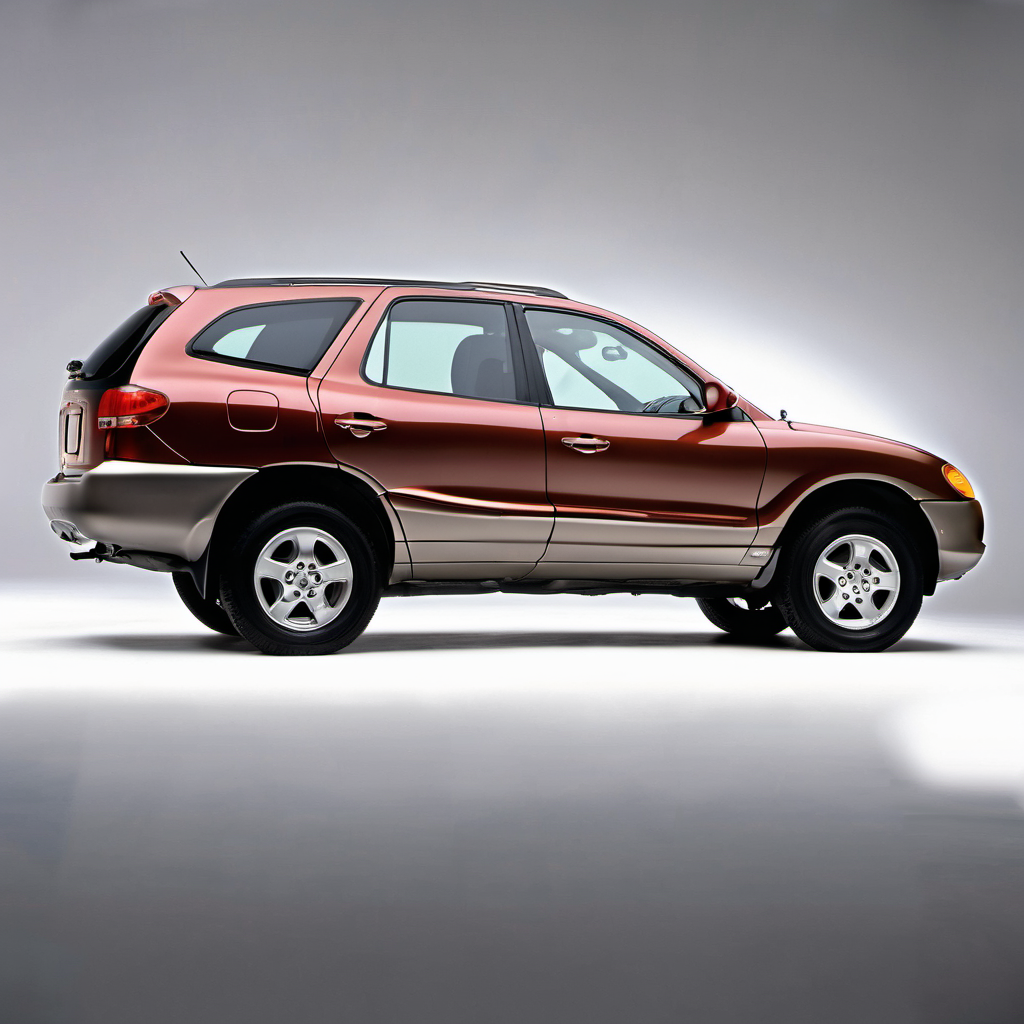
2003 Hyundai
SUV
The 2003 Hyundai Santa Fe was part of the first generation (2001–2006) that launched Hyundai into the compact SUV market and helped cement the brand's credibility in North America. Built on a car-based platform, it rides more like a tall wagon than a traditional truck-based SUV — comfortable on pavement, adequate on light trails. The 2.4L four-cylinder is the base engine, paired with front-wheel drive, making it a sensible commuter and grocery-getter rather than an off-road machine. By 2003, Hyundai had ironed out most of the first-year gremlins from the 2001 launch. Build quality is adequate for the era, but this is a 20-plus-year-old vehicle now. Rust from Wisconsin road salt is the biggest enemy at this age, and suspension/steering wear is essentially guaranteed. Budget accordingly. Owners who kept up on oil changes and cooling system service routinely pushed these past 150k miles. Skip the maintenance and the 2.4L four-cylinder will let you know about it. If the car has been cared for and the undercarriage is clean, it can still be a reliable daily driver at a low purchase price.
The 2003 Hyundai Santa Fe was part of the first generation (2001–2006) that launched Hyundai into the compact SUV market and helped cement the brand's credibility in North America. Built on a car-based platform, it rides more like a tall wagon than a traditional truck-based SUV — comfortable on pavement, adequate on light trails. The 2.4L four-cylinder is the base engine, paired with front-wheel drive, making it a sensible commuter and grocery-getter rather than an off-road machine. By 2003, Hyundai had ironed out most of the first-year gremlins from the 2001 launch. Build quality is adequate for the era, but this is a 20-plus-year-old vehicle now. Rust from Wisconsin road salt is the biggest enemy at this age, and suspension/steering wear is essentially guaranteed. Budget accordingly. Owners who kept up on oil changes and cooling system service routinely pushed these past 150k miles. Skip the maintenance and the 2.4L four-cylinder will let you know about it. If the car has been cared for and the undercarriage is clean, it can still be a reliable daily driver at a low purchase price.
The 2.4L is an interference engine. A snapped belt means bent valves and a destroyed engine. At this vehicle's age, if there's no documented replacement, treat it as overdue regardless of mileage.
Degraded coolant raises the risk of overheating, which is the primary trigger for head gasket failure on this engine.
Hyundai did not originally call for frequent trans fluid changes, but real-world experience shows the 4-speed automatic lives longer with regular fluid changes. Use the specified fluid type.
The 2.4L tolerates neglect poorly. Sludge buildup from extended intervals shortens bearing life noticeably.
Wisconsin road salt accelerates rotor surface rust and caliper corrosion. Annual inspection catches seized calipers before they become a safety or tire-wear issue.
Ball joints, tie rod ends, and sway bar links are routinely worn on vehicles this age. Failed ball joints are a loss-of-control event.
Convenient to replace at the same time as the timing belt while the front of the engine is already apart.
Salt-belt vehicles this age can have significant frame and subframe rust. Catching it early lets you treat exposed metal before structural integrity is compromised.
Always defer to the manufacturer's service manual for warranty-mandated intervals.
The 2003 Santa Fe is inexpensive to insure and fuel. Routine maintenance is modest, but this is a 20-year-old vehicle — expect one or two larger repairs (suspension, cooling system, or transmission) in any given ownership period. Budget a $1,000–$1,500 contingency fund annually. The lower purchase price helps offset the unpredictability of an older vehicle.
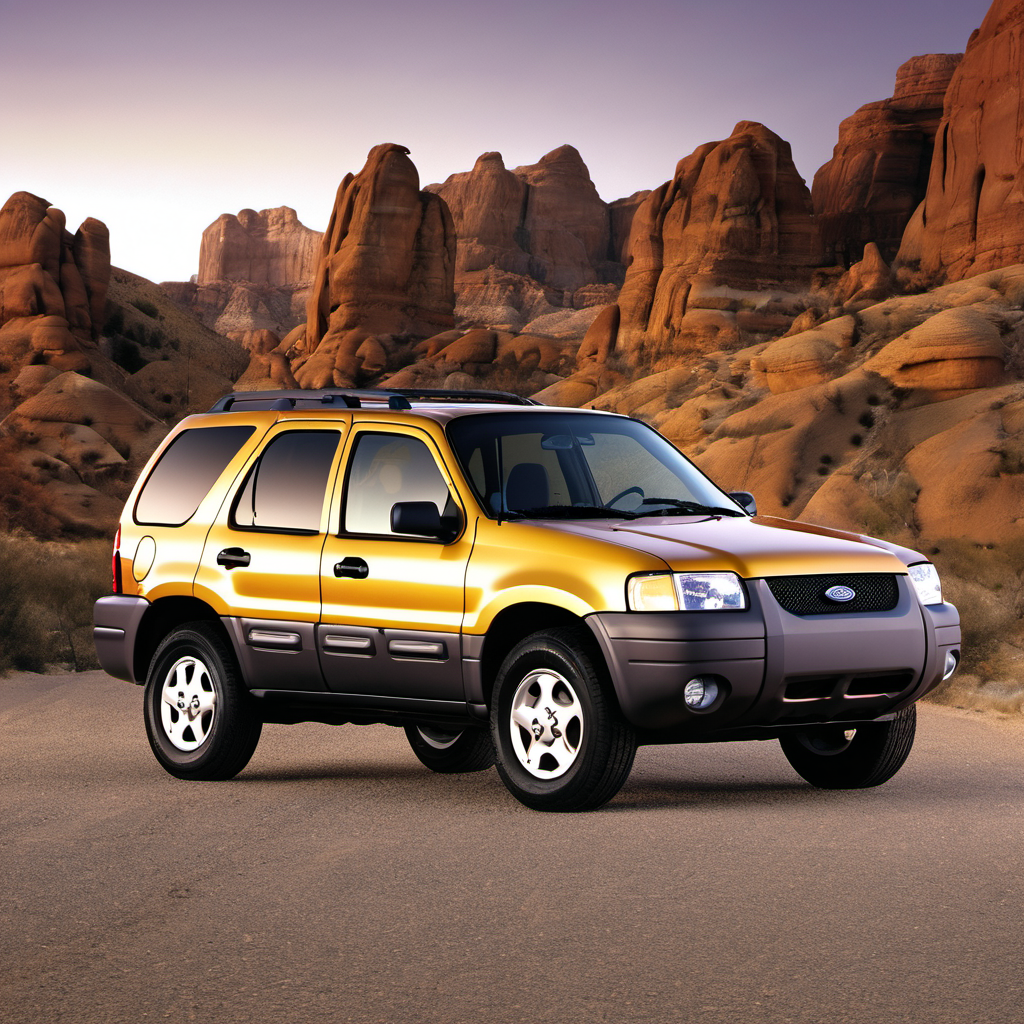
Same compact crossover mission, similar FWD base configuration, comparable pricing, strong parts availability.
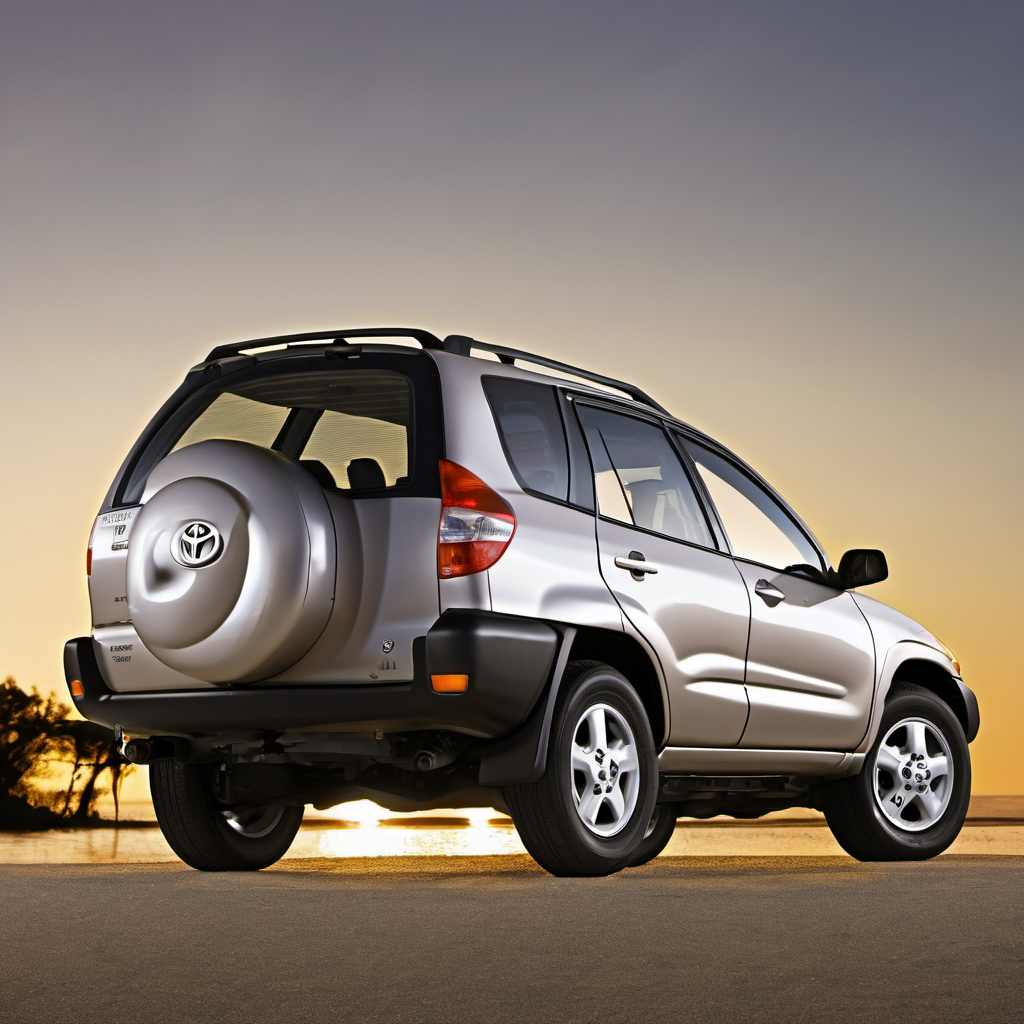
Direct segment competitor; generally stronger long-term reliability reputation but commands a higher used price.
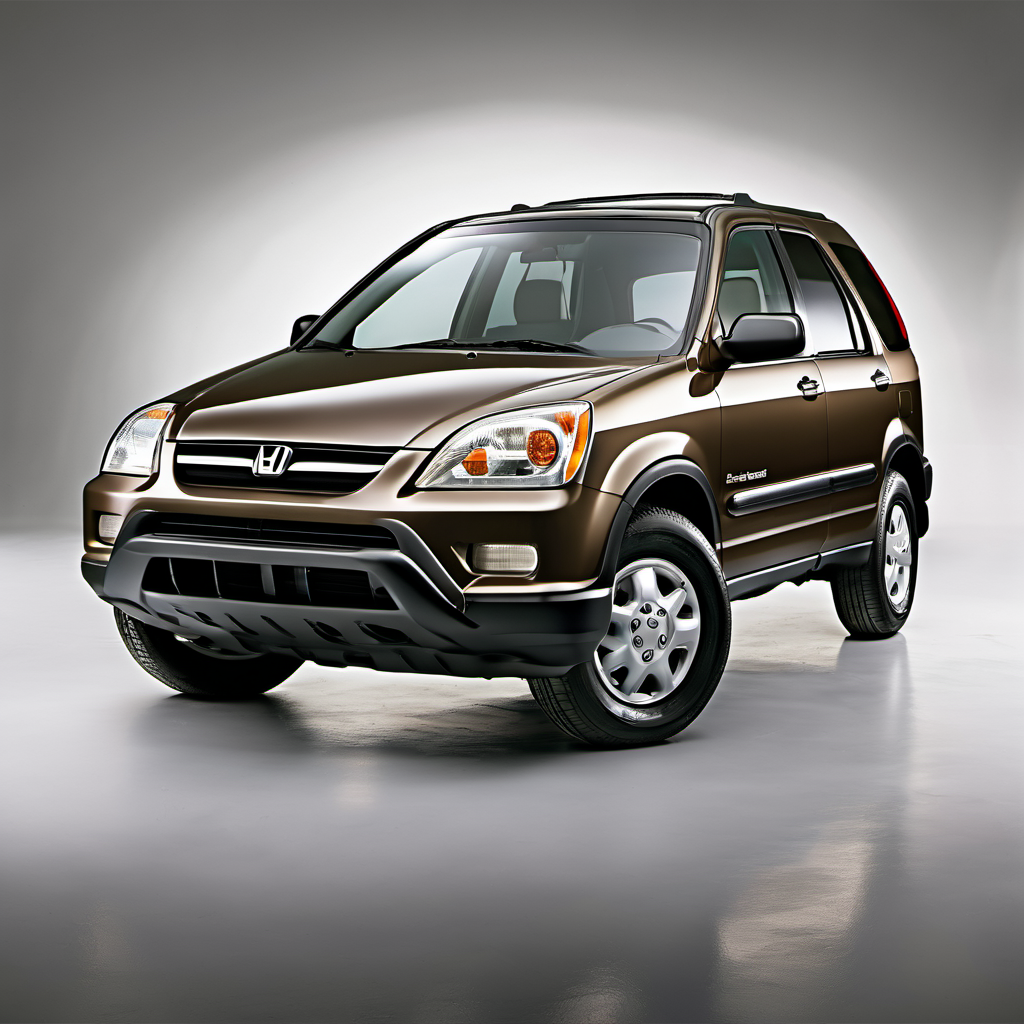
Similar size, family-friendly layout, and purchase price; Honda's reliability edge makes it cost less to own long-term.
Shares Hyundai's platform DNA and era; usually priced below the Santa Fe with a similar ownership profile.
No catalog match