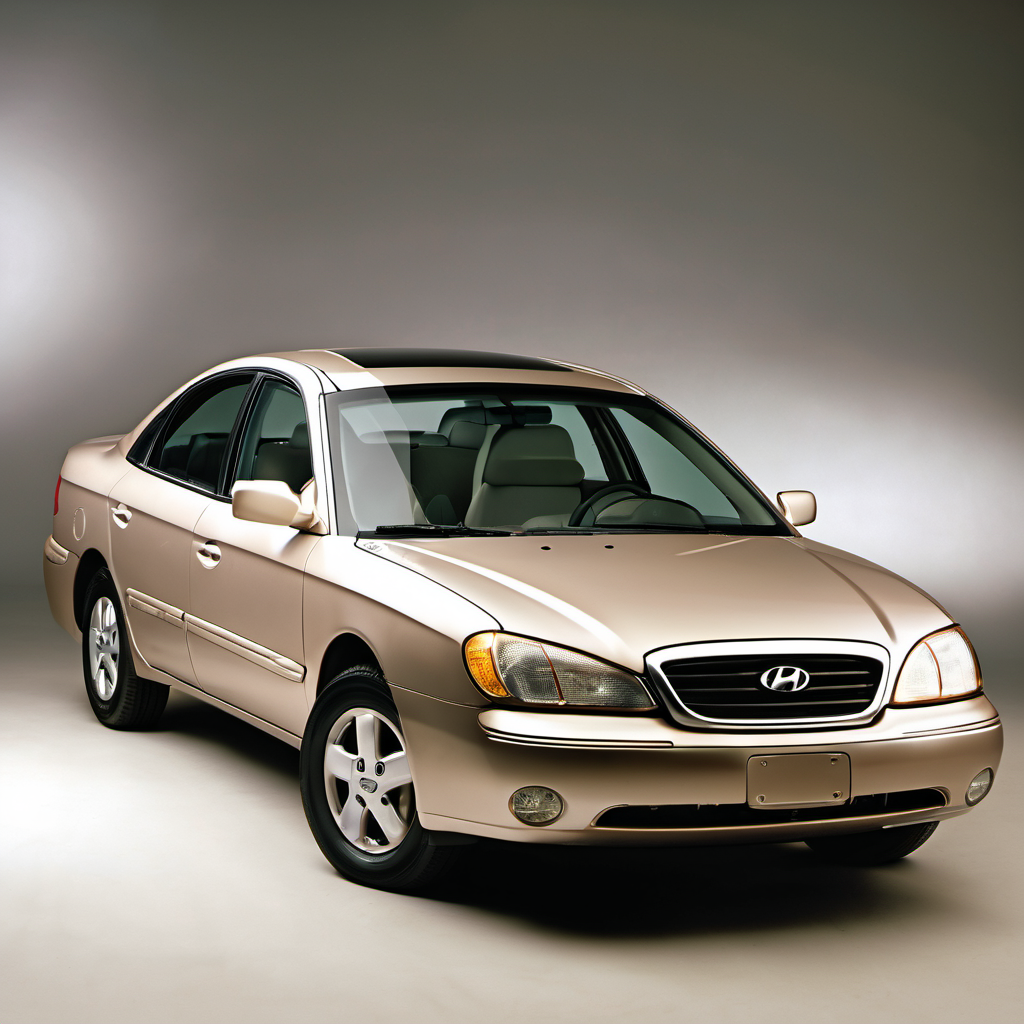
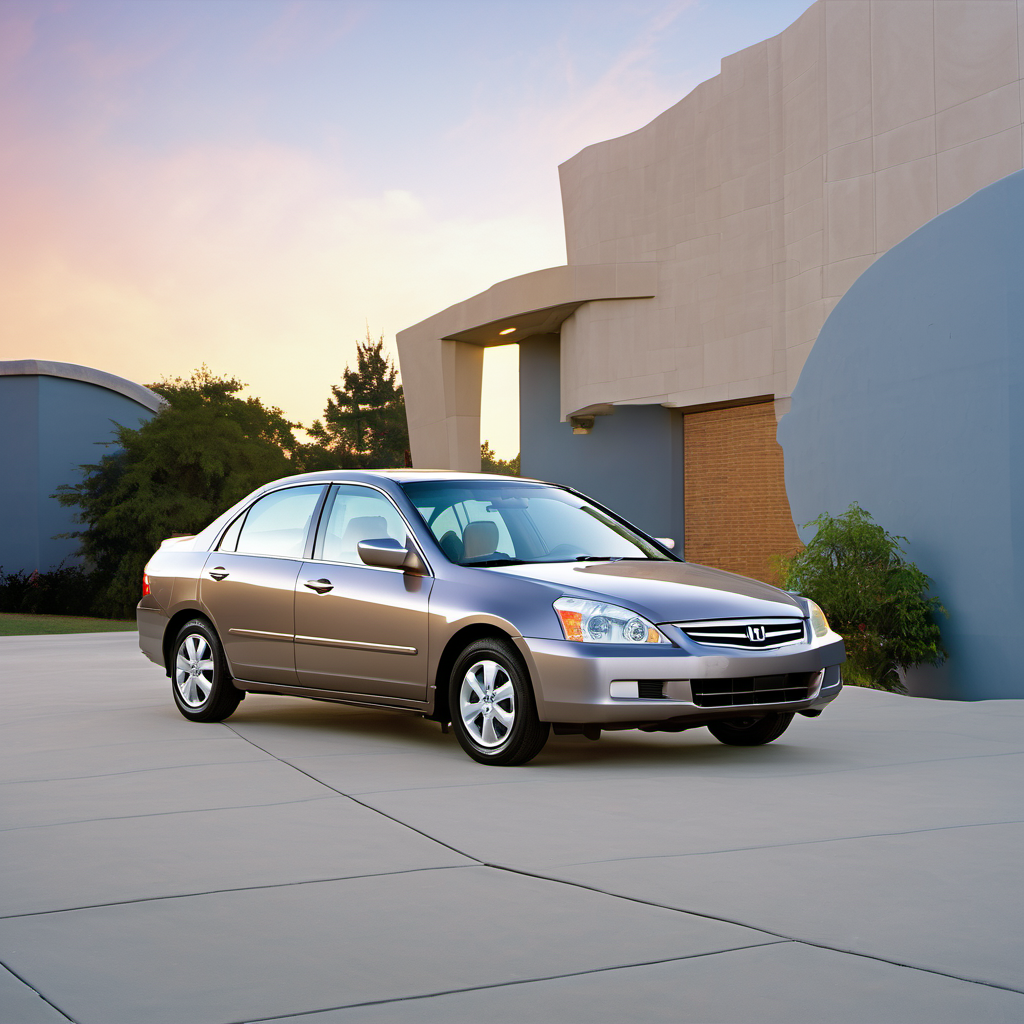
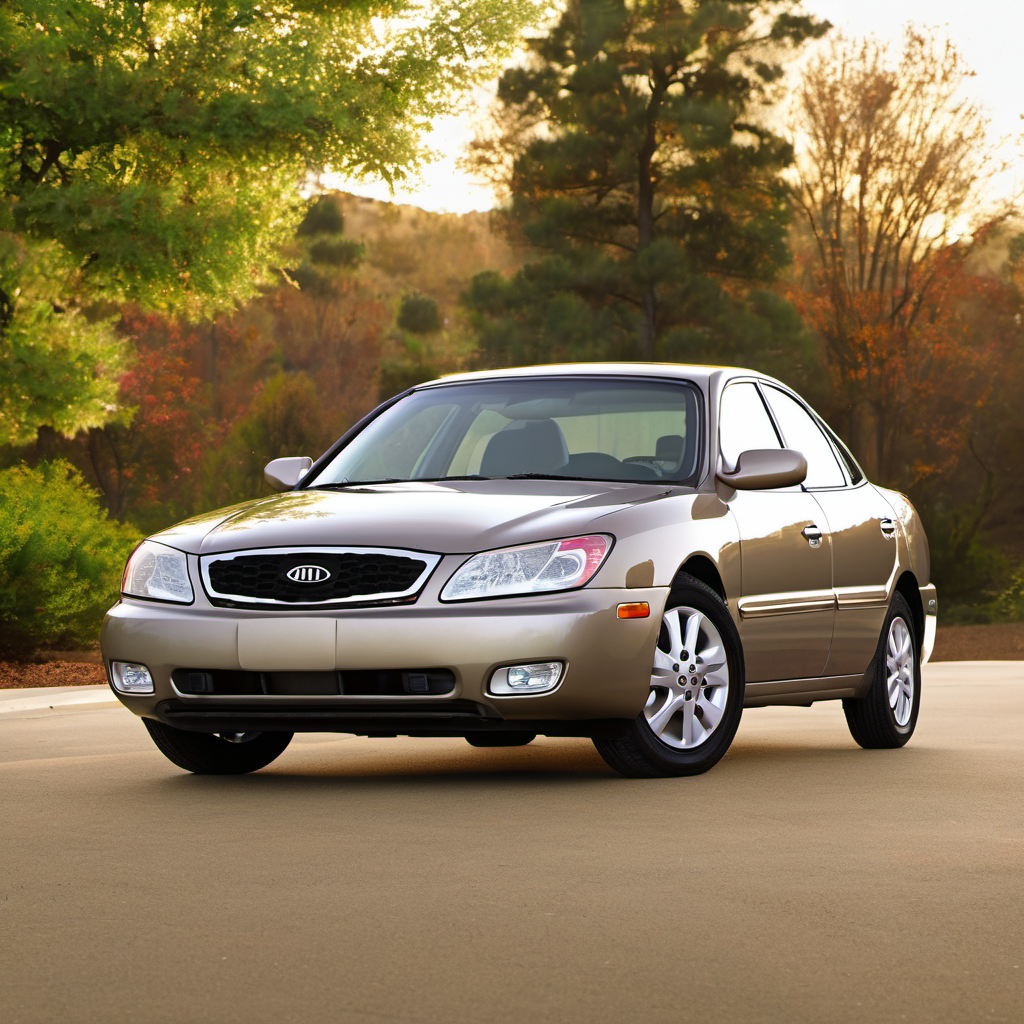
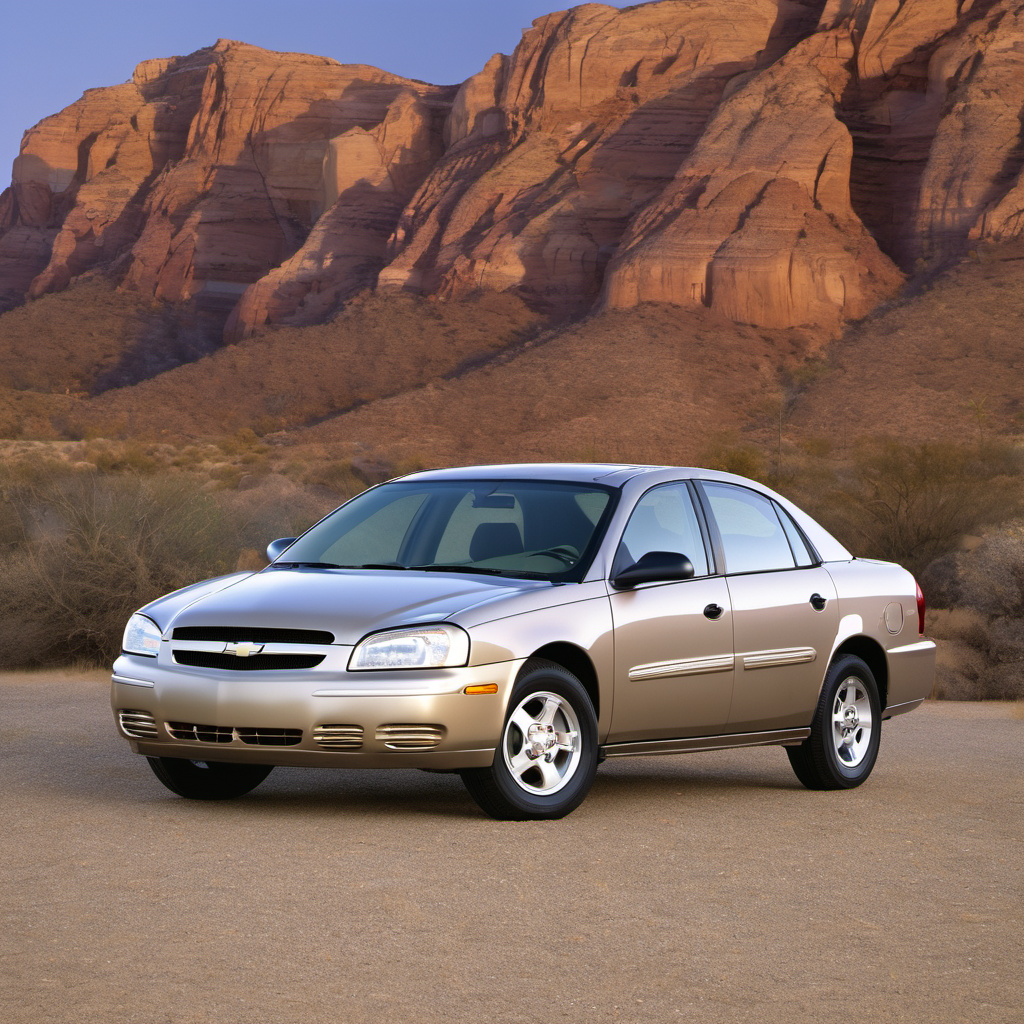
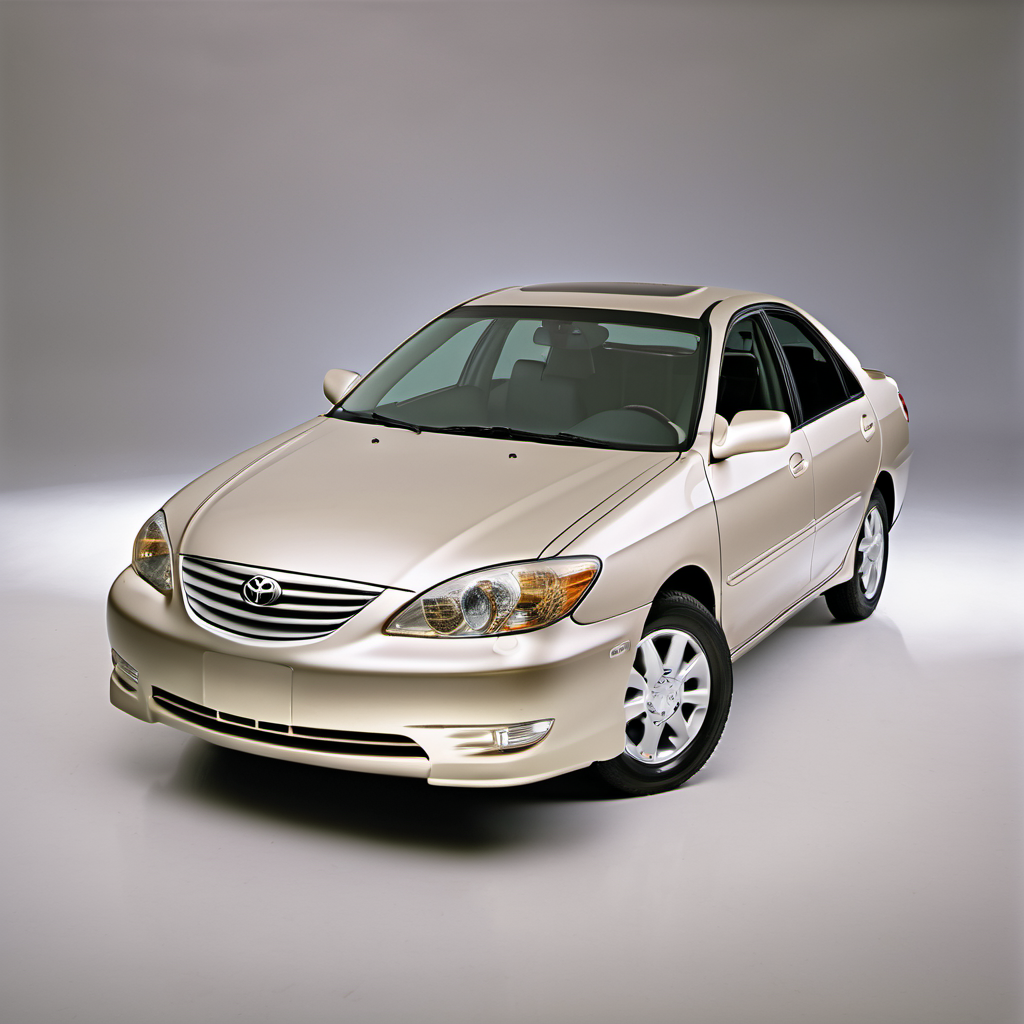
2003 Hyundai Sonata Sedan

2003 Hyundai

SonataSedan

Sedan

The 2003 Hyundai Sonata is a front-wheel-drive midsize sedan that represented a major turning point for Hyundai in the U.S. market. Built on the EF platform, it offered a roomy interior, a smooth ride, and a surprisingly long standard warranty for its price — all of which helped Hyundai shed its budget-brand image during this era. Powered primarily by a 2.4L four-cylinder (or an optional 2.7L V6), the '03 Sonata is a competent daily driver with decent highway fuel economy. It's not exciting to drive, but it's honest transportation that can rack up high miles when properly maintained. At 20+ years old now, any surviving 2003 Sonata is deep into used-car territory. Rust, aging rubber, and deferred maintenance are the real enemies at this point. A clean, well-documented example can still be a reasonable budget buy — but a neglected one will cost you more than it's worth.

Reliability
3/5
Verified data
Specs shown for Sonata — the most common configuration. Other trims may vary in engine, drivetrain, or fuel economy. Sign in to see your vehicle's exact specs.
Engine
[object Object]
Drivetrain
FWD
Fuel
Gasoline
MPG
19 city / 28 hwy / 22 combined
Seats
Doors
Body
Midsize Cars

Overview

AI-curated

The 2003 Hyundai Sonata is a front-wheel-drive midsize sedan that represented a major turning point for Hyundai in the U.S. market. Built on the EF platform, it offered a roomy interior, a smooth ride, and a surprisingly long standard warranty for its price — all of which helped Hyundai shed its budget-brand image during this era. Powered primarily by a 2.4L four-cylinder (or an optional 2.7L V6), the '03 Sonata is a competent daily driver with decent highway fuel economy. It's not exciting to drive, but it's honest transportation that can rack up high miles when properly maintained. At 20+ years old now, any surviving 2003 Sonata is deep into used-car territory. Rust, aging rubber, and deferred maintenance are the real enemies at this point. A clean, well-documented example can still be a reasonable budget buy — but a neglected one will cost you more than it's worth.

Known for
  • Competitive pricing and generous warranty when new
  • Spacious, comfortable interior for its class
  • Smooth, relatively refined ride quality
  • Solid long-term engine durability when oil is changed regularly
  • High-value proposition in the used market
Best for
  • Budget-conscious buyers needing reliable daily transportation
  • High-mileage commuters wanting a low-cost sedan
  • First-time car buyers on a tight budget
  • Buyers comfortable with basic DIY maintenance
Watch for
  • Rust on subframe, floor pans, and wheel wells — serious concern in Wisconsin
  • Automatic transmission issues on high-mileage examples
  • Timing belt neglect — interference engine, missed replacement is engine-killing
  • Cracking or leaking coolant hoses and thermostat housing on aged examples
  • Power window regulator failures are common on this generation

Common issues by mileage

6 known

Timing Belt Failure

high
Typically appears
60–105k mi (every 60k interval)
Estimated repair
$350 – $600

Automatic Transmission Slipping / Harsh Shifts

medium
Typically appears
100–160k mi
Estimated repair
$800 – $2,800

Coolant Leaks — Hoses, Thermostat Housing, Water Pump

high
Typically appears
80k+ mi
Estimated repair
$150 – $500

Power Window Regulator Failure

high
Typically appears
80–150k mi
Estimated repair
$120 – $280

Oxygen Sensor Heater Circuit Fault

medium
Typically appears
80–130k mi
Estimated repair
$120 – $280

Underbody / Subframe Rust

high
Typically appears
Any mileage on Midwest/salt-belt cars
Estimated repair
$300 – $2,500

Maintenance schedule

  1. 1
    Every 60,000 miles or 5 years — whichever comes first Timing Belt & Water Pump Replacement

    This is the single most important service on the 2.4L. Interference engine design means a failed belt = bent valves. Replace the water pump, tensioner, and idler at the same time — labor is already open.

  2. 2
    Every 5,000 miles or 6 months Engine Oil & Filter Change

    Older engines with more clearance benefit from more frequent oil changes. Clean oil is the cheapest engine insurance on a high-mileage 2003.

  3. 3
    Every 30,000 miles Automatic Transmission Fluid Service

    Hyundai's interval was conservative; many shops see transmission problems directly tied to skipped fluid changes on this generation. Use the correct Hyundai SP-III equivalent fluid.

  4. 4
    Every 2 years Coolant System Inspection & Flush

    Inspect all hoses for cracking or softness, check the thermostat housing for seeps, and flush degraded coolant. Overheating on a 20-year-old Sonata is a car-ending event if ignored.

  5. 5
    Every year — mandatory on Wisconsin cars Brake Line Inspection

    Road salt eats steel brake lines from the outside in. A rusted-through brake line causes sudden brake failure. Inspect the entire length annually; replace any line showing pitting or swelling.

  6. 6
    Every 30,000 miles Spark Plugs & Ignition Wires

    Worn plugs cause misfires and poor fuel economy. At this age, original plug wires are brittle and prone to arcing — replace the full set together.

  7. 7
    Every fall — before Wisconsin winter Battery Test & Terminal Cleaning

    Cold-cranking amps drop sharply below 20°F. A battery that passes a summer load test can fail to start the car on a January morning. Test in October and replace proactively if it's over 4 years old.

  8. 8
    Every 2 weeks during winter road-salt season Underbody Wash

    Salt accumulates in seams and underbody cavities. Regular washing is the single best rust-prevention measure on a car this age. Pay attention to wheel wells and subframe areas.

Always defer to the manufacturer's service manual for warranty-mandated intervals.

Cost of ownership

Annual maintenance
$600 – $1,400
Fuel
At 22 MPG combined and ~12,000 miles/year, expect roughly $1,400–$1,700/year at $2.60–$3.10/gal for regular unleaded.
Insurance
Typically $800–$1,200/year for full coverage in Wisconsin on a vehicle this age and value; liability-only can drop well below $600/year.

The 2003 Sonata is one of the cheapest vehicles to own on paper — low insurance, cheap parts, and independent shop labor is affordable. The catch: at 20+ years old, deferred maintenance bills can stack up fast. A timing belt job, a transmission fluid service, and a set of tires in the same year can easily push annual costs past $2,000. Buy a well-maintained example and you'll stay in the low range. Buy a neglected one and costs can exceed the car's market value quickly.
Seasonal care

Lake Geneva, WI
Winter
  • Test the battery every October — cold weather reveals weak batteries fast, and this car's starter draws significant current at sub-zero temps.
  • Switch to a winter-grade washer fluid rated to at least -20°F; the Lake Geneva area regularly sees temperatures where standard fluid freezes in the lines.
  • Inspect wiper blades and consider winter-specific blades — standard blades ice up and streak badly below 20°F.
  • Flush and inspect coolant concentration; it should protect to at least -34°F for Wisconsin winters.
  • Wash the underbody every 1–2 weeks when roads are salted — the 2003 Sonata's aging steel is especially vulnerable to salt-accelerated rust.
  • Check tire pressure monthly; pressure drops roughly 1 PSI for every 10°F drop in temperature, which affects handling and fuel economy.
Summer
  • Inspect the A/C system for refrigerant leaks and verify the cabin air filter is clean — the 2003 Sonata's A/C struggles when the system is low or the condenser is clogged with debris.
  • Check tire pressure when tires are cold; summer heat causes overinflation relative to the door-placard spec and can cause uneven wear.
  • Inspect coolant hoses carefully before summer — heat soak accelerates cracking in aged rubber, and a blown hose in July is a tow call.
  • Check the serpentine belt for cracking or glazing; summer heat and age are the primary causes of belt failure on 20-year-old vehicles.

Comparable vehicles

If you're shopping for one

Red flags
  • Any rust perforation in the floor, subframe, or rear axle area — structural repairs on a car this value rarely make financial sense.
  • No timing belt records and high mileage (100k+) — the cost and risk are too high without knowing when it was last done.
  • Automatic transmission that slips, shudders, or engages harshly — rebuilds cost more than many examples of this car are worth.
  • Overheating history or a replaced thermostat/radiator with no explanation — possible head gasket damage.
  • Check engine light that the seller claims 'just came on' or was recently cleared — scan for codes before buying.
What to inspect
  • Get underneath the car and inspect the subframe, floor pans, rear beam axle mounts, and brake lines for rust — this is a pass/fail item on a Wisconsin car this age.
  • Ask for timing belt service records. If there are none, assume it's overdue and factor $350–$600 into your offer.
  • Test the automatic transmission through all gears — delayed engagement from park, shudder between 35–45 mph, or slipping under light throttle are warning signs.
  • Squeeze every coolant hose; any softness, cracking, or oily residue near clamps indicates upcoming failures.
  • Roll down every window and roll it back up — a window that hesitates, grinds, or won't seal fully likely has a failed regulator.
  • Check for white smoke from the exhaust at operating temp — coolant burning in the combustion chamber signals head gasket trouble.
AI profile generated 11 days ago · claude-sonnet-4-6 · v2.