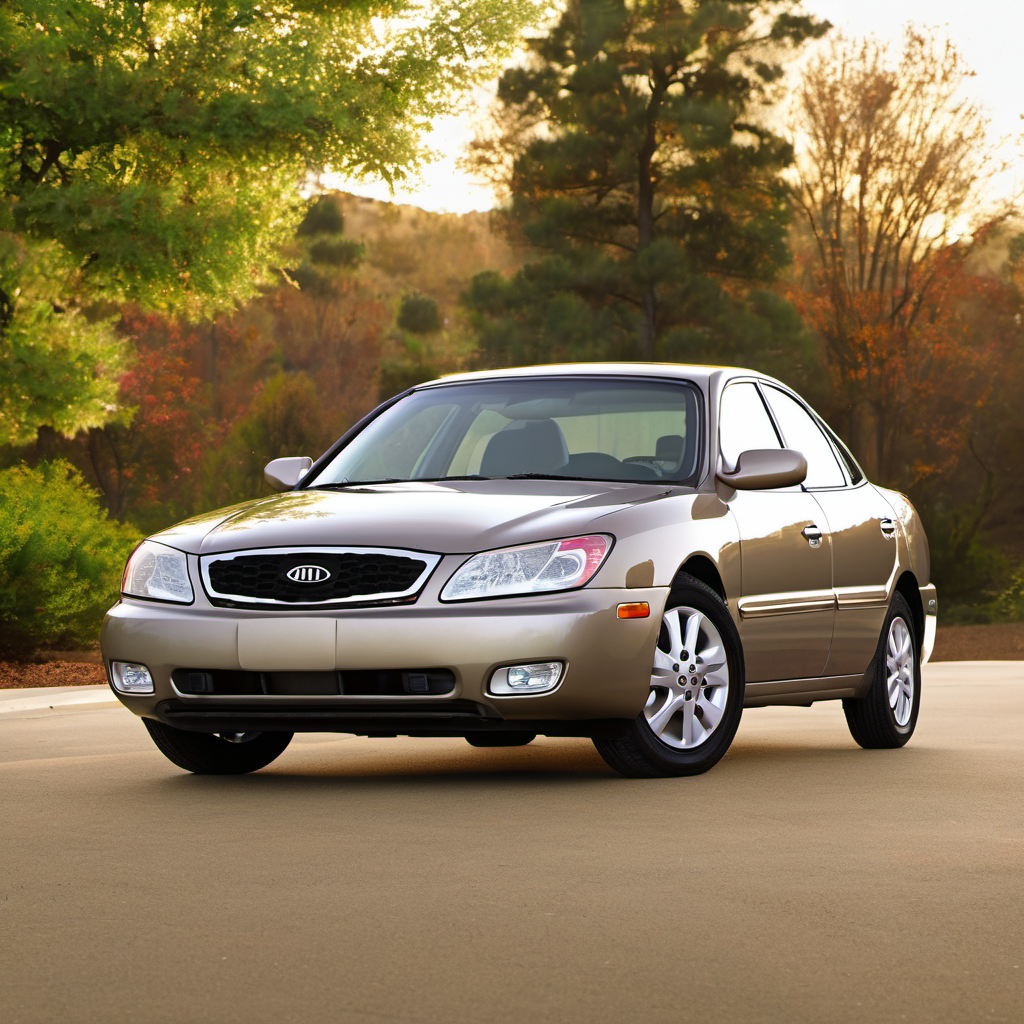
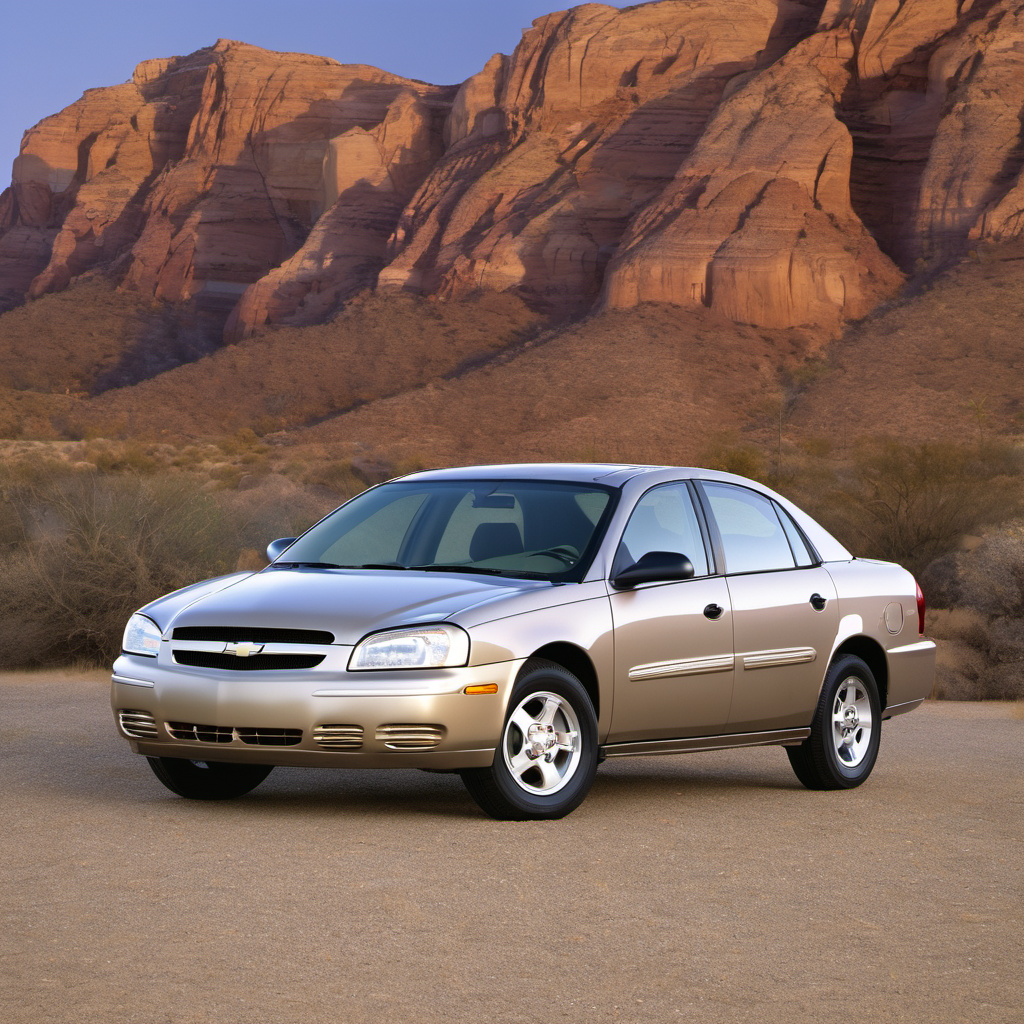
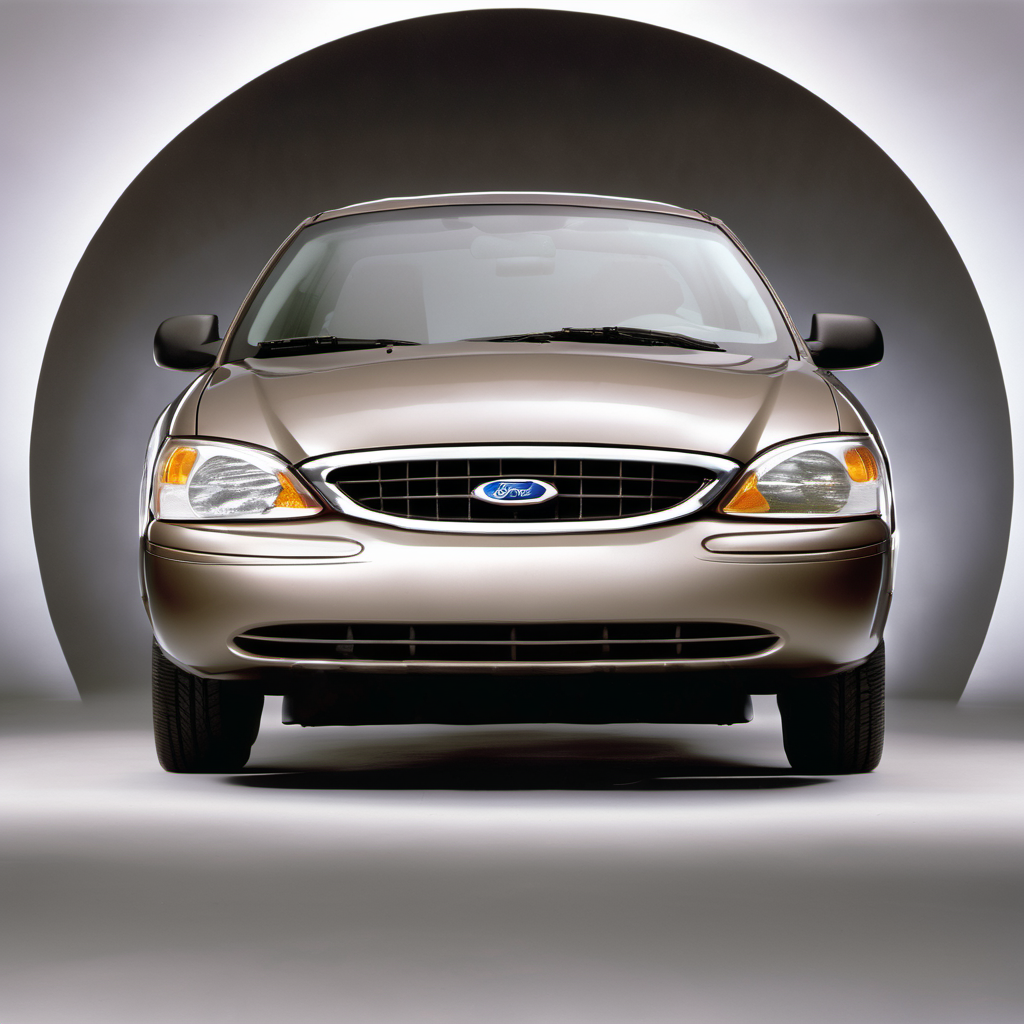
2003 Kia Optima Sedan

2003 Kia

OptimaSedan

Sedan

The 2003 Kia Optima is a first-generation front-wheel-drive mid-size sedan built on a platform shared with the Hyundai Sonata. It was Kia's entry into the mainstream family sedan segment at a time when the brand was still building its reputation in North America. Offered with a 2.4L four-cylinder, it appealed primarily to budget-conscious buyers who wanted basic transportation at a low purchase price. By 2003, the first-gen Optima had modest features and a straightforward powertrain, but build quality and long-term durability were behind segment leaders like the Toyota Camry and Honda Accord. That said, many examples survived well past 150k miles with attentive maintenance. Kia's warranty at the time (10-year/100k powertrain) was a major selling point and helped cover early ownership concerns. At 20+ years old now, any surviving 2003 Optima is well into high-mileage territory. Buyers should approach with eyes wide open — rust, worn suspension, and deferred maintenance are the primary concerns on a vehicle this age, especially in the Wisconsin salt belt.

Reliability
2/5
Verified data
Specs shown for Optima — the most common configuration. Other trims may vary in engine, drivetrain, or fuel economy. Sign in to see your vehicle's exact specs.
Engine
[object Object]
Drivetrain
FWD
Fuel
Gasoline
MPG
19 city / 27 hwy / 22 combined
Seats
Doors
Body
Midsize Cars

Overview

AI-curated

The 2003 Kia Optima is a first-generation front-wheel-drive mid-size sedan built on a platform shared with the Hyundai Sonata. It was Kia's entry into the mainstream family sedan segment at a time when the brand was still building its reputation in North America. Offered with a 2.4L four-cylinder, it appealed primarily to budget-conscious buyers who wanted basic transportation at a low purchase price. By 2003, the first-gen Optima had modest features and a straightforward powertrain, but build quality and long-term durability were behind segment leaders like the Toyota Camry and Honda Accord. That said, many examples survived well past 150k miles with attentive maintenance. Kia's warranty at the time (10-year/100k powertrain) was a major selling point and helped cover early ownership concerns. At 20+ years old now, any surviving 2003 Optima is well into high-mileage territory. Buyers should approach with eyes wide open — rust, worn suspension, and deferred maintenance are the primary concerns on a vehicle this age, especially in the Wisconsin salt belt.

Known for
  • Low original purchase price and strong warranty coverage
  • Shared Hyundai Sonata platform — parts commonality helps
  • Simple 2.4L engine that responds well to basic maintenance
  • Comfortable ride for its class
Best for
  • Ultra-budget daily drivers needing basic point-A-to-B transportation
  • Mechanically inclined owners who can do their own maintenance
  • Short-distance commuters who can keep mileage modest
Watch for
  • Extensive underbody rust from Wisconsin road salt — a major concern on 20-year-old examples
  • Timing belt service history — neglected belts are an engine killer
  • Automatic transmission reliability on high-mileage units
  • Power window regulators and interior electrical gremlins common with age

Common issues by mileage

6 known

Timing belt failure / neglected replacement

high
Typically appears
60–100k mi (or 7 years, whichever comes first)
Estimated repair
$350 – $600

Automatic transmission slipping or failure

high
Typically appears
120–180k mi
Estimated repair
$1,200 – $2,800

Oxygen sensor / heated O2 sensor circuit failure

medium
Typically appears
80–150k mi
Estimated repair
$120 – $320

Power window regulator failure

high
Typically appears
80–150k mi
Estimated repair
$150 – $300

Suspension bushing and ball joint wear

high
Typically appears
100–160k mi
Estimated repair
$300 – $800

Underbody and subframe corrosion (salt belt specific)

high
Typically appears
Any mileage on Wisconsin/salt-belt cars
Estimated repair
$200 – $2,500

Maintenance schedule

  1. 1
    Every 60k mi or 7 years — whichever comes first Timing belt and water pump replacement

    This is an interference engine. A snapped timing belt destroys the engine with no warning. On any used 2003 Optima, verify the belt was replaced and budget to do it immediately if history is unknown.

  2. 2
    Every 5,000 miles or 6 months Engine oil and filter change

    Older engines with higher mileage benefit from more frequent oil changes. Sludge buildup accelerates wear on the 2.4L if intervals are stretched.

  3. 3
    Every 30,000 miles on used/high-mileage examples Transmission fluid change

    The 4-speed automatic is a known weak point. Fresh fluid won't fix a worn transmission but helps delay deterioration. Do NOT flush a high-mileage unit — drain and fill only.

  4. 4
    Every 2 years Coolant flush

    Degraded coolant accelerates corrosion inside the cooling system. The water pump and radiator on a 20-year-old car are vulnerable.

  5. 5
    Every 2 years Brake fluid flush

    Hygroscopic brake fluid absorbs moisture over time, lowering boiling point and promoting internal corrosion — especially important in Wisconsin's wet climate.

  6. 6
    Every fall before winter Underbody rust inspection and treatment

    At 20+ years old and in the salt belt, inspect brake lines, fuel lines, subframe, and suspension mounts for corrosion. Compromised brake or fuel lines are a safety emergency.

  7. 7
    Every 30,000 miles Spark plugs and ignition wires

    Worn plugs and cracked ignition wires cause misfires and poor fuel economy. On a car this age, assume they're due unless documented.

  8. 8
    Every 15,000–20,000 miles Cabin and engine air filter replacement

    Clogged filters restrict airflow and reduce fuel economy. Inexpensive and easy to check at every oil change.

Always defer to the manufacturer's service manual for warranty-mandated intervals.

Cost of ownership

Annual maintenance
$600 – $1,800
Fuel
At 22 MPG combined and typical Wisconsin driving, expect roughly $1,500–$2,000/year at current gas prices for average annual mileage. The 2.4L takes regular 87-octane.
Insurance
Liability-only coverage on a vehicle this age and value is typical. Expect $400–$900/year depending on driver profile and coverage level.

The 2003 Optima has a very low purchase price, but annual maintenance on a 20-year-old car can surprise owners. Budget on the higher end of the maintenance range if the car's service history is spotty or unknown. A single major repair — transmission, timing belt job, or significant rust remediation — can easily exceed the car's market value. It's honest transportation if bought right and kept up, but the financial cushion for surprises is thin.
Seasonal care

Lake Geneva, WI
Winter
  • Battery load-test every fall — the 2003 Optima's electrical system is marginal at sub-zero temps and a weak battery will leave you stranded. Replace any battery over 4 years old.
  • Switch to a full-synthetic 5W-30 oil before winter for easier cold starts and better cold-weather lubrication.
  • Flush and refill windshield washer reservoir with -20°F or colder rated fluid — Wisconsin winters regularly hit those temps.
  • Inspect and replace wiper blades with winter-rated blades before first snowfall; the Optima's wiper arms are not heavy-duty.
  • Check brake lines and fuel lines for corrosion every fall — road salt accelerates rust on lines that are now 20+ years old.
  • Keep the gas tank at least half full to prevent fuel line freeze and reduce moisture condensation in the tank.
Summer
  • Check and adjust tire pressure monthly — summer heat causes pressure to rise, and an overinflated tire on a worn suspension compounds handling issues.
  • Inspect the A/C system for refrigerant charge and compressor function — the clutch and seals on a 20-year-old system are prone to leaks.
  • Check coolant level and condition before summer heat arrives; a compromised cooling system will overheat quickly in stop-and-go traffic.
  • Inspect drive belts for cracking and glazing — heat accelerates belt deterioration on aged rubber.

Comparable vehicles

If you're shopping for one

Red flags
  • Any signs of rust bubbling through the floor, rocker panels, or wheel wells — structural rust on a car this age can be a total-loss situation.
  • Transmission that slips, hunts for gears, or has any burnt smell from the fluid.
  • No service records at all — on a 20-year-old car, unknown history means unknown risk.
  • Active check engine light, especially camshaft timing codes (P0012, P0015) which can signal oil sludge or a neglected timing belt.
  • Mismatched or misaligned body panels suggesting prior accident repair.
  • Engine oil that looks milky or foamy — indicates coolant intrusion and potential head gasket failure.
What to inspect
  • Pull the car up on a lift and inspect brake lines, fuel lines, subframe, and floor pans for rust perforation — this is the single most important check on a Wisconsin-market car this age.
  • Ask for timing belt replacement documentation. If it can't be proven, price a belt job into your offer immediately.
  • Test the automatic transmission through all gears including manual downshifts — look for slipping, shuddering, or delayed engagement.
  • Check all four power windows and the central locking system; regulators and actuators are a common failure point.
  • Inspect all four tires for uneven wear, which signals worn suspension or alignment issues.
  • Start the engine cold and listen for ticking or rattling — on a 20-year-old engine this can indicate oil pressure issues or worn timing components.
AI profile generated 11 days ago · claude-sonnet-4-6 · v2.